
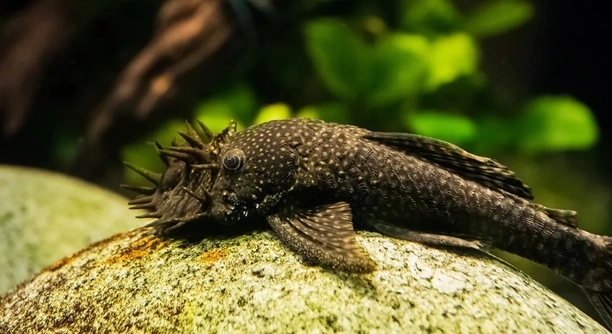
Do you ever find yourself placing fresh zucchini in your pleco’s tank only to watch it float untouched? Many pleco owners experience this situation, which can be confusing when you aim to provide a healthy, varied diet for your fish.
The primary reason your pleco ignores zucchini is that many species prefer algae or biofilm over vegetables. While some plecos may nibble on zucchini occasionally, their natural feeding instincts prioritize nutrient-rich surfaces, making plain zucchini less appealing in comparison.
Understanding your pleco’s dietary habits will help improve feeding routines and ensure your fish receives proper nutrition without wasting food. Proper guidance can enhance both fish health and owner satisfaction.
Understanding Pleco Preferences
Plecos are naturally drawn to algae, biofilm, and plant matter that mimics what they find in rivers and streams. While zucchini is commonly offered in home aquariums, many plecos simply do not recognize it as food. Their feeding habits are shaped by instinct, and they often focus on surfaces where algae accumulate rather than solid vegetables. Some species may nibble on zucchini if it is softened or cooked slightly, but raw pieces can remain untouched for days. It’s important to observe how your pleco interacts with different foods and adjust accordingly. Offering small amounts of zucchini alongside other preferred foods may encourage gradual interest, but forcing it can lead to wasted food and water quality issues. Knowing your pleco’s species-specific needs helps ensure it receives a proper diet. Consistency and patience are key when introducing new foods, as sudden changes can stress your fish or lead to refusal.
Careful observation and gradual introduction are more effective than forcing foods your pleco ignores.
Introducing zucchini effectively involves pairing it with algae-covered surfaces, removing uneaten pieces promptly, and monitoring for dietary balance to maintain fish health over time.
Preparing Zucchini for Plecos
Proper preparation can influence whether your pleco will try zucchini. Softening the vegetable by blanching or lightly steaming can make it easier to eat. Cutting it into thin slices or small pieces allows your pleco to grasp and consume it with less effort. Adding zucchini to a feeding ring or anchoring it to the tank floor can simulate a natural feeding environment, encouraging interest. Rotating zucchini with other vegetables, such as cucumber or spinach, may also help maintain variety without overwhelming the fish. Even with preparation, patience is necessary, as some plecos may still ignore the vegetable entirely.
Blanching zucchini before offering can increase the likelihood of consumption.
While preparation helps, understanding your pleco’s natural feeding behavior remains essential. Many plecos are grazers, meaning they prefer scraping algae off surfaces rather than biting solid vegetables. Anchoring zucchini in the tank can mimic this natural action, making it more appealing. Timing matters too—offer the vegetable after feeding algae wafers or during periods when your fish are actively grazing. Monitoring consumption ensures uneaten food does not decay, which could harm water quality. Combining these strategies increases the chance that your pleco will accept zucchini as part of a balanced diet, while still meeting their instinctual needs. Over time, careful observation and experimentation will clarify which preparations and approaches work best for your specific pleco species. This methodical approach promotes both nutritional balance and a cleaner, healthier tank environment.
Common Feeding Mistakes
Overfeeding or offering zucchini too frequently can lead plecos to ignore it. Many owners place vegetables in the tank without considering timing or portion size, which can cause spoilage and reduce interest. Observing how your fish responds helps prevent wasted food and ensures better nutrition.
Providing zucchini at the wrong time, such as immediately after a primary meal, often results in rejection. Plecos are grazers and prefer to feed when natural instincts drive them to seek algae or biofilm. Offering vegetables in small portions or when the tank is less crowded can improve acceptance. It’s also important to rotate foods to prevent monotony. Uneaten zucchini left in the tank can decay, affecting water quality and discouraging future consumption. Monitoring these factors allows for a balanced feeding routine that respects both the fish’s habits and the tank environment.
Consistency and careful observation are crucial when introducing any new food. Adjusting feeding schedules and portion sizes can gradually increase acceptance while maintaining water quality. By understanding your pleco’s natural rhythms, you can create a more effective feeding strategy, reducing waste and improving overall health. Experimenting with placement, timing, and portion ensures the vegetable becomes a more integrated part of the diet, though patience remains essential. Observing your fish over time will reveal which methods work best, helping you provide both variety and nutritional balance without causing stress or tank issues.
Enhancing Interest in Vegetables
Combining zucchini with familiar foods can make it more appealing. Anchoring it to surfaces where plecos graze or lightly seasoning it with safe algae paste encourages exploration and nibbling, increasing the chance of consumption.
Plecos often ignore vegetables if they are presented alone. Offering zucchini alongside algae wafers, spinach, or cucumber provides familiarity while gradually introducing a new texture and flavor. Ensuring the vegetable is soft or blanched reduces effort for your fish, making them more likely to nibble. Placement matters—attaching it to a feeding ring or tank décor simulates grazing behavior, which plecos instinctively enjoy. Regular rotation with other vegetables maintains variety without overwhelming the fish, and careful monitoring prevents uneaten pieces from degrading water quality. Over time, these methods can train plecos to recognize zucchini as part of their diet, though some species may still show limited interest.
Tracking your pleco’s response allows you to refine feeding strategies, adjusting placement, timing, and preparation as needed. Combining these approaches gradually strengthens their willingness to try new foods. By observing preferences and adapting techniques, you encourage a balanced diet while maintaining a clean tank environment, making vegetable feeding less stressful for both you and your fish. Consistent application over weeks often leads to small but meaningful changes in behavior and acceptance.
Timing and Tank Conditions
Offering zucchini at the wrong time can reduce interest. Plecos often prefer to graze when the tank is quiet and feeding schedules are consistent. Observing their natural activity periods increases the likelihood they will try new foods.
Water quality and tank conditions influence feeding behavior. Uneaten vegetables can quickly decay, creating poor conditions and discouraging consumption. Maintaining a clean, stable environment supports healthy eating habits and encourages exploration of new foods.
Alternatives to Zucchini
Other vegetables such as cucumber, spinach, or peas may be more appealing to your pleco. These options often mimic natural grazing textures and flavors, making them easier to accept while still providing essential nutrients.
Monitoring Consumption
Keep track of how much your pleco eats at each feeding. Observing which foods are consistently ignored helps adjust diet and prevent waste, ensuring proper nutrition.
Why won’t my pleco eat zucchini even after trying several times?
Plecos may ignore zucchini because it does not match their natural diet. Many species are grazers, preferring algae and biofilm to solid vegetables. Even if offered repeatedly, plecos may continue to refuse zucchini unless it is softened, blended with algae, or anchored in a way that mimics natural grazing surfaces. Patience and observation are key.
Can I make zucchini more appealing for my pleco?
Yes. Lightly blanching or steaming zucchini softens it, making it easier to eat. Cutting it into thin slices or small pieces allows the fish to grasp it more easily. Anchoring the vegetable to a feeding ring or a flat surface encourages grazing behavior, which aligns with their natural instincts.
Is it okay if my pleco never eats zucchini?
Yes, it is not unusual. Many plecos simply do not recognize zucchini as food. Providing a balanced diet with algae wafers, cucumber, spinach, and other vegetables ensures proper nutrition without forcing a disliked item. Their overall health will not suffer if they consistently consume other suitable foods.
How often should I offer zucchini to my pleco?
Offering zucchini once or twice a week is sufficient. Overfeeding vegetables can lead to uneaten food, poor water quality, and reduced interest. Observing how much your pleco consumes allows you to adjust frequency. Smaller portions and rotating different vegetables help maintain variety without overwhelming the fish.
Will preparing zucchini differently make a difference?
Preparation matters. Raw zucchini is often ignored, but blanching or lightly steaming it softens the texture, encouraging nibbling. Combining it with algae paste or placing it near preferred foods may also increase interest. The goal is to make it easier for the pleco to recognize and consume it naturally.
Can tank conditions affect whether my pleco eats zucchini?
Yes. Poor water quality, overcrowding, or strong currents can stress plecos, reducing appetite. Uneaten vegetables can decay and further discourage feeding. Maintaining a clean, stable tank environment improves willingness to explore new foods, including zucchini, while supporting overall health.
Are some pleco species more likely to eat zucchini than others?
Absolutely. Herbivorous and omnivorous plecos are more likely to sample vegetables, while primarily algae-eating species may ignore them completely. Researching your pleco species helps set realistic expectations. Some species require additional plant matter, while others thrive on algae and wafers alone.
How can I tell if my pleco is getting enough nutrition without eating zucchini?
Observe their behavior, growth, and overall health. Active plecos with healthy fins, color, and regular grazing habits are likely receiving sufficient nutrients from algae wafers and other vegetables. Monitoring water quality and portion control ensures dietary balance even if zucchini is ignored.
Should I remove uneaten zucchini immediately?
Yes. Uneaten zucchini can decay quickly, leading to poor water quality and possible health issues. Removing leftover pieces prevents tank contamination and encourages your pleco to eat fresh food during the next feeding session.
Can combining zucchini with other foods help?
Yes. Placing zucchini near algae wafers, spinach, or cucumber may increase interest. The familiar presence of preferred foods encourages grazing and can gradually introduce your pleco to the new texture. Over time, this may lead to occasional consumption without forcing it.
Is there a risk of overfeeding vegetables if my pleco eats zucchini sometimes?
Yes. Even occasional consumption can become excessive if offered too frequently. Overfeeding vegetables can upset digestion and reduce interest in staple foods like algae wafers. Monitoring portions and rotating different foods maintains balance and prevents health problems.
How long should I wait to see if my pleco accepts zucchini?
It can take weeks for a pleco to experiment with new foods. Gradual introduction, combined with observation, ensures they have multiple opportunities to try it without stress. Patience is essential; forcing consumption often leads to rejection.
Are there safer alternatives to zucchini for plecos that refuse it?
Yes. Cucumber, spinach, peas, and algae sheets are commonly accepted. These foods provide nutrients similar to zucchini and are easier for most plecos to recognize and consume. Offering a variety ensures a balanced diet without relying on one vegetable.
Will using a feeding ring improve acceptance of zucchini?
A feeding ring can help by keeping zucchini in place, simulating grazing conditions. Plecos naturally scrape surfaces for food, so anchoring vegetables aligns with instinct and increases the chance of nibbling, especially for hesitant individuals.
Can plecos get bored with zucchini?
Yes. Repetition without variety may lead to disinterest. Rotating vegetables and combining them with familiar foods keeps feeding stimulating, encourages exploration, and maintains nutritional balance.
Is it normal for plecos to nibble only occasionally on zucchini?
Yes, occasional nibbling is common. Some plecos may only sample zucchini briefly, focusing primarily on algae or other preferred foods. Consistent monitoring ensures they still receive adequate nutrition.
How can I tell if my pleco prefers other vegetables over zucchini?
By observing feeding patterns. If your pleco consistently consumes cucumber, spinach, or peas while ignoring zucchini, it indicates preference. Adjusting offerings to match these preferences ensures a well-rounded diet without forcing disliked foods.
Are there signs that zucchini is causing health issues?
Yes. Moldy or decaying zucchini can lead to water quality problems, promoting stress, disease, or digestive issues. Removing uneaten pieces promptly and maintaining tank cleanliness prevents negative effects while still allowing occasional trials.
Can mixing zucchini with algae paste help?
Yes. Smearing a thin layer of algae paste on zucchini mimics natural surfaces plecos graze. This encourages interaction with the vegetable and gradually increases the chance of consumption without forcing it.
Should I stop offering zucchini if my pleco refuses it?
Not immediately. Occasional trials can be attempted, but focus on preferred vegetables and algae wafers. Persistent refusal is normal and does not harm overall nutrition if other foods meet dietary needs.
Is it common for adult plecos to be pickier than juveniles?
Yes. Adults often have established feeding habits and may be less willing to try new foods. Juveniles are generally more experimental, making early introduction to vegetables more effective. Patience and preparation remain important for adults.
How do I ensure my pleco’s diet is balanced without zucchini?
Provide a mix of algae wafers, blanched vegetables, and occasional supplements like spirulina. Monitoring growth, color, and activity helps confirm nutritional adequacy, ensuring your pleco remains healthy and active without relying on zucchini.
What is the best strategy for gradually introducing zucchini?
Combine softening, anchoring, pairing with familiar foods, and offering small portions. Observe over several weeks, adjusting placement and preparation as needed. Gradual exposure aligns with natural grazing behavior, increasing the chance of occasional acceptance without stressing the fish.
How important is species research in feeding zucchini?
Extremely important. Different pleco species have varied dietary needs. Knowing whether your pleco is herbivorous, omnivorous, or primarily algae-eating informs realistic expectations, preparation methods, and the likelihood of successful zucchini consumption.
Can environmental enrichment affect vegetable acceptance?
Yes. Providing rocks, driftwood, and surfaces for grazing encourages natural feeding behavior. Plecos may explore zucchini more readily when it mimics these familiar surfaces, enhancing their willingness to try new foods.
What should I do if my pleco completely refuses zucchini?
Focus on alternative vegetables and algae wafers. Avoid repeated forcing, which can lead to waste and water quality issues. Observing preferences and maintaining a varied diet ensures proper nutrition while respecting individual behavior.
Is it normal for some plecos to never eat zucchini?
Yes. Many plecos simply do not recognize it as food. This behavior is normal and does not indicate health issues. Providing suitable alternatives ensures a balanced, nutritious diet without frustration.
How can I track which foods my pleco prefers?
Observe consumption patterns, note which foods are eaten immediately versus ignored, and adjust offerings accordingly. Tracking preferences over time helps maintain variety, balance, and effective feeding routines.
Can temperature or lighting affect zucchini consumption?
Yes. Plecos are more active in stable, comfortable temperatures and low to moderate lighting. Stress from sudden changes can reduce appetite, including for vegetables like zucchini, making environmental consistency important.
Should zucchini be a staple in my pleco’s diet?
No. Zucchini is optional and supplementary. Prioritize algae wafers and other vegetables that align with natural grazing habits. Zucchini can be offered occasionally but should not replace primary food sources.
How long should I leave zucchini in the tank?
Remove any uneaten zucchini within a few hours to prevent decay. Short exposure encourages trial eating while maintaining water quality, supporting a healthy feeding environment.
Can younger plecos be trained to eat zucchini?
Yes. Early introduction with proper preparation, softening, and pairing with familiar foods increases acceptance. Gradual exposure during juvenile stages is more effective than attempting to train adults.
Is it harmful if my pleco ignores zucchini completely?
No. Ignoring zucchini is normal for many species. Ensuring a diet with algae wafers and other vegetables provides sufficient nutrition without stress or risk.
Can I mix zucchini with other vegetables to increase interest?
Yes. Combining zucchini with cucumber, spinach, or peas may encourage nibbling. Mixing familiar foods helps your pleco recognize new textures and flavors in a low-pressure way, supporting gradual acceptance.
How do I know when zucchini is appropriate to offer again?
Offer it sparingly, after other foods have been partially consumed, and when the tank is clean and quiet. Timing and observation maximize the chance of interaction without waste or stress.
Are there special considerations for nocturnal plecos?
Yes. Nocturnal species feed mostly at night. Offering zucchini during low-light periods increases visibility and interaction, aligning feeding with natural activity patterns and improving acceptance.
Can plecos get used to zucchini over time?
Some may gradually try it with consistent, prepared presentation and pairing with preferred foods. However, others may never fully accept it, and that is normal. Patience and observation guide realistic expectations.
How do I balance zucchini with other vegetables?
Offer zucchini occasionally while rotating with cucumber, spinach, and peas. Monitor intake to ensure variety and prevent overfeeding. This approach maintains nutritional balance and keeps feeding stimulating for your pleco.
What is the risk of leaving zucchini too long in the tank?
Prolonged exposure leads to decay, poor water quality, and potential health issues. Removing uneaten zucchini promptly protects both your fish and the tank environment.
How can I tell if zucchini preparation is too hard for my pleco?
If the vegetable remains untouched for multiple feeding cycles, it may be too firm. Softening through blanching, steaming, or cutting thinner slices often encourages nibbling and improves interaction.
Are there behavioral signs that my pleco might eat zucchini eventually?
Yes. Grazing near the vegetable, nudging, or occasional nibbling indicates curiosity. Gradual acceptance often follows persistent exposure combined with preparation and strategic placement.
How do I integrate zucchini without disrupting the diet?
Offer small portions occasionally, paired with familiar vegetables and algae wafers. Remove uneaten pieces promptly and monitor intake to maintain balance, water quality, and feeding routine stability.
Is zucchini necessary for pleco health?
No. While nutritious, it is optional. Algae wafers and other vegetables provide essential nutrients, making zucchini a supplementary rather than critical component of the diet.
Can environmental stress affect zucchini consumption?
Yes. Changes in water parameters, lighting, or tank dynamics can reduce appetite. Ensuring a stable, low-stress environment supports natural grazing behavior and increases the chance of trying new foods.
How can I encourage hesitant plecos to try zucchini?
Combine softening, anchoring, pairing with preferred foods, offering small portions, and observing activity patterns. Gradual introduction over time can result in occasional consumption while respecting natural behavior.
Are there long-term strategies to increase vegetable acceptance?
Yes. Consistency, observation, gradual exposure, rotation of vegetables, and aligning feeding with natural grazing behavior improves acceptance over months without stressing the fish.
What if my pleco only tastes but doesn’t eat zucchini fully?
Partial nibbling is normal. It indicates curiosity but preference for other foods. Continue offering occasionally without forcing, ensuring overall diet remains balanced.
Can I use zucchini as a treat instead of a staple?
Yes. Occasional zucchini serves as a supplementary treat while primary nutrition comes from algae wafers and other preferred vegetables, supporting variety without overfeeding.
Does blanching affect nutritional value for plecos?
Blanching slightly reduces water-soluble nutrients but softens zucchini, making it easier to consume. For plecos, accessibility often outweighs minor nutrient loss, especially when combined with other foods.
Should I change zucchini preparation over time?
Adjusting preparation based on observation is helpful. If a pleco begins nibbling, thin slices may be sufficient. If ignored, further softening or pairing with algae paste may improve acceptance.
How do I avoid over-relying on zucchini?
Focus on algae wafers and a variety of other vegetables. Offer zucchini occasionally as a supplement or treat, ensuring a balanced diet without dependence on one food source.
Is it common for plecos to have strong individual food preferences?
Yes. Even within the same species, preferences vary. Observing individual behavior helps tailor feeding practices and ensures nutritional needs are met without forcing disliked foods.
Can I use zucchini to monitor feeding behavior?
Yes. Offering small amounts of zucchini provides insight into activity levels, grazing behavior, and preferences, helping refine overall diet and tank management strategies.
How do I know when to stop offering zucchini temporarily?
If uneaten zucchini repeatedly decays, water quality declines, or your pleco shows no interest, pause offerings. Resume later with improved preparation, placement, or pairing with other foods.
Are there risks in offering too many vegetables at once?
Yes. Overloading the tank can lead to decay, poor water quality, and reduced appetite for preferred foods. Small portions and rotation maintain balance and encourage grazing.
Is zucchini more effective when offered with live algae?
Yes. Combining with live algae mimics natural feeding conditions, increasing curiosity and interaction. Plecos are more likely to try new textures when paired with familiar foods.
How important is observation when offering zucchini?
Extremely important. Tracking reactions, nibbling, and consumption informs preparation, placement, and frequency, ensuring zucchini is offered effectively without waste or stress.
Can zucchini be part of a long-term feeding plan?
Yes, but as a supplementary food. Rotated with other vegetables and algae wafers, it adds variety without becoming essential, respecting natural preferences and dietary needs.
What if my pleco only eats zucchini at night?
Offer it during low-light periods or when the tank is quiet. Nocturnal feeding aligns with natural behavior, increasing the chance of nibbling and exploration.
Are there seasonal considerations for offering zucchini?
Not directly, but seasonal changes in temperature or light may affect activity levels. Adjust timing and preparation to match natural feeding patterns for consistent acceptance.
Can I combine zucchini with frozen vegetables?
Yes. Softening frozen vegetables alongside zucchini increases appeal, providing variety and nutrients while simulating natural grazing textures and encouraging exploration.
How often should I monitor pleco response to zucchini?
Observe each feeding session, noting consumption patterns and behavior. Consistent monitoring ensures diet balance, prevents waste, and allows for adjustments in preparation and placement over time.
Is it necessary to offer zucchini to all plecos in a community tank?
No. Focus on species or individuals likely to accept it. Others can rely on preferred foods. Avoid overloading the tank with uneaten vegetables, which can harm water quality.
Can zucchini help with picky eating habits?
It may, if presented gradually with preparation, pairing, and anchoring. However, not all plecos will accept it, so relying on other foods remains critical.
Are there alternatives to blanching zucchini?
Steaming, microwaving lightly, or softening by soaking in tank water for a few hours can improve texture. The goal is accessibility without compromising water quality.
How can I combine zucchini with algae wafers effectively?
Place small zucchini slices near or under wafers. Plecos grazing on familiar foods may explore the vegetable, gradually increasing interaction while still receiving primary nutrition.
Is there a risk of fermentation if zucchini is left too long?
Yes. Prolonged exposure leads to decomposition, affecting water quality and fish health. Remove uneaten pieces promptly to maintain a safe environment.
Can zucchini be used to supplement protein needs?
No. Zucchini is primarily a vegetable and provides minimal protein. Protein should come from algae wafers, pellets, or other species-appropriate sources to meet nutritional requirements.
What is the best way to observe pleco reaction to zucchini?
Offer small portions in a controlled area, watch grazing behavior, nibbling attempts, and overall interaction. Adjust placement and preparation based on response to encourage acceptance gradually.
Does peeling zucchini affect consumption?
Peeling is optional. Some plecos prefer softer surfaces, so removing the skin can improve nibbling. Others may graze on both peeled and unpeeled slices without issue.
Are there risks in offering zucchini too frequently?
Yes. Overexposure can reduce interest and lead to uneaten pieces decaying. Rotating with other vegetables ensures variety, prevents waste, and maintains water quality.
Can I use zucchini as part of a training routine for picky eaters?
Yes. Gradual introduction, pairing with familiar foods, and consistent placement can encourage cautious plecos to explore new textures without stress. Patience and observation remain essential.
Should zucchini be offered at the same time every day?
Consistency helps. Offering at predictable times aligns with natural grazing habits, increasing the chance of interaction while maintaining routine and reducing stress.
Can zucchini help with tank enrichment?
Yes. Anchoring it on surfaces encourages grazing behavior, exploration, and mental stimulation, contributing to overall well-being even if consumption is limited.
Is it better to offer small or large pieces of zucchini?
Small pieces are easier for plecos to manage and reduce waste. Large slices may deter nibbling and can decay before being eaten, negatively affecting water quality.
How do I combine zucchini with other leafy greens effectively?
Mix small portions of zucchini with spinach, kale, or lettuce. Ensure pieces are soft and anchored to mimic natural grazing. Rotate regularly to maintain variety without overwhelming the fish.
Can zucchini help picky plecos try new foods?
Occasionally. Pairing with familiar foods, softening, and strategic placement may encourage hesitant plecos. However, success varies by species and individual preference.
Is monitoring uneaten zucchini important for water quality?
Yes. Decaying vegetables can release toxins and promote bacterial growth. Removing uneaten portions promptly protects both fish health and tank stability.
How long should zucchini be offered to gauge interest?
Offer for a few hours per feeding. If ignored,
Final Thoughts
Feeding plecos can be a simple process, but it requires attention to their natural habits and preferences. Many plecos are naturally drawn to algae, biofilm, and certain plant matter rather than solid vegetables like zucchini. Ignoring these instincts can lead to frustration for owners who want to provide variety. Offering zucchini occasionally is fine, but it should not replace the foods that your pleco naturally prefers, such as algae wafers, cucumber, spinach, or peas. Understanding your pleco’s species-specific diet is essential because not all plecos have the same nutritional needs or feeding behaviors. Some species may nibble on vegetables with ease, while others may completely ignore them, even when presented in the most appealing way. Observing your fish over time and adjusting the diet accordingly helps maintain both health and satisfaction.
Preparation plays a key role in whether a pleco will interact with zucchini. Raw slices are often left untouched, while lightly blanching, steaming, or cutting into thin pieces can make the vegetable easier to eat. Anchoring the zucchini to a feeding ring or flat surface simulates natural grazing behavior, which can increase interest. Pairing it with familiar foods like algae wafers or leafy greens provides additional incentive to explore the new texture. Even with proper preparation, it is normal for a pleco to nibble only occasionally or ignore zucchini completely. Patience is necessary when introducing new foods. Gradual exposure, combined with careful observation, allows you to gauge what your pleco is willing to eat and how often, ensuring that the tank remains clean and the fish receives proper nutrition. Monitoring uneaten zucchini is also critical because decaying food can affect water quality and the overall health of the tank.
Feeding zucchini should be part of a balanced routine, not a primary diet. Offering it occasionally, in small portions, and alongside other accepted foods provides variety without disrupting feeding habits. Overfeeding or presenting it too frequently can reduce interest and cause waste, so moderation is key. Observing behavior, consumption patterns, and activity levels helps determine whether the diet is sufficient. Plecos may show individual preferences, and what works for one fish may not work for another, even within the same species. Maintaining water quality, providing the right tank conditions, and aligning feeding times with natural activity periods supports overall health. By combining careful preparation, observation, and realistic expectations, you can ensure your pleco remains healthy, active, and nutritionally balanced while minimizing stress and waste. Zucchini can be a helpful supplement, but understanding natural feeding habits and adapting to individual behavior is what truly supports long-term well-being.

Hello,
If you enjoy the content that we create, please consider saying a "Thank You!" by leaving a tip.
Every little bit helps us continue crafting quality advice that supports the health, happiness, and well-being of pets around the world, for pets of all shapes, sizes, and species.
We really appreciate the kindness and support that you show us!