
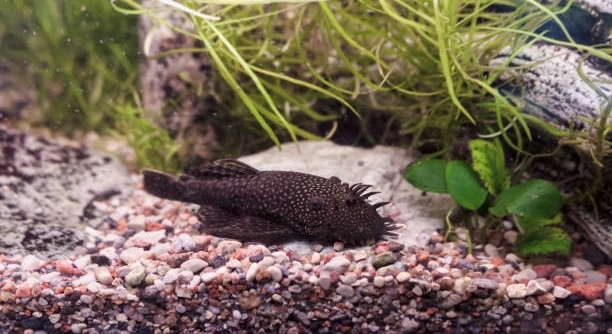
Are your plecos showing unusual activity in the tank, swimming around more than usual, or interacting with other fish? Observing these subtle behaviors can help you understand how social your pleco may be feeling today.
Plecos demonstrate social behavior through increased interaction with tank mates, exploration of shared spaces, and reduced hiding tendencies. Recognizing these signs can assist aquarists in monitoring their fish’s welfare and fostering a suitable environment for social engagement.
Understanding these behaviors will help you create a more harmonious tank environment for your pleco and other aquatic companions.
Increased Swimming Activity
When your pleco starts exploring areas of the tank it usually avoids, it is often a sign of social engagement. You might notice it gliding near other fish, moving along decorations, or even approaching the surface more frequently. This change in behavior shows that your pleco is comfortable and willing to interact with its environment. Social plecos are more active and curious, often leaving their hiding spots for longer periods. Observing these moments can give insight into their mood and overall health. A pleco that consistently remains hidden may be stressed or less inclined toward social interaction. Encouraging movement through gentle changes in tank layout or adding new hiding spots can stimulate interest without overwhelming them. Lighting, water temperature, and tank mates can also influence how active a pleco feels. By paying attention to these patterns, you can ensure your pleco is thriving and enjoying its environment alongside other tank inhabitants.
Plecos that swim around more are usually comfortable in their surroundings and open to social interaction with other fish.
Active plecos are more likely to explore new tank areas, interact with other fish, and respond to changes in their environment. Consistent movement signals well-being and a willingness to engage with their surroundings. Monitoring these behaviors helps in maintaining a balanced tank where all fish can coexist peacefully. Adjustments like varying decorations or introducing new visual stimuli can encourage swimming activity and enhance social interaction. Over time, these small changes can build confidence and reduce stress, creating a healthier, more interactive aquatic environment for your pleco and its tank mates.
Sharing Feeding Times
Plecos that show social tendencies often gather near food when others are eating. They may hover around feeding areas, nibbling alongside other fish, rather than retreating to isolated spots. This behavior indicates that your pleco is comfortable in the presence of tank mates and confident in accessing resources without fear. Observing feeding interactions can reveal much about their comfort levels and social dynamics. Gradually introducing food in a consistent pattern helps plecos anticipate feeding times, reducing stress and encouraging interaction. Social plecos may also display curiosity toward new foods or feeding tools, showing a willingness to engage with both their environment and companions.
Feeding together allows plecos to build social bonds while maintaining a calm, structured routine in the tank.
Plecos that participate in shared feeding experiences demonstrate increased social confidence and a stronger connection to their surroundings. They are more likely to explore food from multiple areas of the tank, test new feeding techniques, and observe other fish during mealtime. This behavior reduces competition stress and supports healthier social dynamics. Regular observation during feeding can help you recognize which fish are most interactive and identify any signs of food aggression or discomfort. Ensuring adequate food distribution and maintaining a calm feeding environment allows social plecos to thrive while encouraging timid individuals to gradually join in. Over time, this practice strengthens social cohesion and promotes a balanced, lively tank ecosystem.
Interaction with Tank Mates
Plecos that are feeling social often swim close to other fish without showing aggression. They may follow, mimic, or gently bump into tank mates, indicating comfort and curiosity.
This type of interaction is a clear sign of social confidence. Observing these behaviors shows that your pleco is comfortable sharing space and is not overly territorial. Social plecos engage with others to establish familiarity and reduce stress. They may swim alongside other fish, hover near them while resting, or respond to movements around the tank. These actions demonstrate that your pleco is aware of its companions and willing to participate in communal activity.
Social plecos also display subtle body language during interactions. Small movements, fin flicks, or gentle nudges often signal interest or acknowledgment. Recognizing these signs helps you understand their social tendencies and allows you to make minor adjustments in the tank. Adding more hiding spots, maintaining proper water conditions, and observing behavior changes can strengthen these interactions and create a healthier environment.
Seeking Attention from the Owner
Plecos that feel social often swim closer when you approach the tank, showing curiosity and recognition. They may linger near the glass, following your movements.
This behavior indicates a level of trust and comfort with your presence. Social plecos recognize routine interactions and may anticipate feeding or tank maintenance. Their attention-seeking actions are often gentle, such as hovering nearby or nudging objects.
Engaging with your pleco consistently can reinforce this social behavior. Talking softly or tapping lightly on the glass may encourage them to explore the tank more actively. Over time, these interactions build familiarity and reduce fear, making your pleco more confident. Social plecos often respond to changes in lighting, shadows, or hand movements, demonstrating awareness and curiosity. By observing these cues, you can strengthen your bond and create an environment that promotes interaction. Maintaining stable water conditions and providing ample space for movement further supports these social tendencies, allowing your pleco to feel secure while seeking attention.
Exploring New Areas
Plecos that feel social often leave their usual hiding spots to explore other areas of the tank. They move around decorations, rocks, and plants more confidently, showing curiosity and comfort in their environment.
This exploration indicates that your pleco is confident and interested in its surroundings. Social plecos are more likely to investigate new spaces without stress or hesitation. They may glide along tank walls, inspect corners, or swim near other fish while exploring. This behavior reflects mental stimulation and engagement, which are important for overall well-being. Encouraging gentle changes in tank layout can keep your pleco active and socially responsive, allowing it to adapt comfortably to its environment.
Cleaning Behavior
Plecos that feel social often clean surfaces around other fish. They graze on algae while remaining close to tank mates, showing confidence and comfort.
Reacting to Tank Changes
Plecos that are social often respond calmly to minor changes in the tank, like rearranged decorations or new plants. Their curiosity and lack of stress reflect confidence and adaptability.
FAQ
How can I tell if my pleco is social?
A social pleco will leave its hiding spots more often, swim near other fish, and explore decorations confidently. They may also follow movements in the tank, hover near feeding areas, and interact gently with tank mates. Watching daily behaviors closely helps identify these signs.
Do plecos enjoy being near other fish?
Yes, social plecos are comfortable sharing space. They swim alongside or near other fish without showing aggression. They may mirror movements, nudge gently, or hover near companions while resting, signaling interest and a willingness to interact.
Can plecos recognize their owners?
Many plecos show recognition by swimming closer when someone approaches the tank. They may linger near the glass, follow hand movements, or respond to routine feeding actions. This attention-seeking behavior is a sign of trust and comfort.
What triggers social behavior in plecos?
Social behavior can be influenced by tank conditions, such as water quality, temperature, and lighting. Comfortable surroundings, adequate space, hiding spots, and consistent feeding routines encourage interaction. Gradual changes in tank layout also stimulate curiosity and engagement.
Why does my pleco hide all the time?
Constant hiding can indicate stress, illness, or discomfort. Social tendencies are often suppressed in overcrowded tanks, poor water conditions, or if tank mates are aggressive. Ensuring stable water parameters, proper tank mates, and sufficient hiding areas can help encourage exploration.
How do feeding times affect social behavior?
Plecos that feel social often gather near feeding areas with other fish, showing confidence and calm behavior. Regular, predictable feeding schedules help reduce stress and encourage participation. Observing how plecos eat alongside tank mates can reveal social tendencies and comfort levels.
Do plecos interact with objects in the tank?
Yes, social plecos often explore decorations, rocks, and plants. They swim around these objects, investigate corners, and graze on surfaces. Interaction with objects indicates curiosity, mental stimulation, and engagement, which are important for both social behavior and overall health.
Can social behavior indicate good health?
Generally, yes. Active, confident, and curious plecos are usually healthy. Social engagement, consistent swimming, regular feeding, and gentle interactions with other fish suggest well-being. Conversely, lethargy, constant hiding, or avoidance can indicate health issues that need attention.
What can I do to encourage my pleco to be social?
Maintaining stable water parameters, providing hiding spots, and introducing gentle tank changes can help. Regular feeding routines, observing interactions, and giving your pleco time to explore new areas gradually will foster comfort and social engagement.
Are plecos social at all times of the day?
Social behavior may vary depending on activity cycles. Some plecos are more active during evening or nighttime hours. Observing their natural rhythms and adjusting tank lighting or feeding schedules accordingly can support consistent social behavior and interaction with tank mates.
Do plecos ever show aggression?
While generally peaceful, some plecos may show mild territorial behavior if space is limited or resources are scarce. Social plecos, however, usually display gentle interactions like following, hovering, or small nudges, rather than overt aggression. Proper tank management minimizes conflicts.
How long does it take for a pleco to become social?
Time varies depending on individual temperament, tank conditions, and prior experiences. Some plecos adjust within days, while others may take weeks to show consistent social behavior. Patience, observation, and a stable environment encourage confidence and interaction.
Can multiple plecos be social together?
Yes, in spacious tanks with enough hiding spots, plecos often tolerate or engage with each other. Observing interactions and providing adequate space reduces stress and promotes harmonious behavior among multiple plecos.
How do plecos show curiosity?
Social plecos explore new objects, inspect rearranged decorations, and approach movements in the tank. Grazing on surfaces, swimming along tank walls, and investigating new food items are common signs of curiosity, reflecting comfort and engagement.
Do plecos change behavior with age?
Younger plecos may be more active and exploratory, while older plecos may prefer stability. Social tendencies can persist, but observation is key. Adjusting tank conditions to suit their comfort level helps maintain social engagement throughout their life.
Can I train my pleco to be more social?
Plecos respond to consistent interaction. Gentle approaches, predictable feeding schedules, and minor changes in the tank encourage exploration and comfort. Over time, these practices can strengthen social behavior and increase attention toward both tank mates and the owner.
How important is tank size for social behavior?
Adequate space is crucial. Larger tanks provide room for exploration, reduce territorial disputes, and support interactions without stress. Crowded tanks often inhibit social behavior, increase hiding, and create tension among plecos and other fish. Proper tank size enhances overall comfort and engagement.
Do plecos need other fish to be social?
Not necessarily. While plecos may interact with tank mates, social behavior can also manifest through exploration, curiosity, and recognition of the owner. Observing interactions with both fish and the environment helps determine social tendencies and comfort levels.
What signs indicate my pleco is not feeling social?
Constant hiding, avoiding other fish, lack of movement, and refusal to explore are clear indicators. Environmental stress, illness, or discomfort often suppress social tendencies. Addressing water conditions, tank mates, and space can help improve confidence and encourage social behavior.
Can water changes affect social behavior?
Yes, plecos are sensitive to sudden changes in water parameters. Gradual adjustments in temperature, pH, and cleanliness support comfort and reduce stress. Stable conditions help plecos remain confident, active, and willing to engage with other fish and their surroundings.
Are some pleco species more social than others?
Behavior varies by species. Some plecos are naturally more curious and interactive, while others are more solitary. Observing individual tendencies and adapting tank conditions accordingly ensures that each pleco has the best environment to express social behavior safely and comfortably.
Final Thoughts
Understanding your pleco’s social behavior is an important part of keeping them healthy and comfortable in your tank. Social plecos display confidence through interaction with other fish, curiosity toward their surroundings, and gentle engagement with their environment. These behaviors indicate that your pleco feels safe and content, which is essential for their well-being. Observing how your pleco behaves during feeding, while exploring the tank, or when you approach the glass gives valuable insight into its mood and personality. Recognizing these subtle signs allows you to provide a supportive environment that meets both their social and physical needs.
Creating the right environment for a social pleco involves maintaining proper water conditions, providing enough space, and including hiding spots to reduce stress. Stable water temperature, regular cleaning, and balanced filtration contribute to a calm environment where your pleco feels secure. Decorations, plants, and rocks not only create visual interest but also offer areas for exploration and grazing. A tank that allows freedom of movement encourages activity, social engagement, and mental stimulation. Regular feeding routines and consistent interactions from the owner also reinforce confidence and social tendencies. By carefully observing behaviors and making small adjustments, you can ensure that your pleco remains active, curious, and comfortable alongside its tank mates.
Social behavior in plecos can vary depending on species, age, and past experiences, but most respond positively to environments that balance security and stimulation. While some plecos may remain shy or solitary, many gradually display curiosity, confidence, and interaction when given time and a supportive setting. Encouraging social engagement helps reduce stress, supports physical health, and enhances overall tank harmony. By paying attention to swimming patterns, feeding habits, exploration, and gentle interactions with other fish or owners, you can create a welcoming environment where your pleco thrives. Maintaining patience and observation, combined with proper care, ensures that your pleco not only survives but enjoys an enriched, socially responsive life in your aquarium.

Hello,
If you enjoy the content that we create, please consider saying a "Thank You!" by leaving a tip.
Every little bit helps us continue crafting quality advice that supports the health, happiness, and well-being of pets around the world, for pets of all shapes, sizes, and species.
We really appreciate the kindness and support that you show us!