
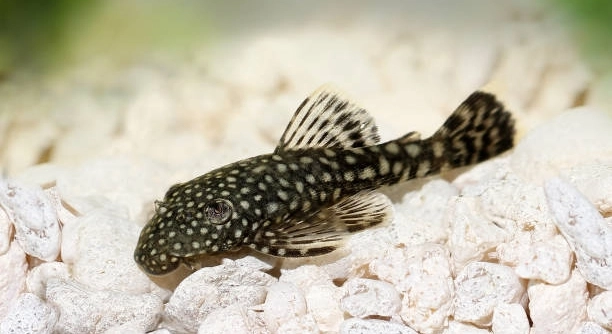
Have you ever noticed your Bristlenose Pleco moving around its tank in ways that seem more than just searching for food? Observing these fish can sometimes feel like they are quietly exploring their surroundings.
Bristlenose Plecos do exhibit signs of curiosity through investigating new objects and changes in their environment. They respond to stimuli and interact with unfamiliar elements, indicating a capacity for awareness beyond basic survival instincts.
Understanding these behaviors can help you create a more engaging and enriching tank environment for your fish. Careful observation reveals the subtle ways they interact with their surroundings.
Signs of Curiosity in Bristlenose Plecos
Bristlenose Plecos often show curiosity through their movement and interactions in the tank. They may explore new decorations, driftwood, or plants with a slow, deliberate approach. Watching them, I noticed they often circle unfamiliar objects, sometimes brushing against them with their mouths. This behavior is not about eating, but more about sensing their surroundings. Plecos also respond to changes in lighting or water flow, pausing to investigate before continuing their usual routine. Some will follow a hand moving outside the tank, clearly tracking the motion with steady eyes. These actions suggest they are aware of subtle shifts in their environment. Understanding these small cues helps in providing enrichment that encourages natural behaviors. When given tunnels, caves, or small structures, Plecos often inspect each one carefully, as if evaluating the best hiding spot. This deliberate exploration highlights that their behavior is more than instinctive feeding or hiding.
Observation of these behaviors confirms that Bristlenose Plecos actively interact with new stimuli and show awareness beyond basic needs.
Providing varied tank elements encourages mental stimulation, keeping your Pleco engaged and healthier. Watching their exploration can be surprisingly rewarding.
Encouraging Exploration
Adding new items to the tank sparks interest and motivates Plecos to move around more frequently.
Carefully placing driftwood, rocks, or smooth stones encourages natural exploration. Some Plecos are cautious at first, inspecting slowly, but repeated exposure increases confidence. Rotating tank features can maintain engagement over time. Soft plants or mosses provide textures they can investigate, and small hiding spaces allow safe retreat. Observation of these behaviors can reveal preferences for certain textures or structures. By introducing change gradually, stress is minimized, and curiosity is encouraged. Feeding in different areas also promotes movement and investigation. These simple adjustments create a stimulating environment, enhancing overall activity levels. Over weeks, it becomes apparent which areas attract the most attention. The tank becomes more dynamic, and your Pleco demonstrates behaviors that are more varied and interactive. Such careful attention to environment helps ensure your Pleco stays mentally and physically active while feeling secure in its space.
Interaction with Tank Mates
Bristlenose Plecos generally stay peaceful with other fish, but their curiosity can lead them to investigate tank mates. They may swim close or follow movements, observing without aggression. These interactions reveal their awareness and adaptability in social environments, showing they notice more than just food or hiding spots.
Watching my Pleco alongside tetras and guppies, I noticed it approaches slowly, sometimes pausing to observe before moving on. It doesn’t chase or harass but seems genuinely interested in the activity around it. Plecos may investigate other fish’s behaviors, particularly during feeding times, following their motion or sniffing nearby. This behavior highlights how they engage socially while remaining non-confrontational. Their movements are deliberate, showing that they are assessing situations and reacting thoughtfully, rather than acting purely on instinct. This awareness adds depth to how they interact in a community tank.
Observing these interactions over several weeks, it became clear that Plecos remember certain fish and their patterns. They may approach some more than others, indicating recognition and selective attention. Their responses to tank mates are subtle, involving slight shifts in direction, slow swimming, or gentle nudges. These behaviors suggest a degree of social learning, where Plecos assess others’ behaviors to navigate their environment safely. Such interactions also show they can adapt over time, adjusting curiosity based on previous experiences, which adds richness to understanding their behavior.
Response to Environmental Changes
Bristlenose Plecos react noticeably when the tank environment changes, displaying investigative behaviors. Rearranged decorations or new plants catch their attention, and they approach cautiously, testing the alteration before resuming normal routines.
Introducing a new driftwood piece or plant can trigger prolonged exploration. Plecos often circle the new object, brushing against it, or attempting to hide nearby. Their response is slow and deliberate, showing that they process environmental changes carefully. They may return multiple times to inspect from different angles, suggesting memory and spatial awareness. These responses indicate that Plecos are not just reacting instinctively but are evaluating their surroundings to adapt safely. Even minor changes, like a shift in lighting or water flow, can draw attention, prompting observation and slight repositioning within the tank. Gradual changes keep stress low while encouraging mental engagement, allowing Plecos to explore confidently. This adaptability highlights their ability to interact with dynamic environments, making them more engaging to watch.
Over time, consistent exposure to moderate environmental changes builds confidence. Plecos learn which areas are safe and how to navigate newly introduced features. They may revisit familiar objects, compare with new additions, or explore empty spaces created by rearrangements. Their behavior reflects a pattern of cautious investigation, showing intelligence in assessing potential risks. Subtle cues, like water current variations or plant movement, are noticed and responded to, demonstrating sensory awareness. These explorations help maintain activity levels and reduce boredom, contributing to overall well-being. Observing these responses offers insight into how Plecos adjust to evolving habitats while expressing natural curiosity.
Exploring Hiding Spots
Bristlenose Plecos enjoy investigating caves and tunnels, often entering and exiting multiple times. This behavior is not only about safety but also shows curiosity as they evaluate different spaces. Watching them, I realized they treat each hiding spot like a small adventure.
Some Plecos test new shelters cautiously, brushing against walls and peeking inside before fully entering. Their repeated visits indicate they are learning the layout and deciding which areas feel most secure. This exploration helps them feel confident and engaged in their environment.
Reaction to Food Changes
Plecos respond quickly to new foods, showing interest and investigation. Changing the type or placement of food often sparks careful examination, sniffing, and gentle nibbling. Their response shows awareness and adaptability to variations in their diet, highlighting natural curiosity.
Interaction with Reflections
Bristlenose Plecos may notice their reflection in glass or ornaments, often approaching slowly. They sometimes circle or pause, seemingly trying to understand the “other fish,” revealing observational and investigative behavior beyond instinctual responses.
Investigating Water Currents
Plecos explore different water currents within the tank, adjusting their swimming patterns. They often test stronger flows cautiously, sometimes pushing against them, demonstrating awareness of environmental changes and their ability to adapt for comfort and stability.
FAQ
Can Bristlenose Plecos recognize their owners?
Bristlenose Plecos can learn to recognize the presence of their owners through consistent interaction. They may swim closer when you approach the tank or watch movements outside. While they don’t form attachments like mammals, they notice patterns, movements, and feeding routines. I’ve seen my Pleco pause near the glass as I refill the tank, clearly aware of my presence and associating it with food or activity. Over time, this recognition becomes more consistent, showing that Plecos are capable of learning and remembering stimuli. Their reactions are subtle, but consistent observation reveals these patterns.
Do Plecos show signs of boredom?
Yes, Bristlenose Plecos can become bored if their environment lacks stimulation. They may spend long periods hiding or repeatedly following the same route in the tank. Adding decorations, caves, or driftwood encourages exploration. In my experience, when I introduced a new plant, my Pleco spent hours circling and inspecting it, clearly more active and engaged. Rotating tank decorations or changing hiding spots periodically helps maintain interest. Even rearranging driftwood or adding smooth stones can spark investigation. Providing variety reduces boredom, improves activity levels, and supports natural behaviors.
How do Plecos react to new tank mates?
Bristlenose Plecos are generally peaceful, but curiosity leads them to observe new tank mates closely. They may swim near newcomers, watch from a distance, or circle around cautiously. I noticed that my Pleco approached a new schooling fish slowly, pausing to study its movement before resuming normal routines. They rarely show aggression unless space is limited. Their reactions are deliberate and measured, indicating a natural awareness of social dynamics. Over time, Plecos can remember the behavior of other fish, adjusting their approach accordingly, which shows adaptability and selective attention in social situations.
Do Plecos interact with decorations or objects in the tank?
Yes, Bristlenose Plecos actively explore decorations, driftwood, rocks, and plants. They may brush against surfaces with their mouths, circle objects, or try to squeeze into small spaces. I observed my Pleco returning repeatedly to the same driftwood piece, testing angles and hiding spots. This behavior demonstrates both curiosity and spatial learning. Even minor changes, like moving a plant slightly, prompt careful inspection. Their interaction is not random; it is deliberate, showing awareness of their surroundings. Providing varied objects encourages mental stimulation and helps maintain natural behaviors, keeping Plecos engaged and active.
Can Plecos adapt to environmental changes?
Bristlenose Plecos are responsive to changes in lighting, water currents, and tank layout. When I adjusted the water flow in one section of the tank, my Pleco tested the new currents slowly, swimming against them briefly before retreating. This demonstrates cautious investigation and adaptability. Rearranging decorations prompts exploration, as they assess safety and usability of spaces. Plecos learn to navigate these changes over time, showing memory and problem-solving abilities. Gradual changes are best, minimizing stress while encouraging natural curiosity. Adaptation to environmental shifts is part of how Plecos remain active, alert, and healthy.
Do Plecos react to reflections?
Yes, reflections in glass or shiny surfaces often trigger investigative behavior. My Pleco approaches the reflection slowly, sometimes circling or pausing, appearing to assess the “other fish.” This behavior suggests observational awareness rather than aggression. Repeated interactions with reflections show they can distinguish patterns and respond thoughtfully, indicating a level of environmental understanding beyond instinct alone.
How can I encourage natural curiosity in Plecos?
Providing a variety of hiding spots, decorations, and gentle water currents promotes natural curiosity. I noticed that introducing new caves and driftwood increased exploration. Rotating objects and changing feeding locations stimulates movement and interaction with the environment. Even minor adjustments like repositioning plants or adding smooth stones spark investigation. Gradual introductions help Plecos feel secure while encouraging exploration. Encouraging curiosity keeps them active, healthy, and mentally stimulated, making tank observation more engaging for both the fish and the keeper.
Are Plecos more active at certain times?
Bristlenose Plecos are generally nocturnal but show bursts of curiosity during the day, especially around feeding. I’ve observed mine exploring new plants or driftwood in the morning and late afternoon, testing spaces before settling. They tend to be most active when environmental stimuli are present, such as moving water, feeding, or introduced objects. Recognizing these patterns allows for better tank management and provides opportunities to observe their natural behavior without causing stress.
Do Plecos remember changes or objects over time?
Yes, Plecos display memory and spatial awareness. Objects they explore repeatedly, like favorite caves or driftwood, become familiar over weeks. I noticed my Pleco returning to specific hiding spots consistently, even after moving them slightly. They adjust their behavior based on past experiences, showing learning and recognition abilities. This memory helps them navigate safely, find shelter, and assess environmental changes effectively. Over time, consistent observation highlights these patterns, confirming that Plecos are capable of remembering objects, locations, and interactions.
Can Plecos show different levels of curiosity based on personality?
Individual Plecos vary in curiosity. Some may approach everything immediately, while others inspect cautiously. I’ve seen one Pleco circle new objects slowly, while another dove right in to explore. These differences reflect personality traits rather than environmental factors. Recognizing individual behavior allows for tailored enrichment, ensuring each Pleco remains engaged and comfortable. By providing options and observing reactions, you can support both bold and cautious individuals, promoting activity, mental stimulation, and overall well-being within the tank.
Bristlenose Plecos are often seen as quiet, simple fish, but careful observation shows they can be surprisingly aware of their surroundings. They explore, investigate, and respond to changes in the tank in ways that suggest more than instinctive behavior. For example, when new driftwood, plants, or hiding spots are introduced, Plecos often approach slowly, circle objects, or test them with gentle mouth touches. This behavior is not about feeding but seems to be a way of understanding their environment. Even small changes, like slightly different water currents or shifts in lighting, can capture their attention. Over time, it becomes clear that Plecos adjust their behavior based on previous experiences, returning to familiar spots while carefully examining new elements. Watching these actions reveals that they have an individual awareness that goes beyond simple survival instincts.
Social interaction is another way Bristlenose Plecos demonstrate curiosity. They observe other tank mates and sometimes approach cautiously to investigate movements or behaviors. In my tank, the Pleco would follow the motion of small schooling fish or pause to watch them swim by. These observations indicate that Plecos are aware of their companions and can adjust their behavior to navigate social situations safely. Unlike aggressive fish, they rarely display confrontational behavior but still interact with their surroundings thoughtfully. Recognizing this helps in creating a balanced tank environment where Plecos can coexist with other species comfortably. By providing varied spaces and opportunities to explore, owners can encourage natural behaviors that support mental and physical health. Even their response to human presence shows awareness. Over time, they may approach slowly when someone moves near the tank, linking the movement with feeding or routine maintenance.
Providing enrichment and variety is essential for nurturing curiosity in Plecos. Driftwood, rocks, tunnels, and plants encourage exploration and activity, preventing boredom and supporting natural instincts. Gradual rearrangements of these elements help Plecos investigate safely and build confidence in their environment. Feeding in different locations or introducing new types of food also stimulates activity and observation. Their interaction with reflections, currents, and changing spaces shows that curiosity is a natural part of their behavior. By taking note of these patterns, owners can better understand the needs and preferences of their Pleco, creating a stimulating environment that promotes health and engagement. Overall, Bristlenose Plecos may appear calm and simple, but they are capable of learning, adapting, and exploring in subtle but meaningful ways, making them more interactive and interesting than they are often given credit for.

Hello,
If you enjoy the content that we create, please consider saying a "Thank You!" by leaving a tip.
Every little bit helps us continue crafting quality advice that supports the health, happiness, and well-being of pets around the world, for pets of all shapes, sizes, and species.
We really appreciate the kindness and support that you show us!