7 Unexpected Behaviors and What They Mean
Do you ever notice small habits in people that seem unusual but leave you unsure what they mean? These little behaviors can carry messages about emotions, thoughts, and hidden intentions, offering insight into human interactions and relationships. Unexpected behaviors often reflect underlying feelings, psychological patterns, or social cues. Recognizing these actions allows for better understanding … Read more

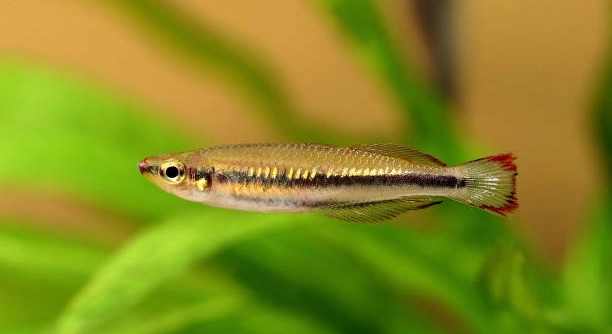
7 Reasons Your Rainbowfish Hides All Day

Are your rainbowfish spending most of their time hidden instead of swimming boldly around their tank, leaving you unsure about what might be causing this unusual behavior in your peaceful home aquarium each day now. Rainbowfish often hide due to environmental stress, unsuitable tank conditions, or social pressures within their group. Limited space, poor water … Read more

Can Rainbowfish Learn Simple Routines?

Rainbowfish are small, colorful freshwater fish often kept in home aquariums. Observing their behavior can be enjoyable, and some fish owners notice that these fish respond to daily routines or feeding patterns. Their movements are lively and engaging. Rainbowfish can learn simple routines through consistent repetition and environmental cues. They respond to signals like feeding … Read more

7 Causes of Fin Damage in Rainbowfish

Are your rainbowfish showing torn or frayed fins, leaving you worried about their overall health and wellbeing? Fin damage is a common issue in home aquariums, affecting both young and adult rainbowfish alike. Fin damage in rainbowfish can result from poor water quality, aggressive tank mates, nutritional deficiencies, stress, infections, or physical injuries. Each factor … Read more

What It Means When Fish Swim Backwards

Have you ever noticed a fish moving in the opposite direction of the rest of its tank or stream? This unusual behavior can be surprising and sometimes concerning to observe in aquatic environments. Fish swimming backwards is often a sign of stress, illness, or environmental imbalance. It can indicate issues with water quality, internal parasites, … Read more

Why Rainbowfish Sometimes Avoid Light

Have you ever noticed how some rainbowfish move quietly through their tanks, seeming to prefer shaded areas instead of bright spots, creating gentle patterns as they swim around in a calm and steady way day. Rainbowfish often avoid direct light due to their sensitivity to abrupt illumination changes, which can elevate stress and disrupt natural … Read more

Why Your Rainbowfish May Refuse to Breed

Are your rainbowfish not showing any signs of breeding, even after months of care? Many aquarists face this challenge, wondering why their colorful fish fail to reproduce despite a seemingly healthy environment. It can be puzzling and frustrating. Rainbowfish may refuse to breed due to a combination of environmental, dietary, and social factors. Inadequate water … Read more

Do Rainbowfish Get Along With Other Fish?

Rainbowfish are colorful freshwater fish admired for their shimmering scales and active behavior. Many aquarists enjoy keeping them in community tanks, as they add vibrancy and movement, creating a lively atmosphere that brightens any aquarium setting. Rainbowfish generally coexist well with other peaceful fish species. They thrive in groups and show minimal aggression when paired … Read more

7 Easy Adjustments for a Healthier Tank

Keeping a fish tank clean and vibrant can sometimes feel overwhelming, especially with busy schedules. Many aquarium owners struggle with maintaining water quality and ensuring their aquatic pets thrive in a healthy environment. Simple adjustments can greatly improve tank health, including monitoring water parameters, regulating feeding, maintaining proper filtration, adding live plants, ensuring adequate lighting, … Read more

7 Easy Ways to Encourage Schooling

Many children face challenges that make attending school regularly difficult. Families, communities, and educators all play a role in creating a supportive environment that encourages learning and growth from an early age. Encouraging schooling effectively requires consistent support, positive reinforcement, and accessible resources. Strategies include establishing routine attendance, fostering interest in learning, providing mentorship, and … Read more