
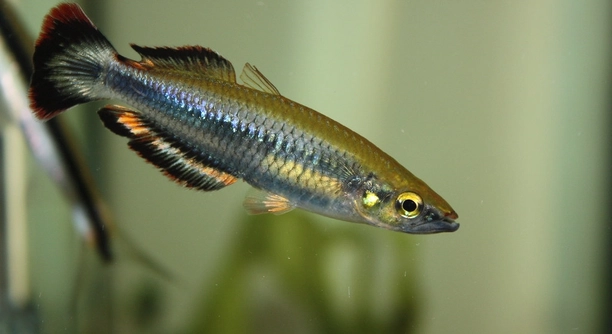
Have you ever noticed how some rainbowfish move quietly through their tanks, seeming to prefer shaded areas instead of bright spots, creating gentle patterns as they swim around in a calm and steady way day.
Rainbowfish often avoid direct light due to their sensitivity to abrupt illumination changes, which can elevate stress and disrupt natural behaviors. Shaded areas provide a stable visual environment that supports movement and helps maintain physiological balance within their aquatic habitat.
Their subtle reactions to lighting reveal details about their comfort, helping you make choices that support calmer behavior in water.
Light Sensitivity in Rainbowfish
Understanding how rainbowfish respond to light helps create a calmer space they can move through without stress. I notice how their colors soften when the lighting feels too bright, and this small change reminds me how sensitive they are to sudden shifts. Creating gentle transitions between light and shade supports steady patterns and reduces unnecessary tension. When the environment feels balanced, they glide with a softness that reflects comfort rather than worry. Paying attention to these details helps guide the way I arrange their surroundings, making sure bright spots never overwhelm their natural rhythm. Each adjustment shapes calmer behavior, giving them room to settle into a steady routine that suits their instincts. This approach keeps their movements smoother and supports their overall wellbeing, allowing them to explore every part of their space without feeling pushed toward brighter areas they might prefer to avoid in their tank as they swim daily.
Light sensitivity shapes the way rainbowfish move, and small adjustments help them remain settled. I rely on consistent shading and gentle brightness changes to support steady behavior. These simple choices keep their tank peaceful and help them stay comfortable throughout their daily patterns in a calm and balanced environment each.
Noticing how rainbowfish react to shifts in lighting helps guide small changes that support their comfort. I try to adjust brightness gradually, allowing their eyes and colors to adapt at a slower pace. Gentle transitions give them time to move calmly and avoid unnecessary stress. When the tank offers a blend of shade and light, their movements look steadier and more relaxed. These details guide how I manage their space, helping them settle into patterns that feel natural. Balanced lighting keeps their environment stable, supporting healthier behavior and allowing them to navigate every area without tension as they swim daily.
How Environment Shapes Behavior
Rainbowfish behavior shifts with environmental structure, and lighting plays a major part in how they settle. I focus on keeping their surroundings steady, letting them adjust at a comfortable pace. Small lighting changes shape calmer patterns and give them room to move without stress in their tank during calm hours.
Environmental structure influences how rainbowfish adapt to daily lighting patterns, and a stable setup supports their most natural behavior. I pay close attention to the placement of plants, decor, and shaded regions because these elements help soften strong brightness that may unsettle them. When light enters gradually, their movements stay smooth, giving them space to explore without feeling pushed toward brighter areas. A balanced layout also encourages them to glide through shaded paths with confidence, easing tension that can build when illumination feels too sharp. I notice they settle more easily when the tank offers gentle contrasts rather than abrupt brightness changes. Maintaining calm water flow also supports their ability to move without disruption, allowing the lighting stability to feel even more consistent. Each element connects with the next, creating a space where rainbowfish behave with steady patterns that reflect comfort. A thoughtful environment supports their wellbeing, helping them stay relaxed and active while adapting naturally to changing light throughout the day. This steady approach gives them room to express their natural colors without strain, encourages smoother movement across all areas, and supports healthier interaction with their surroundings in a predictable way that feels calm and balanced for them daily.
Understanding Light Placement
Light placement shapes how rainbowfish move through their space, and I notice they settle more easily when brightness stays soft. Keeping lights angled away from direct sight helps them stay calm and maintain steady movement while exploring shaded paths at their own gentle pace.
When I adjust the lighting, I focus on placing brighter areas toward the edges of the tank so the center remains calmer. This arrangement gives rainbowfish room to move without feeling overwhelmed. They respond better when bright zones never sit directly above them. By keeping strong illumination away from their primary swimming routes, they navigate more confidently. Plants also help soften the brightness, creating natural shade that feels more comfortable for them. I try to maintain a balance where light spreads evenly but never feels sharp. These small decisions help their colors look natural and their movements remain steady.
The height of the lighting fixture also shapes how rainbowfish behave. When the light sits too low, it creates harsh spots that can disrupt their calm patterns. Raising the fixture softens the glow and reduces glare. This allows them to swim smoothly across their space without sudden shifts in brightness. I pay attention to how shadows form because uneven lighting can make them hesitant. Keeping transitions gentle helps them feel secure. They move with more ease when brightness flows in a consistent direction, allowing their natural rhythm to remain steady throughout the tank.
Behavioral Changes Linked to Light
Rainbowfish often adjust their swimming routes when lighting feels too bright, and I see them choosing shaded sections more frequently. They slow their movements during intense brightness, showing a preference for areas that offer softer illumination and a more relaxed environment for their daily activity patterns.
Shifts in behavior become clearer when lighting changes throughout the day. Rainbowfish tend to stay closer to plants or decor when brightness increases, using these features as comfort zones. I can see how their movements become smoother when the tank provides enough shade. Balanced lighting helps them maintain natural routines without tension. Their confidence grows when the environment stays consistent, allowing them to move with ease instead of reacting to sudden changes. I try to keep their space predictable so they never feel pressured by harsh brightness. These observations guide how I manage their environment, supporting calmer patterns that reflect their natural behavior.
Continue the article with the following outline and format. Do not write an intro for each header, get straight to the point. Do not use a greeting. Make it feel slightly personal. Write in a simplistic style. Do not greet the reader.; Outline and Format: ; Header: xxxxxxxxxxxxxxxxxxx; 50 words paragraph; 50 words paragraph; Header: xxxxxxxxxxxxxxxxxxx; 100 words paragraph; Header: xxxxxxxxxxxxxxxxxxx; 50 words paragraph; Note: Skip the intro, get straight to the point. The rest of the headers will be provided later, so do not write them yet. Skip the conclusion, and recap. Respect the given word count for every paragraph.
Why do rainbowfish hide when the lights are on?
Rainbowfish often hide under plants or behind decorations when lighting feels too bright. I notice this behavior in my tank, especially when a new light fixture is installed or sunlight hits directly. Their instinct is to protect their eyes and reduce stress. Bright light can feel overwhelming, so shaded areas provide comfort and a sense of safety. They move more slowly and cautiously when exposed, and allowing them access to darker zones helps them regain confidence in swimming freely. Keeping lighting gradual and balanced supports calmer behavior and reduces frequent hiding.
Can too much light harm rainbowfish?
Yes, prolonged exposure to intense light can stress rainbowfish. I have observed slight color fading when lights are too strong or left on for long periods. Stress can impact their immune system, appetite, and general activity levels. Continuous bright illumination can also make them swim erratically or seek shelter constantly. By moderating brightness and using shaded zones, I help maintain their health and natural behavior. Consistent lighting that mimics a natural day-night rhythm is especially important for preventing long-term effects on both their physical and behavioral wellbeing.
How can I adjust lighting for rainbowfish?
Adjusting lighting gradually works best. I start with softer bulbs or dimmers, positioning lights so they shine indirectly rather than directly into swimming areas. Adding plants or decorations helps diffuse brightness, creating natural shaded spots. Observing where rainbowfish spend most of their time tells me if adjustments are needed. Moving lights higher or adding floating plants can soften glare, encouraging them to swim confidently. A balanced setup ensures they have access to both light and shade, allowing their natural colors to shine without stress while supporting steady patterns throughout the day.
Do rainbowfish need periods of darkness?
Yes, darkness is essential for their rest and recovery. I follow a consistent day-night schedule, letting them experience several hours of low or no light. During these periods, rainbowfish settle into shaded or hidden areas, slowing their movement and reducing stress. Consistent darkness promotes proper sleep cycles, supports color vibrancy, and helps maintain normal physiological functions. I notice that when darkness is skipped or shortened, they appear restless and less active, often crowding shaded areas even during the day. Regular low-light periods are critical for keeping them healthy and comfortable in their tank.
Why do some rainbowfish prefer shaded areas over bright ones?
Preference for shaded areas often reflects natural instincts and comfort. I observe that rainbowfish feel safer in areas that reduce glare and avoid harsh reflections. Shade allows them to navigate without sudden exposure to bright light, reducing stress and supporting steadier movement. Plants, rocks, and floating decor create ideal resting zones. Fish that are constantly in brightly lit zones may become stressed or exhibit unusual behavior. Providing a mix of shaded and illuminated spaces encourages natural exploration while giving them control over where they feel secure in their environment.
Will changing the light affect rainbowfish behavior immediately?
Behavior can change quickly after lighting adjustments. I’ve seen rainbowfish react within minutes to new brightness levels, often seeking shaded areas or slowing movement. Sudden changes may startle them, so gradual transitions work best. Introducing dimmers or adjusting fixture height allows them time to adapt. Observing their reactions helps determine if the light is suitable or needs further adjustment. Stable conditions create consistency in swimming patterns and reduce stress, making the tank a predictable and comfortable space for rainbowfish to explore and thrive.
Is natural sunlight safe for rainbowfish tanks?
Indirect sunlight can be safe, but direct exposure often causes stress and rapid temperature changes. I make sure windows don’t shine directly on the tank or use curtains to diffuse light. Natural light enhances colors and helps maintain natural rhythms, but intensity and duration must be monitored. Sudden sunbeams can cause fish to dart or hide repeatedly. Combining natural light with artificial lighting under controlled conditions ensures stability, allowing rainbowfish to enjoy daylight benefits without negative effects on behavior or health.
How can I tell if rainbowfish are stressed by light?
Signs of light-induced stress include hiding, erratic swimming, fading colors, and staying in shaded areas for prolonged periods. I notice subtle shifts in posture, slower movement, or sudden darting away from bright spots. Frequent stress can impact appetite and overall activity. By observing patterns, I can adjust lighting gradually, provide more shaded zones, and ensure consistent intensity to reduce anxiety. Recognizing these indicators early helps maintain a stable environment where rainbowfish can display natural behaviors without discomfort or prolonged stress.
Are all rainbowfish equally sensitive to light?
No, sensitivity varies by species, age, and individual temperament. Younger or more timid fish often react strongly to bright areas, while older or more confident fish may tolerate higher intensity. I notice differences even within the same tank, so I provide a variety of light and shaded zones to meet individual needs. Flexibility in lighting setup ensures that each fish can choose the environment that feels safest, supporting calm behavior and steady swimming patterns. Observing these differences informs adjustments in tank arrangement and light placement for the whole group.
What are practical tips to reduce light stress in rainbowfish tanks?
Gradual light adjustments, shaded zones, and indirect lighting are key. I position lights higher, use floating plants, and arrange decor to soften glare. Maintaining a consistent day-night cycle helps fish settle naturally. Observing daily behavior shows when further adjustments are needed. Stable conditions encourage calmer movement, healthier activity, and more vibrant coloration. Small, incremental changes often produce better results than abrupt alterations. Combining soft artificial lighting with controlled natural light creates an environment where rainbowfish can explore freely without stress, ensuring their tank feels safe and predictable.
Rainbowfish are delicate creatures, and their response to light is a key part of their daily behavior. Observing how they move and settle in shaded or bright areas shows just how sensitive they are to their environment. When lights are too intense or positioned directly overhead, they often seek shelter behind plants, rocks, or decor. These shaded spots give them a sense of safety and allow them to maintain calm movements. Over time, I have noticed that consistent lighting and well-placed shading significantly reduce stress. By paying attention to how they react, it is possible to create a balanced environment where rainbowfish feel secure while still having access to areas of gentle illumination. This balance supports their natural instincts and allows them to explore their tank without fear or hesitation. It also encourages smoother swimming patterns and steady behavior throughout the day.
Proper light management not only influences comfort but also affects overall health. Rainbowfish exposed to overly bright or inconsistent lighting can become stressed, which may impact appetite, activity, and even coloration. I have seen their colors appear less vibrant when light conditions were too harsh, and they tended to hide more often. By introducing gradual lighting changes, soft indirect illumination, and shaded zones, it is possible to reduce these negative effects. Maintaining a predictable day-night cycle is equally important. Darkness allows them to rest and recover, supporting their natural rhythms. Observing where rainbowfish spend most of their time under varying light conditions helps guide adjustments. Each small change, whether moving a light fixture, adding floating plants, or rearranging decor, contributes to a more comfortable and stable tank. Consistent attention to these details allows rainbowfish to thrive in a setting that mimics the subtle balance they would experience in natural habitats.
Creating the right lighting setup requires patience and observation. Every rainbowfish is slightly different, and sensitivity to light varies by species, age, and temperament. Some fish tolerate brighter areas better, while others prefer staying in shaded regions. I have learned that providing a mix of gentle illumination and sufficient shaded areas meets the needs of the entire group. Gradual adjustments, indirect light placement, and carefully planned decor allow them to swim freely while reducing stress. Over time, these small efforts result in healthier, more confident fish with vibrant colors and calm behavior. Watching them settle comfortably in their tank is a clear sign that the environment is suitable. By focusing on their comfort and responding to subtle changes in behavior, it is possible to support both their physical and emotional wellbeing. Attention to light, shade, and consistency ensures rainbowfish can thrive and display their natural patterns without unnecessary stress, creating a peaceful and balanced tank for them every day.

Hello,
If you enjoy the content that we create, please consider saying a "Thank You!" by leaving a tip.
Every little bit helps us continue crafting quality advice that supports the health, happiness, and well-being of pets around the world, for pets of all shapes, sizes, and species.
We really appreciate the kindness and support that you show us!