
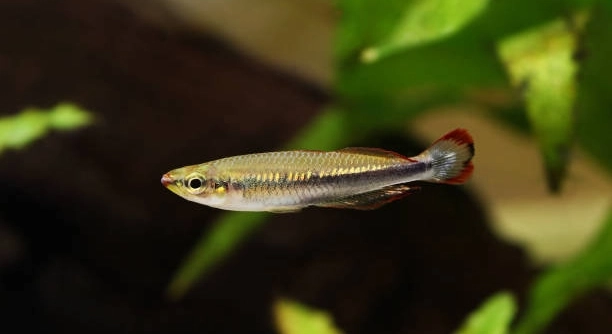
Rainbowfish are colorful freshwater fish admired for their shimmering scales and active behavior. Many aquarists enjoy keeping them in community tanks, as they add vibrancy and movement, creating a lively atmosphere that brightens any aquarium setting.
Rainbowfish generally coexist well with other peaceful fish species. They thrive in groups and show minimal aggression when paired with similarly sized, non-aggressive tank mates. Proper tank size, hiding spaces, and compatible companions are essential for maintaining harmony in their environment.
Understanding their social needs and tank dynamics is essential. Proper planning ensures rainbowfish remain healthy, calm, and visually captivating in a community aquarium setting.
Understanding Rainbowfish Behavior
Rainbowfish are naturally social creatures that enjoy being in groups of six or more. Their behavior is generally peaceful, but they can become slightly territorial if the tank is too small or overcrowded. Males often display brighter colors when establishing dominance, which can lead to minor chasing but rarely serious aggression. Observing these interactions helps you understand their social structure and ensures all fish have enough space. Proper tank layout is key, including open swimming areas and scattered plants for hiding spots. Providing a balanced diet also reduces stress, as well-fed rainbowfish are calmer and less likely to compete aggressively. Pairing them with other non-aggressive fish of similar size promotes a harmonious environment. Maintaining stable water conditions, including consistent temperature and pH, supports their health. Stress can amplify irritability, making them less tolerant of tank mates. A well-maintained tank encourages natural schooling, vibrant colors, and active swimming, creating a visually pleasing and balanced aquarium.
Proper observation can prevent problems before they escalate. Watch interactions closely, especially when introducing new fish.
Planning the tank carefully makes all the difference. Stocking compatible species, arranging plants, and providing adequate space ensures rainbowfish thrive alongside others. Avoid overcrowding to minimize stress and aggression. Regular water changes keep conditions stable, reducing health risks. Selecting tank mates with similar temperaments prevents constant chasing or hiding, allowing all fish to display natural behaviors. Rainbowfish enjoy swimming in the mid to upper levels of the tank, so companions occupying different zones often coexist peacefully. Lighting and substrate choices also affect mood and coloration, enhancing the aquarium’s appeal. Feeding routines matter as well; providing a mix of flakes, pellets, and occasional live food keeps them healthy. By observing behaviors and adjusting as needed, conflicts remain minimal. A calm, structured environment allows rainbowfish to flourish and maintain their lively, social nature. Proper planning and care create a harmonious, visually appealing aquarium for everyone.
Choosing Compatible Tank Mates
Peaceful, similarly sized fish are ideal companions for rainbowfish. Avoid aggressive species that may intimidate or stress them.
Compatible species include tetras, danios, and some gouramis, which occupy similar areas in the tank. Choosing fish with comparable water requirements reduces health issues and promotes a stable environment. Observing initial interactions helps detect minor conflicts before they become significant. Introducing new tank mates gradually allows rainbowfish to adjust without excessive stress. Mixing species with different activity levels adds balance, ensuring the aquarium feels lively but not chaotic. Maintaining the correct number of rainbowfish in a school prevents loneliness and reduces the chance of dominance disputes. Keeping water conditions consistent supports all inhabitants. Combining these strategies results in a peaceful, visually diverse tank where rainbowfish and other fish can coexist comfortably.
Selecting the right companions is only part of maintaining harmony. Tank size, structure, and maintenance are equally important. A minimum 30-gallon tank is recommended for small schools, providing swimming space and plant coverage. Larger tanks allow more diverse communities, reducing competition for territory. Avoid placing rainbowfish with overly aggressive or fin-nipping species that can cause injury. Observation is key during introductions; separate fish if conflicts persist. Regular monitoring of water parameters—temperature, pH, and cleanliness—ensures a stable environment, which reduces stress-related behaviors. Plant arrangements and décor create zones for hiding and exploring, giving each species a sense of security. Feeding routines should accommodate all fish, preventing competition and ensuring balanced nutrition. By combining careful species selection, thoughtful tank design, and consistent care, rainbowfish can live peacefully with others, displaying their vibrant colors and natural schooling behavior while maintaining a healthy, balanced aquarium.
Tank Setup for Rainbowfish
A spacious tank with open swimming areas and plants for hiding ensures rainbowfish feel secure. Decorations should allow movement while offering spots for retreat when needed. Proper filtration and stable water conditions are essential for their health.
Providing a balanced tank layout prevents territorial disputes. Rainbowfish thrive in mid-to-upper tank levels, so placing plants and décor strategically allows companions to occupy different zones. Open areas promote schooling behavior, while hiding spots reduce stress during brief skirmishes. Substrate choice and gentle lighting contribute to comfort, allowing colors to shine naturally. Filtration must maintain clean water without strong currents, as excessive flow can exhaust fish. Temperature stability and regular monitoring prevent illness. Observing fish behavior regularly helps identify early signs of discomfort or aggression, allowing quick adjustments to the tank environment to maintain harmony.
Feeding also impacts tank dynamics. Offering a mix of flakes, pellets, and occasional live food keeps rainbowfish healthy. Distributing food evenly reduces competition, preventing dominant individuals from monopolizing resources. Observing how fish feed together can highlight potential stress points. Keeping the tank clean and organized supports both health and social balance. Regular partial water changes help maintain stable conditions. By designing the tank thoughtfully, rainbowfish and their companions can coexist comfortably, displaying vibrant colors and active schooling behavior. This structured environment enhances their natural tendencies and promotes long-term well-being.
Common Compatibility Issues
Aggression can occur if rainbowfish are stressed, overcrowded, or housed with incompatible species. Minor chasing is normal but should be monitored carefully.
Overcrowding is a frequent issue in community tanks, causing stress and heightened aggression. Dominant males may chase subordinates excessively, and slow or timid fish can be bullied. Aggressive or fin-nipping species create additional problems, potentially injuring rainbowfish. Differences in water requirements also lead to stress and illness, as rainbowfish are sensitive to unstable conditions. Careful planning of tank mates and proper stocking levels prevents most conflicts. Observing behavior during feeding and daily activities helps detect issues early, allowing interventions such as rearranging décor or separating fish if necessary. Maintaining stable water parameters reduces tension and supports a peaceful environment.
Regular observation and quick adjustments are essential. Minor disputes can escalate without intervention, and stress impacts health and color vibrancy. Identifying incompatible species early prevents injuries and long-term stress. Adjusting tank layout, providing extra hiding spots, and spacing out feeding reduces competition. Maintaining proper water conditions ensures all species remain healthy and less prone to conflict. Gradual introductions of new fish give rainbowfish time to adjust, minimizing aggressive behavior. By monitoring interactions and responding promptly, the tank remains harmonious, allowing rainbowfish to display natural schooling patterns and vibrant colors. Proper management creates a balanced environment where all inhabitants thrive comfortably.
Ideal Water Conditions
Rainbowfish thrive in clean, slightly alkaline water with a temperature between 74°F and 78°F. Consistent conditions reduce stress and support vibrant colors. Proper filtration and regular partial water changes maintain water quality effectively.
pH levels should remain stable around 7.0 to 8.0. Sudden fluctuations can lead to stress or illness. Testing water weekly helps catch issues early, ensuring all tank inhabitants remain healthy and active.
Feeding Practices
Rainbowfish benefit from a varied diet including flakes, pellets, and occasional live foods. A balanced diet supports growth, color, and overall health. Feeding small amounts multiple times a day prevents overfeeding and maintains clean water.
Monitoring Health
Regularly observing rainbowfish for signs of stress or disease is crucial. Look for changes in behavior, appetite, or coloration. Early detection allows prompt intervention, preventing serious health problems and maintaining harmony within the tank.
Adjusting Tank Companions
If aggression or stress occurs, consider rearranging tank mates or providing additional hiding spots. Careful adjustments help rainbowfish coexist peacefully and maintain a balanced, vibrant aquarium environment.
How many rainbowfish should be kept together?
Rainbowfish are schooling fish and feel most comfortable in groups. Keeping at least six together reduces stress and prevents aggressive behavior, particularly among males. Smaller groups may lead to shyness, hiding, or minor aggression. Larger schools create a more natural social dynamic and allow them to display their colors fully. Proper group size also supports active swimming patterns, which is essential for both their physical health and visual appeal in the tank. Observing interactions helps ensure the group remains balanced, and adjusting numbers slightly can improve harmony if minor conflicts appear.
Can rainbowfish live with aggressive species?
Rainbowfish generally do not do well with aggressive or fin-nipping fish. Species that chase or attack them can cause stress, injuries, and even illness over time. Peaceful tank mates of similar size are preferred to maintain a calm environment. Aggressive fish may dominate the swimming space or outcompete rainbowfish for food, which can reduce their vibrant colors and activity levels. If aggression is observed, separating the species or redesigning the tank with hiding spots is necessary. Choosing compatible species and monitoring behavior regularly ensures rainbowfish thrive in a secure, harmonious aquarium.
What types of fish are best for rainbowfish companions?
Ideal companions are peaceful species that occupy different areas of the tank. Tetras, danios, and some gouramis are suitable choices. These fish have similar water requirements and temperament, reducing stress for rainbowfish. Bottom-dwelling species like Corydoras catfish can coexist well, as they occupy different levels. Avoid very small or slow-moving fish that may be targeted during minor chasing, and steer clear of large, aggressive species that could dominate the tank. Careful selection ensures rainbowfish can swim freely and display natural behaviors without constant threats or interruptions.
How often should rainbowfish be fed?
Rainbowfish benefit from frequent, small meals throughout the day. Feeding two to three times daily prevents overfeeding and maintains water quality. A varied diet is essential, including high-quality flakes, pellets, and occasional live or frozen foods like brine shrimp or daphnia. Consistent feeding schedules support healthy growth, vibrant coloration, and active schooling behavior. Observing feeding patterns allows you to detect any health issues early, such as reduced appetite, which could indicate stress or illness. Balanced nutrition directly contributes to their longevity and well-being in a community tank.
How can I reduce aggression in a rainbowfish tank?
Aggression is often linked to overcrowding, insufficient hiding spots, or incompatible tank mates. Providing a spacious tank with open swimming areas and plenty of plants for retreat helps. Maintaining proper group sizes, particularly with multiple males, reduces dominance disputes. Rearranging décor periodically can disrupt established territories and reduce chasing. Consistent water quality, a stable temperature, and proper feeding routines also play a role. Observing interactions daily allows early identification of stress or aggression, and minor adjustments can prevent escalation. Creating a balanced environment ensures rainbowfish coexist peacefully while maintaining natural behaviors.
Are rainbowfish compatible with small or delicate species?
Small or delicate fish may be at risk when housed with rainbowfish, especially if they are slow-moving or occupy similar swimming areas. Rainbowfish are generally peaceful but may chase smaller fish during schooling or minor territorial displays. To prevent stress or injury, choose companions that are quick, similarly sized, or occupy different tank zones. Monitoring behavior when introducing new fish is critical. Providing ample hiding spots allows smaller or timid species to retreat safely, maintaining a calm environment for all inhabitants. Proper planning ensures harmony and reduces the likelihood of conflicts or injuries.
How can tank setup influence rainbowfish behavior?
Tank design greatly affects rainbowfish interactions. Open swimming areas allow schooling behavior, while plants and decorations provide hiding spots and break line-of-sight to reduce stress. Uneven territories or overcrowding can trigger aggression, so spacing décor strategically is important. Substrate and lighting choices also impact comfort and coloration. Proper filtration ensures clean water without strong currents that could exhaust fish. Observing how rainbowfish navigate the environment reveals potential stress points, allowing adjustments. A thoughtfully arranged tank encourages peaceful coexistence, active movement, and vibrant display, supporting both their physical health and natural social behavior.
What signs indicate rainbowfish are stressed or unhappy?
Stress can be observed through erratic swimming, hiding, loss of color, or reduced appetite. Aggressive chasing or constant retreating are warning signs. Water quality issues, overcrowding, or incompatible tank mates often contribute. Identifying stress early allows timely interventions, such as improving tank conditions, adjusting companions, or increasing hiding areas. Healthy rainbowfish are active, display bright colors, and interact comfortably with their group. Regular observation ensures problems are detected before they escalate into illness or injury, maintaining a balanced, vibrant community tank.
Can rainbowfish live with bottom-dwelling fish?
Rainbowfish coexist well with bottom dwellers like Corydoras or small loaches. These species occupy different tank levels, reducing conflicts. Bottom-dwelling companions help maintain a balanced ecosystem by consuming leftover food, which improves water quality. Careful selection of compatible species ensures all inhabitants can thrive without stress or competition. Providing adequate space, hiding spots, and regular monitoring ensures peaceful interactions between mid-level swimmers and bottom dwellers, promoting harmony and healthy behavior throughout the tank.
How important is water quality for rainbowfish compatibility?
Stable water conditions are critical. Rainbowfish are sensitive to pH fluctuations, temperature changes, and poor filtration. Poor water quality increases stress, triggers aggression, and makes fish more susceptible to disease. Maintaining clean water with regular partial changes and proper filtration supports peaceful coexistence and vibrant coloration. Consistent monitoring of parameters ensures the environment remains safe for rainbowfish and their companions, directly influencing compatibility and long-term health. Stable water conditions are the foundation of a balanced, harmonious aquarium.
How do I introduce new fish to a rainbowfish tank?
Introduce new fish gradually to minimize stress and potential aggression. Quarantine newcomers beforehand to prevent disease transmission. Float them in the tank initially to adjust temperature, then release carefully. Rearranging décor before introduction can reduce established territorial behavior. Monitor interactions closely, especially in the first few days. Separating fish temporarily may be necessary if conflicts arise. Gradual introduction allows rainbowfish to acclimate and helps maintain harmony, ensuring new and existing fish coexist peacefully while displaying natural behaviors and maintaining vibrant colors.
What is the best way to maintain harmony long-term?
Maintaining harmony requires attention to tank size, stocking levels, compatible species, and water quality. Regular observation, thoughtful décor placement, and proper feeding routines reduce stress and aggression. Gradual adjustments when introducing new fish or making changes to the environment help prevent conflicts. Consistency and proactive care support natural behavior, vibrant colors, and long-term health for rainbowfish and their companions. A balanced, well-maintained aquarium allows all fish to coexist comfortably and thrive in a peaceful, visually appealing setting.
Rainbowfish are generally peaceful and social, making them suitable for many community aquariums. Their natural schooling behavior encourages harmony when they are kept in appropriately sized groups, typically six or more. Observing their interactions and understanding their tendencies helps create a stable environment where minor displays of dominance or chasing remain minimal. Providing sufficient swimming space and hiding spots is key, as it reduces stress and prevents conflicts. Properly maintained water conditions, including temperature, pH, and cleanliness, support their health and allow them to coexist with other compatible fish species. Choosing companions with similar temperaments and sizes further promotes balance in the tank. By understanding their natural behavior, aquarists can create an environment where rainbowfish remain active, colorful, and calm, which enhances both the aesthetic and ecological balance of the aquarium.
Feeding practices also play an important role in maintaining a peaceful tank. Rainbowfish thrive on a varied diet, including high-quality flakes, pellets, and occasional live or frozen foods such as brine shrimp or daphnia. Feeding small amounts multiple times a day prevents overfeeding and competition during mealtime. Observing how the fish feed together can reveal signs of stress or discomfort early, allowing adjustments to diet or distribution of food. Ensuring all fish receive adequate nutrition keeps them healthy, maintains vibrant coloration, and reduces tension in the tank. A balanced feeding routine, combined with proper tank maintenance and careful selection of tank mates, allows rainbowfish to display natural schooling behavior without unnecessary stress or aggression. Thoughtful planning in these areas makes it easier to maintain a harmonious and visually appealing aquarium over the long term.
Long-term care requires consistent observation and proactive adjustments. Regular monitoring of water quality, fish behavior, and tank dynamics is essential to prevent problems before they escalate. Providing a balanced tank with adequate space, compatible companions, and varied décor supports the natural behaviors of rainbowfish. Introducing new fish gradually and monitoring interactions ensures harmony is maintained. When minor disputes occur, rearranging decorations or adding hiding spots can help reduce aggression. By focusing on these practical aspects, rainbowfish can thrive in a community tank without issues, displaying their vibrant colors and active nature. Maintaining this balance allows all fish to live comfortably while creating a visually pleasing, healthy, and well-functioning aquarium environment.

Hello,
If you enjoy the content that we create, please consider saying a "Thank You!" by leaving a tip.
Every little bit helps us continue crafting quality advice that supports the health, happiness, and well-being of pets around the world, for pets of all shapes, sizes, and species.
We really appreciate the kindness and support that you show us!