
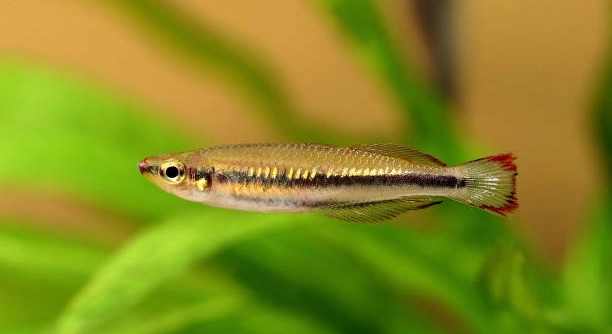
Have you ever noticed your rainbowfish becoming quiet and distant in the aquarium, leaving you unsure about what changed and hoping to understand what might be affecting their social daily behavior in their shared space.
Rainbowfish often stop interacting due to environmental stress, inconsistent water parameters, inadequate group sizes, or health concerns. These factors disrupt their natural schooling instincts and reduce comfort levels, leading to withdrawn behavior when aquarium conditions do not support their needs.
Understanding changes in their behavior offers insight that supports healthier social patterns and helps maintain overall stability within your aquarium.
Common Reasons for Reduced Interaction
Rainbowfish can become less social when their environment starts to feel unstable or uncomfortable, and this can show up in ways that seem subtle at first. Changes in water quality, inconsistent temperatures, or limited swimming space can slowly influence how they interact with others in the tank. When these conditions shift, they may begin to stay near corners or move around less. Group dynamics also matter since rainbowfish rely on companionship for comfort, and small or mismatched groups can make them feel unsettled. Diet plays a role too, since poor nutrition affects their energy and confidence in social settings. Even small disruptions like loud noises or constant movement near the tank can make them more cautious. Over time, these combined factors reduce their desire to participate in schooling behavior, which causes them to seem withdrawn. Paying attention to these details helps you understand why their behavior shifts in subtle ways.
These changes build up gradually, making your rainbowfish behave in ways that look quiet or distant compared to their usual activity. When the tank no longer feels stable, they hold back from social behavior, and this shift becomes easier to notice once you understand how sensitive they are to routine.
Addressing reduced interaction starts with observing their surroundings closely and noticing details that may affect their comfort. Simple adjustments often lead to meaningful improvements. Providing open swimming areas, maintaining steady water conditions, and offering a balanced diet give them a sense of security. Keeping them in an appropriate group size also helps restore natural schooling patterns. When they feel at ease, their colors brighten and their movements look smoother, which shows they are becoming more engaged again. Consistent care encourages them to interact with one another, allowing you to see them return to their usual active behavior in the tank.
How to Encourage Social Behavior
Supporting healthy social behavior begins with keeping their environment predictable and calm. Regular maintenance, gentle lighting, and a balanced diet help them feel steady throughout the day. Once they sense stability, interactions increase naturally, and their movements become more confident within the group as they adjust to consistent care daily.
Creating a supportive environment for rainbowfish requires attention to several simple factors that shape how comfortable they feel in the tank. Water quality should remain stable, with regular testing helping you respond to small changes before they influence behavior. A spacious layout with open swimming areas gives them room to move together without feeling crowded. Placing plants along the edges rather than the center keeps the main area clear while still providing comfort. Balanced feeding routines support their energy and help maintain steady activity levels. Keeping them in an appropriate group ensures they can express natural patterns, since rainbowfish feel more confident when surrounded by others of their kind. Avoiding sudden noises or repeated tapping on the glass reduces stress, allowing them to stay relaxed throughout the day. Consistent lighting schedules also matter, because shifting brightness can make them unsettled. When all of these elements come together, their behavior often becomes more interactive and lively, showing that the environment supports their natural instincts. Over time, these efforts create a space where they feel secure, active, and willing to participate in group movement that reflects their typical behavior.
Environmental Factors That Influence Behavior
Water quality problems can change how rainbowfish behave, especially when levels shift too quickly. Even slight inconsistencies make them hold back from group activity. Stable conditions give them confidence, and keeping these details consistent helps reduce stress so they remain active within their usual social patterns each day.
Maintaining a healthy tank starts by checking temperature, pH, and ammonia levels regularly. Rainbowfish react quickly when something feels off, and these small changes build up if not corrected. A steady routine helps them feel secure, and clear water supports their energy levels. Adding gentle filtration, avoiding sudden adjustments, and performing routine water changes keep everything stable. Plants around the edges of the tank offer comfort without blocking their space. When the environment remains predictable, they respond with smoother movement, brighter colors, and more interest in their group. This balance encourages interactions that show they feel settled and safe.
Limited swimming space can weaken their natural schooling patterns. These fish need open areas to move together without feeling restricted. When the tank is too crowded or cluttered, they reduce interaction and retreat to quieter spots. Removing unnecessary decorations, widening open areas, and keeping pathways clear encourages them to swim confidently and engage more with others.
Social Structure and Group Dynamics
Group size influences how secure rainbowfish feel in the tank, and small groups often make them hesitant to interact. Keeping them with several of their own kind supports their natural behavior. When they sense a stable group around them, they participate more and stay active throughout the day.
Establishing balance within the group helps maintain steady interaction. Rainbowfish thrive when surrounded by others that move at a similar pace, so mixing species with different activity levels may cause them to withdraw. Keeping a consistent feeding schedule encourages shared movement, which strengthens their comfort within the group. Avoiding sudden changes, like rearranging the tank too often, prevents stress that disrupts their patterns. When their environment remains predictable and their group feels familiar, they express their natural tendency to move together. Over time, you begin to notice smoother swimming, brighter coloring, and a confident rhythm that shows they feel settled and supported in their space.
Environmental Factors That Influence Behavior
Stress from sudden activity around the tank can make rainbowfish withdraw from their group and reduce their usual movement. Loud sounds or repeated tapping can interrupt their sense of safety. Keeping the environment calm helps them remain steady and encourages more natural interaction throughout the day in their space daily.
Changes in lighting can influence how confident rainbowfish feel while swimming with others. Bright shifts or inconsistent schedules make them cautious. Maintaining a steady pattern helps them recognize their surroundings easily. With predictable lighting they show smoother movement and participate more in their usual group activity within the tank daily.
Health Considerations
Health concerns also influence how actively rainbowfish interact in their group. When they feel unwell their movements slow and they stay near calmer areas of the tank. Early signs often include reduced appetite faded color or less interest in swimming with others. Checking for small injuries parasites or infections helps you respond before the issue worsens. Clean water and proper filtration support their recovery and balanced feeding maintains their strength. When their health improves they regain energy and begin swimming more confidently showing signs that they feel safer and more comfortable within their environment as they settle back into routine.
Feeding and Activity Levels
Feeding habits can affect their interest in group activity especially when meals are irregular or limited. Consistent feeding keeps their energy steady and prevents competition that may cause stress. Offering small portions across the day supports smoother movement and encourages them to remain active within their natural group patterns daily.
FAQ
Why do my rainbowfish stay in one corner of the tank?
Rainbowfish often retreat to corners when something in their environment feels unstable. Even small changes in temperature, pH, or water movement can make them cautious. When they sense that the space near the surface or center does not feel steady, they move toward edges where they feel protected. This behavior can also happen when the tank is too bright or when sudden shadows pass over them. Improving water stability, reducing strong currents, and keeping lighting consistent helps them return to open areas where they feel safe enough to interact with their group again.
Why do my rainbowfish separate from the group instead of schooling?
Schooling depends on comfort and security, and when rainbowfish feel stressed, their instinct to stay together becomes weaker. Stress sometimes comes from overcrowding, recent rearrangements, loud sounds in the room, or poor water quality. When these fish sense pressure or discomfort, they create distance to cope with the change. Stable conditions and regular routines support their confidence, and adjusting the tank layout to provide clear swimming areas helps them rejoin their group. When the tank feels balanced, they begin moving together with smoother patterns, showing they feel more relaxed.
Why do my rainbowfish ignore each other after a water change?
Water changes often shift the tank’s equilibrium, even when done gently. Differences in temperature, mineral levels, or flow create a temporary adjustment period that influences their behavior. During this time they may act guarded or quiet. Preparing replacement water carefully and ensuring it matches the tank conditions makes the transition easier. Slow pouring, gentle stirring, and steady routines reduce stress. Once the conditions stabilize again, rainbowfish adjust to the restored environment and resume their usual interactions within a short period.
Why do my rainbowfish become shy after adding new fish?
Introducing new fish changes group structure and energy in the tank, and rainbowfish respond by observing before interacting. When they sense unfamiliar movement or smell, they take time to adjust. If the new additions are more active or territorial, rainbowfish may initially pull away from the group. Matching species with similar behavior patterns and adding them in appropriate numbers helps reduce this tension. Over time they become comfortable with the new presence and begin interacting normally again as the group dynamic settles.
What makes rainbowfish lose color along with reduced interaction?
Color fading often appears when rainbowfish feel stressed, unwell, or uncomfortable in their surroundings. Poor water quality, inconsistent feeding, or early health issues can make their colors appear dull. When they feel weakened, they participate less in group activity and conserve energy. Stable conditions and balanced feeding support brighter coloring. Clean water and gentle lighting also help them express their natural tones again. As their health and comfort improve, they regain confidence, and their colors become stronger while their behavior becomes more active.
Are aggressive tankmates causing rainbowfish to interact less?
Aggressive species can intimidate rainbowfish, making them hide or separate from the group. Fast-chasing fish, nippers, or territorial species disrupt their natural rhythm. When rainbowfish feel threatened, they choose quieter areas of the tank and limit their movement. Watching the interactions closely helps you notice signs of stress. Offering more hiding spots around the edges or rearranging the layout sometimes reduces tension. If the issue continues, separating incompatible species helps restore calm behavior. When they no longer feel pressured, rainbowfish show smoother swimming and resume their usual confidence.
Why do rainbowfish act less social when the tank lights turn on?
Sudden lighting can startle them and interrupt their sense of security. Bright lights make them cautious, especially if the room is dark beforehand. Gradual lighting changes or softer illumination help them transition comfortably. When they sense a steady pattern, they settle into their routine and interact more confidently. Keeping a consistent schedule prevents stress and supports natural behavior.
How long does it take for rainbowfish to become social again after stress?
Recovery depends on the cause of the stress and how quickly the environment stabilizes. When conditions improve, they often begin interacting again within a few days. Consistent care, calm surroundings, and predictable feeding schedules encourage steady progress. As they feel more secure, their movements become smoother, and their interest in the group increases. Over time, they return to their usual patterns, showing brighter colors and more active group behavior that reflects their comfort.
Final Thoughts
Caring for rainbowfish becomes easier when you understand how their surroundings shape their behavior each day. These fish respond strongly to balance and stability, and even the smallest changes can influence how they interact with one another. When the tank feels steady, they show bright colors, smooth swimming, and comfortable group patterns that reveal how at ease they are in their space. Paying attention to details like water quality, lighting, noise, layout, and feeding helps you notice subtle shifts before they grow into larger concerns. As you spend more time observing them, their behavior becomes clearer, and you start recognizing what keeps them active, calm, and socially engaged. When you focus on creating an environment where they feel safe, their confidence grows and their natural interactions become easier to see. This approach not only helps them thrive but also makes caring for them feel more meaningful and steady.
Small improvements often make a big difference in how rainbowfish behave. A clean tank with predictable routines supports their sense of security, and this stability encourages them to move confidently with their group. When they trust their surroundings, they settle into patterns that feel natural to them. Keeping an eye on changes in appetite, color, or swimming speed helps you notice early signs of stress or discomfort. Adjusting conditions gently keeps everything balanced and prevents sudden disruptions that might interrupt their social habits. Rainbowfish do best when each part of their environment works together, from the softness of the lighting to the open space where they can swim freely. When you give them room to express themselves, they respond with liveliness and smoother interactions that show how closely their behavior connects to their surroundings. Over time, these small steps create a space where they continue to feel stable and supported in ways that match their natural instincts.
Being consistent with your care helps maintain long lasting social behavior that reflects their comfort within the tank. Patterns matter deeply to rainbowfish, and steady routines help them feel safe enough to stay active with their group. When they sense stability, they participate more fully in schooling, feeding, and daily movement. These habits give you a clear picture of their well being and show how closely their interactions depend on the environment you create. The more you learn about what affects their behavior, the easier it becomes to make choices that support their comfort. In time, you begin to understand how small changes influence their overall behavior and how returning to steady care helps them reconnect with their group. This creates a calm atmosphere where their natural patterns continue to grow stronger and more consistent.

Hello,
If you enjoy the content that we create, please consider saying a "Thank You!" by leaving a tip.
Every little bit helps us continue crafting quality advice that supports the health, happiness, and well-being of pets around the world, for pets of all shapes, sizes, and species.
We really appreciate the kindness and support that you show us!