
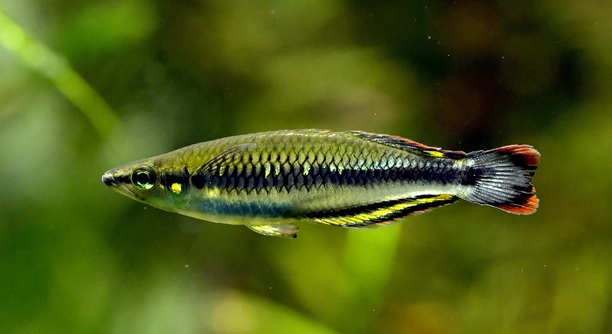
Rainbowfish are known for their vibrant colors and active nature, making them a delightful addition to any home aquarium. Observing them swim gracefully can bring a sense of calm and enjoyment to your daily routine.
Rainbowfish can experience fear from sudden loud noises, rapid movements in the tank, aggressive tankmates, poor water quality, drastic temperature changes, inconsistent lighting, and overcrowded conditions. Each of these factors can negatively impact their health and behavior.
Being aware of these triggers helps you create a safer and more comfortable environment for your rainbowfish to thrive in.
Loud Noises
Sudden loud noises can startle rainbowfish, causing them to dart around the tank or hide. Sounds from slamming doors, music at high volume, or tapping on the glass can stress them. These fish are sensitive to vibrations, and repeated exposure can weaken their immune system. Keeping their environment calm is essential. By minimizing loud sounds near the aquarium, you can help your rainbowfish remain relaxed and maintain their natural swimming patterns. Gentle background noise, like soft household sounds, usually does not disturb them. Observing their reactions to various sounds helps you understand which noises may be harmful. Over time, your fish can become accustomed to regular low-level household sounds, but sudden peaks should be avoided. Creating a peaceful environment is crucial for both their physical and behavioral health, allowing them to display their vibrant colors and social behaviors fully. A stable and quiet atmosphere helps them thrive.
Frequent loud noises can lead to long-term stress and health issues in rainbowfish. Reducing disturbances keeps them calmer.
Maintaining a quiet space around the aquarium ensures that rainbowfish feel secure. They are more likely to interact, feed normally, and swim confidently. Watching them comfortably explore their tank is rewarding, and you can prevent unnecessary panic and hiding behaviors. Simple adjustments, like placing the tank away from doors or areas with heavy activity, make a noticeable difference in their wellbeing.
Aggressive Tankmates
Introducing aggressive fish can make rainbowfish fearful. Their peaceful nature makes them vulnerable to nipping or chasing from more dominant species. Stress from aggressive neighbors can reduce feeding, cause hiding, and even lead to injuries. Choosing compatible tankmates is crucial.
Rainbowfish thrive best with other peaceful species. Avoid aggressive or fin-nipping fish to ensure harmony in the tank.
When selecting tankmates, focus on size, temperament, and activity levels. Fish that are larger or more aggressive can intimidate rainbowfish, disrupting social structures and causing chronic stress. Observing interactions during feeding times can reveal tension early. Providing plenty of hiding spots and visual barriers can reduce encounters and allow rainbowfish to escape if threatened. Grouping rainbowfish together also helps them feel secure and reduces anxiety. Maintaining balanced water conditions and providing a spacious tank further supports their wellbeing, helping prevent stress-related illnesses. Thoughtful planning ensures a peaceful, colorful aquarium where rainbowfish can flourish alongside compatible companions.
Poor Water Quality
Dirty or unbalanced water can stress rainbowfish and make them prone to disease. High ammonia, nitrite, or nitrate levels can irritate their gills and reduce oxygen availability. Maintaining clean, stable water is essential for their health and comfort.
Regular water testing is vital to ensure a healthy environment. Partial water changes help remove waste and keep chemical levels balanced. Using a reliable filter and avoiding overfeeding can prevent sudden spikes in harmful substances. Rainbowfish are sensitive to even small changes, so gradual adjustments in water parameters are necessary. Temperature, pH, and hardness should remain consistent to avoid stress. Observing your fish daily for signs of discomfort, such as gasping or hiding, helps detect problems early. Clean water supports bright colors, active swimming, and overall well-being.
Providing an environment with stable water conditions allows rainbowfish to thrive. Consistency in maintenance and monitoring reduces stress, promotes growth, and ensures a long, healthy life. Proper care also encourages natural behavior and social interaction among tankmates.
Drastic Temperature Changes
Rainbowfish are sensitive to sudden shifts in water temperature. Rapid heating or cooling can shock their system and affect their metabolism. Maintaining a stable temperature is essential for their comfort and survival.
Using a reliable heater and thermometer helps prevent dangerous fluctuations. Sudden temperature changes can cause stress, weaken the immune system, and trigger illness. Keep the tank away from drafts, sunlight, and heat sources that may cause spikes. Gradual adjustments are important when making changes to their environment. Monitoring water temperature daily ensures stability. Rainbowfish are more active and display vibrant colors when their tank remains consistent. They can adapt to minor seasonal changes, but sudden swings are harmful. Planning ahead during room temperature variations keeps them safe. Ensuring proper insulation and using timers for equipment can maintain a steady environment. This attention to temperature supports feeding behavior, social interaction, and overall vitality.
Inconsistent Lighting
Rainbowfish are sensitive to changes in light. Sudden bright lights or prolonged darkness can stress them, affecting behavior and color. Maintaining a consistent light schedule supports their natural rhythm and overall well-being.
Using a timer for aquarium lighting ensures stability. Avoid frequent changes in brightness, which can cause hiding or erratic swimming.
Overcrowded Tank
Too many fish in a tank increases competition for space, food, and oxygen. Overcrowding causes stress, aggression, and poor water quality, negatively impacting rainbowfish health. A properly stocked tank allows them to swim freely and interact naturally.
Rapid Movements Around the Tank
Quick movements near the aquarium can frighten rainbowfish. They react by hiding or swimming frantically, which can cause stress and exhaustion if frequent.
FAQ
How can I tell if my rainbowfish is stressed?
Signs of stress in rainbowfish include hiding frequently, loss of appetite, dull coloration, and erratic swimming. They may also cling to corners or the bottom of the tank. Observing changes in normal behavior helps detect stress early, allowing adjustments to improve their environment.
What is the best water temperature for rainbowfish?
Rainbowfish prefer a stable temperature between 74°F and 82°F. Sudden fluctuations can cause stress and illness. Using a reliable heater and thermometer helps maintain consistent water conditions. Gradual adjustments are important if you need to change the temperature.
How often should I change the water?
Partial water changes of 20-30% once a week are ideal. This helps remove waste, maintain chemical balance, and prevent buildup of harmful substances. Avoid changing too much at once, as sudden shifts in water conditions can stress the fish.
Which tankmates are safe for rainbowfish?
Peaceful species of similar size are ideal companions. Avoid aggressive or fin-nipping fish, as they can intimidate rainbowfish. Providing hiding spots and grouping rainbowfish together enhances security and reduces stress. Observing interactions during feeding times can identify potential problems early.
Can loud noises affect rainbowfish?
Yes, loud or sudden noises can startle them, causing erratic swimming or hiding. Consistently loud environments may weaken their immune system. Placing the tank in a quieter area and avoiding tapping on the glass helps maintain calm and natural behavior.
How do I prevent water quality issues?
Regular testing of ammonia, nitrite, nitrate, and pH is essential. Using a reliable filter, avoiding overfeeding, and performing scheduled partial water changes keeps water clean. Clean water promotes vibrant colors, active swimming, and overall health.
What should I do if my rainbowfish is hiding constantly?
Check for environmental stressors like aggressive tankmates, poor water quality, or sudden temperature changes. Ensure the tank is spacious, clean, and has hiding places. Reducing disturbances and maintaining stable conditions encourages them to explore naturally.
How do I handle temperature fluctuations?
Keep the aquarium away from drafts, sunlight, and heating sources. Gradually adjust temperature using a heater if needed. Monitoring daily ensures stability. Stable temperatures support feeding, social interaction, and long-term health.
Does lighting affect rainbowfish behavior?
Yes, inconsistent or sudden changes in lighting can stress them. Using a timer maintains a stable day-night cycle. Avoid prolonged darkness or abrupt brightness, which can lead to hiding or erratic swimming. Consistent lighting supports natural behavior and coloration.
How can I reduce stress in rainbowfish overall?
Maintain stable water parameters, consistent lighting, compatible tankmates, and minimal disturbances. Regular observation of behavior and gradual environmental adjustments ensure a calm, healthy habitat. A peaceful tank encourages swimming, social interaction, and vibrant coloration, allowing rainbowfish to thrive comfortably.
Are overcrowded tanks harmful?
Yes, too many fish increase competition for space, oxygen, and food, which leads to stress, aggression, and poor health. A properly stocked tank ensures rainbowfish can swim freely and display natural behaviors, improving overall well-being.
What should I avoid near the tank?
Avoid tapping on the glass, loud music, or rapid movements nearby. Sudden disturbances startle rainbowfish, causing hiding, frantic swimming, and long-term stress. A calm surrounding environment helps maintain consistent behavior and health.
Can rainbowfish get used to household noises?
Minor, consistent background sounds usually do not bother them. However, sudden, loud noises can still cause stress. Observing reactions helps determine which sounds are safe. Gradual exposure to low-level household sounds allows adaptation without harm.
How often should I monitor my rainbowfish?
Daily observation is recommended. Watch swimming patterns, feeding behavior, coloration, and interaction with tankmates. Early detection of stress or illness allows prompt action to prevent long-term health problems. Regular monitoring supports a thriving aquarium.
Do hiding spots help reduce stress?
Yes, providing plants, rocks, and decorations creates secure areas. Hiding spots allow rainbowfish to escape perceived threats, reducing stress, promoting natural behavior, and supporting overall health. Proper placement encourages exploration while providing safety when needed.
Rainbowfish are beautiful and lively additions to a home aquarium, but they are sensitive creatures that respond quickly to changes in their environment. Maintaining a calm, stable tank is essential for their health and comfort. Simple actions like keeping consistent water temperature, monitoring water quality, and providing a peaceful environment can make a noticeable difference in their behavior and overall wellbeing. By understanding the factors that can frighten them, you can prevent unnecessary stress and create a setting where they feel secure and active. Observing how your rainbowfish react to daily events helps you recognize signs of distress early, which allows for timely adjustments to their care routine.
Providing proper tankmates, consistent lighting, and adequate space is equally important. Rainbowfish thrive in groups with peaceful companions and plenty of room to swim. Aggressive fish or overcrowding can lead to constant stress, which weakens their immune system and reduces lifespan. Gradual introductions of new tankmates and thoughtful planning of the tank setup ensures a harmonious environment. Including hiding spots and plants not only adds visual appeal but also gives your rainbowfish areas to retreat when they feel nervous. Regular maintenance, such as partial water changes and cleaning, keeps the tank healthy and supports their natural behavior. By prioritizing these elements, you can watch your rainbowfish display their vibrant colors and playful movements without fear.
Attention to small details can greatly enhance the experience of keeping rainbowfish. Avoiding loud noises, sudden movements, and rapid environmental changes helps them feel safe and secure. Consistent observation and gradual adjustments to their environment foster trust and encourage natural behaviors. Over time, rainbowfish will adapt well to a carefully managed aquarium, allowing you to enjoy their activity and beauty fully. A mindful approach to their care ensures that they remain healthy, active, and stress-free, providing a rewarding experience for both the fish and their keeper. Creating a stable, thoughtful habitat is the key to seeing rainbowfish thrive and flourish in your home.

Hello,
If you enjoy the content that we create, please consider saying a "Thank You!" by leaving a tip.
Every little bit helps us continue crafting quality advice that supports the health, happiness, and well-being of pets around the world, for pets of all shapes, sizes, and species.
We really appreciate the kindness and support that you show us!