Why Your Fish Might Be Skimming the Surface

Are your fish spending more time at the surface than usual, gently nibbling at the air above? Observing this behavior can be worrying, especially if it seems constant. Many fish owners notice this pattern unexpectedly. Fish often skim the water surface due to low oxygen levels, poor water quality, or feeding habits. Monitoring tank conditions, … Read more
7 Signs Your Rainbowfish Is Aging Gracefully

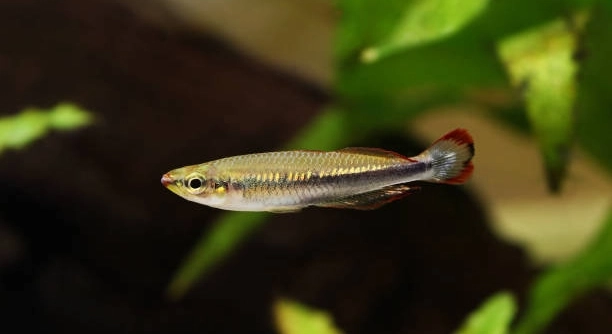
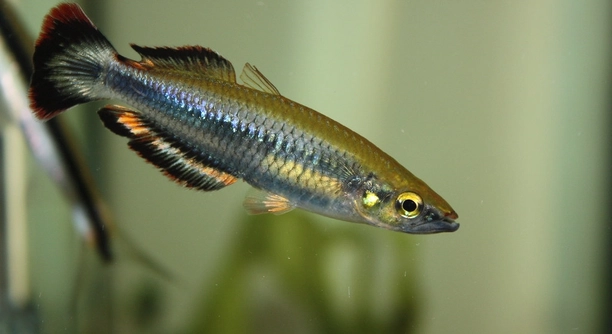
Have you ever noticed your rainbowfish swimming calmly in the tank, its colors slightly changing as time passes? Observing them over the months can show subtle shifts in behavior and appearance that signal natural aging. Rainbowfish display aging gracefully through gradual changes in coloration, slower but deliberate movements, consistent appetite, healthy fin condition, regular breathing, … Read more

How Do Rainbowfish Choose Where to Rest?

Have you ever noticed rainbowfish settling into calm spots as lights dim, showing gentle colors and slow movements that signal rest, safety, and comfort within their aquatic surroundings during quiet evening hours in kept aquariums. Rainbowfish choose resting locations based on reduced water flow, stable lighting, and nearby shelter. These conditions minimize stress, conserve energy, … Read more

7 Signs You Need a Larger Tank

Caring for aquatic pets often starts with good intentions, yet space limitations can quietly affect daily routines, water quality, and overall comfort, making it important to recognize when an upgrade may be necessary over time. A larger tank is required when stocking density exceeds biological capacity, resulting in chronic stress, unstable water parameters, restricted movement, … Read more

7 Tank Features Rainbowfish Instantly Love

Are you setting up a new aquarium and want your rainbowfish to feel comfortable right away? Creating the right environment can make a significant difference in how your fish settle and thrive in their tank. Rainbowfish are naturally drawn to tanks that provide ample swimming space, stable water conditions, hiding spots, varied plants, gentle lighting, … Read more

Can Rainbowfish Feel Lonely in a Group?

Have you ever watched a group of rainbowfish swimming together and wondered how they interact with one another in their shared environment? These small, colorful fish often move in harmony, creating a lively display of motion and color. Rainbowfish can experience forms of social stress or isolation even within a group setting. Studies indicate that … Read more

Can Rainbowfish Feel Confined in Small Tanks?

Rainbowfish are popular choices for home aquariums because of their bright colors and lively behavior. Many people enjoy watching them swim, but their comfort in smaller tanks can sometimes go unnoticed. Owners often want the best for their fish. Rainbowfish can experience stress and discomfort in small tanks due to limited swimming space and environmental … Read more

7 Easy Ways to Make a Tank Feel Bigger

Are your fish tank or aquarium feeling cramped despite careful arrangement of plants and decorations? Many aquarium owners struggle with making their tanks feel open and spacious, even when they have a modest number of fish and ornaments. Creating the illusion of a larger tank involves strategic placement of decorations, use of background colors, proper … Read more

Why Rainbowfish Might Refuse to Eat Alone

Have you ever noticed your rainbowfish hesitating before eating? Many aquarists observe that these colorful fish often prefer company during mealtime, staying close to others in their tank for reassurance and safety. Rainbowfish may refuse to eat alone due to their natural schooling instincts. In the wild, they rely on group behavior for protection and … Read more

What Causes Random Darting in Rainbowfish?

Do you ever notice your rainbowfish suddenly darting across the tank without warning? These quick movements can seem alarming, but they are often part of the fish’s natural behavior and reactions to their environment and companions. Random darting in rainbowfish is typically caused by stress, sudden environmental changes, or the presence of other fish. These … Read more