
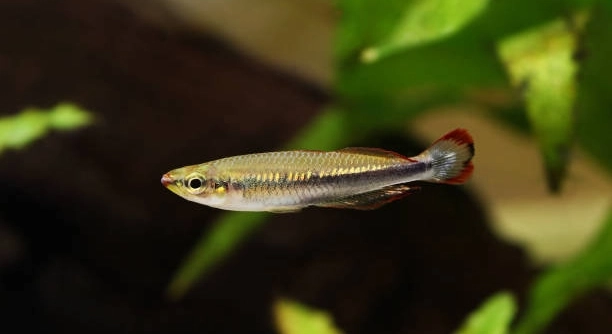
Have you ever noticed your rainbowfish swimming calmly in the tank, its colors slightly changing as time passes? Observing them over the months can show subtle shifts in behavior and appearance that signal natural aging.
Rainbowfish display aging gracefully through gradual changes in coloration, slower but deliberate movements, consistent appetite, healthy fin condition, regular breathing, minimal stress behaviors, and maintained social interactions within the tank environment. Monitoring these signs ensures long-term welfare.
Recognizing these subtle signs helps you provide the best care for your rainbowfish and appreciate its life stages more fully.
Subtle Changes in Color
As rainbowfish age, their colors can shift in ways that are not dramatic but noticeable over time. Some may develop deeper shades along their fins or a slight fading of their original vibrant tones. These changes are a natural part of the aging process and often indicate good health rather than illness. Observing the tank regularly can help you distinguish between normal color shifts and signs of stress or disease. Younger fish may have brighter, more uniform colors, while older fish often show subtle gradients that reflect their age. These color variations can also be influenced by diet, water quality, and lighting. Feeding a balanced diet rich in nutrients can help maintain the richness of their hues, while stable water parameters reduce the risk of stress-induced fading. Over time, you will notice that these color changes happen slowly and gradually, giving you a chance to appreciate the natural aging of your rainbowfish without panic or intervention.
Fading or deepening colors over time are normal signs of aging and usually indicate that your rainbowfish is healthy.
Monitoring these color changes provides insight into your fish’s condition and helps ensure the tank environment supports its continued wellbeing. Observing subtle variations gives clues about diet adequacy, water stability, and overall comfort. By paying attention to these signs, you can adjust care routines, such as adding more nutrient-rich foods or maintaining consistent lighting. Gradual color changes differ from sudden fading caused by illness or stress, allowing you to respond appropriately. Older rainbowfish with richer fin tones often appear more elegant and balanced in movement. Recognizing this as a sign of natural aging allows you to appreciate their development while maintaining proper tank care. Understanding these shifts also promotes a closer connection with your fish, making daily observation more rewarding and meaningful. Tracking colors over months provides reassurance that your rainbowfish is aging gracefully and thriving in a stable environment.
Slower, Deliberate Movements
Older rainbowfish tend to swim more slowly, choosing deliberate movements instead of quick bursts. This reduced activity is a sign of natural aging rather than poor health.
Slower swimming helps the fish conserve energy while still exploring the tank.
Watching these changes can show that your rainbowfish is adjusting naturally with age. Older fish often move with purpose, gently gliding through plants or along the substrate. They still participate in social behaviors but may avoid sudden chases or fast reactions that younger fish engage in. This change in activity level is typical and indicates that the fish is maintaining its strength and stamina in a measured way. Ensuring the tank has areas to rest, open swimming space, and proper hiding spots supports this calm behavior. Tank companions generally adapt to these slower movements, reducing conflicts and stress. By observing these patterns, you can better understand the aging process and maintain an environment that matches the fish’s changing energy levels. Regular monitoring of swimming habits alongside other health indicators ensures your rainbowfish remains comfortable and active in a balanced way.
Healthy Appetite
Older rainbowfish usually maintain a steady appetite, eating at a regular pace without sudden disinterest in food. This consistency is a strong indicator of overall health and natural aging.
Consistent feeding patterns show that your rainbowfish is adapting well to its environment. Even as they age, they continue to respond to meals with interest, often swimming toward food when it is offered. Maintaining a balanced diet with occasional variety keeps them active and supports coloration and energy levels. Sudden changes in eating habits, however, can signal stress or illness, so observing consistent interest in food is reassuring. Feeding small amounts multiple times a day also helps prevent overfeeding and keeps digestion healthy. By tracking feeding behavior over time, you can notice subtle declines or improvements that reflect your fish’s comfort and vitality in the tank.
A balanced diet and steady eating routine ensure your rainbowfish remains strong, vibrant, and energetic despite its advancing age. Proper nutrition supports immune function, fin strength, and coloration.
Fin Condition
Fins remain intact and show minimal fraying or tearing as a rainbowfish ages gracefully. Strong, smooth fins indicate good health.
Healthy fins are flexible and free from irregularities, showing the fish’s ability to swim efficiently. Observing fin shape and movement provides insight into muscle tone and overall well-being. Regular water changes and gentle tank conditions prevent damage, while careful handling and minimal stress help maintain fin integrity. Older fish with well-maintained fins demonstrate resilience and adaptation, highlighting the importance of consistent care. Environmental enrichment like plants and hiding spots also reduces stress, keeping fins intact. This attention to detail ensures your rainbowfish ages without unnecessary wear or injury. Maintaining clean water, avoiding aggressive tankmates, and providing adequate space contribute significantly to long-term fin health.
Strong fins not only support graceful swimming but also reflect the fish’s immune strength, stress levels, and aging process. Monitoring fin condition over time helps detect early signs of potential issues, allowing you to adjust care routines promptly. Proper filtration, low-stress tank placement, and a nutrient-rich diet are essential. Over time, these practices prevent fin deterioration and maintain the elegance and mobility of your rainbowfish. By focusing on fin health, you ensure both aesthetic appeal and functional ability, which are vital for a fish that is aging naturally. Observing these aspects regularly fosters a closer awareness of your rainbowfish’s well-being and longevity.
Regular Breathing
Older rainbowfish usually breathe at a steady, calm pace without rapid gill movements. This indicates that their respiratory system is functioning well and that stress levels are low.
Consistent, smooth breathing also reflects water quality and overall tank conditions. Any sudden change may signal environmental issues or health concerns that need attention.
Minimal Stress Behaviors
Rainbowfish that age gracefully rarely show signs of aggression, hiding excessively, or erratic swimming. They maintain calm interactions with tank mates, indicating comfort and adaptation.
Observing their behavior over time helps ensure the environment supports their natural aging, with stable water, proper diet, and suitable tank companions.
Maintained Social Interactions
Older rainbowfish continue engaging with their tank mates, swimming in groups or responding to movements naturally. These social behaviors reflect mental and physical well-being, as isolation or withdrawal can indicate stress or illness. Consistent social interaction shows that they are comfortable and adjusting well to age-related changes.
Bright Eyes
Clear, bright eyes in aging rainbowfish are a strong indicator of health. Dull or cloudy eyes may signal underlying issues, while maintained clarity reflects good care and proper nutrition.
How can I tell if my rainbowfish is aging gracefully?
You can recognize aging in rainbowfish by observing several key indicators. Look for subtle color changes, slower but steady swimming, consistent appetite, healthy fins, regular breathing, maintained social interactions, and bright eyes. These signs combined suggest your fish is adjusting naturally to age without health problems. Monitoring your rainbowfish over time helps you notice gradual changes. Older fish often show slightly deeper fin colors or mild fading, but their movements remain controlled, and they still respond to food and companions. Consistency in behavior, appetite, and fin condition is more telling than sudden shifts, which usually indicate stress or illness.
What diet supports a rainbowfish as it ages?
A balanced diet is crucial to help rainbowfish maintain their vitality with age. Include high-quality flakes or pellets as a staple, supplemented with live or frozen foods like brine shrimp, daphnia, or bloodworms. Occasional vegetable matter such as blanched spinach or spirulina-rich flakes supports color and digestion. Feed smaller amounts several times a day instead of one large meal to prevent overfeeding and maintain steady energy. Older fish may eat slightly less than younger ones, but a consistent routine ensures they receive all necessary nutrients. Proper nutrition not only supports coloration but also strengthens the immune system, fin integrity, and overall activity levels.
How important is water quality for aging rainbowfish?
Water quality is one of the most critical factors for aging rainbowfish. Stable temperature, regular water changes, and proper filtration reduce stress and prevent disease. Aging fish are less resilient to sudden changes, so keeping ammonia, nitrite, and nitrate levels low is essential. Maintain a pH within the recommended range, and avoid large swings in temperature, which can disrupt metabolism. Monitoring water parameters regularly allows you to spot problems early and adjust accordingly. Adding live plants can help with natural filtration and create hiding spots, promoting a calm environment. Clear, clean water supports breathing, fin health, and overall longevity, helping your rainbowfish age gracefully.
How often should I monitor my rainbowfish’s health?
Daily observation is ideal for detecting subtle changes in behavior or appearance. Watch for changes in swimming speed, appetite, or interactions with tank mates. Weekly checks of water parameters and fin condition complement daily observations. Keeping a brief log of feeding habits, fin appearance, and social behaviors can help you notice gradual aging trends and detect potential issues early. Regular attention allows for timely intervention if any unusual symptoms appear, ensuring a healthier aging process. These habits foster a stable, comfortable environment where older rainbowfish can continue thriving.
Can aging rainbowfish still be social with younger tank mates?
Yes, older rainbowfish often remain social if their environment supports calm interactions. They may move more slowly or avoid chasing younger fish aggressively, but they usually participate in schooling and respond to tankmate movements. Observing these social behaviors provides insight into mental well-being. Ensuring plenty of space and hiding spots minimizes stress and allows older fish to engage comfortably. Gradual adaptation to age-related energy changes helps maintain harmony in the tank, and most rainbowfish continue enjoying group dynamics well into later stages of life.
What signs indicate that my rainbowfish might be unwell rather than just aging?
Indicators of illness include sudden loss of appetite, rapid or labored breathing, torn fins, dull coloration, cloudy eyes, or withdrawal from tankmates. Unlike gradual aging, these changes appear quickly and often affect multiple behaviors simultaneously. Maintaining consistent monitoring, water quality, and diet helps distinguish natural aging from potential health problems. Quick intervention and consultation with an experienced aquarist or veterinarian can prevent worsening conditions and ensure the fish’s comfort. Detecting these signs early makes treatment more effective and supports the fish’s continued well-being.
Are there ways to make aging more comfortable for my rainbowfish?
Providing a stable, low-stress environment is key. Include plants, hiding spaces, and open swimming areas to allow natural behavior. Maintain consistent feeding routines, water quality, and gentle handling. Avoid aggressive tankmates that may stress older fish, and keep the tank well-maintained with regular water changes. These adjustments support comfort, reduce risk of injury, and allow rainbowfish to maintain healthy activity and social behaviors even as they age. A calm, predictable environment encourages graceful aging and preserves both physical and mental health.
Can I still enjoy my rainbowfish’s colors as it ages?
Yes, while colors may shift slightly, proper diet and tank care help maintain vibrancy. Balanced nutrition, stable water, and gentle lighting enhance natural hues, while gradual changes in coloration are normal and often add subtle beauty. Observing these changes over time can make watching your fish a rewarding experience, as aging brings unique patterns and depth to their appearance. Maintaining consistent care ensures your rainbowfish remains visually appealing while thriving naturally.
How long can rainbowfish live under optimal care?
Rainbowfish lifespan varies by species, but with proper care, many live 5 to 8 years, and some even longer. Consistent monitoring of diet, water quality, and social environment supports longevity. Aging gracefully depends on proactive maintenance and attention to subtle signs of well-being. Proper tank setup, nutrition, and calm interactions ensure your rainbowfish reaches its full lifespan while remaining healthy and active. Observing the natural stages of life adds appreciation for each year your fish spends in your care.
Are there common mistakes to avoid with aging rainbowfish?
Avoid sudden changes in diet, water parameters, or tank setup, as older fish are less adaptable. Overcrowding, aggressive tankmates, or inconsistent feeding can increase stress. Neglecting fin care, water quality, or hiding spaces may accelerate decline. Regular observation, gentle adjustments, and careful planning prevent unnecessary problems, allowing your rainbowfish to age naturally and comfortably. Gradual transitions in tank conditions and attentive maintenance make a significant difference in their well-being and longevity.
Caring for rainbowfish as they age requires attention to detail, patience, and consistency. Observing subtle changes in their appearance and behavior is one of the most effective ways to ensure they are aging gracefully. Over time, their colors may shift slightly, fins may become more delicate, and movements may slow, but these are often natural signs of aging rather than problems. By keeping track of these changes, you can distinguish between normal development and signs of stress or illness. Regular monitoring of swimming patterns, appetite, and social interactions provides a clear picture of their overall health and well-being. Maintaining a clean, stable environment with proper filtration, temperature control, and regular water changes supports both physical and mental health. Small adjustments, like providing hiding spaces or gentle tankmates, can make a noticeable difference in reducing stress and promoting comfort.
Nutrition also plays a major role in supporting rainbowfish as they age. A balanced diet that combines high-quality flakes or pellets with live or frozen foods ensures that they receive the vitamins and minerals needed to maintain energy, coloration, and immune function. Including occasional vegetable matter helps support digestion and overall health, while feeding smaller amounts multiple times a day prevents overeating and maintains steady energy levels. Even as older rainbowfish may eat slightly less than younger ones, a consistent feeding routine is crucial. Careful attention to diet works alongside water quality to sustain fin health, body condition, and vitality. Watching how your rainbowfish responds to food can also reveal subtle changes in health. Maintaining this combination of proper nutrition and environmental stability is one of the most reliable ways to ensure a long, healthy life for your fish.
Finally, observing rainbowfish in their later years can be a rewarding experience. Gradual changes in color, movement, and behavior allow you to appreciate the natural aging process and the individuality of each fish. While they may slow down or change appearance, their consistent social interactions, steady appetite, and clear eyes indicate that they are adjusting naturally to age. Providing a calm, predictable environment with proper care ensures that they remain comfortable, healthy, and active throughout their life. Understanding and recognizing the signs of graceful aging allows you to give your rainbowfish the best possible care, helping them thrive even as they grow older. Consistency in feeding, water quality, and gentle handling creates an environment where older rainbowfish can continue enjoying their daily routines, swimming with ease, and interacting with tankmates. This steady care supports both their physical health and overall happiness, allowing you to observe and appreciate the subtle beauty and personality of your rainbowfish over time.

Hello,
If you enjoy the content that we create, please consider saying a "Thank You!" by leaving a tip.
Every little bit helps us continue crafting quality advice that supports the health, happiness, and well-being of pets around the world, for pets of all shapes, sizes, and species.
We really appreciate the kindness and support that you show us!