
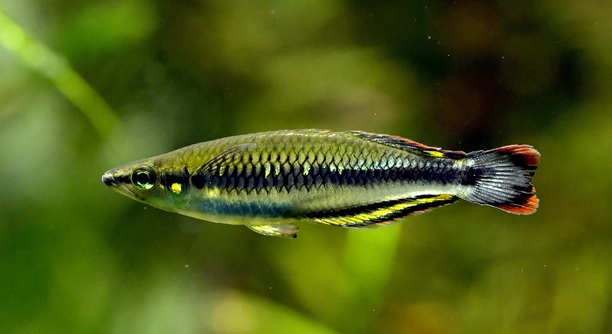
Have you ever noticed your rainbowfish hesitating before eating? Many aquarists observe that these colorful fish often prefer company during mealtime, staying close to others in their tank for reassurance and safety.
Rainbowfish may refuse to eat alone due to their natural schooling instincts. In the wild, they rely on group behavior for protection and comfort, making solitary feeding stressful. Providing companions encourages regular eating and reduces anxiety.
Observing their social habits can help ensure your rainbowfish stay healthy and comfortable in their aquarium environment.
Understanding Rainbowfish Social Behavior
Rainbowfish are naturally social creatures that thrive in groups. In an aquarium, they often mimic their wild instincts, staying close to others for security and comfort. When placed alone, these fish may feel stressed, which can lead to a refusal to eat. Observing their interactions, it becomes clear that they prefer synchronized movements and group activity. Schooling helps them feel safe and reduces vulnerability. Even in small tanks, having multiple rainbowfish allows them to maintain their natural behavior patterns. Fish that are isolated may hide, swim erratically, or show less interest in food. Stress can affect their digestion and overall health, making regular feeding a challenge. Providing a group environment is key to keeping them active and healthy. Over time, their eating habits improve once they feel secure with companions. Adjusting tank size, adding plants, and ensuring proper hiding spaces can enhance this sense of safety, encouraging consistent feeding routines.
Rainbowfish display calmer and more confident behavior when kept in groups, which directly influences their willingness to eat.
Feeding rainbowfish in a social setting can create a more predictable routine. When multiple fish eat together, each individual feels less threatened, leading to less competition and more consistent feeding. Observing them, it’s noticeable that shy individuals often wait until others start eating, using their behavior as a signal that it’s safe. Tank decorations and plants can support this behavior by offering shelter and visual boundaries, reducing stress for more timid fish. Timing is also important; feeding at the same times daily reinforces their sense of security. Over time, rainbowfish learn to associate group activity with mealtime, improving overall appetite and health. Neglecting these social needs can result in slower growth and weaker immunity. Ensuring proper nutrition and a supportive environment promotes both physical and mental well-being. Group feeding also makes it easier for aquarists to monitor eating habits and detect potential health issues early, creating a healthier tank dynamic overall.
Creating a Comfortable Feeding Environment
Providing the right tank setup encourages rainbowfish to eat regularly.
Tank design significantly impacts their feeding habits. Plants, hiding spots, and gentle lighting create a stress-free environment. Avoid overcrowding, as too many fish can increase competition, making some individuals reluctant to eat. Introducing companions gradually helps them adjust and feel secure. Feeding smaller amounts more frequently ensures that all fish have access to food without feeling threatened. The placement of food matters too; floating or sinking foods cater to different species within the tank. Temperature and water quality also play roles in appetite and digestion. Maintaining stable conditions reduces stress and encourages natural feeding behavior. Observing how rainbowfish interact with their surroundings allows adjustments that support comfort and security. By combining proper tank setup, social grouping, and consistent feeding routines, rainbowfish are more likely to eat regularly and maintain healthy growth. The effort invested in creating a stable environment directly benefits their overall well-being.
Feeding Techniques That Encourage Group Eating
Feeding rainbowfish together helps reduce stress and encourages consistent eating. Using small portions ensures all fish have access, preventing dominant fish from blocking timid ones. Timing and placement of food are important for creating a predictable routine.
Offering food slowly and in small amounts allows shy rainbowfish to join without feeling rushed. Observing their response, it’s easier to adjust feeding methods. Floating flakes work well for surface feeders, while sinking pellets suit mid- and bottom-level fish. Rotating food types maintains interest and supports balanced nutrition. Using tongs or a feeding ring can control distribution, preventing overeating and minimizing waste. Timing feeds consistently reinforces group behavior, making the fish more comfortable during mealtime. Over time, these methods create a calmer, more synchronized feeding environment that benefits all individuals, particularly those prone to stress when alone.
Group feeding also improves monitoring of fish health. By watching how each rainbowfish eats, it’s easier to spot changes in appetite or behavior. Fish that consistently eat less may indicate illness or stress. Adjusting tank conditions, water parameters, and feeding methods can resolve these issues early. Encouraging all fish to feed together reduces the risk of malnutrition for more timid individuals. Over time, regular observation during group feeding supports long-term health and allows for quick intervention if problems arise. Maintaining a consistent routine benefits both their physical and social well-being, ensuring a stable and harmonious aquarium environment.
Choosing the Right Tank Mates
Tank mates can influence rainbowfish feeding behavior. Peaceful, non-aggressive species create a calm environment, reducing stress and encouraging eating. Avoid overly competitive fish that may intimidate them.
Selecting compatible companions ensures rainbowfish remain confident during meals. Species that share similar swimming levels and temperament integrate more smoothly, minimizing bullying or chasing. Fast-moving or aggressive fish can disrupt feeding, causing shy rainbowfish to hide or refuse food. Observing interactions before introducing new tank mates helps assess compatibility. Providing enough space, plants, and hiding areas reduces competition and stress, allowing all fish to eat comfortably. Gradually introducing new companions and monitoring group dynamics supports healthy feeding routines. Compatible tank mates not only encourage eating but also promote natural schooling behavior, making the tank more balanced and peaceful for all fish.
Adjusting Feeding Schedules
Consistent feeding times help rainbowfish feel secure and reduce stress. Predictable routines encourage shy individuals to join the group without hesitation. Overfeeding should be avoided to prevent competition and maintain water quality.
Feeding smaller portions multiple times a day keeps all fish engaged. Sudden changes in timing or quantity can make rainbowfish wary, especially those that are more timid. Establishing a routine gradually improves overall appetite and group cohesion. Observing their behavior during feeds allows adjustments that support both nutrition and comfort. Regular schedules also make it easier to monitor individual health, ensuring no fish goes unnoticed or underfed.
Observing Behavioral Cues
Rainbowfish give clear signals when stressed or uncomfortable. Hesitation, hiding, or staying at the bottom of the tank often indicates anxiety during feeding.
Watching interactions during mealtime reveals group dynamics. Dominant fish may push others away, while shy fish wait until the area feels safe. Adjusting food placement, providing hiding spots, and introducing companions gradually can reduce tension. Noticing these cues early helps maintain healthy eating habits and prevents prolonged stress. Maintaining a calm, structured environment encourages all rainbowfish to feed regularly and confidently.
Using Feeding Tools
Feeding rings or tongs help control food distribution and reduce competition. This ensures shy rainbowfish can access meals safely.
Monitoring Water Quality
Clean water directly impacts appetite and overall health. Poor conditions increase stress, reducing feeding activity. Maintaining proper filtration, regular water changes, and stable temperature supports healthy eating and vibrant behavior.
Why do my rainbowfish refuse to eat when alone?
Rainbowfish are naturally schooling fish that rely on group behavior for safety and comfort. When isolated, they may feel stressed or vulnerable, which can reduce appetite. Providing companions helps them feel secure and encourages regular feeding, allowing timid individuals to eat without fear.
How many rainbowfish should I keep together?
Keeping at least six rainbowfish together is recommended. Small groups may still feel stressed, while larger groups maintain natural schooling behavior. Proper group size promotes confidence during feeding and helps reduce aggression, creating a stable social environment for all fish.
Can tank size affect their willingness to eat?
Yes. A cramped tank increases stress and competition during mealtime. Providing enough space for swimming, hiding spots, and plants allows rainbowfish to feel safe. A spacious tank encourages natural schooling, reduces stress, and improves appetite for all individuals.
What types of food do rainbowfish prefer in a group?
Rainbowfish eat a mix of flakes, pellets, and frozen or live foods. Offering a variety ensures balanced nutrition and keeps them engaged during meals. Floating flakes are ideal for surface feeders, while sinking pellets reach mid- and bottom-level fish. Variety also stimulates appetite and reduces boredom.
How can I encourage shy rainbowfish to eat?
Feed smaller portions slowly and use tools like feeding rings or tongs to control distribution. Providing hiding spots allows timid fish to eat safely without feeling threatened. Gradually introducing new fish and keeping a consistent schedule also helps shy individuals build confidence over time.
Does water quality affect feeding behavior?
Absolutely. Poor water conditions increase stress and reduce appetite. Maintaining stable temperature, clean water, and proper filtration is essential. Regular water changes prevent toxins from building up, helping rainbowfish feel comfortable and more willing to eat consistently in a group setting.
Can tank mates influence feeding habits?
Yes. Peaceful, compatible tank mates create a calm environment, reducing competition and stress. Aggressive or fast-moving species may intimidate rainbowfish, causing them to hide or refuse food. Choosing companions with similar temperament and swimming levels supports natural schooling and encourages regular group feeding.
Is it normal for some rainbowfish to eat slower than others?
Yes. Individual differences are common. Dominant fish may eat first, while shy ones wait until the area feels safe. Observing group dynamics and using small, frequent portions ensures that all fish, including slower eaters, get proper nutrition without conflict.
How often should I feed my rainbowfish?
Feeding small portions two to three times daily works best. Frequent, controlled meals reduce competition, support steady growth, and maintain water quality. Consistent timing also reinforces group behavior, helping all rainbowfish feel secure and willing to eat together.
What signs indicate a rainbowfish is stressed or unhealthy?
Hesitation to eat, hiding, erratic swimming, and faded colors are common signs of stress or illness. Observing these behaviors early allows adjustments to feeding methods, tank conditions, or social dynamics. Addressing issues promptly ensures healthier fish and more consistent eating habits.
Can decorations and plants help with feeding?
Yes. Plants and hiding spots reduce stress and provide security for timid fish. They allow rainbowfish to approach food gradually, minimizing intimidation from dominant individuals. Proper tank setup encourages natural behavior and supports healthier, more confident eating patterns in the group.
Should I change feeding methods if fish refuse food?
Adjusting feeding methods can help. Using tongs, feeding rings, or distributing food in smaller portions allows shy fish to access meals. Observing their response and making gradual changes ensures minimal stress while maintaining a consistent feeding routine.
How long does it take for rainbowfish to feel comfortable eating in a group?
It varies by individual and tank conditions. Some adapt within days, while others may take weeks. Consistent group feeding, proper tank setup, and supportive companions accelerate the process, helping all fish eat regularly and confidently over time.
Can temperature fluctuations affect appetite?
Yes. Rainbowfish prefer stable, moderate temperatures. Sudden changes can stress them, leading to reduced appetite. Maintaining consistent water temperature and monitoring conditions supports regular feeding and overall health.
Is it normal for rainbowfish to ignore food sometimes?
Occasional refusal is normal, especially during stress, illness, or water changes. Regular monitoring, maintaining stable conditions, and observing social dynamics help identify causes and ensure fish return to regular feeding patterns quickly.
This FAQ covers common concerns about rainbowfish feeding behavior, group dynamics, tank setup, and environmental factors, providing practical guidance for healthier, more confident fish.
Rainbowfish are unique in the way they approach feeding. Unlike some fish that will eat alone without hesitation, rainbowfish rely heavily on social behavior to feel safe. In their natural habitat, they move in schools, which provides protection and reduces stress. This instinct carries over to the aquarium, making it important to consider group dynamics when planning their care. Isolated rainbowfish may hide, swim anxiously, or avoid food entirely, which can lead to health issues over time. Keeping them in groups not only supports their natural behavior but also encourages regular eating. Observing how they interact during mealtime reveals a lot about their comfort level and overall well-being. Even small adjustments, such as adding companions or creating more hiding spots, can make a significant difference in their behavior and willingness to eat.
The environment within the tank also plays a crucial role in feeding habits. A tank that is overcrowded or lacks structure can increase stress and prevent timid fish from eating. Providing enough space for swimming, along with plants or decorations for shelter, helps create a sense of security. Water quality and temperature are equally important, as poor conditions can affect appetite and stress levels. Consistency is key—feeding at the same times each day, offering small portions, and using tools like feeding rings can help shy or hesitant fish gradually feel more confident. Tank mates should be chosen carefully, focusing on peaceful, compatible species that do not intimidate rainbowfish. Over time, a well-structured tank with a calm social environment supports regular eating and healthier, more active fish.
Feeding rainbowfish in a supportive, group-oriented setting requires attention to detail but is rewarding. Watching a group of rainbowfish eat together can be a clear sign of their comfort and security. Maintaining proper care routines, observing behavior, and making small adjustments when needed ensures that all individuals receive the nutrition they require. By understanding their social nature and providing a stable environment, it is possible to reduce stress, encourage consistent eating, and promote overall health. The effort put into creating this balanced environment benefits both the fish and the aquarist, making daily care smoother and more predictable. Over time, these small steps contribute to a thriving aquarium where rainbowfish feel safe, confident, and ready to eat regularly.

Hello,
If you enjoy the content that we create, please consider saying a "Thank You!" by leaving a tip.
Every little bit helps us continue crafting quality advice that supports the health, happiness, and well-being of pets around the world, for pets of all shapes, sizes, and species.
We really appreciate the kindness and support that you show us!