
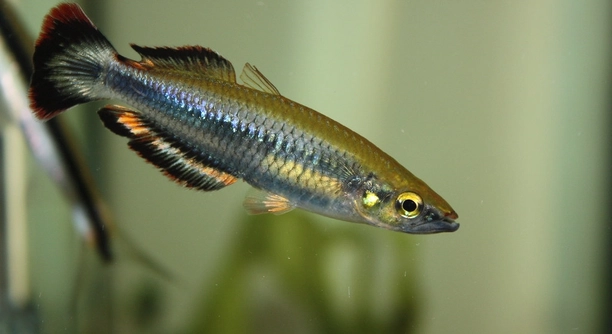
Have you ever noticed rainbowfish settling into calm spots as lights dim, showing gentle colors and slow movements that signal rest, safety, and comfort within their aquatic surroundings during quiet evening hours in kept aquariums.
Rainbowfish choose resting locations based on reduced water flow, stable lighting, and nearby shelter. These conditions minimize stress, conserve energy, and lower predation risk, allowing physiological recovery while maintaining group cohesion within familiar territories during inactive periods each day cycle.
Resting behavior reveals how environment, lighting, and social comfort shape daily rhythms, influencing health, coloration, and long term stability overall.
Environmental Factors That Shape Resting Spots
Rainbowfish rely heavily on their surroundings when selecting a resting place. Areas with gentle water movement help them remain steady without constant swimming. Plants, driftwood, and rocks provide visual cover that reduces stress. Dim lighting signals safety and supports natural rhythms. Consistent temperature also matters, since sudden changes can disrupt rest. In my own tanks, calmer corners are always preferred. These spaces allow fish to hover comfortably while staying alert. Open areas are rarely chosen for rest because exposure increases tension. A balanced environment gives rainbowfish confidence to relax. When these elements work together, resting becomes predictable and healthy. Over time, fish return to the same locations each evening. This routine supports energy conservation and overall well being. Stable surroundings also reduce aggressive encounters during low activity periods. Proper placement of decor shapes these habits quietly and effectively for balanced aquarium maintenance over long periods and consistent daily care practices.
Resting spots often remain consistent once chosen. Fish feel secure returning to familiar areas nightly. Changes in layout or lighting can disrupt this pattern. Maintaining stability helps rainbowfish settle faster and rest longer. Small adjustments should be gradual to protect their sense of comfort within a calm aquarium setting overall.
Physical structure is not the only influence on rest. Rainbowfish also respond to daily light cycles and feeding schedules. Regular timing helps their bodies anticipate downtime. When lights fade slowly, fish transition smoothly into rest. Sudden darkness often leads to brief agitation. I have noticed calmer behavior when lighting is predictable. Feeding earlier allows digestion before inactivity. This reduces unnecessary movement later. Consistency across days reinforces rest habits. Over time, fish appear more relaxed and evenly colored. These small routines quietly support long term vitality in both home and display aquariums by improving stability, health, and overall behavioral balance daily.
Social Comfort Within the Shoal
Rainbowfish are social and rarely rest alone. Group presence offers reassurance and shared awareness. Fish align loosely while resting, maintaining personal space. This balance lowers stress without causing conflict. When numbers are adequate, resting becomes calmer and more organized within the aquarium environment during quiet evening hours each day cycle.
Group dynamics strongly influence where rainbowfish choose to settle. Dominant individuals usually claim preferred shelter first, while others position nearby. This creates clusters rather than single resting points. Adequate space prevents tension during these moments. When tanks are overcrowded, rest becomes scattered and shallow. I have seen calmer nights after adjusting stocking levels. Visual contact remains important, even during rest. Fish avoid complete isolation. Background activity, such as gentle filtration, offers reassurance. Loud vibrations or sudden movement nearby can interrupt rest. Positioning tanks away from heavy traffic supports consistency. Plants that sway slightly help mask external motion. Over time, groups establish predictable formations. These patterns reflect trust within the shoal. Providing multiple sheltered zones prevents competition. Each fish can settle without pressure. This balance improves coloration, appetite, and daily behavior. A thoughtful setup supports natural rest without constant intervention from the keeper while maintaining stability across different lighting conditions and seasonal changes. Long term observation helps refine placement of decor and plant density. Minor adjustments can restore harmony if behavior shifts. Patience allows fish to adapt naturally over time, reinforcing secure resting habits that support health, longevity, and overall aquarium balance without added stress or disruption to daily care routines.
Lighting and Daily Cycles
I have noticed rainbowfish respond strongly to lighting changes during rest periods. Soft transitions help them slow down naturally. Bright or sudden light keeps them alert. Stable lighting schedules support predictable rest behavior and reduce stress during evening hours within the aquarium environment for long term balance and comfort daily.
Light cycles influence internal rhythms that guide when rainbowfish settle. Gradual dimming signals safety and encourages hovering near shelter. When lighting is inconsistent, rest becomes fragmented and brief. I adjust timers slowly after maintenance to avoid disruption. Natural style lighting mimics sunrise and sunset, which supports calm behavior. Darkness should never arrive abruptly. Even low level ambient light can help orientation without causing activity. Over time, fish associate certain light levels with rest. This conditioning reduces skittish movement. Consistent lighting also supports coloration stability and immune health, which improves overall resilience in captive environments and supports long term wellbeing overall.
Placement of lights also affects where rest occurs. Overhead glare pushes fish toward shaded corners. Even coverage allows flexible resting choices. I prefer floating plants to diffuse brightness naturally. They create soft patterns that feel secure. Without cover, fish press close to the substrate or glass. This posture signals discomfort. Balanced lighting encourages mid water resting, which is more natural. Equipment lights should be minimized at night. Small indicators can interrupt rest cycles. Adjusting these details improves nightly calm. Over weeks, fish appear steadier and less reactive during quiet periods with better color and appetite stability over extended time frames.
Tank Layout and Shelter Availability
Resting locations depend heavily on shelter placement. Dense plants, wood, and rocks break sight lines and reduce tension. I arrange decor to create multiple calm zones. When shelter is limited, fish compete subtly. This raises alertness during rest. Spreading cover evenly allows peaceful settling. Open swimming areas remain important but are rarely chosen for rest. Balance between open space and cover supports relaxed behavior nightly and reduces stress related movement overall within the aquarium setup.
Vertical structure matters as much as horizontal layout. Rainbowfish often rest mid level when given the option. Tall plants and angled wood provide this support. I avoid flat, bare designs that force bottom resting. Depth variety offers choice and reduces crowding. Shelter near gentle flow is preferred. Strong currents are avoided during rest. Positioning filters to create calm pockets helps. Visual barriers also limit sudden startle responses. Fish remain aware without constant motion. Over time, they memorize safe zones. These spots become routine resting areas. Adjustments should be minimal once patterns form. Sudden changes reset behavior. Thoughtful layout planning leads to predictable rest and healthier daily rhythms for long term stability and reduced maintenance stress for both fish and keeper consistency over extended care periods.
Water Flow and Movement
Water movement affects how rainbowfish settle for rest. Gentle flow supports balance without effort. Strong currents keep bodies engaged and alert. I aim for soft circulation near plants. Calm pockets allow hovering without drift, helping fish relax while still sensing surroundings during low activity periods each evening in stable aquariums.
Flow direction also shapes group positioning during rest. Fish turn into mild currents to maintain stability. I adjust outlets slightly downward to soften force. When flow is uneven, resting becomes scattered. Balanced circulation supports shared resting zones and reduces constant fin movement overnight for calmer behavior and energy conservation nightly.
Temperature Consistency and Comfort
Temperature stability plays a quiet role in resting behavior. Rainbowfish slow down more easily when water remains consistent. Sudden drops or spikes trigger movement and clustering. I rely on reliable heaters and avoid late water changes. Stable warmth supports muscle relaxation and steady breathing. Fish choose resting spots where temperature feels even. Areas near heaters are sometimes favored. Consistency across the tank matters more than exact numbers. When stability is maintained, rest appears deeper and longer. This supports recovery, coloration, and immune function over time without added stress and promotes predictable daily rhythms that benefit long term health overall stability.
External Disturbances and Noise Levels
Noise and external activity influence rest more than expected. Vibrations from footsteps or equipment cause brief alertness. I place tanks away from heavy traffic. Soft background hum feels safer than sudden silence. Reduced disturbance helps rainbowfish maintain steady resting posture throughout the night with improved calm behavior and lower stress.
Do rainbowfish sleep at night or just rest?
Rainbowfish do not sleep in the same way mammals do. Instead, they enter a resting state where movement slows and awareness lowers. During this time, they hover in place or remain still near shelter. Their eyes stay open, which can make it hard to notice rest. I usually observe reduced fin movement and muted colors. This state allows recovery without full unconsciousness. Rest follows light cycles closely. When lighting is predictable, rest becomes more consistent. This behavior supports energy balance and overall health. Disruptions often lead to shorter rest periods and increased stress responses.
Why do rainbowfish rest in the same spot every day?
Familiarity provides comfort and security. Once a rainbowfish finds a location that feels safe, it often returns there. These spots usually offer shelter, gentle flow, and stable lighting. I have noticed that repeated use reduces startle reactions. Fish learn where threats are unlikely. Returning to the same area conserves energy and lowers stress. Routine matters to them. If the environment stays stable, this habit strengthens over time. Rearranging decor too often can break this pattern and delay rest.
Do rainbowfish rest alone or in groups?
Rainbowfish prefer resting near others, though not tightly packed. Loose grouping allows awareness without crowding. This spacing reduces tension and prevents fin contact. I often see them align side by side or staggered. Solitary resting usually signals stress or illness. Group presence offers reassurance. Visual contact seems more important than physical closeness. Adequate tank size supports this balance. When space is limited, rest becomes shallow. Proper stocking helps maintain calm group resting behavior.
Can lighting changes affect where rainbowfish rest?
Yes, lighting strongly influences resting location. Bright areas are usually avoided during rest. Fish move toward shaded zones as light fades. I rely on gradual dimming to guide this shift. Sudden darkness causes brief panic movements. Over time, fish associate certain light levels with safety. Floating plants help diffuse brightness naturally. Equipment lights left on at night can interrupt rest. Adjusting these details improves consistency and calm behavior during inactive hours.
Does tank size change resting behavior?
Tank size plays a major role. Larger tanks offer more choices and reduce competition. Fish can select spots that suit them without pressure. In smaller tanks, resting areas overlap. This can raise alertness levels. I have seen improved rest after upgrading tank size. More space allows natural spacing within the group. It also supports stable territories. Adequate volume helps maintain water stability, which further supports rest quality.
How does water flow influence rest?
Rainbowfish avoid strong currents while resting. Gentle flow helps them stay balanced without effort. I create calm pockets using plants and decor. When flow is too strong, fish keep swimming instead of settling. Uneven circulation leads to scattered resting spots. Adjusting filter output improves grouping. Fish often face mild flow to remain steady. Proper flow supports energy conservation and reduces overnight fatigue.
Can feeding schedules affect resting patterns?
Feeding time has a clear impact. Feeding too late keeps fish active longer. I prefer earlier feedings to allow digestion before rest. Heavy meals right before lights out increase movement. Regular schedules help internal rhythms settle. Fish anticipate rest when feeding is consistent. This routine leads to smoother transitions. Skipped or irregular feeding can delay rest behavior and increase roaming.
Do rainbowfish rest at the bottom of the tank?
Bottom resting is not typical unless conditions push them there. Most rainbowfish prefer mid water rest. Bottom hovering can signal discomfort or lack of shelter. I see more bottom resting in bare tanks. Adding vertical plants encourages mid level settling. Bottom areas near heaters may attract brief pauses. Prolonged bottom rest should be monitored. It may reflect stress or imbalance in the setup.
How long do rainbowfish rest each day?
Rest duration varies but usually aligns with dark periods. Most rest spans several hours overnight. Short daytime pauses may occur after feeding. Consistent light cycles support steady timing. I notice deeper rest when the room is quiet. Disturbances shorten rest periods. Healthy fish show regular patterns. Irregular rest can signal environmental issues that need adjustment.
Can changes in decor disrupt resting habits?
Yes, changes can reset resting behavior. Even small shifts affect familiar zones. I make adjustments slowly to reduce stress. Removing favored shelter forces fish to search again. This leads to restless nights. Once new spots are accepted, routines return. Stability matters more than design. Thoughtful planning prevents repeated disruption and supports long term calm behavior.
Final thoughts on rainbowfish resting behavior come down to balance and consistency. These fish rely on stable surroundings to feel secure enough to slow down. Rest is not random or passive. It reflects how well their needs are being met each day. Lighting, water flow, layout, and social structure all work together. When one element feels off, rest becomes lighter and less predictable. I have found that small adjustments often make a noticeable difference. A shifted plant, softer light, or calmer flow can change evening behavior quickly. Observing where fish settle is one of the clearest signs of comfort. Regular rest supports energy levels, color expression, and long term health. When fish rest well, they move with more confidence during active hours. This pattern creates a steady rhythm that benefits both the fish and the person caring for them.
Understanding resting behavior also encourages a more thoughtful approach to aquarium care. Instead of reacting only to visible problems, rest patterns offer early clues. Shortened rest, scattered positioning, or constant movement at night often point to stress. These signs appear before more serious issues develop. I pay close attention during evening hours because behavior is more honest then. Fish are not distracted by feeding or activity. They simply respond to their environment. This makes rest a useful measure of overall balance. Stable routines reduce the need for frequent changes. Consistency allows fish to build trust in their surroundings. Over time, this trust shows in calmer movements and predictable habits. It also reduces maintenance stress. Fewer sudden changes mean fewer behavioral setbacks. Rest becomes deeper and more regular when the environment remains familiar.
Taking the time to support proper rest improves the entire aquarium experience. It shifts focus from constant adjustment to steady observation. Rainbowfish thrive when allowed to follow natural rhythms. They do not require complex setups, but they do require thoughtful ones. Simple choices made with intention have lasting effects. Creating calm spaces, managing light carefully, and respecting social needs all contribute to better rest. These efforts do not demand extra work, only awareness. I have learned that patience matters as much as equipment. Allowing fish to settle and adapt leads to stronger routines. Over weeks and months, the aquarium feels more stable. Fish appear healthier and less reactive. Rest becomes a quiet confirmation that the environment is working as it should.

Hello,
If you enjoy the content that we create, please consider saying a "Thank You!" by leaving a tip.
Every little bit helps us continue crafting quality advice that supports the health, happiness, and well-being of pets around the world, for pets of all shapes, sizes, and species.
We really appreciate the kindness and support that you show us!