Why Are Lemon Tetra Grouped in One Corner?
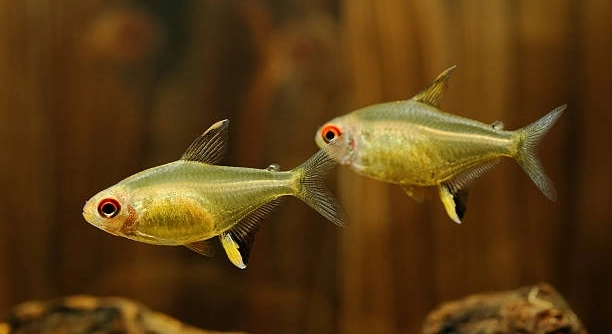
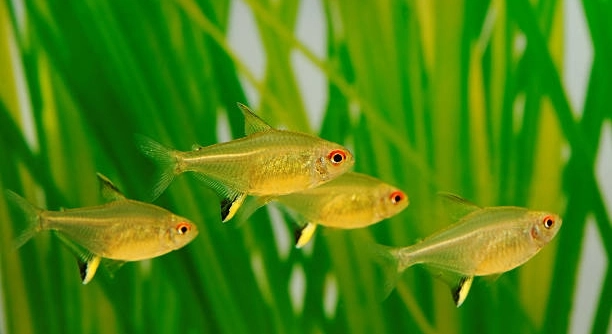
Have you ever noticed your lemon tetras huddled together in one corner of the tank, leaving the rest of the space almost empty? Observing their behavior can be both puzzling and oddly comforting for fish owners. Lemon tetras group in one corner primarily due to stress, water conditions, or social hierarchy. Limited space, strong currents, … Read more
Can Lemon Tetra Sense Magnetic Fields?

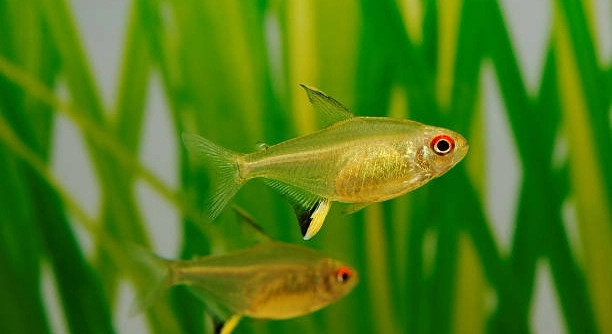
Lemon tetras are small, vibrant fish that brighten up any aquarium. They move gracefully through the water, and many aquarists notice their curious and alert behavior every day. Observing them can be surprisingly engaging and rewarding. Recent studies suggest that lemon tetras possess the ability to detect magnetic fields. This capability likely assists in navigation … Read more

7 Personality Traits of Lemon Tetra

Lemon tetras are small, bright fish that bring life to any freshwater aquarium. Their cheerful yellow color and lively movements make them a favorite for beginners and experienced fish keepers alike. They easily adapt to community tanks. Lemon tetras display seven main personality traits: they are active swimmers, social, curious, peaceful, sensitive to water conditions, … Read more

7 Items That Keep Lemon Tetra Engaged

Lemon tetras are small, active fish that thrive in lively environments. Keeping them engaged is important for their well-being. Providing the right items in their tank can help stimulate natural behaviors and maintain a healthy aquarium atmosphere. Seven items are particularly effective at keeping lemon tetras engaged. Plants, floating objects, small hiding spots, and gently … Read more

Can Lemon Tetra Be Trained With Light Cues?

Lemon tetras are small, lively fish that brighten up any aquarium. They react quickly to changes in their environment, making them interesting pets to observe. Many fishkeepers enjoy learning about their natural behaviors and habits. Lemon tetras can be trained to respond to light cues through consistent conditioning. By associating a specific light signal with … Read more

Are Lemon Tetra Sensitive to Tank Rearrangement?

Are your lemon tetras swimming in a lively community tank yet seeming a bit unsettled after minor changes? These small, bright fish are often active, social, and sensitive to shifts in their environment. Their behavior can change subtly. Lemon tetras are moderately sensitive to tank rearrangement. Sudden changes to decorations, plants, or hiding spots can … Read more

Can Arowana Detect Feeding Times Without Cues?

Have you ever noticed your arowana swimming toward the feeding area even before you approach the tank? Many fish owners find it fascinating how these majestic creatures seem to anticipate mealtime without obvious signs. Arowanas can develop an internal sense of feeding schedules through routine and environmental cues. Repeated exposure to consistent feeding times allows … Read more

Can Lemon Tetra Be Kept in Outdoor Ponds?

Have you ever wondered if a small tropical fish could handle life outside an indoor aquarium during warmer months, especially when the idea of a peaceful outdoor pond feels charming and simple to maintain daily. Lemon tetra can be kept in outdoor ponds under controlled warm conditions, since stable temperatures, shaded areas, and high water … Read more

7 Things Lemon Tetra Do When They’re Content

Lemon tetras are small, bright fish that bring life to any freshwater aquarium. Watching them swim gracefully can be calming, but their behavior also tells you a lot about their mood. Observing them carefully reveals their comfort. When lemon tetras are content, they display steady swimming patterns, maintain vibrant coloration, interact harmoniously with tank mates, … Read more

7 Causes of Unusual Arowana Swimming Patterns

Arowanas are fascinating fish that bring beauty and energy to home aquariums. Their swimming patterns can be graceful, but sometimes they start moving in unusual ways that catch attention quickly. Observing these changes can be important. Unusual swimming patterns in arowanas can result from several causes, including poor water quality, nutritional deficiencies, stress, parasitic infections, … Read more