
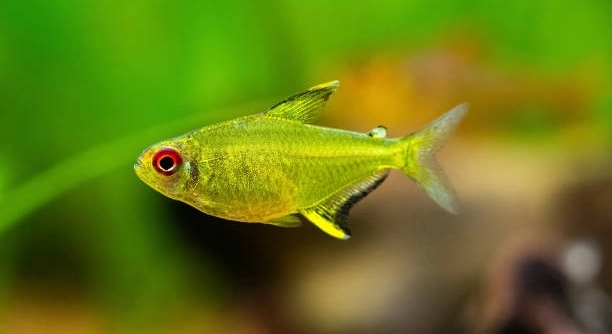
Are your lemon tetras swimming in a lively community tank yet seeming a bit unsettled after minor changes? These small, bright fish are often active, social, and sensitive to shifts in their environment. Their behavior can change subtly.
Lemon tetras are moderately sensitive to tank rearrangement. Sudden changes to decorations, plants, or hiding spots can induce stress and alter swimming patterns. Gradual adjustments and maintaining familiar landmarks help minimize disruption to their natural behavior.
Understanding how their environment affects them can improve their overall well-being and make tank management simpler and more enjoyable for owners.
Why Lemon Tetras React to Changes
Lemon tetras are naturally cautious fish, and any sudden rearrangement in their tank can trigger stress. They rely on familiar hiding spots and visual markers to feel secure. When decorations, plants, or substrate are moved, these fish may swim erratically, hide more often, or show temporary loss of appetite. Even small changes, like shifting a rock or adding new ornaments, can create uncertainty. Stress can weaken their immune system, making them more prone to disease, so it is important to plan changes carefully. Gradual adjustments, like moving one item at a time or keeping some elements constant, help them adapt. Observing their behavior before and after changes allows owners to notice any signs of distress early. Keeping water parameters stable during rearrangements is equally important, as fluctuations in temperature, pH, or hardness can amplify stress. By understanding their natural instincts, tank management can become smoother, ensuring healthier, calmer fish.
Gradual changes are always better than sudden ones. Lemon tetras adapt more quickly when their environment is slowly adjusted, preserving their normal behavior.
Paying attention to small signals like hiding spots, swimming patterns, and social interactions can reveal how well your tetras are adjusting. Consistency helps them thrive.
Tips for Safe Tank Rearrangement
Start by planning changes in stages. Move one decoration or plant at a time to prevent overwhelming the fish.
When rearranging a tank, timing is crucial. Avoid making changes during feeding or breeding periods, as stress levels are already higher. Introduce new items gradually, letting fish explore one section before moving on. Keep water parameters steady and monitor the group for signs of stress, such as clamped fins, rapid breathing, or lethargy. Providing plenty of hiding spaces allows lemon tetras to retreat if they feel unsafe. Soft lighting and familiar plants help reduce anxiety. It is helpful to rearrange at times when the tank is quiet and undisturbed. Avoid overhandling decorations and limit sudden splashes or disturbances. Recording their behavior before and after changes can guide future adjustments, creating a more predictable and stable environment. Consistency and patience are key, making transitions smoother for your fish while keeping their health and activity levels intact.
Observing Behavior After Rearrangement
Lemon tetras may hide more or swim cautiously after changes. Some may linger near familiar landmarks, while others explore slowly. Watching these behaviors helps gauge how stressed they feel and whether the environment needs adjustment.
Monitoring their reactions after rearrangement is crucial. Lemon tetras are sensitive to their surroundings, and sudden alterations can trigger stress responses. You might notice clamped fins, reduced activity, or temporary loss of appetite. Even subtle shifts in decorations or plant positions can affect their comfort. Providing safe spaces and keeping some familiar elements helps them regain confidence. Tracking these behaviors over several days ensures any persistent stress is addressed promptly, maintaining their health and normal activity.
It is important to act slowly when changes cause noticeable stress. Gradual reintroduction of familiar features, along with stable water conditions, helps the fish regain their regular swimming patterns. Observing interactions within the group also reveals social stress, as some tetras may become more reserved or avoid others. Adjustments should prioritize safety, comfort, and minimal disturbance to reduce overall stress levels.
Maintaining a Stable Environment
Consistency in water conditions is key to lemon tetra well-being. Sudden shifts in temperature or pH increase stress and can harm their health.
Stable water conditions support calm behavior and reduce the negative effects of tank rearrangement. Lemon tetras thrive in predictable environments, so keeping temperature, pH, and hardness within recommended ranges is essential. Regular testing and gradual adjustments prevent fluctuations that could add stress. Avoid sudden changes while introducing new decorations, as this can compound anxiety. Filtration, lighting, and feeding routines should remain consistent to provide a sense of normalcy. By maintaining environmental stability, you allow the fish to focus on exploring and socializing rather than coping with constant stress, promoting long-term health and active behavior.
Gradual Rearrangement Benefits
Making small, incremental changes helps lemon tetras adjust without stress. Moving one decoration or plant at a time keeps the environment familiar and predictable.
Gradual adjustments reduce sudden shock to the fish. They can explore and adapt at their own pace, maintaining normal swimming and feeding behavior. Familiar landmarks provide comfort during transitions.
Safe Hiding Spaces
Providing enough hiding spots is essential. Plants, rocks, and ornaments allow tetras to retreat when feeling insecure, reducing stress and aggression.
Social Behavior Considerations
Lemon tetras are schooling fish, so rearrangements can affect group dynamics. Maintaining visual contact and open swimming areas helps prevent isolation. Group cohesion improves when hiding spots are balanced with open spaces for swimming.
Monitoring Health
Keep a close eye on their health after changes. Look for signs of stress, appetite loss, or unusual behavior, adjusting the environment as needed.
FAQ
How long do lemon tetras take to adjust after tank rearrangement?
Adjustment time varies, but most lemon tetras begin to settle within a few days. Some may take up to a week, depending on the extent of the changes. Gradual rearrangements usually speed up the adaptation process and reduce visible stress signs like hiding or erratic swimming.
What signs show that lemon tetras are stressed?
Stress in lemon tetras can appear as clamped fins, rapid gill movement, loss of appetite, or staying in corners. Increased aggression or sudden isolation from the school can also indicate stress. Observing them daily helps catch these signs early and allows for timely adjustments.
Can rearranging decorations harm their health?
Yes, sudden or drastic changes can increase stress, weaken their immune system, and make them more vulnerable to disease. Minor, gradual changes paired with stable water conditions help protect their health while allowing exploration of the new layout.
Do all lemon tetras react the same way to changes?
No, individual temperament and prior experiences affect reactions. Some tetras may be curious and explore quickly, while others hide for longer periods. Watching each fish’s behavior helps ensure that the entire school remains comfortable and stress-free.
Is it necessary to move plants and ornaments at all?
Not always. If the current arrangement provides enough hiding spots and swimming areas, constant changes are unnecessary. Only move or add items when improving space, aesthetics, or plant health, keeping changes slow to minimize stress.
How can I make rearrangement less stressful?
Introduce changes gradually, keeping some familiar landmarks. Provide plenty of hiding spaces and maintain consistent water parameters. Avoid rearranging during feeding or breeding periods, and monitor behavior closely to intervene if signs of stress appear.
Should I separate lemon tetras during rearrangement?
Separation is generally not needed unless extreme stress or aggression occurs. Keeping the school together provides security. If a fish is overly stressed, temporary observation in a smaller section of the tank can help, but always reintroduce them carefully to the main group.
How often is it safe to rearrange the tank?
Frequent changes are not recommended. Rearranging every few weeks or months is usually sufficient. Frequent adjustments increase stress and disrupt schooling behavior. Planning changes thoughtfully ensures a more stable and calm environment.
Can lighting affect their response to rearrangement?
Yes, sudden changes in lighting can intensify stress. Lemon tetras prefer consistent light cycles. Gradually adjusting lighting when adding new decorations helps them feel secure and supports natural activity patterns.
Is water quality affected by rearrangement?
Shifting substrate or decorations can disturb debris and affect water parameters. Regular water testing and partial water changes after rearrangements help maintain stable conditions and prevent additional stress.
How do I know if the tank is balanced after changes?
Observe swimming patterns, feeding behavior, and social interactions. A balanced tank shows active, calm fish exploring freely while still using hiding spots. Signs of stress or aggression indicate the need for minor adjustments or additional acclimation time.
Are there decorations lemon tetras prefer?
They favor live or artificial plants, smooth rocks, and gentle hiding spots. Open swimming areas combined with cover provide comfort and mimic natural environments, helping them feel secure and maintain social cohesion.
What is the best way to introduce new ornaments?
Rinse and clean decorations before adding them. Introduce one item at a time and observe fish reactions. Place new items near existing familiar landmarks to ease exploration and reduce stress during adaptation.
Can rearrangement affect breeding behavior?
Yes, sudden changes can temporarily disrupt spawning. Providing consistent hiding spots, gentle lighting, and stable water parameters encourages normal breeding behavior once the fish adjust. Avoid major changes during active breeding periods to prevent stress-related interruptions.
How long should I observe the fish after a change?
Observe for at least several days to a week. Monitor activity, feeding, and schooling behavior. Early detection of stress or aggression allows timely adjustments, ensuring that all tetras return to normal routines quickly.
Is it normal for some fish to hide longer than others?
Yes, individual temperament varies. Some tetras are naturally cautious and take longer to explore new arrangements. Providing multiple hiding spots ensures these fish feel safe while the rest of the school adapts more quickly.
Do lemon tetras remember the old tank layout?
They recognize familiar landmarks and use them for navigation. Keeping some consistent elements during rearrangement helps them orient themselves and reduces stress, allowing a smoother transition to the new environment.
How do I support shy tetras during changes?
Ensure plenty of hiding spots, gentle lighting, and gradual adjustments. Minimize sudden movements near the tank. Observing shy individuals separately can help track their adaptation without disturbing the group.
Can adding too many decorations cause stress?
Yes, overcrowding limits swimming space and increases stress. Balance decorations with open areas for schooling and movement. Too many items can create hiding spots that fragment the group, affecting social behavior.
What is the most effective way to maintain calm fish during tank rearrangement?
Plan changes slowly, provide safe hiding spaces, keep water parameters stable, and monitor behavior closely. Gradual adjustments and attention to individual reactions ensure lemon tetras remain healthy and calm throughout the process.
This FAQ covers common concerns and practical tips for keeping lemon tetras comfortable during tank rearrangement, helping maintain their health, social behavior, and overall well-being.
Final Thoughts
Lemon tetras are small, delicate fish that thrive in stable, predictable environments. They rely heavily on familiar landmarks, plants, and decorations to feel safe, and sudden changes in their tank can disrupt their sense of security. Even small rearrangements, like moving a rock or shifting a plant, can trigger stress, causing them to hide, swim erratically, or lose their appetite temporarily. Understanding this natural sensitivity is key for anyone keeping lemon tetras. A calm, consistent environment not only helps them feel comfortable but also supports their overall health. Watching their behavior closely after changes allows you to identify any signs of stress early, which is crucial for maintaining a healthy aquarium. By taking gradual steps when adjusting their habitat, you give them time to adapt and reduce unnecessary anxiety.
One of the most important things to remember when making changes is that lemon tetras are social fish. They move and behave as a group, and the dynamics of the school can be affected by rearrangements. If hiding spots are too limited or if decorations block open swimming areas, some fish may become isolated or stressed, which can lead to weaker immune responses or even minor aggression within the group. Maintaining a balance between cover and open swimming space is essential. Gradual adjustments, combined with plenty of safe spaces, help preserve the natural social interactions of the group. Providing consistent lighting, stable water parameters, and reliable feeding schedules also contributes to their comfort. By keeping the overall environment predictable, you allow the fish to focus on exploring and interacting rather than coping with sudden changes.
Tank rearrangement does not have to be stressful for lemon tetras if approached carefully. Planning each change slowly, moving only one or two elements at a time, and keeping familiar landmarks intact allows them to adapt naturally. Monitoring the fish’s behavior before and after adjustments helps determine whether further modifications are necessary or if additional hiding spots should be added. Remember that each fish is unique; some may explore quickly, while others may remain cautious for longer periods. Patience and attention to detail are key in creating a comfortable and healthy habitat. With careful planning and observation, lemon tetras can thrive even in a tank that undergoes occasional updates, maintaining their bright colors, active swimming, and calm, social behavior. Properly managing these changes ensures that both the fish and their environment remain balanced, stable, and enjoyable.

Hello,
If you enjoy the content that we create, please consider saying a "Thank You!" by leaving a tip.
Every little bit helps us continue crafting quality advice that supports the health, happiness, and well-being of pets around the world, for pets of all shapes, sizes, and species.
We really appreciate the kindness and support that you show us!