
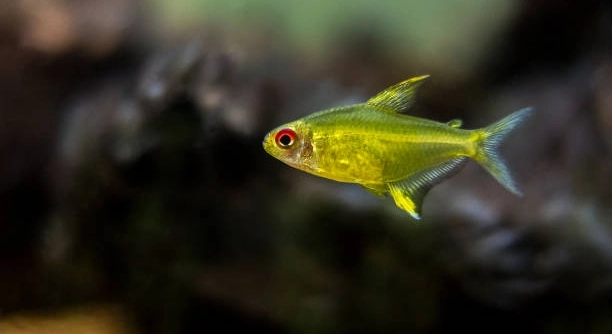
Lemon tetras are small, lively fish that brighten up any aquarium. They react quickly to changes in their environment, making them interesting pets to observe. Many fishkeepers enjoy learning about their natural behaviors and habits.
Lemon tetras can be trained to respond to light cues through consistent conditioning. By associating a specific light signal with feeding, these fish learn to anticipate food, demonstrating a basic form of learned behavior and environmental awareness.
Training your lemon tetras with light cues can improve feeding routines and enhance their interaction with their environment. Consistency and observation are key to seeing clear responses over time.
How Lemon Tetras Learn
Lemon tetras are naturally curious fish, and they respond well to consistent signals. When a light is turned on before feeding, they start noticing the pattern. At first, it may seem slow, but they gradually associate the light with food. Repeating this process daily helps them remember the cue. Some fish may respond faster than others, depending on their age and temperament. It is important to keep the environment calm and avoid sudden changes. A predictable routine helps them feel secure and more willing to follow signals. Over time, they can recognize specific lights or positions in the tank. Observing their reactions can be rewarding because you see small signs of recognition. Even small groups of lemon tetras can learn together, which can improve overall tank behavior. The process doesn’t require special equipment, just patience and attention to timing.
Training with light cues helps make feeding times smoother and keeps the fish engaged.
Consistency is crucial for effective training. Repetition, patience, and observation lead to noticeable responses, helping the fish understand and react correctly. It also strengthens their environmental awareness, making them more interactive during feeding times.
Setting Up the Training Environment
A quiet, controlled tank environment is essential for training lemon tetras.
Start by choosing a small, consistent light source. Avoid strong or flashing lights that can stress the fish. Position it so all fish can see it clearly. Begin by turning on the light for a short period before feeding. Repeat this at the same time every day. Consistency will help them link the light to food. Monitor the fish carefully, and reduce distractions like sudden movements or loud noises nearby. Over time, they will start swimming toward the light, waiting for food. Avoid changing tank decorations or the location of the light during training. It is also important to feed them immediately after the light cue, so the association is clear. If the fish do not respond right away, continue the routine patiently. Each session should be short and calm. Gradually, they will anticipate feeding, responding faster to the cue. This method strengthens their learning and keeps the process stress-free for both fish and caretaker.
Timing and Consistency
Training works best when the light cue is paired with feeding at the same time every day. Lemon tetras respond faster to predictable routines, and irregular schedules can confuse them. Short, daily sessions are more effective than long, infrequent attempts.
Consistency allows the fish to form a clear connection between the light and food. When the cue is repeated in a calm environment, they begin anticipating feeding almost immediately. Observing their behavior, like swimming toward the light, signals that learning is taking place. Avoid rushing the process, as patience improves results. Even small variations in timing can slow progress, so keeping sessions predictable is key.
It is helpful to note the fish’s reactions over several days. Some tetras may respond more quickly, while others need more repetition. Adjusting the cue duration slightly can improve recognition. Avoid overstimulation, as too long or too bright a light can stress them. Maintaining consistency builds trust and strengthens their learned response, creating a smoother routine for both feeding and interaction.
Reinforcing the Behavior
Rewarding the fish immediately after they respond to the light strengthens learning.
Lemon tetras learn best when the association between cue and reward is clear. Offering food right after they notice the light ensures the connection is made. Over time, they will swim toward the light automatically, demonstrating recognition. Reinforcing this behavior regularly helps maintain the response. Observing small signs, such as clustering near the light or following its direction, shows progress.
It’s important to gradually reduce any distractions during training. Keeping the tank calm and limiting sudden movements ensures the fish focus on the cue. Reinforcement should remain consistent, using the same type and amount of food each time. Avoid changing the method frequently, as this can confuse the fish and slow learning. Patience and observation are key, as gradual improvements signal that the training is working. This approach helps the tetras develop a reliable routine and encourages a natural response to environmental cues.
Common Challenges
Some lemon tetras may not respond immediately to light cues. Individual temperaments, tank size, and distractions can affect learning. Avoid forcing responses, as stress slows progress.
Maintaining a calm environment and keeping training sessions short helps overcome these challenges. Patience is essential, and small improvements should be acknowledged to gauge progress effectively.
Adjusting Light Intensity
Too bright or dim a light can confuse the fish. The ideal intensity is soft but clearly visible to all tetras. Adjust the light to ensure it catches their attention without causing stress. Consistent positioning also helps them recognize the cue more easily.
Observing Behavioral Changes
Tracking how lemon tetras react during training is important. Changes like clustering near the light or faster movement indicate learning. Observations help refine timing, light duration, and feeding practices to improve the overall training process.
Benefits of Light Training
Using light cues improves feeding efficiency and encourages engagement with the environment. Fish become more predictable and easier to care for, enhancing the aquarium’s overall harmony and making routine maintenance smoother for the caretaker.
FAQ
How long does it take for lemon tetras to respond to light cues?
The response time varies depending on the individual fish and the consistency of training. Some tetras may begin showing recognition within a few days, while others take several weeks. Daily short sessions, ideally at the same time each day, improve response rates and help establish a clear connection between the light and feeding. Patience and careful observation are key.
Can all lemon tetras be trained with light cues?
Most lemon tetras can learn basic associations, but some may be slower or less responsive due to temperament, health, or age. Younger, healthy fish usually adapt faster, while older or stressed tetras might require longer periods of consistent training. Observing each fish individually helps adjust the approach for better results.
What type of light works best for training?
A soft, consistent light that is easily visible to the fish is ideal. Avoid flashing or overly bright lights, as these can cause stress or fear responses. Position the light where all tetras can clearly see it, and use the same light consistently to reinforce recognition.
How long should each training session last?
Short sessions of a few minutes are more effective than long sessions. Overly long exposure to the light can cause stress or fatigue, reducing the effectiveness of training. Keep sessions calm and predictable, ensuring the fish associate the light with feeding without feeling overwhelmed.
Can light training replace feeding cues like hand feeding or tapping the tank?
Light training works best as a complementary cue rather than a replacement. It strengthens environmental awareness and anticipatory behavior, but feeding cues like hand feeding provide additional interaction and stimulation. Using both together can improve overall engagement and response.
What if the fish do not respond at all?
If there is no response after several weeks, check the tank environment. Stressors like strong currents, loud noises, or inconsistent feeding can interfere with learning. Ensure the light is clearly visible and the routine is consistent. Some fish simply need more time or may respond better to slight adjustments in cue timing or intensity.
How can I tell if the tetras are learning?
Signs of learning include swimming toward the light, clustering near the source, or showing anticipation before food is presented. Even small movements or increased alertness are indicators that the association between light and food is forming. Keep a record of their reactions to track progress.
Is there any risk to using light as a training cue?
When used properly, light training is safe. Avoid excessively bright or flickering lights, which can cause stress or disorientation. Keep sessions short and consistent, and ensure the overall tank lighting remains balanced for their natural day-night cycles. Proper care ensures training remains a positive experience.
Can multiple fish learn together at the same time?
Yes, lemon tetras often learn as a group. Observing each other’s reactions can reinforce learning, especially in small schools. However, individual variation means some may respond faster than others. Patience and monitoring each fish’s progress helps maintain consistent results across the group.
Does the type of food affect training?
Using a preferred or high-value food improves the association between the light and feeding. Tetras respond more readily when the reward is appealing, reinforcing the connection. Avoid changing the food type frequently during training sessions to maintain consistency and clear learning cues.
How often should I repeat training sessions?
Daily sessions are ideal for establishing the connection between light and feeding. Even short, consistent repetition strengthens recognition. Skipping days or changing the schedule can slow learning and reduce the reliability of responses over time.
Can training with light cues improve overall tank behavior?
Yes, trained tetras tend to become more predictable during feeding, reducing stress and competition. They may also show more interaction with their environment, swim more actively toward cues, and develop smoother social dynamics within the tank. This improves care routines and observation opportunities.
What if some fish respond and others don’t?
Focus on consistency for all fish, but acknowledge that individual responses vary. Encourage learning through repeated sessions, but avoid stressing non-responsive fish. Over time, most tetras will begin reacting, even if at different rates. Observing patterns helps adjust training for the entire group.
Can light cues be used for other types of fish?
Many small, social fish can learn to associate light cues with food, though responsiveness varies by species. Lemon tetras respond well due to their active nature and curiosity. Researching the habits of other species ensures the method is suitable before applying it more broadly.
How long will the fish remember the light cue?
With regular reinforcement, lemon tetras can remember the association for months. Occasional missed sessions may slow the response, but consistent practice helps maintain recognition. Even after breaks, they often quickly relearn the connection, showing that their memory is strong when trained effectively.
Are there ways to make training more effective?
Keeping the tank calm, using consistent cues, and rewarding immediately after the light signal all improve effectiveness. Short, daily sessions and monitoring each fish’s progress allow adjustments for better results. Avoid overstimulation and maintain predictable routines to ensure learning occurs naturally.
Final Thoughts
Training lemon tetras with light cues is a simple but effective way to improve their interaction with the environment. These small fish are naturally curious and can learn to associate a light signal with feeding over time. The process does not require expensive equipment or complicated methods. What matters most is consistency and patience. Short, daily training sessions are more effective than long, irregular attempts. By keeping the routine calm and predictable, the fish begin to recognize the light as a signal for food. This simple association helps them anticipate feeding times, making them more active and responsive. Observing their reactions during training can also be rewarding because even small signs of recognition show that learning is taking place. Over time, the fish develop a sense of routine, and this predictability benefits both the fish and the caretaker.
It is important to understand that each lemon tetra may respond differently. Some fish learn quickly, while others require more repetition and patience. Factors such as age, temperament, and overall health can influence how fast they respond to the light cue. Younger, healthy fish often adapt more easily, while older or stressed tetras may take longer. It is helpful to keep sessions short and focused, avoiding overstimulation that could stress the fish. Monitoring individual behavior is key to adjusting the training approach. Even if some tetras respond more slowly, continuing the routine with consistency often results in gradual improvement. Maintaining a calm environment and providing a steady, soft light helps reinforce the association, making it easier for the fish to recognize and react to the cue. This method of training emphasizes gentle repetition rather than pressure or forcing responses.
Beyond the training itself, using light cues can improve overall aquarium management. Feeding times become more predictable, and the fish are more engaged and alert in the tank. Lemon tetras may swim toward the light or show increased activity, indicating anticipation and recognition. This behavior not only makes feeding more efficient but also allows for easier observation of the fish’s health and activity levels. Keeping a routine enhances the harmony of the aquarium, reducing stress and competition among the fish. Regularly reinforcing the learned behavior ensures that the response remains consistent over time. Ultimately, training with light cues is a practical, low-stress way to enhance the daily life of lemon tetras and improve the experience of caring for them. The process encourages attentiveness and patience, which benefit both the fish and their caretaker, creating a smoother, more predictable, and enjoyable environment for everyone involved.

Hello,
If you enjoy the content that we create, please consider saying a "Thank You!" by leaving a tip.
Every little bit helps us continue crafting quality advice that supports the health, happiness, and well-being of pets around the world, for pets of all shapes, sizes, and species.
We really appreciate the kindness and support that you show us!