
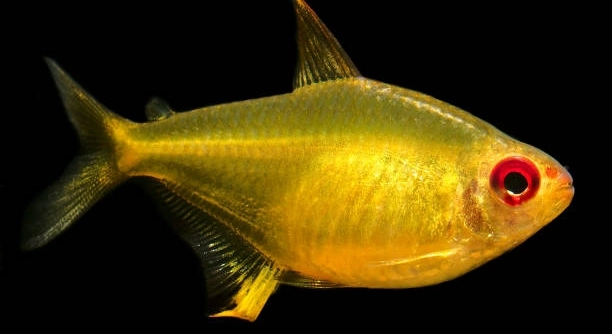
Lemon tetras are small, bright fish that bring life to any freshwater aquarium. Watching them swim gracefully can be calming, but their behavior also tells you a lot about their mood. Observing them carefully reveals their comfort.
When lemon tetras are content, they display steady swimming patterns, maintain vibrant coloration, interact harmoniously with tank mates, and feed readily. These behaviors indicate proper acclimation, low stress levels, and a healthy environment supporting their overall well-being.
Recognizing these subtle cues can improve how you care for your fish and create a peaceful tank environment. Each action tells a story about their comfort and health.
Steady, Harmonious Swimming
Lemon tetras are happiest when their swimming is calm and coordinated. They move smoothly through the water, rarely darting or hiding, and often glide together in small groups. This steady motion shows that they feel secure in their environment and trust their surroundings. Watching them form tight schools can be soothing, and it reflects their natural social behavior. When tank conditions are right—stable temperature, clean water, and enough space—they will maintain this graceful rhythm. Their fins spread naturally, and they rarely show signs of stress, such as clamped fins or erratic movements. These tetras thrive in well-planted tanks where they have hiding spots but also enough open water for swimming freely. Observing them can be rewarding, as their coordination demonstrates both health and contentment. Over time, you can notice patterns in their behavior that indicate feeding schedules and resting periods, helping you create a more comfortable aquarium. Their smooth swimming is an essential indicator of overall well-being, signaling that their environment meets their needs.
Steady swimming indicates comfort, social balance, and environmental satisfaction, demonstrating that lemon tetras feel safe and are in good health.
Maintaining this behavior requires attention to tank quality. Clean water, regular feeding, and stable conditions support healthy swimming. By keeping a consistent routine, these tetras will continue to move with ease, reflecting their content state. Their patterns are easy to read once observed.
Vibrant Coloration
Bright yellow hues and shimmering scales are signs of happiness in lemon tetras. Their colors deepen when they feel safe and healthy, making them more visually striking in the tank. Vibrant coloration reflects proper nutrition and low stress.
When lemon tetras feel content, their colors remain consistent and bright. Pale or dull shades may indicate discomfort or health issues.
Healthy lemon tetras display vivid yellow tones complemented by subtle hints of silver along their bodies. Color intensity can also be influenced by light exposure, water quality, and diet. A balanced diet rich in nutrients enhances their natural brightness, while clean water and stable temperatures prevent stress-induced fading. Observing the gradual intensification of color can be satisfying, showing that your fish are thriving. Additionally, healthy, colorful fish are often more active and engage freely with other tetras, demonstrating social well-being. By maintaining proper care and monitoring water parameters, you can ensure your tetras retain their brilliance and continue to display these visual cues of contentment. Their vibrant coloration is not just aesthetic—it reflects overall health and a comfortable living environment.
Interacting Calmly with Tank Mates
Lemon tetras swim close to their group without aggression. They rarely chase or nip at other fish, showing peaceful social behavior. This calm interaction signals comfort and helps maintain a stable tank environment.
Observing their interactions reveals much about their mood. Content lemon tetras form tight schools and move together in synchrony. They recognize familiar tank mates and respond gently, avoiding conflict. Aggressive behaviors, like chasing or fin nipping, are minimal when the fish feel secure. Their social structure allows them to explore the tank freely while staying connected, demonstrating balance and trust within the group. This peaceful behavior also reduces stress, supporting health and longevity.
Maintaining harmony requires proper stocking levels and compatible species. Lemon tetras thrive when the tank isn’t overcrowded, and hiding spots are available. By keeping a calm environment, they continue to display natural social behaviors, interact smoothly, and remain active, reflecting their contentment. Consistent feeding and clean water further reinforce their comfort, making their calm interactions a reliable sign of a healthy tank ecosystem.
Readiness to Feed
Content lemon tetras approach food eagerly, swimming to the surface or mid-water without hesitation. This behavior shows they feel safe and confident in their environment.
When lemon tetras are comfortable, they exhibit predictable feeding behaviors. They respond quickly when food is introduced, moving in coordinated patterns rather than scattering or hiding. Their appetite is steady, and they compete minimally for food, indicating both social balance and low stress. Well-fed, healthy tetras demonstrate energy and alertness, swimming efficiently and returning to their schools after feeding. Observing these patterns over time helps monitor health, as sudden changes in feeding behavior may indicate stress or illness. Regular feeding schedules, combined with high-quality diet, reinforce their confidence and willingness to feed openly.
Providing proper nutrition and monitoring responses ensures that lemon tetras remain active and healthy. Their readiness to feed reflects more than hunger; it signals contentment, trust in their surroundings, and overall well-being. Consistent feeding routines paired with a safe environment strengthen their natural behaviors and maintain the social harmony of the tank. Tracking these feeding patterns can also alert you to potential issues early, helping you keep the fish comfortable and thriving.
Resting Calmly
Lemon tetras often pause in mid-water or near plants without showing signs of stress. These quiet moments indicate they feel safe and secure.
During rest, their fins remain relaxed and movement is minimal. Calm resting behavior reflects comfort and proper acclimation to the tank environment.
Exploring Their Environment
Content lemon tetras actively explore the tank, weaving through plants, rocks, and decorations. Their curiosity is measured, and they return to their group without hesitation. They avoid hiding excessively and interact naturally with the surroundings. Active exploration shows they feel secure, supported by stable water conditions, sufficient space, and a peaceful community. This behavior is a good indicator that their environment meets both physical and social needs, allowing them to maintain health and confidence. Over time, observing their exploration patterns helps identify favorite areas and resting spots, enhancing tank setup and overall fish well-being.
Gentle Hovering
Lemon tetras often hover near plants or mid-water, appearing calm and content. This behavior signals comfort and confidence in their environment.
FAQ
How can I tell if my lemon tetras are happy?
Content lemon tetras display steady swimming, vibrant coloration, and calm interactions with tank mates. They approach food readily and explore their surroundings confidently. Watching their consistent patterns and peaceful behavior can help you determine their comfort level. Signs of stress include clamped fins, hiding, or erratic movements.
What causes lemon tetras to lose their bright color?
Dull or faded coloration is often linked to stress, poor water quality, or inadequate nutrition. Ensuring a clean tank, stable temperature, and a nutrient-rich diet helps maintain their natural yellow tones. Healthy, brightly colored fish generally indicate that their environment is suitable and they are not under stress.
Why do lemon tetras school together?
Lemon tetras are social fish that feel safer in groups. Schooling reduces stress and provides protection from perceived threats. It also allows them to coordinate movements, rest comfortably, and interact without conflict. A school of at least six tetras is recommended for both security and social balance.
What is normal feeding behavior for lemon tetras?
Healthy tetras respond quickly when food is offered, swimming in coordinated patterns and returning to their group afterward. They compete minimally for food if the tank is not overcrowded. Sudden changes in appetite or hesitation to feed may indicate stress, illness, or poor water conditions.
How much space do lemon tetras need?
Lemon tetras thrive in tanks with sufficient swimming room. A minimum of 20 gallons is recommended for a small school. Adequate space, combined with hiding spots and plants, supports natural behaviors like schooling, resting, and exploring, contributing to overall comfort and health.
Do lemon tetras get along with other fish?
They generally interact peacefully with small, non-aggressive species. Avoid housing them with larger, predatory, or highly territorial fish. Proper tank mate selection ensures calm social interactions, reduces stress, and allows all species to display natural behaviors without fear.
What are signs of stress in lemon tetras?
Stress manifests as clamped fins, erratic swimming, hiding excessively, or sudden color fading. Causes can include poor water quality, temperature fluctuations, overcrowding, or aggressive tank mates. Addressing these issues promptly helps restore their contentment and prevent health problems.
How often should I feed lemon tetras?
Feeding small portions once or twice a day is ideal. Overfeeding can degrade water quality and stress the fish. A balanced diet of high-quality flakes or micro-pellets, supplemented with occasional live or frozen food, keeps them healthy and maintains their natural color and energy.
Can lemon tetras live in planted tanks?
Yes, they thrive in planted tanks. Plants provide hiding spots, reduce stress, and mimic natural habitats. Proper lighting and water conditions enhance both plant and fish health, encouraging natural behaviors like resting, exploring, and hovering near foliage.
How do I encourage content behavior in lemon tetras?
Stable water conditions, clean tanks, a suitable diet, and a peaceful community are essential. Providing open swimming space, hiding spots, and a consistent routine helps tetras feel safe, reducing stress and encouraging natural, content behaviors. Observing and adjusting the environment as needed maintains their well-being.
What should I do if my lemon tetras seem unhappy?
First, check water quality, temperature, and diet. Ensure there is enough space and compatible tank mates. Observing their behavior for changes in swimming, color, or social interaction helps identify problems early. Making small, careful adjustments can restore comfort and encourage healthy, normal behaviors.
Can lemon tetras live long in small tanks?
Keeping them in undersized tanks often leads to stress, poor growth, and health issues. Providing a tank that supports schooling and natural behaviors is crucial. A proper environment ensures longevity, vibrant coloration, and overall contentment.
Lemon tetras are small fish, but they can bring a lot of life to an aquarium. Watching them swim, rest, and interact with each other provides a simple yet satisfying way to observe nature in motion. Their behavior is straightforward to understand once you know what to look for. Steady swimming, bright colors, calm interactions with tank mates, and readiness to feed are clear signs that these fish feel comfortable and secure in their environment. When these behaviors are present, it shows that the tank conditions are suitable, including water quality, temperature, and available space. Even small details, like hovering calmly near plants or exploring decorations, can tell you a lot about their mood.
Maintaining a healthy tank for lemon tetras requires attention to their basic needs. Clean water and regular monitoring of temperature, pH, and other water parameters are essential. A balanced diet with proper nutrients keeps their colors vibrant and supports energy levels. Providing enough space for swimming and a few hiding spots ensures that the fish can feel safe and avoid unnecessary stress. Observing their interactions with other tetras and compatible fish also helps monitor social harmony within the tank. By maintaining these conditions consistently, you can help the fish exhibit natural behaviors that reflect their well-being. It is also useful to track any changes over time, such as shifts in swimming patterns, coloration, or feeding habits, as these can indicate stress or health issues that need attention.
Ultimately, caring for lemon tetras is about creating a stable and comfortable environment where they can display natural behaviors. Their contentment is easy to see once you understand the signs. Simple practices, like maintaining water quality, offering proper nutrition, and ensuring social harmony, go a long way in keeping them healthy and happy. Observing their small daily actions can be rewarding, as it gives insight into their needs and preferences. Lemon tetras thrive in a well-maintained aquarium, and their bright colors and graceful swimming make the effort worthwhile. By paying attention to these behaviors, you not only ensure the fish are content but also develop a deeper appreciation for their simple, yet delicate, presence in your tank. Watching them move, interact, and explore provides a sense of calm and satisfaction, making their care a fulfilling experience.

Hello,
If you enjoy the content that we create, please consider saying a "Thank You!" by leaving a tip.
Every little bit helps us continue crafting quality advice that supports the health, happiness, and well-being of pets around the world, for pets of all shapes, sizes, and species.
We really appreciate the kindness and support that you show us!