Can Arowana Tell If the Tank Was Just Cleaned?
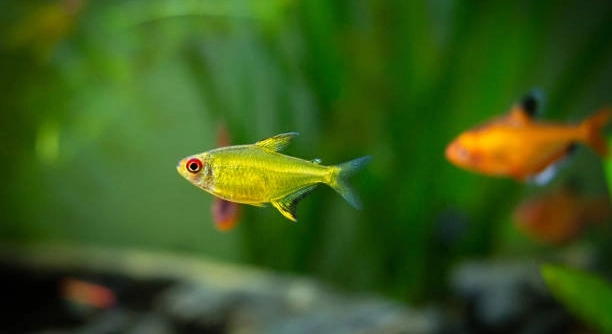
Many fish keepers find themselves wondering how their arowana reacts after a fresh tank cleaning, noticing small shifts in behavior that seem subtle yet meaningful as the water becomes clearer and the environment feels refreshed. Arowana can perceive recent tank cleaning through changes in water chemistry, clarity, and environmental cues, responding with altered swimming patterns … Read more
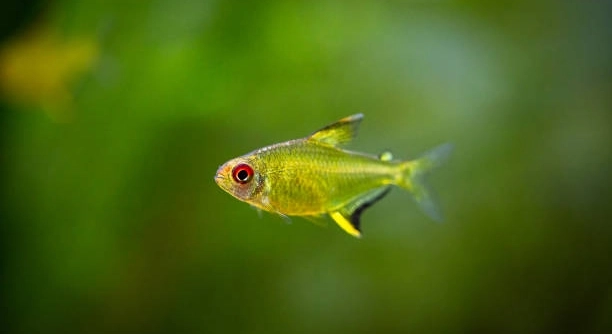
7 Ways Lemon Tetra React to Environmental Change

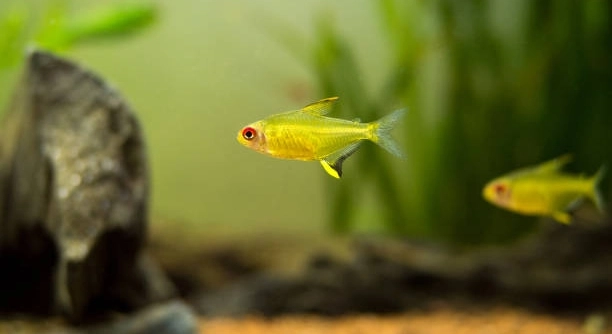
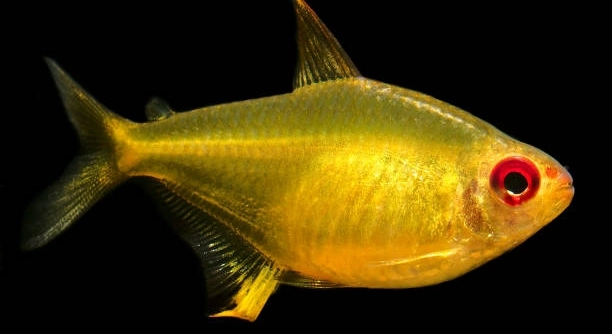
Lemon tetras are small, lively fish that add charm to any aquarium. They can be sensitive to changes in their environment, and even subtle shifts in water conditions or surroundings can affect their behavior noticeably. Lemon tetras respond to environmental changes through variations in swimming patterns, color intensity, social interaction, and feeding behavior. These reactions … Read more

7 Essentials for a Balanced Lemon Tetra Tank

Keeping a lemon tetra tank healthy can feel overwhelming when starting out. These small, vibrant fish need specific conditions to thrive. Many first-time aquarium owners overlook simple essentials that make a big difference in their tank’s balance. A balanced lemon tetra tank requires proper filtration, stable water parameters, consistent feeding, adequate lighting, live or artificial … Read more

7 Reasons Lemon Tetra Might Avoid the Filter Side

Lemon tetras are lively, colorful fish that brighten any aquarium, yet some may seem hesitant around the filter area. Observing their behavior can help understand their preferences and ensure a balanced, stress-free environment for these small, social fish. Lemon tetras often avoid the filter side due to water flow, noise, or lighting conditions. Other factors … Read more

What Does a Relaxed Lemon Tetra Look Like?

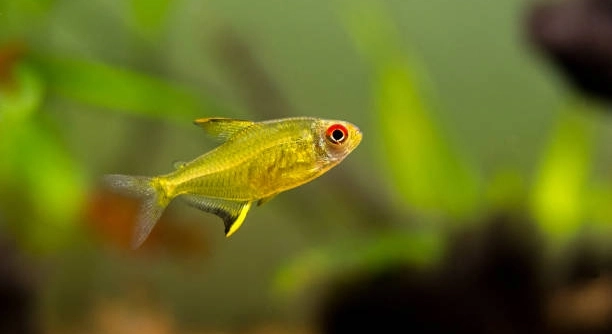
A relaxed Lemon Tetra moves gracefully through the water, showing calm and steady swimming patterns. Its fins are gently spread, and its body displays a soft, natural curve. These small fish exhibit peaceful behavior when they feel secure. A relaxed Lemon Tetra displays smooth swimming with evenly spread fins and a slightly curved body. Its … Read more

7 Tank Changes That Lemon Tetra Notice Instantly

Many aquarium owners notice how sensitive lemon tetra can be to subtle environmental shifts, creating moments that reveal just how quickly these small fish respond to their surroundings through slight changes in activity, color, and group behavior within the tank. Lemon tetra instantly detect shifts in lighting, water quality, temperature, flow, and aquascape structure due … Read more

7 Reasons Your Arowana Is Constantly Moving

Many arowana owners notice their fish constantly swimming, seemingly without pause. This movement can feel restless, leaving you wondering if something is wrong or if your fish is simply active by nature. Constant swimming in arowanas is typically caused by environmental factors, stress, or health concerns. Factors such as water quality, temperature fluctuations, inadequate tank … Read more

Can Lemon Tetra Sleep Upside Down?

Do you ever notice your lemon tetra swimming in unusual positions and wonder if it might be sleeping upside down? These tiny fish are full of energy during the day, but their nighttime habits can be surprising. Lemon tetras do not sleep upside down under normal circumstances. Sleeping upside down is usually a sign of … Read more

Do Lemon Tetra Like a Lot of Swimming Space?

Do you ever notice your lemon tetras swimming together and wonder how much space they truly need to move freely in their tank? Observing their behavior can give clues about their comfort and health in the aquarium. Lemon tetras thrive best in tanks that provide ample swimming space. A minimum of 20 gallons for a … Read more

Do Lemon Tetra Recognize Daylight Patterns?

Lemon tetras are small, vibrant freshwater fish often kept in home aquariums. Observing their behaviors can be both relaxing and intriguing, especially when noticing how they interact with light and their surroundings in a natural pattern. Lemon tetras are sensitive to changes in light and do respond to daylight patterns. Their internal biological rhythms allow … Read more