
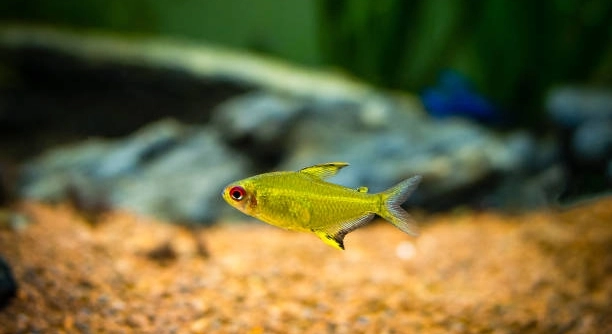
A relaxed Lemon Tetra moves gracefully through the water, showing calm and steady swimming patterns. Its fins are gently spread, and its body displays a soft, natural curve. These small fish exhibit peaceful behavior when they feel secure.
A relaxed Lemon Tetra displays smooth swimming with evenly spread fins and a slightly curved body. Its coloration is bright but not stressed, and it maintains a consistent distance from tank mates. Relaxation is evident through steady, non-aggressive movements.
Observing these subtle signs helps you ensure your Lemon Tetra is healthy and comfortable in its aquatic environment. Recognizing calm behavior supports proper care and long-term wellbeing.
How to Identify a Relaxed Lemon Tetra
A relaxed Lemon Tetra swims with steady, even movements and rarely darts around the tank. Its fins are fully extended but not rigid, showing comfort in its environment. The body maintains a gentle curve, and the bright yellow coloring is consistent, without pale or dark patches. Eyes appear clear, and the fish interacts naturally with tank mates without signs of aggression. Resting spots are used calmly, and the tetra may hover near plants or decorations without rapid swimming. Observing these patterns over time helps you recognize normal, relaxed behavior versus stress indicators. Stress can show as clamped fins, erratic swimming, or hiding excessively. A calm tetra may also come closer during feeding but does not display frantic movements. The overall appearance is balanced and serene, showing that the fish feels safe and secure. Monitoring these signs regularly ensures a healthier and happier aquarium environment for all its residents.
Relaxed Lemon Tetras maintain even swimming patterns, extended fins, and bright coloration. Stress indicators are minimal or absent, signaling comfort in their tank.
Noticing subtle behaviors such as hovering near plants or interacting calmly with other fish provides clear evidence of relaxation. Small signs reveal much about the fish’s wellbeing.
Common Signs of Stress in Lemon Tetras
Clamped fins, erratic swimming, and hiding more than usual are signs of stress in Lemon Tetras.
Stress in Lemon Tetras often results from water quality issues, overcrowding, or abrupt environmental changes. Poor water parameters, such as high ammonia or nitrite levels, can cause discomfort, leading to pale coloring and lethargy. Tank mates that are overly aggressive or incompatible may force the tetra into hiding or trigger frequent fleeing behaviors. Sudden changes in temperature, lighting, or decorations can startle the fish, disrupting their natural patterns. Overfeeding can also lead to bloating and sluggish movements, while insufficient food may cause restlessness. Recognizing these stress signs early allows adjustments to water conditions, tank layout, and feeding routines. Providing a stable, clean environment with adequate hiding spaces supports their natural behavior. Regular monitoring, gentle handling, and proper feeding schedules reduce stress, keeping Lemon Tetras healthy and visually vibrant in the aquarium. Observing their responses to changes helps maintain a calm and balanced tank ecosystem.
Creating a Comfortable Environment
Providing hiding spots, gentle filtration, and stable water temperature helps Lemon Tetras feel secure. Live plants and smooth decorations reduce stress and encourage natural swimming patterns.
A stable environment is crucial for Lemon Tetras to stay relaxed. Sudden changes in lighting, water chemistry, or tank arrangement can cause erratic behavior. Using live plants not only improves water quality but also offers safe resting areas. Smooth decorations prevent injury and allow the fish to explore without stress. Gentle filtration avoids strong currents that may tire or unsettle them. Keeping the tank clean and maintaining consistent temperature ensures the fish remain calm and display their natural coloration.
Consistency in maintenance routines reinforces a sense of safety for Lemon Tetras. Regular feeding, scheduled water changes, and minimal disturbances allow them to thrive. Predictable care habits reduce stress responses and promote long-term health. Observing their daily behavior shows how well they adapt to the environment and provides guidance on adjustments needed for a more comfortable habitat.
Feeding Habits and Relaxation
Offering small, frequent meals helps Lemon Tetras stay calm and active. Overfeeding can lead to sluggish movements and stress.
Proper feeding supports relaxation in Lemon Tetras by keeping energy levels stable and preventing digestive issues. A balanced diet of high-quality flakes, micro pellets, and occasional live or frozen foods ensures nutritional needs are met. Feeding at regular intervals creates a routine, which the fish recognize and respond to calmly. Observing their approach to food can indicate overall wellbeing; relaxed fish swim confidently to the feeding area without frantic competition. Avoiding sudden large meals reduces bloating and prevents overexcitement. Variety in diet keeps them engaged and healthy.
Feeding also provides an opportunity to monitor behavior closely. Tetras that maintain steady swimming and evenly spread fins while feeding are likely comfortable. Changes in appetite or hesitation can signal stress or health concerns. Combining proper nutrition with a stable environment enhances relaxation, showing in both movement patterns and coloration. Careful observation during feeding allows adjustments in diet or portion size, promoting overall tank harmony. By maintaining these routines, Lemon Tetras develop predictable, calm behaviors, reflecting their comfort and security.
Water Quality Essentials
Maintaining clean, stable water is essential for Lemon Tetras’ relaxation. Regular testing for ammonia, nitrites, and pH ensures a safe environment.
Temperature should remain consistent, ideally between 72 and 78°F. Sudden fluctuations can cause stress and affect behavior.
Social Behavior and Schooling
Lemon Tetras are social fish that feel most comfortable in groups of six or more. Schooling reduces anxiety and promotes natural movement patterns. They often swim together, mirroring each other’s motions, which signals a relaxed state. Isolated fish may become skittish or hide frequently, showing discomfort. Maintaining proper group sizes encourages confidence, reduces stress, and enhances overall health. Observing interactions within the school helps identify signs of tension or aggression early. By fostering a calm and social environment, Lemon Tetras can display consistent, relaxed behaviors that reflect their wellbeing and adaptability in the aquarium.
Recognizing Health Issues
Lethargy, pale coloring, or torn fins may indicate health problems. Early detection supports prompt care and recovery.
Lighting and Day-Night Cycle
Consistent lighting schedules help Lemon Tetras maintain regular activity and rest periods. Too bright or irregular lighting can cause stress.
FAQ
How can I tell if my Lemon Tetra is truly relaxed?
A relaxed Lemon Tetra swims with smooth, even movements, keeping fins fully extended and the body slightly curved. Bright, consistent coloration, steady breathing, and calm interactions with tank mates all indicate comfort. Avoiding frantic darting, clamped fins, or excessive hiding signals a healthy, relaxed fish. Regular observation helps distinguish normal behavior from stress-related responses.
What is the ideal group size for Lemon Tetras?
Lemon Tetras are schooling fish and feel most secure in groups of six or more. Smaller groups may lead to anxiety, hiding, or erratic swimming. Maintaining proper group sizes encourages natural behavior, coordinated movement, and a calm, balanced environment. Observing interactions helps ensure the school is harmonious and stress-free.
How important is water quality for relaxation?
Water quality is critical for Lemon Tetra wellbeing. Ammonia, nitrites, and pH should remain stable within safe ranges. Regular water changes and testing prevent stress caused by toxic buildup. Maintaining a consistent temperature between 72–78°F supports steady swimming and natural coloration. Even small fluctuations can affect behavior and comfort.
What type of tank setup supports calm behavior?
A stable environment with hiding spots, live plants, and smooth decorations helps Lemon Tetras feel safe. Gentle filtration avoids strong currents that can exhaust fish. Plants provide resting areas and mimic natural habitats, reducing stress. Maintaining predictable lighting and minimal sudden disturbances encourages calm swimming and proper social interaction.
How does diet affect Lemon Tetra relaxation?
Balanced, frequent meals help maintain energy without overfeeding. High-quality flakes, micro pellets, and occasional live or frozen foods provide nutrition. Predictable feeding schedules create a sense of routine, reducing anxiety. Overfeeding can cause bloating and sluggish movements, while underfeeding may trigger frantic searching. Careful observation during feeding ensures healthy, relaxed behavior.
Can lighting influence stress levels?
Consistent lighting supports natural activity and rest cycles. Bright or irregular lighting can cause hiding, darting, or erratic swimming. A regular day-night schedule mimics natural conditions, helping fish establish predictable routines. Adjusting light intensity and duration based on tank size and decor also promotes comfort.
What are early signs of health problems?
Lethargy, clamped fins, faded coloration, or torn fins indicate possible issues. Loss of appetite, rapid breathing, or hiding more than usual may signal stress or disease. Detecting these signs early allows prompt action, such as adjusting water parameters, isolating affected fish, or consulting a veterinarian experienced with tropical fish.
How do Lemon Tetras interact with other species?
They are generally peaceful and do well with other non-aggressive fish. Aggressive or larger tank mates can induce hiding or erratic swimming. Introducing compatible species gradually and providing enough space ensures a calm and harmonious aquarium. Observing interactions helps maintain proper social balance and comfort for all fish.
How can I encourage natural schooling behavior?
Providing adequate space, consistent routines, and proper group size allows Lemon Tetras to swim together naturally. Hiding spots and visual barriers reduce stress from other tank mates. Avoid sudden changes in tank layout, as this can disrupt the school and cause anxiety. Consistent feeding and minimal disturbances further promote coordinated swimming.
What should I do if a fish seems stressed?
Identify possible causes such as water quality, aggressive tank mates, or sudden environmental changes. Make gradual adjustments to water parameters, rearrange hiding spots, or isolate aggressive fish. Maintain regular feeding and avoid sudden disruptions. Observing responses over several days ensures the fish returns to normal, relaxed behavior.
Are there seasonal or temperature-related considerations?
Temperature fluctuations outside 72–78°F can cause stress and affect swimming patterns. Seasonal changes in room temperature or sunlight exposure should be monitored. Using a heater, thermometer, and shading helps maintain consistent conditions. Stable temperature supports feeding, schooling, and overall comfort.
How long does it take for a Lemon Tetra to feel fully comfortable?
Adjustment time varies but typically ranges from a few days to a couple of weeks. Providing stable water conditions, proper social groups, hiding spots, and predictable feeding routines helps fish acclimate quickly. Observing behavior during this period ensures the tetra is adapting and becoming relaxed.
What signs indicate long-term comfort?
Even swimming, bright coloration, calm interactions, and routine feeding responses show long-term relaxation. Fish explore plants and decorations confidently, maintain proper schooling behavior, and display minimal stress reactions. These patterns indicate a well-maintained environment and consistent care supporting ongoing comfort and health.
How often should I monitor behavior?
Daily observation is ideal for detecting subtle changes. Noting swimming patterns, coloration, and interactions allows early identification of stress or health issues. Keeping a simple log of behavior and feeding responses can help track long-term wellbeing and guide adjustments to the tank environment.
What adjustments can improve relaxation for shy fish?
Adding more plants or decorations provides additional hiding areas. Reducing strong currents and ensuring gentle water flow helps. Minimizing loud noises, sudden movements, and frequent tank access encourages shy fish to explore gradually. Providing a secure, consistent routine supports confidence and reduces stress over time.
How does tank size affect Lemon Tetra comfort?
Adequate space supports schooling and natural movement. Overcrowding increases stress, aggression, and hiding behaviors. A spacious tank allows each fish to establish territory, swim freely, and maintain calm social interactions. Providing sufficient room, along with stable conditions and hiding areas, ensures long-term comfort and healthy behavior.
Can I use decorations to promote relaxation?
Yes, smooth decorations and live plants create safe zones and reduce stress. Hiding spots allow fish to retreat when needed, promoting natural resting behavior. Strategic placement prevents territorial disputes and supports peaceful schooling. Decorations also mimic natural habitats, helping Lemon Tetras feel secure and confident in their environment.
How do I balance social needs and individual comfort?
Maintaining proper group size while providing hiding areas allows each fish to choose when to join the school or retreat. Monitoring interactions ensures no fish is bullied or excluded. A balance of space, group dynamics, and enrichment supports both social and individual comfort consistently.
Are water changes disruptive to relaxation?
If done gradually and with careful parameter matching, water changes are minimally disruptive. Sudden changes in temperature, pH, or water chemistry can cause stress. Performing partial, regular changes maintains quality while preserving stability, supporting calm and relaxed behavior in Lemon Tetras.
What role does observation play in maintaining relaxation?
Consistent observation allows early detection of stress or health issues. Noting patterns in swimming, feeding, and interactions helps adjust care routines. By tracking behavior over time, you can ensure that Lemon Tetras remain comfortable, responsive, and healthy, reinforcing long-term wellbeing in the aquarium.
Observing a Lemon Tetra in a relaxed state shows how much small changes in their environment can affect their wellbeing. Calm swimming, steady fin movement, and bright, even coloration are all signs that the fish feels comfortable. These behaviors do not appear by chance—they reflect a combination of proper water conditions, adequate tank size, stable temperature, and compatible tank mates. Even subtle changes, such as a stronger current from a filter or sudden rearrangement of decorations, can affect the tetra’s behavior. By paying attention to these details, you can help your fish maintain natural movement patterns and remain relaxed most of the time. Over time, careful observation allows you to recognize what your fish needs to stay healthy, safe, and calm in their aquatic environment. Relaxed behavior is a sign of overall health and stability, showing that both the tank conditions and social environment are supporting the fish properly.
Feeding routines and diet also play a significant role in maintaining relaxation. Lemon Tetras respond well to consistent feeding schedules with small, balanced meals, which helps prevent stress caused by hunger or overfeeding. A varied diet that includes high-quality flakes, micro pellets, and occasional live or frozen food keeps the fish engaged and healthy. Sudden or irregular feeding can trigger frantic or erratic swimming, which is a sign of stress. In addition to proper nutrition, environmental factors like lighting and tank decorations influence comfort levels. Live plants, hiding spots, and gentle filtration create a safe space for exploration and resting. Smooth surfaces prevent injury, while strategically placed plants and decorations allow the fish to move confidently without feeling threatened. When all these factors are combined, Lemon Tetras show steady, predictable behavior and maintain their bright yellow coloration, signaling that they are thriving.
Monitoring behavior consistently is key to ensuring long-term wellbeing. Relaxed fish swim steadily, school naturally, and interact calmly with tank mates, while signs such as clamped fins, hiding, or erratic movements indicate stress or possible health concerns. Regular water testing, controlled feeding, and observing social interactions provide insight into how comfortable the fish is in its environment. Adjusting water parameters, temperature, or tank setup gradually supports a stress-free habitat. Creating an environment where Lemon Tetras feel secure allows them to display natural behaviors and reduces the risk of illness or injury. Over time, understanding these behaviors helps maintain a healthy, calm tank where the fish can thrive. Paying close attention to their needs and responding appropriately ensures that Lemon Tetras remain relaxed, healthy, and visually vibrant in their aquarium, reflecting the care and stability provided in their environment.

Hello,
If you enjoy the content that we create, please consider saying a "Thank You!" by leaving a tip.
Every little bit helps us continue crafting quality advice that supports the health, happiness, and well-being of pets around the world, for pets of all shapes, sizes, and species.
We really appreciate the kindness and support that you show us!