
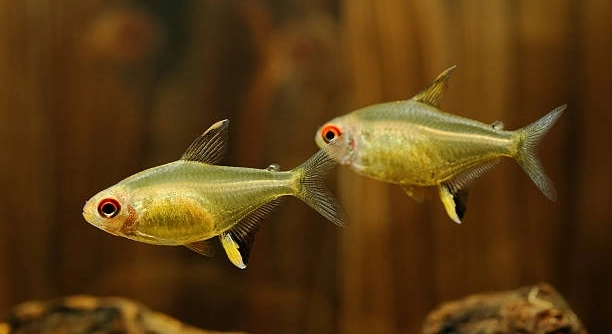
Many aquarium owners notice how sensitive lemon tetra can be to subtle environmental shifts, creating moments that reveal just how quickly these small fish respond to their surroundings through slight changes in activity, color, and group behavior within the tank.
Lemon tetra instantly detect shifts in lighting, water quality, temperature, flow, and aquascape structure due to their heightened sensitivity as active schooling fish. These rapid responses reflect their natural instinct to maintain stability and social cohesion in a changing aquatic environment.
These noticeable reactions highlight how small adjustments can shape their comfort, guiding you toward a healthier and more stable habitat for your peaceful schooling companions.
Sudden Lighting Adjustments
Lemon tetra react quickly when the lighting in their tank changes, and I have noticed how even small shifts can influence their movement and confidence. Brighter light often makes them tighten their school, while dimmer light helps them relax. When the change happens suddenly, they can scatter or move toward shaded areas as they try to regain a sense of stability. This sensitivity comes from their natural behavior in streams where light patterns shift throughout the day. Maintaining a steady schedule helps them feel secure, and using soft transitions prevents unnecessary stress. When handled with care, lighting becomes a simple way to support their comfort. Consistent brightness levels also help reduce sudden bursts of activity that may confuse the group, especially in smaller tanks. Gradually dimming lights in the evening allows them to settle with ease, creating a peaceful rhythm that matches their natural patterns in the wild, each day.
Sudden lighting shifts can unsettle lemon tetra, so keeping changes slow and consistent is one of the easiest ways to protect their comfort. Stable brightness allows them to maintain calm schooling patterns and reduces unnecessary tension that may disrupt their natural sense of safety within their peaceful habitat each day.
A gentle lighting routine supports more than their daily activity patterns, it also helps stabilize their interactions as a group. When lighting remains predictable, they move with soft confidence, showing brighter coloration and smoother transitions between active and calm periods. Their comfort increases when the environment feels steady enough for them to behave naturally. Sudden changes interrupt that flow by triggering rapid reactions or scattered movement that disrupts group balance. Keeping brightness shifts low and controlled encourages stronger schooling behavior and a more peaceful tank. Through careful attention to lighting, their overall well-being remains easy to support in their space.
Fluctuating Water Quality
Changes in water quality are noticed almost instantly by lemon tetra, and these shifts can influence their energy levels and schooling behavior. Maintaining clean and stable conditions supports smoother movement, consistent appetite, and balanced interactions, keeping them comfortable as they adjust to subtle variations within their environment each new day.
Lemon tetra thrive in environments where water quality remains predictable, and even slight variations can shift their behavior in noticeable ways. When ammonia, nitrite, or nitrate levels rise, they may tighten their school, display muted colors, or move with short, cautious bursts. These signs show their attempt to cope with stress while trying to maintain balance within the group. Clean water supports their natural inclination to stay active, bright, and confident, allowing them to move together without hesitation. Regular testing, stable filtration, and consistent water changes help prevent sudden fluctuations that might unsettle them. Their sensitivity comes from their origins in clear, gently flowing habitats, where water conditions shift slowly rather than sharply. When the tank replicates this stability, they respond with smoother patterns, healthier feeding habits, and a stronger sense of security. Slow adjustments during maintenance make a significant difference, as rushing changes can confuse their senses and interrupt group cohesion. Thoughtful care ensures they remain comfortable, expressive, and gracefully synchronized as they navigate their environment each day. Their reactions reveal how closely they depend on steady surroundings, and giving them reliable conditions encourages vibrant coloration, calm schooling, and consistent activity that reflects their natural tendencies in their tank.
Temperature Instability
Sudden temperature shifts make lemon tetra tighten their school and move with short, alert motions. They respond quickly because their bodies rely on steady warmth to keep their energy balanced and their behavior calm in a controlled environment.
When the temperature rises too quickly, they may breathe faster, display faint colors, and scatter before settling into narrow swimming patterns. These reactions reflect their need for stability, especially since even small increases can feel overwhelming to them. Gradual temperature adjustments help prevent these tense moments and allow them to move with their usual softness. Keeping the tank warm but consistent supports healthier appetite, smoother activity, and brighter coloration throughout the day.
When the temperature drops suddenly, they become sluggish and may drift closer together for security. Low temperatures slow their metabolism and make them appear hesitant to explore. A gentle heater with stable output protects them from these stressful swings. By keeping the temperature steady, they maintain steady energy and stay aligned as a peaceful school.
Shifts in Water Flow
Changes in water flow quickly influence how lemon tetra navigate their space. Stronger currents make them swim harder, while weaker flow can reduce their activity. Their comfort depends on a steady and gentle movement of water that keeps them balanced and at ease each day.
When the flow becomes too strong, they may retreat to calmer corners of the tank or drift in short bursts as they try to maintain control. This behavior shows how easily the current affects their confidence. A gentle and even flow supports their natural schooling patterns and allows them to glide smoothly without unnecessary effort. Sudden drops in flow can also unsettle them, making their movements slower or more cautious as they adjust. Stable circulation keeps oxygen levels balanced, prevents dead spots, and helps them feel more secure. Keeping the current predictable encourages steady activity, clear group coordination, and a relaxed presence that matches their peaceful nature.
Changes in Aquascape Layout
Rearranging plants or decor makes lemon tetra adjust their swimming paths right away. They explore cautiously at first, then settle once they understand the new layout. Their reactions show how strongly they rely on familiar hiding spots and open areas.
Large changes can make them tighten their school and move with short, alert motions. They respond this way because new shapes or shadows can feel unfamiliar until they acclimate. Once the space feels predictable again, they relax and return to smooth, coordinated movement.
Alterations in Tank Mates
New tank mates influence how lemon tetra behave, especially if the newcomers move quickly or claim similar spaces. They may tighten their school, shift their position in the tank, or swim with sharper movements until they feel secure. Giving them time helps them adjust with ease.
Variations in Feeding Routine
Feeding routine changes affect their anticipation and activity level. They may rush more, scatter briefly, or appear hesitant depending on the timing and amount. Keeping meals consistent helps them maintain comfortable patterns and supports smoother interactions within their group.
FAQ
Why do lemon tetra react so quickly to small changes in their tank?
Lemon tetra are naturally sensitive fish with strong schooling instincts, so even slight environmental changes influence how they behave. Their reactions come from their need to stay aware of anything that might affect safety or comfort. In the wild, they respond quickly to shifting light, movement, or altered water flow, and these habits remain even in a controlled aquarium. When something changes, they adjust their swimming patterns, colors, or grouping until they feel balanced again. Their awareness is not a sign of fragility, but a natural part of how they navigate their surroundings.
What are the most common signs that lemon tetra are stressed by tank changes?
Their signs are clear once you know what to look for. You might notice tighter schooling, muted coloration, quicker breathing, or short, sharp bursts of movement. They may also retreat to corners or hover close together when something feels unfamiliar. These signals help you understand what is bothering them. By recognizing these early responses, you can adjust the tank to help them settle with ease.
How quickly do lemon tetra adjust to new conditions?
They usually respond right away, but their adjustment time varies depending on how drastic the change is. A mild shift in lighting or flow might only take a few minutes, while a larger change, like a new aquascape layout, may require several hours or more. Patience helps them regain confidence, and keeping changes gradual makes their adjustment smoother. Once they feel stable, they return to bright colors, steady swimming, and better group coordination.
What can make lemon tetra scatter suddenly?
Quick scattering often happens when lighting changes abruptly or when unexpected movement occurs near the tank. Sharp sounds, sudden shadows, or fast swimming from tank mates can also trigger this reaction. They scatter to protect themselves, then regroup once they feel safe again. Soft transitions and predictable tank routines help reduce these moments. Their environment feels calmer when changes are subtle instead of rushed.
Why does their schooling behavior tighten when something changes?
Schooling tighter helps them feel secure, especially when they sense uncertainty. In the wild, staying close together reduces risk and helps them react as a group. In the tank, this behavior remains a way of coping with unfamiliar conditions. Once the environment feels steady, they spread out and swim more freely. Observing how closely they school can help you understand their comfort level at any moment.
How can I keep tank changes from stressing them out?
Keeping alterations slow and controlled is the simplest way to support them. Gradually adjust temperature, lighting, and flow instead of making abrupt shifts. Maintain steady water quality with consistent testing and routine care. When decorating or rearranging the tank, try making smaller changes rather than large overhauls. Give them time to explore the new layout while staying close enough to feel secure. Stable feeding routines and calm tank mates also make a noticeable difference. When their surroundings stay predictable, they remain calm, colorful, and active.
Do lemon tetra react differently depending on the type of change?
Yes, their reactions vary. Lighting changes may make them scatter, water quality shifts influence color and energy levels, and temperature fluctuations affect how quickly they move. Altered flow can change how hard they swim, and new tank mates may influence their position in the tank. Each type of change affects them in its own way, but all highlight how deeply they rely on stability.
What does calm behavior look like for lemon tetra?
Calm behavior includes smooth swimming, loose schooling, bright coloration, and steady activity levels. When they feel safe, they glide through the tank with gentle coordination. Their colors appear clear, and they interact with their group naturally. This peaceful presence shows their environment suits them well.
Final Thoughts
Caring for lemon tetra becomes much easier once you understand how quickly they respond to changes in their environment. Their reactions are small but meaningful, and I have found that paying attention to them helps create a calmer and more predictable space for the entire tank. These fish rely on steady routines, gentle transitions, and familiar surroundings, so even the smallest shift can influence their comfort or confidence. By observing their color, patterns of movement, and the way they school together, it becomes clear when something feels different to them. This awareness makes it easier to support their well-being without overwhelming them. Their sensitivity may seem demanding at times, but it is part of what makes them beautiful and expressive fish. They show their needs in real time, and when those needs are met with consistent care, they thrive in peaceful and steady conditions that allow them to move gracefully.
Maintaining stability in their tank brings out their best qualities. Simple choices like controlling lighting changes, keeping water clean, and adjusting the flow gently help them feel safe as they navigate their environment each day. I have noticed that when everything stays predictable, they swim with smoother patterns, show brighter coloration, and interact with each other in more coordinated ways. Their schooling becomes fluid, their energy remains even, and their overall presence feels relaxed. These small behaviors reveal how deeply they depend on steady surroundings and how much they appreciate a calm habitat. When the tank mimics the slow and predictable shifts they would experience in their natural waters, their behavior becomes more natural and expressive. Preparing the tank with care and making changes slowly does not just prevent stress, it allows their personality as a group to shine. Their gentle communication, subtle cues, and synchronized movements all become clearer when the environment supports them consistently.
Supporting lemon tetra in this way also encourages a more mindful approach to aquarium care. Their reactions serve as reminders to make thoughtful decisions, move patiently, and avoid rushing the tank through adjustments that might feel disruptive to them. This creates a healthier rhythm for the fish and for the person caring for them. Watching them settle into their space with confidence adds a peaceful feeling to the tank that is rewarding to observe. Their delicate sensitivity becomes something meaningful because it guides you toward better care and more balanced choices. Over time, these small efforts form a stable environment where lemon tetra can express their gentle nature without tension. Their comfort becomes something you can see in how they swim, how they group together, and how easily they move through their space. With consistent attention and simple habits, their tank becomes a place where they can show their brightest colors and enjoy steady, calm living every day.

Hello,
If you enjoy the content that we create, please consider saying a "Thank You!" by leaving a tip.
Every little bit helps us continue crafting quality advice that supports the health, happiness, and well-being of pets around the world, for pets of all shapes, sizes, and species.
We really appreciate the kindness and support that you show us!