
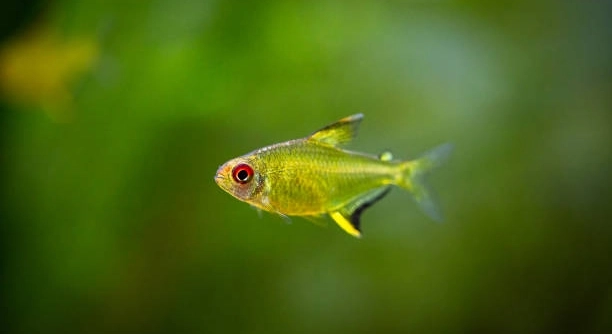
Keeping a lemon tetra tank healthy can feel overwhelming when starting out. These small, vibrant fish need specific conditions to thrive. Many first-time aquarium owners overlook simple essentials that make a big difference in their tank’s balance.
A balanced lemon tetra tank requires proper filtration, stable water parameters, consistent feeding, adequate lighting, live or artificial plants, safe tank mates, and regular maintenance. Ensuring these elements are met promotes fish health, reduces stress, and supports a stable aquatic environment.
Learning these essentials will make caring for your lemon tetras easier. Each factor contributes to a tank that stays clean, safe, and enjoyable for both the fish and the keeper.
Filtration and Water Quality
Maintaining clean water is essential for lemon tetras. I learned quickly that a good filter makes all the difference. A filter removes debris and harmful chemicals, keeping the tank environment stable. Regular water testing helps track ammonia, nitrite, and nitrate levels. I often check water parameters weekly, especially after adding new fish or plants. A balanced tank has consistent pH and temperature, which prevents stress and illness. Using a sponge or hang-on-back filter works well for smaller tanks. Replacing filter media as recommended ensures the system continues to function properly. I also do partial water changes every week to remove excess waste. This combination keeps water clear and safe, creating a healthier environment for the fish to swim actively and display their natural colors. Maintaining water quality requires attention, but it’s worth it for lively, healthy tetras.
Proper filtration ensures the water stays clear and fish remain healthy without frequent major interventions.
Even a small tank can thrive if filtration is paired with consistent monitoring. Using a filter rated for the tank’s size ensures enough flow to circulate water, while avoiding strong currents that can stress the tetras. Testing kits for pH, ammonia, nitrite, and nitrate are essential tools. I personally keep a simple chart to track readings over time, making it easy to spot changes early. Partial water changes of 20-25 percent weekly remove toxins that build up despite filtration. Cleaning the filter every few weeks, without removing beneficial bacteria, supports long-term stability. Adding live plants helps absorb excess nutrients and provides natural hiding spots, further improving water quality. Even careful feeding matters; uneaten food decomposes and harms water chemistry. Maintaining this balance creates a calm, healthy environment where lemon tetras thrive and display vibrant colors naturally.
Feeding and Nutrition
Feeding should be small and regular. Overfeeding can pollute the tank and stress the fish.
Lemon tetras need a varied diet to stay healthy. I rotate between high-quality flakes, micro-pellets, and occasional frozen or live foods. Each type offers essential nutrients for growth and color. Small, frequent feedings are better than one large portion because tetras eat tiny amounts continuously. Removing leftover food prevents it from decomposing and affecting water quality. I aim to feed twice a day, giving only what the fish can consume in two minutes. This approach keeps the tank clean and reduces waste buildup. Occasionally, I supplement with daphnia or brine shrimp for protein and enrichment, and spinach or blanched peas for plant-based nutrients. Variety helps prevent nutritional deficiencies and keeps the fish active. Feeding is straightforward but requires consistent attention.
Lighting and Tank Environment
Proper lighting helps fish feel secure and shows their colors. I use a standard aquarium LED that runs 8-10 hours a day to mimic natural daylight.
Balanced lighting supports plant growth and keeps fish active. Too much light can stress lemon tetras and encourage algae, while too little makes plants struggle. I keep lights on a timer to maintain consistency. Placing decorations and plants strategically creates shaded areas where fish can retreat if they feel threatened. This setup reduces stress and promotes natural swimming behavior. Observing how my tetras react to light changes helps me adjust intensity and duration. Maintaining a proper day-night cycle is simple but makes a noticeable difference in the tank’s overall harmony.
I’ve found that combining moderate light with dense plant placement keeps the environment calm and visually appealing. Fish explore more freely, and colors appear brighter under consistent lighting.
Plants and Decorations
Live or artificial plants provide hiding spots and reduce stress. I mix tall and short plants to create a natural layout.
Plants improve water quality by absorbing excess nutrients. I use Java moss, Anubias, and floating plants for variety. Arranging plants in clusters creates swimming lanes and safe zones, making fish feel more secure. Decorations like smooth rocks and driftwood offer additional hiding spots and visual interest. I avoid sharp or rough objects that could injure delicate fins. Maintaining plants by trimming dead leaves and cleaning surfaces prevents decay from affecting water chemistry. Even artificial plants need occasional rinsing to remove buildup. Combining plants and decorations mimics a natural habitat and encourages active, confident fish behavior.
Providing a mix of live plants and safe decorations creates depth and shelter, giving tetras space to explore while feeling protected, which improves their overall health and reduces aggression.
Tank Mates
Choosing compatible tank mates prevents stress and aggression. I keep small, peaceful fish that swim in similar areas.
Avoid large or aggressive species that may chase or eat lemon tetras. I stick with other small tetras, rasboras, or corydoras to maintain harmony.
Water Temperature
Lemon tetras thrive in 72-78°F. I use a reliable heater to keep the tank stable.
Consistent temperature reduces stress and prevents illness. Sudden changes can shock fish, making them susceptible to disease. I monitor the thermometer daily and adjust the heater if needed, ensuring a steady environment for all tank inhabitants.
Regular Maintenance
Frequent water changes and cleaning are crucial for a healthy tank. I replace 20-25% of the water weekly.
Cleaning the substrate, wiping glass, and rinsing filter media prevents buildup of waste and algae. I schedule maintenance on the same day each week to keep the routine simple and consistent, protecting the tank’s balance and the tetras’ well-being.
FAQ
How often should I feed my lemon tetras?
I feed my lemon tetras twice a day, giving only what they can finish in about two minutes. Overfeeding leads to leftover food that pollutes the water. Small, frequent feedings keep them active and healthy without creating extra waste in the tank.
Can lemon tetras live with other fish?
Yes, but only with peaceful species of similar size. I keep them with small tetras, rasboras, and corydoras. Avoid aggressive or much larger fish, as they can stress or injure lemon tetras. Compatibility ensures a calm tank environment.
What tank size is ideal for lemon tetras?
I use a minimum 20-gallon tank for a small group of six to eight tetras. This size allows for swimming space, plants, and decorations without overcrowding. Adequate space reduces stress and supports healthier fish.
How do I maintain water quality?
Regular testing is key. I check pH, ammonia, nitrite, and nitrate weekly. Using a good filter and performing partial water changes of 20-25% each week helps keep water clear and stable. Clean substrate and remove debris to avoid buildup.
Do lemon tetras need live plants?
Live plants are helpful but not required. I use a mix of live and artificial plants. Live plants improve water quality and provide hiding spots, while artificial plants are easy to clean and maintain. Both create a comfortable environment for tetras.
How do I prevent disease?
I maintain stable water parameters, avoid overfeeding, and quarantine new fish for at least two weeks. I inspect my tetras daily for unusual behavior, discoloration, or spots. Keeping the tank clean and balanced reduces the chance of illness.
What temperature is best for lemon tetras?
A stable 72-78°F is ideal. I use a heater and monitor with a thermometer to avoid sudden fluctuations. Consistent temperature reduces stress and helps the fish maintain natural activity and vibrant colors.
How many lemon tetras should I keep together?
I keep them in groups of at least six. Tetras are schooling fish, and being in a group makes them feel secure. Smaller numbers can lead to stress, hiding, and erratic swimming behavior. A proper group size encourages natural social interactions.
How do I arrange decorations and plants?
I place tall plants in the back and shorter ones in front, leaving open swimming areas. Smooth rocks and driftwood create hiding spots and visual interest. Avoid sharp objects that could damage fins. A thoughtful layout reduces stress and promotes active, confident fish.
What type of filter is best for a lemon tetra tank?
I use a sponge or hang-on-back filter rated for my tank size. It should provide gentle water flow, as strong currents can stress tetras. Regular maintenance of the filter ensures proper function while retaining beneficial bacteria.
How do I handle water changes?
I replace 20-25% of the water weekly using a siphon. This removes waste and prevents toxin buildup without shocking the fish. Topping off evaporated water between changes helps maintain stable water levels.
Are lemon tetras sensitive to light?
Moderate lighting works best. I run my LED lights 8-10 hours daily. Too much light causes stress and algae growth, while too little affects plant health. Providing shaded areas with plants helps fish feel safe and comfortable.
Can lemon tetras tolerate different water types?
They prefer soft to moderately hard water with slightly acidic to neutral pH. I adjust parameters gradually if needed. Sudden changes can cause stress or illness, so stability is more important than exact numbers.
How do I keep their colors vibrant?
A balanced diet with variety, stable water, proper lighting, and low stress keeps tetras colorful. I feed a mix of flakes, pellets, and occasional frozen or live food, and provide shaded areas in the tank to reduce stress.
How do I introduce new fish to the tank?
I quarantine new fish for two weeks, then float the bag in the tank for 15-20 minutes to equalize temperature. Slowly mixing tank water into the bag helps them acclimate to water parameters before release, reducing stress and risk of disease.
What signs indicate stress in lemon tetras?
Erratic swimming, hiding constantly, faded colors, or loss of appetite are common signs. I monitor behavior daily and adjust water quality, temperature, or tank setup if needed. Early intervention prevents illness and helps fish recover quickly.
Can I use artificial plants only?
Yes, they work fine as long as they are safe, smooth, and easy to clean. I use artificial plants in combination with live ones to reduce maintenance while still providing hiding spots and structure for the tetras.
How often should I clean the tank?
Weekly maintenance works best. I remove debris, clean the substrate lightly, wipe the glass, and rinse filter media without destroying beneficial bacteria. Keeping a consistent routine ensures water remains safe and the fish healthy.
Are lemon tetras suitable for beginners?
Yes, they are relatively hardy if tank conditions are stable. I find they are forgiving with basic care but require attention to water quality, feeding, and tank mates. Following proper maintenance practices ensures a thriving, balanced tank.
What is the lifespan of lemon tetras?
With proper care, they live 5-7 years. I’ve noticed that consistent water quality, nutrition, and minimal stress directly affect how long they thrive in my tank. Maintaining a healthy environment contributes to longevity.
Final Thoughts
Keeping a lemon tetra tank balanced requires attention to several important details, but it doesn’t have to feel overwhelming. Consistent water quality, proper filtration, and stable temperature are the most important factors to focus on. I have found that using a reliable filter and performing partial water changes weekly makes a huge difference. Testing water regularly for pH, ammonia, nitrite, and nitrate helps prevent problems before they become serious. Even small mistakes, like overfeeding or neglecting to remove debris, can affect the overall health of the tank. Paying attention to these basics ensures the fish remain active and vibrant.
The tank setup itself also plays a major role in creating a healthy environment. Plants, whether live or artificial, provide hiding spots and reduce stress for the fish. Decorations like smooth rocks or driftwood create interesting spaces for the fish to explore, while avoiding sharp or rough objects that could injure their delicate fins. Lighting should be moderate and consistent, ideally on a timer, to mimic a natural day-night cycle. I have noticed that when the tank has a mix of open swimming areas and shaded spaces, the tetras swim more freely and appear more confident. Proper layout and careful planning make it easier to maintain the tank and keep the fish comfortable.
Feeding and nutrition are equally important for long-term health. Lemon tetras thrive on a varied diet that includes flakes, micro-pellets, and occasional frozen or live food. Small, frequent feedings prevent leftover food from polluting the water while keeping the fish active. Watching the fish for signs of stress, disease, or changes in behavior also helps maintain their well-being. Group size matters too, as tetras are schooling fish and do best in groups of six or more. Observing their natural interactions in a well-maintained tank gives a sense of satisfaction and confidence that they are thriving. Overall, a balanced lemon tetra tank requires consistent care, attention to detail, and careful planning, but the result is a lively, colorful, and healthy environment for the fish to enjoy.

Hello,
If you enjoy the content that we create, please consider saying a "Thank You!" by leaving a tip.
Every little bit helps us continue crafting quality advice that supports the health, happiness, and well-being of pets around the world, for pets of all shapes, sizes, and species.
We really appreciate the kindness and support that you show us!