Why Is My Arowana Only Active During Feeding?
Is your arowana only moving when it’s feeding? Many fish owners notice that their arowana seems inactive most of the day, only showing bursts of energy during feeding times in the tank. The primary reason an arowana is only active during feeding is due to its natural hunting instincts and energy conservation. Arowanas are predatory … Read more
7 Things That Could Be Blocking Arowana Vision

Are your arowanas struggling to see clearly in their tank, making it hard for them to navigate or catch food? Vision issues are more common than many fish owners realize and can affect their overall health and behavior. Several factors can obstruct arowana vision, including poor water quality, eye infections, physical injuries, nutritional deficiencies, improper … Read more

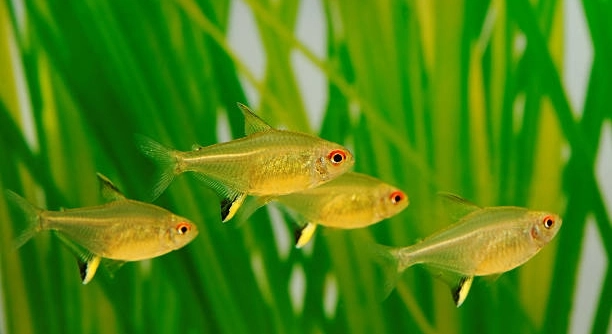
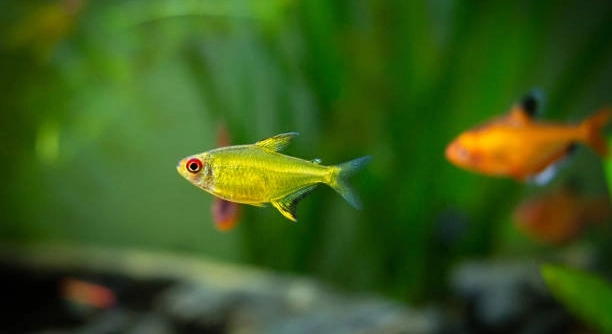
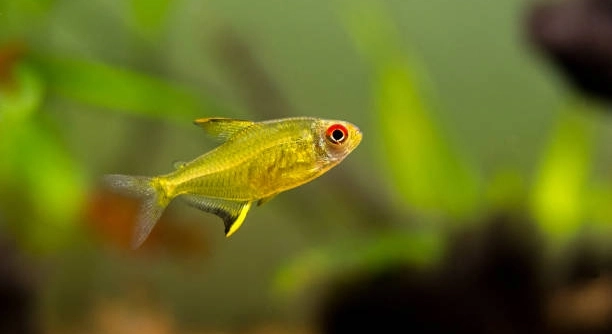
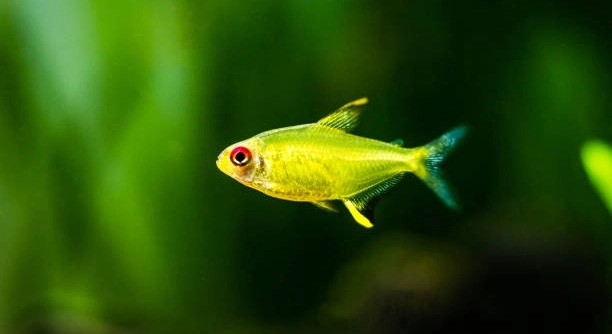
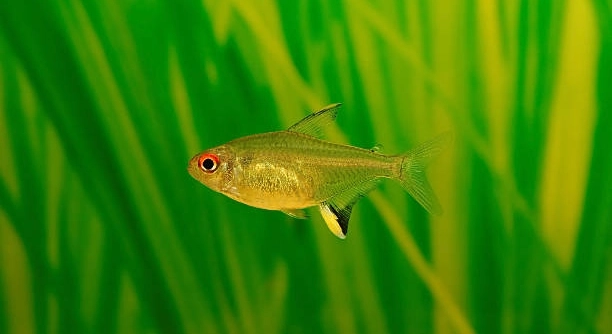
7 Things You Didn’t Know Lemon Tetra Could Do

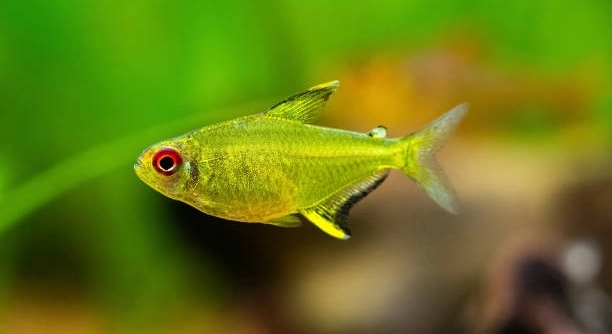
Do you ever find yourself watching your aquarium and noticing the small, bright fish darting about? Lemon tetras may appear simple at first glance, yet these tiny creatures hold surprising behaviors and abilities that many fish keepers overlook. Lemon tetras exhibit several remarkable traits beyond their bright coloration, including unique social behaviors, environmental adaptability, precise … Read more

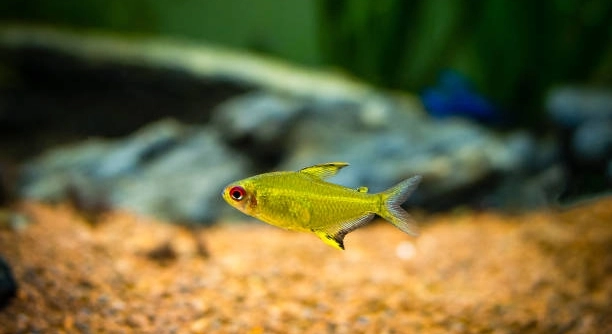
7 Ways Lemon Tetra React to Seasonal Changes

Do you enjoy keeping Lemon Tetra but notice subtle changes in their behavior throughout the year? These small, colorful fish react to shifts in their environment in ways that can be fascinating to observe. Lemon Tetra exhibit distinct behavioral and physiological responses to seasonal changes. Variations in light, temperature, and water chemistry influence their activity … Read more

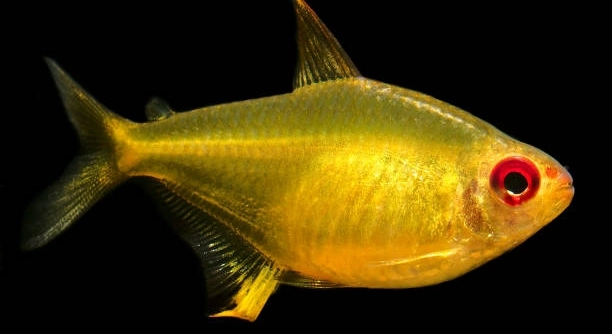
How to Tell When Lemon Tetra Are Resting

Lemon tetras are lively, small fish that brighten up any aquarium. Watching their behavior can be fascinating, especially when they slow down and seem less active during certain times of the day. Observing these changes helps you understand their habits better. Lemon tetras rest by reducing movement, hovering near plants or decorations, and adopting a … Read more

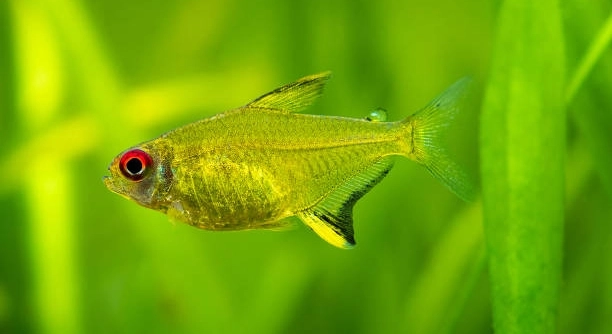
7 Benefits of Keeping Lemon Tetra in Groups

Keeping Lemon Tetra in groups creates a lively and harmonious aquarium environment. These small, vibrant fish naturally enjoy social interaction, and watching them move together brings a sense of calm and visual appeal to any tank. Lemon Tetras thrive in groups because they exhibit more natural behaviors, reduced stress levels, and improved overall health. Social … Read more

Can Lemon Tetra Bond with Each Other?

Lemon tetras are small, vibrant freshwater fish that add life to any aquarium. They are active swimmers, often seen moving gracefully in groups. Observing their behavior can reveal fascinating insights into their social patterns and interactions. Lemon tetras are social creatures that naturally form shoals and exhibit bonding behaviors within their groups. They communicate through … Read more

7 Signs Lemon Tetra Are Ready for Breeding

Lemon tetras are small, colorful fish that bring life to any aquarium. Watching them grow and interact is rewarding, and many hobbyists are eager to see them breed successfully in a home tank environment. Lemon tetras exhibit specific physical and behavioral traits when ready for breeding. Key indicators include intensified coloration, consistent swimming patterns near … Read more

What If Your Arowana Starts Ignoring Its Food?

Is your arowana suddenly refusing the food it once eagerly ate? Observing your fish ignore meals can be worrying, especially when you are committed to keeping it healthy and thriving in its tank environment. Arowanas may stop eating due to stress, water quality issues, illness, or changes in diet. Addressing environmental factors, monitoring for disease, … Read more

Can Lemon Tetra Recognize Other Species?

Do you enjoy keeping a colorful aquarium and noticing how your fish interact with each other? Lemon tetras are lively, small fish that bring vibrancy to any tank, making their behaviors both fascinating and sometimes puzzling. Lemon tetras can recognize other species to a limited extent, mainly by visual and chemical cues. They respond differently … Read more