
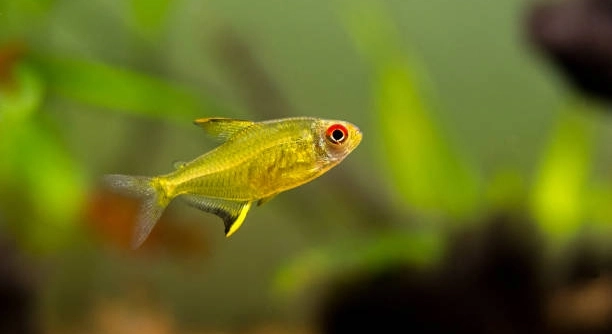
Lemon tetras are small, vibrant freshwater fish that add life to any aquarium. They are active swimmers, often seen moving gracefully in groups. Observing their behavior can reveal fascinating insights into their social patterns and interactions.
Lemon tetras are social creatures that naturally form shoals and exhibit bonding behaviors within their groups. They communicate through subtle movements and maintain cohesion for safety, stress reduction, and coordinated swimming, which strengthens their social structure in a shared aquatic environment.
Learning how lemon tetras bond helps in creating a harmonious aquarium. Proper care and environment enhance their natural interactions and overall well-being.
Understanding Lemon Tetra Social Behavior
Lemon tetras naturally form small groups, often moving together in coordinated patterns. These fish are visually striking, with their bright yellow coloring, and they display behaviors that indicate a strong social connection. Within a shoal, each tetra maintains awareness of its neighbors, responding to movements and changes in direction almost simultaneously. This synchronization is not just for show; it serves as protection against potential threats and reduces stress within the group. In aquariums, providing space and hiding spots allows lemon tetras to express their natural behaviors fully. Observing them interact can be calming, as their swimming appears fluid and purposeful. Over time, these fish may show preferred companions, lingering near certain individuals more often. Maintaining proper water conditions, including temperature, pH, and cleanliness, supports their social interactions. Additionally, a balanced diet ensures they remain active and healthy, further promoting bonding behaviors. Consistent care allows these tetras to thrive in a structured, harmonious environment.
Their bonding strengthens group cohesion, making them more confident and less prone to stress in shared spaces.
When lemon tetras feel secure, they engage in subtle displays, such as fin flicking or synchronized turns. These actions communicate hierarchy, mood, and readiness to feed. In captivity, observing these behaviors helps identify which fish are most compatible. Ensuring a varied environment with plants, open swimming areas, and gentle lighting enhances their interaction. Stressors like overcrowding, sudden movements, or aggressive tankmates can disrupt social bonds. By monitoring these factors, caretakers can maintain harmony within the shoal. The more natural their environment, the more pronounced and healthy their social bonds become.
Encouraging Healthy Bonds
Maintaining stable conditions is key to strong connections.
Providing adequate space, consistent lighting, and calm surroundings promotes interaction. Group size also matters; small shoals may feel isolated, while too many can cause tension. Understanding their preferences allows the formation of a balanced, interactive community. Feeding routines and plant placement support bonding, encouraging natural group behaviors. Regular observation ensures any stress or aggression is addressed early, keeping the group dynamic healthy. Proper care creates an environment where lemon tetras naturally engage and form visible social connections.
In larger aquariums, lemon tetras thrive when allowed to swim freely with companions, creating synchronized patterns that reflect natural behavior. Plants, rocks, and open areas provide security, encouraging fish to explore and interact confidently. Feeding at consistent times reinforces group cohesion, as fish gather and feed together. Changes in water parameters or tank layout can impact social behavior, so maintaining stability is crucial. Observing interactions reveals which fish are most connected, helping guide tank management. Over time, these fish demonstrate preferred companions, often remaining near specific individuals. A balanced, thoughtfully arranged aquarium enhances bonding opportunities and reduces stress. Strong social bonds contribute to longer, healthier lives, allowing lemon tetras to display their natural behaviors fully while maintaining a calm and vibrant tank environment.
Signs of Strong Bonds
Lemon tetras often swim close to specific companions, mimicking movements and staying in tight formations. They may display synchronized turns or fin flicks, indicating comfort and trust. These behaviors show that social bonds are forming and that fish feel secure in their environment.
Fish that have bonded display consistent interaction patterns, choosing to stay near certain group members while exploring together. Feeding times reveal their connection as they gather and eat simultaneously, coordinating movements with subtle cues. Stress is lower in bonded groups, reflected in calmer swimming and less hiding. Bonded fish may even react collectively to changes, signaling awareness and mutual responsiveness, which strengthens the shoal’s cohesion over time. Observing these interactions helps manage tank dynamics effectively.
Bonded lemon tetras often share hiding spots or hover near plants together. These shared spaces indicate trust, and fish may follow companions during exploration. Social grooming is subtle but noticeable, with fish adjusting positions to stay aligned. Such behaviors help reduce stress, support healthy activity levels, and maintain harmony. Strong bonds encourage confidence, making the group more resilient to disturbances like sudden movements or tank changes. Maintaining stable conditions reinforces these connections, ensuring the shoal thrives naturally.
Factors Affecting Bonding
Tank size, water conditions, and group composition directly influence social behavior. Proper environment encourages bonding, while stress can disrupt it.
A sufficiently sized aquarium allows lemon tetras to swim freely, reducing competition and enabling natural interactions. Stable water parameters, including pH, temperature, and cleanliness, are critical for stress-free conditions. Group composition also matters; having at least six individuals promotes healthy social dynamics, whereas too few may prevent bonding, and overcrowding can cause aggression. Plants, decorations, and open swimming areas provide both security and opportunities for exploration, supporting the formation of relationships. Consistent feeding routines reinforce group cohesion, while sudden changes in the environment can disrupt established patterns. Observing fish daily helps identify issues early, allowing timely adjustments to maintain harmony.
Feeding variety, environmental enrichment, and proper lighting all play roles in sustaining bonds. Including live plants and hiding areas reduces stress and encourages natural behaviors, allowing fish to interact confidently. Gentle water flow and stable temperatures enhance comfort, supporting consistent social activity. Group size is essential; smaller groups may struggle to form bonds, and larger shoals need enough space to prevent tension. Monitoring interactions ensures no fish is isolated or bullied. Over time, these measures create a balanced tank where lemon tetras swim in synchrony, share spaces, and maintain healthy, visible social connections, reflecting a thriving community.
Common Bonding Behaviors
Lemon tetras often swim in coordinated patterns, staying close to select companions. They may flick fins, follow one another, or hover near plants together. These subtle actions reflect comfort, trust, and a growing social bond within the group.
Observing feeding times reveals their connections, as bonded fish often eat side by side. They respond collectively to environmental changes, such as movement near the tank, showing heightened awareness and mutual trust. Bonded fish also share hiding spots without conflict, demonstrating cohesion. Recognizing these behaviors allows for better tank management and ensures the shoal remains healthy and calm.
Environmental Support for Bonding
Providing proper space, plants, and gentle water flow encourages natural interaction. Stable temperatures and clean water reduce stress and promote consistent social behavior. A balanced group size and regular feeding routines strengthen connections, allowing lemon tetras to bond effectively and maintain harmony within the tank.
Stress and Its Impact
Stress can weaken social bonds and trigger hiding or aggression. Monitoring water conditions, group size, and tank environment helps prevent disturbances and supports natural behaviors.
FAQ
How many lemon tetras should be kept together for proper bonding?
Lemon tetras are shoaling fish, meaning they feel safest and most comfortable in groups. A minimum of six is recommended to allow natural social behaviors. Smaller groups may lead to stress and isolation, while larger groups need enough space to prevent overcrowding and aggression. Observing interactions helps identify compatible companions within the shoal.
Can lemon tetras bond with fish of other species?
While lemon tetras prefer their own kind, they can coexist peacefully with other small, non-aggressive species. However, bonding is strongest within their own group. Mixed-species tanks may provide visual interest, but the depth of social connection is limited compared to interactions among their own kind.
What signs indicate strong social bonds in lemon tetras?
Strong bonds are visible when fish swim in coordinated patterns, follow each other, and share hiding spots without conflict. During feeding, bonded fish often eat side by side. Calm behavior, synchronized movement, and collective responses to environmental changes indicate cohesion and trust.
How does tank size affect bonding?
A spacious tank allows lemon tetras to explore, swim freely, and establish social groups without stress. Overcrowding can increase tension, while too little space may prevent natural bonding behaviors. Providing both open swimming areas and plant-covered hiding spots ensures comfort and security.
Does diet influence social behavior?
Yes, a consistent and balanced diet supports energy levels and overall health, which promotes natural interaction. Feeding at regular intervals encourages group cohesion as fish gather and feed together. Lack of proper nutrition can cause lethargy or stress, weakening bonds and reducing visible social behaviors.
Can stress break established bonds?
Stress from sudden changes in water conditions, aggressive tankmates, or overcrowding can disrupt bonds. Fish may hide, swim erratically, or avoid companions. Maintaining stable water parameters, gentle water flow, and a calm environment is essential to preserve social connections.
Do bonded lemon tetras have preferred companions?
Yes, over time, individual tetras often show attachment to certain group members, staying closer and coordinating movements more with these companions. This preference reflects trust and comfort. Providing stable conditions allows these natural relationships to develop fully.
How long does it take for lemon tetras to bond?
Bonding begins as fish acclimate to a new tank but can take several weeks to fully form. Observing interactions daily helps identify early signs of connection, while maintaining a stable environment accelerates the process. Patience is key to allowing natural bonds to develop.
Can environmental enrichment improve bonding?
Adding plants, decorations, and hiding areas encourages exploration and interaction. Fish feel secure in enriched spaces, reducing stress and allowing them to display natural behaviors. Variety in the environment also encourages synchronized swimming and shared activity, strengthening group cohesion.
What behaviors suggest weak or broken bonds?
Isolation, aggression, or constant hiding indicates weak social connections. Fish may avoid previously preferred companions or fail to coordinate movement. Identifying stressors and adjusting tank conditions can help restore harmony and rebuild bonds within the group.
Does lighting affect social behavior?
Moderate, consistent lighting supports natural activity patterns. Too bright or sudden changes can cause stress, reducing interaction. Gentle, steady lighting encourages fish to explore, swim in groups, and maintain established bonds.
How can new fish be introduced without disrupting bonding?
Introduce new fish gradually, preferably in a separate container first, allowing the existing group to adjust. Monitor interactions carefully. Sudden additions can trigger stress, breaking bonds. Providing extra hiding spots during integration helps both newcomers and established fish feel secure.
Are bonded lemon tetras healthier than isolated ones?
Bonded fish exhibit lower stress, more consistent activity, and better feeding behavior, all of which contribute to overall health. Isolated or stressed fish may show lethargy, poor appetite, or weakened immune responses, highlighting the importance of social interaction.
Can breeding influence bonds?
Breeding may temporarily shift focus to mating behaviors, but social bonds within the shoal usually remain intact if the tank is well-maintained. Providing adequate space and hiding spots helps balance reproductive activity with ongoing social interactions.
How can I monitor bonds without stressing my fish?
Observing from a distance or during feeding allows you to see natural behavior without interference. Look for coordinated swimming, shared hiding spots, and collective responses to changes. Avoid tapping the glass or sudden movements, which can disrupt social dynamics.
Final Thoughts
Lemon tetras are naturally social fish that thrive in groups. Their behaviors reflect comfort, trust, and coordination, which are key indicators of strong social bonds. Observing them in a well-maintained aquarium shows how they swim together, share hiding spots, and respond collectively to changes in their environment. These interactions are subtle but meaningful, revealing the connections that form within a shoal. A calm tank with stable water parameters allows these fish to display natural behaviors, promoting both physical health and emotional well-being. Over time, bonded lemon tetras develop preferred companions, often staying close and moving in sync. Providing adequate space, hiding areas, and consistent feeding routines supports these connections. Stressors, such as overcrowding or aggressive tankmates, can weaken bonds, but careful observation and adjustments help maintain harmony. Watching them interact offers insight into their personalities and social preferences, which can be satisfying and reassuring for anyone maintaining an aquarium.
Creating the right environment is essential for maintaining these bonds. Water quality must remain stable, including temperature, pH, and cleanliness, as even minor fluctuations can cause stress. Tank layout plays an equally important role, with open areas for swimming and plants or decorations for security. Proper lighting and gentle water flow enhance comfort, allowing fish to move freely while feeling protected. Group size also impacts social dynamics; too few fish may struggle to form bonds, while overcrowding can lead to tension and aggression. Regular feeding helps reinforce group cohesion, as fish gather and coordinate while eating. Observing how individual fish interact can guide adjustments, such as adding plants or rearranging decorations to reduce stress points. By maintaining consistent conditions, bonded lemon tetras can exhibit natural shoaling behavior, remain active, and maintain healthy relationships within the tank.
Ultimately, understanding and supporting lemon tetra bonds improves both the fish’s quality of life and the overall harmony of the aquarium. Their social behaviors are indicators of health, stress levels, and comfort, making it easier to identify when adjustments are needed. Providing a balanced diet, a secure environment, and opportunities for interaction allows fish to thrive naturally. Bonded lemon tetras are more confident, active, and less likely to hide or exhibit aggression. Observing their interactions can be rewarding, as it reveals subtle behaviors and connections that indicate a strong, healthy shoal. By paying attention to these details and making thoughtful changes to the tank setup, it is possible to encourage long-lasting bonds that benefit the fish and create a vibrant, cohesive aquatic community. Consistent care, patience, and attention to environmental factors are key to sustaining these connections, ensuring that lemon tetras remain healthy, active, and socially engaged.

Hello,
If you enjoy the content that we create, please consider saying a "Thank You!" by leaving a tip.
Every little bit helps us continue crafting quality advice that supports the health, happiness, and well-being of pets around the world, for pets of all shapes, sizes, and species.
We really appreciate the kindness and support that you show us!