
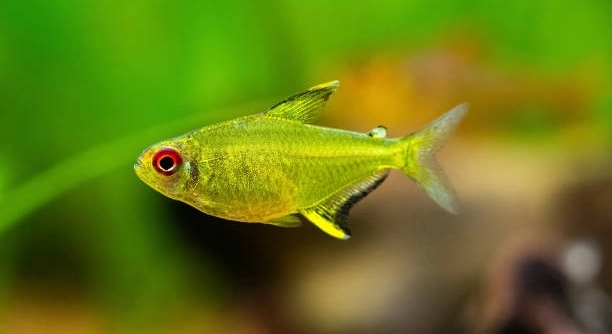
Do you ever find yourself watching your aquarium and noticing the small, bright fish darting about? Lemon tetras may appear simple at first glance, yet these tiny creatures hold surprising behaviors and abilities that many fish keepers overlook.
Lemon tetras exhibit several remarkable traits beyond their bright coloration, including unique social behaviors, environmental adaptability, precise feeding habits, subtle communication methods, reproductive strategies, stress responses, and instinctual survival techniques that enhance their interaction within aquarium communities.
Understanding these abilities can change the way you care for your fish. Exploring their hidden behaviors will provide insight into their well-being and environment.
Social Dynamics and Schooling Behavior
Lemon tetras are highly social fish that thrive when kept in small groups. They establish a subtle hierarchy within their school, which helps maintain order and reduces conflict. Observing them, you can notice how they swim together in coordinated patterns, often changing direction as a unit. This schooling behavior is not random but serves multiple purposes. It provides protection from perceived threats, helps in efficient foraging, and encourages natural movement patterns that keep the fish healthy. These fish communicate through body language, flashes of color, and positioning within the group. Younger or weaker individuals often stay near the center of the school for safety. Dominant fish may patrol the edges or assert control in subtle ways, such as chasing or nudging others. Understanding these dynamics allows you to create a more balanced aquarium setup. Proper space, hiding spots, and group size all contribute to maintaining peaceful interactions and minimizing stress among lemon tetras.
Their social behavior is critical for both mental and physical health, and observing it closely can improve aquarium management and fish happiness.
Keeping lemon tetras in groups of six or more encourages natural movement patterns. These fish instinctively form schools that respond to changes in light, activity, and feeding times. By providing a structured environment with plants and open swimming areas, you allow them to exhibit their natural coordination. Watching their synchronized movement is both calming and informative, revealing subtle social cues and relationships within the school. Stress is minimized when they feel secure in numbers, which also supports their immune systems.
Feeding Habits and Diet Preferences
Lemon tetras are omnivorous and adapt well to a variety of foods, including flakes, pellets, and live options.
They have precise feeding habits, often picking at food in small bites throughout the day. A balanced diet supports growth, coloration, and energy levels. Providing live or frozen foods like daphnia or brine shrimp encourages natural hunting behavior and keeps them engaged. Overfeeding can lead to water quality issues and health problems, so portion control is important. Observation is key: each fish may have slight preferences that influence how they interact during feeding. Rotating foods prevents nutrient deficiencies and supports overall vitality. Even with prepared foods, small treats can stimulate their natural instincts. Feeding in multiple locations reduces competition and stress among school members. By paying attention to these habits, you can ensure a stable, thriving environment.
Understanding their feeding preferences in detail allows better care, improving coloration, growth, and longevity. Healthy diets reduce illness, enhance activity, and make interactions more predictable. Observing how lemon tetras approach food also provides insight into their social structure and individual personalities, which can guide adjustments in tank setup or feeding schedules. Consistency in diet, combined with occasional enrichment foods, ensures that the tetras remain active and vibrant. Balanced nutrition supports reproductive readiness and helps maintain a calm, orderly group. Each feeding session can become a small study in behavior, revealing subtle differences in energy, dominance, and interaction. Maintaining water quality alongside diet is essential to prevent stress, disease, or aggression, keeping the aquarium a stable and inviting environment for all inhabitants.
Color Changes and Mood Indicators
Lemon tetras change their coloration based on mood, health, and environment. Stress, excitement, or illness can make their yellow tones dull or darker. Observing these shifts provides insight into their well-being.
Color changes are subtle but noticeable with careful observation. When happy or healthy, lemon tetras display bright yellow hues and clear, shimmering fins. Stressors like overcrowding, sudden water changes, or aggressive tank mates can cause colors to fade temporarily. Lighting also affects their appearance, as natural or soft white lights enhance their vibrant shades. Mood-related color shifts are often accompanied by changes in behavior, such as faster swimming, hiding, or frequent interactions with other school members. Keeping water stable, maintaining proper diet, and reducing sudden disturbances can help restore optimal coloration.
Regular observation of color can act as an early warning system for health issues. Dull or inconsistent colors may indicate dietary deficiencies, illness, or stress. By adjusting the tank environment and ensuring proper nutrition, these issues are often resolved. Noticing patterns in their color shifts also helps predict social dynamics within the school, revealing dominant or anxious individuals. Consistent monitoring allows for preventive measures, reducing sudden stress-related problems. Color is a natural communication method, so learning to read these changes improves overall care. Proper lighting, clean water, and balanced diet reinforce their natural brightness.
Breeding Behavior and Reproduction
Lemon tetras spawn in dense vegetation or fine-leaved plants. Eggs are scattered, and adults should be separated to prevent predation.
During breeding, males display intensified colors and perform small courtship dances to attract females. Females release eggs in multiple batches over several days, often choosing secluded areas for protection. After spawning, it is essential to remove adults from the tank to prevent them from eating the eggs. Maintaining slightly acidic and soft water encourages egg development and hatching. Fry emerge in two to three days and require microscopic food initially, gradually transitioning to finely crushed flakes. Consistent water quality and minimal disturbances support successful growth.
Breeding lemon tetras requires careful planning and monitoring. Optimal conditions include stable temperatures, adequate hiding spots, and controlled lighting. Separating fry as they grow reduces competition and stress. Observing adult behavior prior to spawning helps anticipate egg-laying and allows preparation of a safe nursery area. Feeding adults nutritious foods improves fertility and egg quality. Managing water parameters closely, including pH and hardness, increases hatching success. Even minor fluctuations can impact embryo development, so routine checks are necessary. Providing gentle filtration ensures oxygenation without disturbing eggs or fry. With attention to detail, lemon tetras can reproduce successfully, creating healthy, vibrant new generations within the aquarium.
Stress Responses
Lemon tetras react quickly to changes in their environment. Sudden loud noises, temperature swings, or aggressive tank mates can trigger hiding, rapid swimming, or color dulling.
Signs of stress are often subtle. Reduced activity, clamped fins, and loss of appetite indicate the need for immediate adjustments. Providing stable water conditions and calm surroundings helps them recover effectively.
Interaction with Tank Mates
Lemon tetras are peaceful and do best with similarly sized, non-aggressive fish. Avoid large or territorial species that may harass them.
They communicate through body language and positioning within the group. Observing how they respond to new tank mates helps maintain harmony. Compatibility and sufficient space reduce conflicts and ensure a thriving community.
Environmental Adaptability
These fish adjust to varying water conditions, including soft or moderately hard water and slightly acidic to neutral pH. Consistent maintenance allows them to adapt without stress.
They thrive in planted tanks with open swimming areas and hiding spots. Adjusting lighting, decorations, and temperature gradually supports long-term health and reduces behavioral problems.
Survival Instincts
Lemon tetras rely on schooling, quick reflexes, and color changes to evade potential threats.
Understanding these instincts helps create a secure and responsive environment, keeping them safe while encouraging natural behavior.
FAQ
How many lemon tetras should I keep together?
Lemon tetras are schooling fish, so they do best in groups of six or more. Keeping them in smaller numbers can lead to stress, shyness, and reduced activity. A larger group allows natural social behavior to emerge, providing safety and balance within the tank.
What water conditions are ideal for lemon tetras?
They thrive in slightly acidic to neutral water, with a pH between 6.0 and 7.0. Water hardness should be soft to moderately hard. Temperature should remain stable between 72°F and 79°F. Consistent water changes and proper filtration are essential to maintain these conditions.
What do lemon tetras eat?
Lemon tetras are omnivores. They eat high-quality flakes, pellets, and small live or frozen foods like brine shrimp or daphnia. Offering a variety of foods ensures proper nutrition, encourages natural hunting behavior, and maintains their vibrant coloration. Feeding small portions multiple times a day prevents overeating.
Can lemon tetras live with other fish?
Yes, they are peaceful and compatible with similarly sized, non-aggressive species. Avoid large, territorial, or fin-nipping fish. Providing enough space and hiding spots helps reduce stress and allows the school to maintain natural social behavior.
How do I know if my lemon tetras are healthy?
Healthy tetras display bright yellow coloration, clear fins, and consistent activity. They should swim together in coordinated patterns and respond to feeding. Signs of illness include faded colors, clamped fins, lethargy, or sudden changes in behavior. Prompt attention to water quality and diet supports recovery.
How often should I feed them?
Feed lemon tetras small portions two to three times daily. Overfeeding can pollute the tank and lead to health issues. Observe their behavior during feeding to ensure all fish are eating and adjust portions if necessary. Rotating food types helps provide balanced nutrition.
Do lemon tetras breed easily in captivity?
Yes, they can breed if provided proper conditions. Males display intensified colors and perform courtship behaviors. Dense vegetation or fine-leaved plants are ideal for egg-laying. Adults should be separated after spawning to prevent them from eating the eggs, and water conditions should remain stable for successful hatching.
What is the best tank setup for lemon tetras?
A planted tank with open swimming areas works best. Include hiding spots, gentle filtration, and stable lighting. Avoid sudden changes in environment. Grouping them properly and providing consistent care promotes natural schooling behavior, reduces stress, and encourages overall health.
How do I manage stress in lemon tetras?
Stress is caused by sudden changes, aggressive tank mates, overcrowding, or poor water conditions. Signs include hiding, rapid swimming, or dull colors. Maintaining stable water, calm surroundings, and proper diet helps reduce stress. Observing behavior and addressing problems quickly ensures long-term health.
Why do their colors sometimes change?
Color changes reflect mood, stress, or health. Bright yellow indicates well-being, while dull or faded colors suggest stress, illness, or poor water conditions. Proper lighting, diet, and a calm environment help restore and maintain vibrant coloration.
How long do lemon tetras live?
With proper care, lemon tetras typically live 3 to 5 years. Stable water conditions, a balanced diet, and a suitable tank environment contribute to longevity. Regular observation and preventive care reduce risks of illness and stress.
Can lemon tetras recognize their owners?
While not as interactive as some fish, lemon tetras can notice movements around the tank and associate feeding times with specific activity. Their recognition is subtle but indicates comfort and familiarity with their environment.
What common problems should I watch for?
Watch for signs of stress, illness, or aggressive tank mates. Poor water quality can lead to disease. Overfeeding and overcrowding also create issues. Regular maintenance, proper diet, and observing social behavior help prevent common problems and keep the school thriving.
Do lemon tetras require special lighting?
Moderate, consistent lighting enhances their coloration and supports plant growth. Avoid sudden or intense light changes, which can stress the fish. A natural day-night cycle is best, ideally around 10–12 hours of light daily, with gentle transition periods in the morning and evening.
Can lemon tetras adapt to new tanks easily?
Yes, they are adaptable if introduced gradually. Acclimate them slowly by matching water temperature and chemistry. Allow them to explore and form a school naturally. Providing plants and hiding spots eases stress during the transition.
How do I care for lemon tetra fry?
Fry require tiny food like infusoria or specialized fry food initially. Gradually transition to finely crushed flakes as they grow. Maintain clean, stable water and minimal disturbance. Regular monitoring supports healthy development and survival.
Are lemon tetras sensitive to water changes?
They prefer gradual, consistent water changes. Sudden large changes in temperature, pH, or hardness can stress them. Small, frequent water replacements maintain stability while removing toxins, supporting health and schooling behavior.
What tank size is recommended?
A minimum of 20 gallons is ideal for a small school of lemon tetras. Larger tanks allow more stable conditions, sufficient swimming space, and room for compatible tank mates. Proper space reduces stress and encourages natural behavior.
How do I prevent disease in lemon tetras?
Maintain clean water, provide balanced nutrition, and avoid overcrowding. Quarantine new fish before introducing them. Observe behavior regularly, and treat any signs of illness promptly to prevent spread and maintain a healthy school.
Do lemon tetras interact with plants?
Yes, they often swim through plants for cover or exploration. Dense or fine-leaved plants are preferred for hiding and breeding. Plants provide a sense of security and encourage natural movement and social behavior.
Can lemon tetras tolerate different pH levels?
They prefer slightly acidic to neutral water, but moderate changes are tolerated if gradual. Sudden shifts can cause stress and color fading. Regular monitoring ensures conditions remain within their comfort range.
How do I know if they are stressed by tank mates?
Signs include hiding, frantic swimming, loss of appetite, or faded colors. Observing interactions closely allows adjustments, such as adding plants, reducing aggressive species, or increasing tank space to restore harmony.
Are lemon tetras suitable for beginners?
Yes, they are hardy, adaptable, and relatively easy to care for. With proper water conditions, diet, and group management, they thrive in home aquariums, providing a peaceful and visually appealing school.
Can they jump out of the tank?
While not frequent jumpers, lemon tetras may occasionally leap during sudden stress or disturbances. A secure lid or cover prevents accidental escapes and keeps them safe.
Do they require frequent tank cleaning?
Regular maintenance, including partial water changes and substrate cleaning, keeps water quality high. Over time, uneaten food and waste accumulate, so weekly or biweekly cleaning supports health and prevents disease.
How can I tell if they are happy?
Active swimming, bright coloration, coordinated schooling, and regular feeding behavior indicate contentment. A calm, balanced environment encourages natural activity and reduces signs of stress. Observing these behaviors helps maintain a thriving aquarium.
Are lemon tetras sensitive to medication?
Yes, they can be sensitive to certain treatments. Always follow dosage instructions and monitor behavior during treatment. Some medications affect water chemistry, so partial water changes or adjustments may be necessary to avoid stress or toxicity.
Can lemon tetras live in community tanks?
Yes, with peaceful, similarly sized fish. They thrive in communities that provide open swimming space, hiding spots, and minimal aggression. Careful selection of compatible species ensures harmony and reduces stress.
Do they need a specific diet for coloration?
A varied diet with protein-rich and natural color-enhancing foods supports their yellow hues. Rotating flakes, pellets, and live or frozen foods promotes vibrancy and overall health.
How quickly do lemon tetras grow?
Growth is steady, typically reaching adult size in 6–9 months. Nutrition, water quality, and group dynamics influence growth rates. Proper care ensures healthy development and prevents stunted growth.
Can they survive in slightly cooler water?
They tolerate minor drops in temperature but prefer consistent warmth between 72°F and 79°F. Cooler water slows metabolism and activity, potentially affecting feeding and coloration. Gradual acclimation is essential if adjustments are necessary.
How do I handle a sudden disease outbreak?
Isolate affected fish immediately. Test water parameters, clean the tank, and treat as directed for the specific illness. Quarantining new fish in advance helps prevent outbreaks. Observing behavior daily allows early detection and faster response.
Are lemon tetras sensitive to light cycles?
Yes, a consistent light schedule helps regulate behavior and coloration. Sudden changes can stress the fish. A 10–12 hour day-night cycle with gradual transitions promotes natural activity and reduces tension in the school.
Can they recognize each other?
Yes, they form bonds within the school. Fish often maintain consistent positioning and respond to familiar individuals. Recognizing others supports schooling cohesion and reduces aggression or competition.
What are signs of overfeeding?
Uneaten food, cloudy water, and sluggish behavior indicate overfeeding. Adjust portion sizes and feeding frequency. Maintaining balance prevents water quality issues and health problems.
Do lemon tetras enjoy planted tanks?
Yes, plants provide cover, reduce stress, and encourage natural movement. Dense vegetation also supports breeding and offers visual enrichment. Properly maintained plants contribute to both fish health and aquarium aesthetics.
How often should I monitor water parameters?
Weekly checks of pH, temperature, and hardness are recommended. Frequent observation ensures stable conditions, reduces stress, and prevents illness. Prompt adjustments maintain a thriving environment.
Can lemon tetras live in a bare-bottom tank?
Yes, but they prefer some cover for security. Plants or decorations provide hiding spots and reduce stress, encouraging natural behavior. Bare-bottom tanks require more careful attention to provide shelter and maintain water quality.
Do they respond to feeding by humans?
Yes, they can recognize movement and associate it with food. Feeding times become predictable, and fish may gather near the source, demonstrating comfort and familiarity with their environment.
How do I prevent aggression within the school?
Maintain sufficient group size and space, provide hiding spots, and avoid mixing aggressive species. Observing interactions and adjusting the environment helps minimize conflicts and keeps social behavior stable.
Are lemon tetras prone to specific diseases?
They can be affected by common freshwater issues like ich, fin rot, or swim bladder problems. Maintaining water quality, proper diet, and quarantining new fish reduces risk and ensures long-term health.
How long should I acclimate new tetras?
Gradual acclimation over one to two hours helps match water temperature and chemistry. Drip acclimation or floating bags in the tank reduces stress and prevents shock.
Can lemon tetras tolerate slight salinity?
Minor levels of salt may be tolerated for specific treatments, but they thrive in freshwater. Avoid long-term exposure to saline conditions as it can cause stress or health issues.
What is the best method for observing behavior?
Quiet observation from outside the tank without sudden movements allows natural behavior. Noting schooling patterns, feeding, and interactions provides insight into social hierarchy, health, and well-being.
Do they need aeration?
Moderate aeration is beneficial. Proper oxygenation supports activity and reduces stress. Avoid strong currents, as they prefer gentle water movement for schooling and feeding.
Can they live with shrimp or snails?
Yes, they generally coexist peacefully with small invertebrates. Ensure that tank conditions meet all species’ requirements and that shrimp or snails have hiding spaces to prevent stress or predation.
Do lemon tetras need seasonal care changes?
Not typically, as aquarium conditions are controlled. Maintaining stable water, diet, and group dynamics year-round is sufficient for their health and behavior.
Are lemon tetras sensitive to chlorine or chloramine?
Yes, untreated tap water can harm them. Use water conditioners to neutralize chlorine and chloramine before adding water to the tank. Regular testing ensures safe conditions.
How do I know if they are stressed from water changes?
Signs include frantic swimming, hiding, clamped fins, or faded colors. Gradual water replacement and temperature matching reduce stress and maintain stable conditions.
Can lemon tetras tolerate slightly hard water?
They adapt to moderately hard water, but sudden changes may cause stress. Gradual adjustments maintain comfort and support natural behavior.
What are signs of a well-balanced school?
Active swimming, synchronized schooling, vibrant coloration, and minimal aggression indicate a balanced group. Stable interactions support health, reduce stress, and encourage natural behavior.
Do lemon tetras need special filtration?
Moderate, gentle filtration is ideal. It maintains water quality without creating strong currents that disrupt schooling or stress the fish. Proper filtration reduces disease risk and supports a healthy environment.
How often should I trim plants in their tank?
Regular trimming prevents overcrowding, maintains swimming space, and ensures hiding spots remain accessible. Healthy plant maintenance supports both fish well-being and overall tank aesthetics.
Are lemon tetras sensitive to temperature fluctuations?
Yes, they prefer stable temperatures between 72°F and 79°F. Sudden changes can stress them, affecting feeding, coloration, and immune response. Gradual adjustments prevent health issues.
Can they live in tanks with fluctuating light intensity?
Frequent, sudden changes in light can stress them. A consistent cycle with gentle transitions maintains natural behavior, coloration, and well-being.
Do lemon tetras require quarantine before adding to a tank?
Yes, quarantining new fish prevents disease introduction. Observing for signs of illness and gradually acclimating them to tank conditions ensures safety for the existing school.
Can lemon tetras survive short periods without food?
They can tolerate brief fasting, but prolonged periods negatively affect health. Regular feeding schedules maintain energy, growth, and coloration. Monitoring behavior ensures they are eating sufficiently.
Are lemon tetras sensitive to vibrations or external movement?
Yes, excessive vibrations or sudden tank activity can startle them. Minimizing disturbances reduces stress and supports calm schooling behavior.
How do I choose compatible plants for them?
Select plants with dense or fine leaves to provide cover, support breeding, and allow natural movement. Plants should not obstruct swimming areas while offering hiding spaces.
Do lemon tetras require a specific tank shape?
Rectangular tanks with open swimming areas are ideal. Depth is less important than providing sufficient horizontal space for schooling and interaction. Proper layout supports health and social behavior.
Can they tolerate minor nitrate levels?
They can handle low nitrate levels, but regular water changes are essential. High nitrates stress fish, dull colors, and increase susceptibility to disease.
What is the best way to clean the substrate?
Use a gentle siphon to remove uneaten food and waste without disturbing plants or fry. Regular cleaning supports water quality and reduces stress.
Do lemon tetras show territorial behavior?
They are generally peaceful and non-territorial, relying on schooling for security. Aggression is rare and often due to overcrowding, incompatible tank mates, or limited space.
How do I monitor their social hierarchy?
Observe positioning within the school, subtle chasing, or nudging behaviors. Dominant individuals may patrol edges, while weaker fish stay central. Awareness allows adjustments to tank conditions to maintain balance.
Can they live with bettas or other semi-aggressive fish?
It is risky, as bettas may nip fins or stress them. Careful observation and sufficient space are necessary if mixing, but peaceful tank mates are safer.
How do I acclimate fry to adult diets?
Gradually introduce finely crushed flakes or micro pellets while continuing small live foods. Monitor growth and behavior to ensure proper nutrition during transition.
Are lemon tetras active at night?
They are diurnal and most active during daylight. Nighttime activity is minimal, and they may rest among plants or decorations. Stable light cycles support their natural rhythm.
Do they need water movement?
Moderate, gentle water movement helps oxygenation without stressing the school. Avoid strong currents that disrupt schooling or make swimming difficult.
How can I prevent fin damage?
Avoid sharp decorations, aggressive tank mates, and overcrowding. Providing space and peaceful companions ensures fins remain intact and healthy.
Can lemon tetras adapt to different water chemistries gradually?
Yes, gradual changes in pH, hardness, or temperature allow adaptation. Sudden shifts can stress them, affecting behavior, coloration, and health.
Do lemon tetras interact with invertebrates?
Yes, they generally coexist peacefully with small shrimp or snails. Ensuring proper hiding spots prevents stress or accidental predation.
Are they suitable for nano tanks?
They can live in small tanks if kept in proper groups, but schooling behavior may be limited. A minimum of 20 gallons is preferable for natural activity.
Can they tolerate mild water flow from filters?
Yes, gentle flow is acceptable and supports oxygenation. Strong currents can stress fish and disrupt schooling behavior.
Do lemon tetras need supplemental vitamins?
High-quality flakes and occasional live or frozen foods provide sufficient nutrition. Supplements are only needed if deficiencies are suspected.
How do I know if they are comfortable with tank mates?
Active swimming, coordinated schooling, and lack of hiding indicate comfort. Stress signs suggest adjustments are necessary for harmony.
Can they survive in slightly alkaline water?
They tolerate minor alkalinity, but prolonged exposure outside preferred pH can stress them and reduce coloration. Gradual adaptation minimizes risk.
Are lemon tetras prone to jumping during water changes?
Yes, sudden disturbances can cause leaping. Using a secure lid prevents escapes and ensures safety.
How do I maintain consistent coloration?
Provide a varied diet, proper lighting, stable water parameters, and minimal stress. Observing behavior and environment supports vibrant colors.
Do lemon tetras show individual personalities?
Yes, subtle differences in activity, boldness, and interactions can be observed. Recognizing these traits helps understand their behavior and social dynamics.
Can they live with goldfish?
No, goldfish are larger, messier, and may outcompete tetras for food. Small, peaceful species are more suitable companions.
Are lemon tetras sensitive to tank decorations?
Sharp or rough decorations can harm fins. Smooth surfaces and plants for cover create a safe environment while allowing natural movement.
Do they need a specific feeding routine?
Regular, small meals throughout the day support energy, growth, and coloration. Observation ensures all fish eat and reduces overfeeding.
Can lemon tetras tolerate slight variations in temperature?
Minor fluctuations are tolerated, but rapid or large changes can stress them. Gradual adjustments maintain comfort and natural behavior.
Do lemon tetras respond to their reflection?
Some may notice reflections but do not perceive them as threats. They focus on school members for social interactions rather than mirrors.
**How do I prevent
Lemon tetras are small, bright, and active fish that bring life to any aquarium. Their social nature and schooling behavior make them a fascinating species to observe. Understanding their habits, from feeding patterns to interactions within the school, helps ensure they thrive. These fish are adaptable, yet they respond strongly to changes in their environment, including water quality, tank mates, and available space. Keeping a group of lemon tetras in a well-maintained tank with sufficient swimming areas and hiding spots allows them to display natural behaviors, which is essential for their well-being. Observing subtle cues, such as color changes or shifts in activity levels, provides insight into their mood and health. Paying attention to these details not only supports the fish’s physical health but also enhances the overall experience of keeping them. Regular monitoring of water parameters, feeding schedules, and social interactions is crucial, as these factors directly impact their stress levels and longevity. By maintaining a stable environment and providing proper nutrition, hobbyists can enjoy the vibrancy and coordinated movements of a healthy lemon tetra school.
Lemon tetras also exhibit interesting behaviors related to reproduction and communication. During breeding, males show intensified coloration and courtship behaviors, while females select protected areas for egg-laying. Ensuring appropriate conditions for spawning, such as soft, slightly acidic water and dense vegetation, improves success rates. Fry require specialized care, including tiny foods and stable water conditions, to grow into healthy adults. Beyond reproduction, these fish communicate subtly through body language, positioning within the school, and brief flashes of color. Recognizing these signals allows for better tank management and ensures that the group remains harmonious. Environmental enrichment, such as plants and open swimming space, supports natural behavior and reduces stress. Even small adjustments, like providing multiple feeding spots or maintaining consistent lighting, can improve their quality of life. Their adaptability means they can thrive in a range of tank setups, but stability remains key. By observing their interactions and understanding their needs, caretakers can create an environment where lemon tetras feel secure, active, and healthy.
Caring for lemon tetras requires attention to detail, but it is rewarding. These fish are relatively hardy, yet they thrive when their needs are met consistently. Group size, water parameters, feeding practices, and compatible tank mates all influence their well-being. Stress reduction is particularly important, as sudden changes in temperature, aggressive companions, or overcrowding can negatively affect their behavior and health. Providing a structured yet flexible environment allows the fish to express natural behaviors while maintaining balance within the school. Their bright yellow coloration and lively movement make them visually appealing, but these traits also serve as indicators of their condition. By maintaining good water quality, a balanced diet, and a stable social group, caretakers can support both the physical health and natural instincts of lemon tetras. Over time, watching their coordinated swimming, subtle interactions, and gradual growth creates a deeper appreciation for these small, dynamic fish. Thoughtful care not only ensures their survival but allows them to display the behaviors and vibrancy that make lemon tetras a popular choice for home aquariums, demonstrating the rewards of attentive and informed fishkeeping.

Hello,
If you enjoy the content that we create, please consider saying a "Thank You!" by leaving a tip.
Every little bit helps us continue crafting quality advice that supports the health, happiness, and well-being of pets around the world, for pets of all shapes, sizes, and species.
We really appreciate the kindness and support that you show us!