
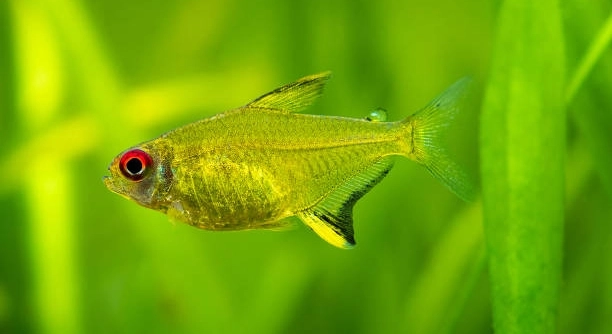
Are your arowanas struggling to see clearly in their tank, making it hard for them to navigate or catch food? Vision issues are more common than many fish owners realize and can affect their overall health and behavior.
Several factors can obstruct arowana vision, including poor water quality, eye infections, physical injuries, nutritional deficiencies, improper lighting, genetic abnormalities, and parasitic infestations. Each of these factors can significantly impair visual clarity and require specific interventions to restore proper eye function.
Understanding these causes is crucial for maintaining your arowanas’ well-being and ensuring they thrive in a safe, clear environment. Proper care starts with recognizing the hidden challenges.
Poor Water Quality
Maintaining clean water is essential for arowanas’ vision and overall health. Dirty or polluted water can irritate their eyes, causing cloudiness or swelling. Excess ammonia, nitrites, or nitrates from overfeeding or insufficient filtration can damage delicate eye tissues. Regular water changes and monitoring chemical levels help prevent long-term eye problems. Even slight imbalances in pH or hardness may stress the fish and worsen vision issues. Filtration systems should be appropriate for tank size, and substrate should be cleaned to avoid debris buildup. Observing your arowanas regularly allows you to detect early signs of stress or eye discomfort, such as rubbing against surfaces or reduced activity. Over time, consistent care and maintenance improve water clarity, reducing the risk of vision impairment. Proper aeration also supports eye health by ensuring oxygen levels remain stable, helping arowanas maintain normal behavior and feeding habits.
Clear water is key to preserving arowanas’ eye health and preventing conditions that impair their vision.
Monitoring water quality consistently will protect your fish and ensure a safer, healthier environment for them to thrive.
Eye Infections
Eye infections in arowanas can develop from bacteria, fungi, or parasites, often resulting in swelling, cloudiness, or sudden vision loss. These infections may occur due to injuries, poor water conditions, or compromised immunity. Immediate treatment with appropriate medications can prevent permanent damage. Observing feeding behavior and appearance can help catch infections early. Isolation may be necessary to avoid spreading pathogens to other tank mates.
Treating infections requires accurate identification of the pathogen and a consistent care routine. Antibiotic or antifungal medications are typically used, but only after confirming the cause. Eye drops designed for fish may be applied for localized treatment. Maintaining excellent water quality throughout treatment improves recovery chances. Quarantining affected fish prevents reinfection or transmission to healthy individuals. Nutritional support with vitamins and minerals strengthens the immune system, helping the eyes recover more effectively. Regular inspection of the tank for debris, sharp objects, or aggressive tank mates reduces the risk of future injuries and infections. With consistent attention, arowanas can regain clear vision and maintain active, normal behavior.
Physical Injuries
Physical injuries to the eyes can happen when arowanas bump into tank decorations, glass, or other fish. These injuries may cause redness, swelling, or cloudiness, affecting vision. Quick care helps prevent infections and long-term damage.
Injuries often occur in crowded tanks or tanks with sharp or rough decorations. Arowanas are strong swimmers and can accidentally injure themselves during sudden movements or when startled. Even minor scratches can become infected if left untreated. Removing or smoothing sharp objects and ensuring enough swimming space reduces risks. If an eye injury is noticed, isolating the fish in a safe environment supports healing. Treatment may include antiseptic baths or topical medications designed for fish. Regular monitoring helps detect infections early, preventing further complications.
Recovery from eye injuries depends on prompt care and maintaining excellent water conditions. Nutritional support with vitamin-enriched foods strengthens healing. Avoiding stress and minimizing disturbances in the tank allows the eye to recover naturally. Continuous observation ensures no secondary issues develop. In most cases, arowanas can regain clear vision with proper care and attention, making injury management crucial for their long-term health.
Nutritional Deficiencies
Nutritional deficiencies can affect arowanas’ eye health, leading to cloudiness, cataracts, or other vision problems. Providing a balanced diet rich in vitamins is essential.
Arowanas require specific nutrients, including vitamin A, carotenoids, and essential fatty acids, to maintain proper eye function. Lack of these nutrients can cause structural weakness in the eyes and reduce overall visual acuity. Feeding a mix of high-quality pellets, live or frozen foods, and occasional supplements ensures they receive necessary vitamins. Overfeeding or relying solely on one type of food can worsen deficiencies and create imbalances. Observing eye appearance and behavior can indicate nutritional gaps early.
Supplementing the diet with fortified foods or natural sources of vitamins supports eye repair and prevents further deterioration. Regularly rotating food types improves nutrient intake and keeps fish active. Combined with good water quality, proper nutrition ensures eyes stay clear and healthy. Avoiding processed or low-quality foods reduces the risk of vision problems. Long-term attention to diet promotes overall vitality and maintains optimal visual performance in arowanas.
Improper Lighting
Too much or too little light can strain arowanas’ eyes, causing cloudiness or discomfort. Consistent lighting that mimics natural day and night cycles helps maintain eye health.
Harsh artificial lighting can damage sensitive tissues, while dim lighting may reduce visual acuity. Adjusting light intensity gradually prevents stress and supports normal behavior.
Genetic Abnormalities
Some arowanas inherit eye conditions that affect clarity and vision. These may include cataracts, malformed lenses, or retinal issues. Genetic factors can make certain breeds more prone to visual problems. Regular observation allows early detection, even when water and nutrition are optimal.
Parasitic Infestations
Parasites can attach to or invade the eyes, causing cloudiness, swelling, or irritation. Treating the tank and infected fish promptly prevents spread. Observing changes in behavior or appearance helps catch infestations early and protect other fish.
What are the common signs of vision problems in arowanas?
Arowanas with vision issues may bump into decorations, swim erratically, or miss food during feeding. Cloudy or swollen eyes, redness, and unusual rubbing against surfaces are also clear indicators. Changes in behavior, such as increased hiding or reduced activity, often accompany visual impairment. Regular observation helps catch problems early, allowing timely care.
How can I improve water quality to support my arowanas’ eyes?
Maintaining clean water involves regular partial water changes, testing ammonia, nitrite, nitrate, and pH levels, and using a filtration system suitable for your tank size. Avoid overfeeding, remove uneaten food promptly, and clean the substrate periodically. Aeration and gentle water flow help maintain oxygen levels, reducing stress and eye irritation.
Can diet really affect arowana vision?
Yes, a balanced diet is crucial. Deficiencies in vitamin A, carotenoids, and essential fatty acids can weaken eye tissues and reduce clarity. High-quality pellets, live or frozen foods, and occasional supplements ensure proper nutrient intake. Rotating food types prevents imbalances and supports long-term eye health. Avoid relying solely on one type of food.
What should I do if my arowana has an eye infection?
Isolate the affected fish in a quarantine tank to prevent spreading pathogens. Use medications designed for bacterial, fungal, or parasitic infections as prescribed. Keep water clean, monitor feeding, and provide vitamin-enriched food to support recovery. Early intervention is key to preventing permanent vision damage.
How do I prevent physical injuries to my arowanas’ eyes?
Ensure decorations are smooth, remove sharp objects, and provide enough space for swimming. Avoid overcrowding and aggressive tank mates. Observe your fish for any signs of collisions or abrasions. Injuries heal better in clean, low-stress environments. Quick attention to scratches or swelling reduces the risk of infections.
Are some arowana breeds more prone to vision problems?
Yes, certain breeds have genetic predispositions to cataracts, malformed lenses, or retinal issues. Breeding history can influence susceptibility. Regular observation, proper diet, and optimal tank conditions can help minimize the impact of genetic factors. Early detection allows better management and prevents worsening of inherited conditions.
Can lighting affect my arowana’s eye health?
Improper lighting can cause eye strain or cloudiness. Too bright or harsh lighting may damage delicate eye tissues, while dim conditions can reduce visual acuity. Maintaining a natural day-night cycle with gradual changes in light intensity helps preserve eye health and supports normal behavior patterns.
How do parasites affect arowana vision?
Parasites can attach to or invade the eyes, causing cloudiness, swelling, irritation, and even partial vision loss. Prompt treatment of the tank and infected fish is essential. Regular observation of eye appearance and behavior ensures early detection, preventing infestation from spreading to other fish.
Can water temperature influence eye health?
Yes, extreme temperatures stress arowanas and may worsen existing eye conditions. Maintaining stable temperatures within the species’ recommended range supports overall health, immune function, and visual clarity. Avoid rapid fluctuations, which can lead to weakened immunity and increased susceptibility to infections.
Is it possible to fully restore vision once it’s impaired?
The possibility of recovery depends on the cause. Injuries, infections, or nutritional deficiencies may be reversible with prompt treatment, clean water, and proper diet. Genetic conditions or severe chronic infections may cause permanent damage. Early detection and consistent care increase the chances of restoring clarity and function.
How often should I inspect my arowanas for eye problems?
Daily observation is recommended. Watch for changes in swimming behavior, feeding, or eye appearance. Quick identification of swelling, cloudiness, or unusual movements helps address problems early, preventing complications and ensuring your fish remain healthy and active.
Can stress worsen vision issues?
Yes, stress from overcrowding, sudden changes in environment, or aggressive tank mates can weaken immunity and exacerbate eye problems. Reducing stress through proper tank setup, consistent routines, and careful handling supports eye health and overall well-being.
Are there preventive measures for maintaining clear vision?
Maintain clean water, provide a balanced diet, control lighting, remove sharp objects, and monitor for infections or parasites. Routine inspections and prompt attention to minor issues prevent serious vision problems and support long-term eye health. Consistency is key for prevention and overall well-being.
Caring for arowanas requires attention to detail, especially when it comes to their vision. Eye health is often overlooked, yet it plays a crucial role in their ability to feed, navigate, and interact with their environment. Many common issues, including poor water quality, eye infections, physical injuries, nutritional deficiencies, improper lighting, genetic factors, and parasites, can affect eyesight. Each factor needs careful monitoring and timely intervention to prevent long-term damage. Understanding these causes and how they interact allows fish owners to take preventive measures and maintain a healthy tank environment. Simple steps such as cleaning the tank regularly, observing your fish’s behavior, and providing a balanced diet can make a significant difference in preserving vision.
Regular observation is essential for identifying problems early. Cloudy, swollen, or red eyes, missed food, or unusual swimming patterns are clear signs that something may be wrong. Prompt action can prevent minor issues from becoming permanent problems. For example, isolating a fish with an infection, adjusting lighting, or supplementing the diet can support recovery and restore clarity. Even physical injuries, which may seem minor at first, can lead to serious complications if left untreated. Similarly, genetic predispositions require careful monitoring, as early detection allows you to manage symptoms and reduce the impact on vision. By staying attentive, you ensure that your arowanas remain active, healthy, and capable of normal behavior.
Preventing vision problems is just as important as treating them. Maintaining optimal water conditions, providing proper nutrition, managing lighting, and reducing stress all contribute to long-term eye health. A balanced routine that addresses these factors will support not only vision but overall well-being. Consistency is key; even small lapses in care can allow minor issues to develop into larger problems. By creating a safe, clean, and properly nourished environment, you give your arowanas the best chance to thrive. Over time, these measures help reduce the likelihood of infections, injuries, and other vision impairments, ensuring that your fish live comfortably and maintain their natural behaviors. Paying attention to these details demonstrates commitment to your arowanas’ health and fosters a tank environment where they can flourish for years.

Hello,
If you enjoy the content that we create, please consider saying a "Thank You!" by leaving a tip.
Every little bit helps us continue crafting quality advice that supports the health, happiness, and well-being of pets around the world, for pets of all shapes, sizes, and species.
We really appreciate the kindness and support that you show us!