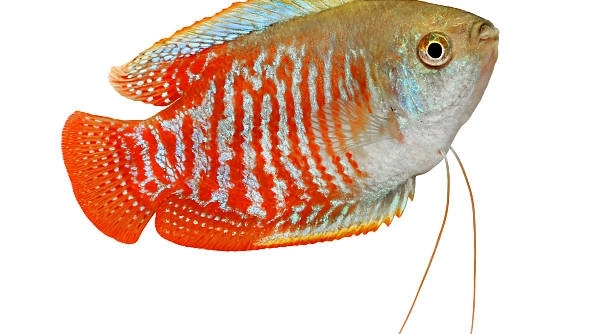
7 Signs of Poor Filtration Affecting Your Gourami
Keeping a healthy aquarium takes attention and care. Gouramis are sensitive fish, and poor filtration can quietly affect their well-being. Many owners may not notice early signs until the problem worsens over time. Poor filtration in a gourami tank can lead to increased toxins, reduced oxygen levels, and the accumulation of debris. These factors create … Read more
Do Giant Gouramis Get Lonely Without Other Fish?

Have you ever noticed your giant gourami swimming alone in its tank and wondered how it feels without companions nearby? These large, gentle fish have unique behaviors that often make fish owners think about their social needs. Observing them carefully can reveal patterns of interaction and mood that are easy to miss at first glance. … Read more

7 Reasons a Gourami Might Refuse Tank Mates

Do you love keeping freshwater aquariums but find yourself struggling with Gouramis that seem unwilling to share their space? Many fishkeepers experience tension when introducing new tank mates to these beautiful, delicate fish. Gouramis may refuse tank mates due to territorial instincts, stress from overcrowding, incompatible species, water condition sensitivities, aggression triggered by breeding, previous … Read more

Why Is My Gourami Hiding After a Water Change?

Do you ever notice your gourami hiding after a fresh water change? Many aquarists find this behavior puzzling, especially when their fish usually swim around confidently. It can feel a little worrying at first. Gouramis often hide after a water change due to sudden shifts in water parameters, including temperature, pH, or chemical composition. This … Read more

Can a Gourami Be Kept in a Bare-Bottom Tank?

Gouramis are colorful, peaceful fish that many people enjoy keeping at home. Their unique behaviors and gentle nature make them appealing, even for those new to aquarium keeping. Many owners wonder about their ideal tank setup. Gouramis can be kept in a bare-bottom tank, as long as water quality, temperature, and filtration are properly maintained. … Read more

Can Gouramis Miss Familiar Sounds?

Gouramis are small freshwater fish known for their peaceful nature and striking colors. Many aquarium owners enjoy observing their daily habits, from swimming patterns to feeding routines. These fish often develop recognition of their environment and surroundings. Gouramis are capable of associating familiar sounds with specific events or routines in their habitat. Studies indicate that … Read more

7 Warning Signs of Poor Water Quality for Gouramis

Have you ever noticed your gouramis acting differently in their tank, swimming sluggishly or hiding more than usual? Even small changes in behavior can hint at underlying problems with their environment, especially water quality. Poor water quality in gourami tanks can result from high ammonia, nitrite, or nitrate levels, improper pH, or insufficient filtration. These … Read more

Why Your Gourami Keeps Biting the Heater

Do you notice your gourami repeatedly biting the aquarium heater, creating concern about stress, safety, and tank conditions, while the fish otherwise appears healthy and calm in its daily swimming routine within a home aquarium? The primary reason a gourami bites a heater is misidentification of it as territory or reflection. Heat vibration, electrical hum, … Read more

7 Tank Setup Changes That Stress Gouramis

Have you ever kept gouramis and noticed subtle changes after adjusting their tank setup, even when intentions were good and care routines remained steady and consistent over time within a home aquarium environment for them? The primary cause of gourami stress stems from sudden tank setup changes that disrupt water chemistry, lighting, flow, and habitat … Read more

7 Times Your Gourami Needs More Frequent Water Tests

Gouramis are gentle, colorful fish that bring life to any aquarium. Caring for them properly means paying attention to water quality and maintaining a safe, balanced environment for their daily activities and health. Gouramis require more frequent water testing when changes in tank population, feeding habits, filtration efficiency, or water chemistry occur. Regular testing ensures … Read more