
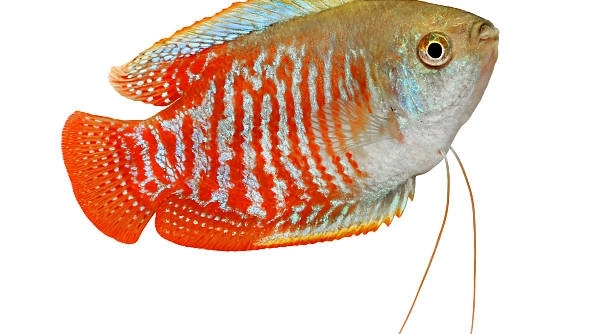
Do you ever notice your gourami hiding after a fresh water change? Many aquarists find this behavior puzzling, especially when their fish usually swim around confidently. It can feel a little worrying at first.
Gouramis often hide after a water change due to sudden shifts in water parameters, including temperature, pH, or chemical composition. This stress response is natural and temporary, allowing the fish to adjust safely to its new environment.
Observing your fish closely can help you understand its comfort level and promote a calmer, healthier tank environment.
Common Reasons Gouramis Hide After Water Changes
Many gourami owners notice that their fish start hiding after a water change, and it can be worrying. One main reason is the sudden change in water temperature or chemistry. Even small shifts in pH, hardness, or chlorine levels can make gouramis feel unsafe. Stress from these changes can cause them to retreat to corners or behind plants. Another factor is the disruption of familiar scents in the tank. Fish rely heavily on chemical cues, and a fresh water change can temporarily confuse them. Some gouramis are naturally more shy, so they may respond more dramatically than others. Providing hiding spots like plants, rocks, or decorations helps them feel secure. Observing your gourami over a few hours or days usually shows gradual adjustment. Patience and careful monitoring of water parameters can help reduce stress.
Stress from sudden water changes is temporary and often resolves within a day or two.
Gradually acclimating your gourami to new water can make a big difference. Using a drip method or slowly mixing fresh water with tank water helps reduce shock. Keeping the environment consistent and stable allows the fish to feel safe. Adding plants or floating decorations provides cover while they adapt. Avoid sudden movements or tapping on the glass during this period, as it can increase stress. Feeding smaller amounts and maintaining regular routines gives your fish a sense of normalcy. By observing behavior closely, you can identify if the hiding is normal adjustment or if additional measures are needed, such as testing water parameters or checking for illness. Over time, most gouramis return to their usual swimming patterns, exploring the tank confidently once they feel secure.
How to Minimize Stress During Water Changes
Providing a calm environment before and after a water change helps gouramis feel safe and reduces hiding behavior.
To prevent prolonged stress, it is essential to match new water parameters closely to the tank’s existing conditions. Gradual water changes, ideally 10-20% at a time, are less shocking than large replacements. Using a water conditioner to remove chlorine or chloramine ensures the water is safe for your fish. Temperature differences should be minimal; lukewarm water close to the tank’s temperature prevents sudden thermal shock. It is also helpful to limit activity around the tank during and after the change. Ensuring plants and hiding spots remain in place provides familiar landmarks for your gourami. Feeding should continue as usual but in smaller amounts, giving the fish a sense of routine. Testing water parameters regularly, including pH, ammonia, nitrite, and nitrate, helps maintain a stable environment. Over time, these steps reduce hiding behavior and support the fish’s overall health and comfort in the aquarium.
Observing Your Gourami’s Behavior
Watching your gourami closely after a water change can reveal important clues about its comfort and health. Note where it hides, how long it stays hidden, and any changes in color or appetite. These details help you respond appropriately.
Gouramis may hide behind plants, decorations, or near the tank bottom as a natural stress response. Observing their breathing rate, fin movement, and interaction with other fish gives insight into their well-being. Quick adjustments, such as checking water parameters or gently rearranging decorations, can make the environment less intimidating. It is normal for fish to appear skittish, but prolonged hiding may indicate a need for closer monitoring or environmental improvements to reduce stress and encourage normal activity.
Some gouramis take longer to adjust than others. Shy individuals might retreat for hours, while more confident fish return to regular swimming within minutes. Consistency in feeding schedules, minimal tank disturbances, and providing familiar landmarks support their adjustment. Avoid sudden changes during this period, and continue monitoring water quality. Over time, patience and careful observation help your gourami feel secure, gradually reducing hiding tendencies while maintaining a healthy and stable tank environment for all your fish.
Improving Tank Environment
Adding plants, rocks, and other hiding spots gives gouramis secure areas to retreat to, which reduces stress and hiding. Proper decorations mimic natural habitats and make them feel safer.
A well-structured tank promotes confidence in your gourami and encourages normal swimming behavior. Floating plants, tall vegetation, and shaded areas provide cover without isolating the fish completely. Arrange decorations to create multiple hiding spots while leaving open swimming areas, allowing the fish to explore freely when comfortable. Clean and stable substrate also contributes to a stress-free environment. Avoid overcrowding, as too many fish increase competition and anxiety. Monitoring light intensity, maintaining consistent feeding routines, and minimizing sudden movements around the tank further support a sense of security. Together, these adjustments create a balanced habitat that reduces hiding behavior and encourages your gourami to interact more naturally, promoting overall health and well-being.
Adjusting Water Parameters
Maintaining stable water conditions helps your gourami feel safe and reduces hiding. Regularly check temperature, pH, and hardness to ensure they remain within the recommended range for your fish species.
Using a water conditioner and slowly mixing new water with existing tank water minimizes sudden changes. Consistency is key, and small adjustments over time are less stressful than large, abrupt changes.
Feeding and Routine
Keeping a predictable feeding schedule helps gouramis feel secure. Offer small, balanced portions at the same times daily to reinforce routine.
Monitoring Health
Watch for signs of illness such as clamped fins, discoloration, or lethargy. Hiding can sometimes indicate underlying health issues that need attention.
Reducing Tank Disturbances
Minimize tapping on the glass, sudden movements, or loud noises around the tank. A calm environment encourages gouramis to explore and reduces prolonged hiding behavior.
FAQ
Why is my gourami hiding even though water parameters seem fine?
Even when water parameters are within recommended levels, gouramis can hide due to stress from subtle changes. Recent decorations, strong water flow, or a newly added fish can make them feel unsafe. Shy personalities also naturally spend more time in hiding spots until they feel fully comfortable.
How long will my gourami stay hidden after a water change?
Most gouramis adjust within a few hours to a couple of days. Some shy individuals may take longer. The key is maintaining stable conditions, providing hiding places, and minimizing disturbances to allow them to regain confidence.
Can overfeeding cause hiding behavior?
Overfeeding can lead to poor water quality, which stresses gouramis and encourages hiding. Excess food increases ammonia and nitrite levels. Feed smaller amounts and remove uneaten food to maintain a safe environment. A clean tank reduces stress and helps fish feel secure.
Should I change water differently for shy gouramis?
Yes, smaller, more frequent water changes are better than large, sudden replacements. Gradually mix new water with tank water to avoid shocking the fish. Using a gentle flow and maintaining consistent temperature also reduces stress.
Are hiding spots necessary for all gouramis?
Absolutely. Plants, rocks, and shaded areas provide security, especially during stressful times like water changes. Multiple hiding spots allow them to retreat without feeling isolated, helping maintain normal behavior and overall health.
Can other fish affect my gourami’s hiding?
Yes, tankmates play a role. Aggressive or overly active fish may intimidate gouramis, causing them to hide more. Ensuring compatible species and enough space reduces stress and encourages the gourami to explore its environment.
Is hiding a sign of illness?
Sometimes. If hiding is accompanied by clamped fins, loss of appetite, discoloration, or labored breathing, it could indicate disease. In such cases, test water quality and consider consulting a veterinarian or experienced aquarist.
Does tank size matter for hiding behavior?
Yes, smaller tanks can increase stress due to limited space and higher fluctuations in water parameters. Larger tanks with proper decoration allow gouramis to feel secure while having room to explore, reducing prolonged hiding.
Can lighting affect hiding habits?
Bright or sudden lighting can stress gouramis. Using dimmable lights, floating plants, or gradual light changes helps them feel safe and reduces the tendency to hide. Consistent lighting routines reinforce a sense of security.
Will my gourami eventually stop hiding?
With proper care, stable water, secure hiding spots, and minimal disturbances, most gouramis gradually reduce hiding. Patience is key. Over time, they regain confidence and return to regular swimming and interaction, reflecting a healthy and comfortable environment.
How do I know if the hiding is normal?
Normal hiding is temporary and linked to environmental changes or natural shyness. Observe patterns and overall behavior. If the fish continues to eat, swim occasionally, and shows no other signs of distress, the hiding is likely a normal adjustment rather than a health concern.
Can water temperature changes make gouramis hide?
Yes, sudden temperature changes can be stressful. Even a few degrees difference can trigger hiding behavior. Slowly acclimating water during changes and keeping the tank temperature consistent prevents unnecessary stress and promotes a calm environment.
Is it okay to leave gouramis alone while hiding?
Yes, avoiding interference allows them to feel secure. Overhandling or frequent checking can increase stress. Ensure the tank is safe, well-maintained, and has proper hiding spots, then allow your gourami to adjust at its own pace.
Do water conditioners help reduce hiding?
Definitely. Conditioners neutralize chlorine, chloramine, and heavy metals in tap water, reducing stress during water changes. Using them consistently supports a safe environment, making gouramis feel secure and less likely to retreat for extended periods.
Can seasonal changes affect hiding behavior?
Yes, seasonal variations in room temperature, light exposure, or water source chemistry can influence stress levels. Monitoring parameters closely during these times helps prevent prolonged hiding and keeps gouramis comfortable year-round.
Final Thoughts
Gouramis hiding after a water change is a common behavior and usually nothing to worry about. These fish are sensitive to changes in their environment, including temperature, pH, and water chemistry. Even small adjustments can make them retreat to safe spots until they feel comfortable again. Providing plenty of hiding places, such as plants, rocks, and decorations, helps them feel secure during this time. Observing their behavior closely after a water change is important. Most gouramis gradually return to normal swimming once they adjust to the new conditions, especially when stress is minimized. Patience is key, and rushing or disturbing them can increase anxiety.
Maintaining stable water parameters is one of the most effective ways to reduce hiding behavior. Regular testing for ammonia, nitrites, nitrates, and pH ensures that the environment remains safe and predictable. Gradual water changes are better than large, sudden ones, as sudden shifts can shock the fish. Using a water conditioner and slowly mixing fresh water with existing tank water prevents stress from chemical changes. Additionally, keeping a consistent feeding schedule helps gouramis feel secure. Small, regular feedings reduce the risk of leftover food polluting the tank, which can affect water quality and make hiding more likely. Over time, these simple steps create a calm and stable environment where gouramis feel confident to explore.
It is also important to pay attention to other factors in the tank. Tankmates, lighting, and even the layout of decorations can influence hiding behavior. Aggressive or overly active fish may intimidate gouramis, while bright lights or sudden movements around the tank can add stress. By creating a safe and familiar space, gouramis are more likely to feel comfortable and display normal behavior. Monitoring their overall health is equally important. If hiding is accompanied by signs of illness, such as discoloration, clamped fins, or lack of appetite, it may require intervention. In most cases, however, hiding is a natural response to environmental changes. Understanding these patterns, maintaining proper care, and providing a stable, comfortable habitat ensures that your gourami can stay healthy, relaxed, and confident in its tank.

Hello,
If you enjoy the content that we create, please consider saying a "Thank You!" by leaving a tip.
Every little bit helps us continue crafting quality advice that supports the health, happiness, and well-being of pets around the world, for pets of all shapes, sizes, and species.
We really appreciate the kindness and support that you show us!