
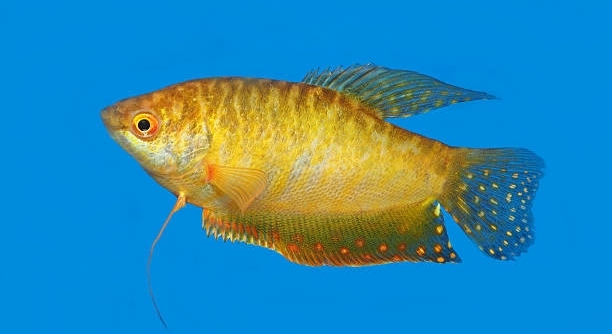
Have you ever noticed your giant gourami swimming alone in its tank and wondered how it feels without companions nearby? These large, gentle fish have unique behaviors that often make fish owners think about their social needs. Observing them carefully can reveal patterns of interaction and mood that are easy to miss at first glance.
Giant gouramis are generally solitary but do not experience loneliness in the same way humans do. Their social behavior is flexible, and they can thrive alone, provided they have enough space, enrichment, and proper care in their environment.
Learning about their natural tendencies helps ensure they stay healthy and comfortable. Small changes in their habitat can have a significant impact on their overall well-being.
Understanding Giant Gourami Social Behavior
Giant gouramis are naturally solitary fish, though they can tolerate others in their tank if conditions are right. In the wild, they often live alone or in very small groups. Their social needs are not like those of smaller schooling fish, so they rarely become stressed from being alone. Observing them, you may notice they spend most of their time exploring, resting near plants, or patrolling their territory. Providing hiding spots, plants, and open swimming areas helps them feel secure. Interaction with other fish can be limited, and introducing new tank mates should be done carefully to avoid aggression. Their large size and calm demeanor mean that they are not overly active in seeking constant interaction. Most of the time, their day-to-day behavior remains calm, and they adapt well to solo living. Attention to water quality, diet, and tank enrichment is more important than companionship.
Giant gouramis can adapt to solitary conditions without stress, given proper care, space, and environmental enrichment.
Observing their daily habits can reveal preferences in swimming patterns, resting spots, and feeding behavior, helping owners provide a suitable habitat and improve their well-being.
Tank Setup and Environmental Considerations
Proper tank setup is key to a giant gourami’s happiness.
A large tank is essential, as these fish can grow quite big and need room to swim freely. Decorations like plants, rocks, and driftwood provide hiding spots and make the environment more stimulating. Maintaining stable water conditions, including temperature, pH, and filtration, is critical to prevent stress. Even if the gourami is alone, environmental enrichment keeps it active and healthy. Avoid overcrowding, as it can lead to aggression or health problems. Regular monitoring of water quality and observation of behavior ensures the fish remains comfortable. Diet is also important; a varied mix of pellets, vegetables, and occasional protein sources supports growth and vitality. With proper planning, a solitary giant gourami can live a long, healthy life without other fish to keep it company. Owners who understand these factors can create an environment that meets both physical and mental needs, allowing the fish to thrive safely.
Feeding and Nutrition
Giant gouramis need a varied diet to stay healthy. They eat pellets, vegetables, and occasional protein. Consistency in feeding times helps maintain their routine and prevents overeating.
A balanced diet supports their growth and immune system. Pellets designed for omnivorous fish provide essential nutrients, while fresh vegetables like spinach, lettuce, or peas add fiber and vitamins. Occasional protein treats, such as brine shrimp or bloodworms, can boost energy, especially for growing or active fish. Overfeeding can lead to water quality issues and health problems, so portion control is important. Observing how much they eat each day ensures they are neither underfed nor overfed. Variety in food also encourages natural foraging behavior, keeping them mentally engaged. Feeding should be tailored to tank size, water temperature, and activity level, creating a routine that benefits both health and behavior.
Monitoring feeding habits helps identify health changes early. Changes in appetite can indicate illness, stress, or water quality problems, allowing timely intervention and care to maintain the fish’s well-being.
Signs of Stress in Solitary Gouramis
Changes in behavior or appearance can indicate stress. Watch for hiding, loss of appetite, or unusual swimming patterns.
Stress in giant gouramis often stems from poor water quality, overcrowding, or sudden changes in their environment. Even solitary gouramis need consistent care to remain calm. Pale coloration, clamped fins, or erratic swimming are common indicators. Environmental enrichment, proper diet, and stable conditions can reduce stress.
Addressing stress promptly is crucial. Regular water testing, careful observation, and maintaining a predictable routine help prevent long-term issues. Introducing plants or decorations can give them safe spaces to explore. Solitary fish still need stimulation, and a well-maintained tank reduces the risk of aggression or illness. Attention to these details ensures your giant gourami stays healthy and content.
Tank Mates and Compatibility
Giant gouramis can be kept with other large, peaceful fish if the tank is spacious enough. Aggressive or very small fish may be stressed or eaten, so choosing compatible species is essential.
Introducing tank mates slowly reduces territorial behavior. Monitoring interactions helps prevent fights and ensures harmony.
Breeding Behavior
Giant gouramis exhibit unique breeding behaviors, including nest building and territorial defense. Males become more protective during this period and may show aggression toward other fish. Providing floating plants or designated areas for nesting supports natural breeding instincts. Observation helps ensure safety for both adults and fry in the tank.
Water Temperature
Maintaining the correct water temperature is crucial for giant gouramis. Stable conditions between 24–28°C support metabolism, immunity, and activity levels. Sudden fluctuations can stress the fish, affecting feeding, growth, and overall health. Using a reliable heater and thermometer ensures consistency and promotes a comfortable environment.
Do giant gouramis get lonely if kept alone?
Giant gouramis are naturally solitary fish. Unlike schooling species, they do not experience loneliness in the way humans do. They can thrive alone as long as their tank provides enough space, environmental enrichment, and stable conditions. Observing their behavior daily helps ensure they are comfortable and active.
Can giant gouramis live with other fish?
Yes, they can live with other large, peaceful fish, but tank size and personality matter. Small or overly active fish may become stressed or even eaten. Introducing new tank mates slowly and monitoring interactions minimizes aggression and ensures the tank remains harmonious.
What should I feed my giant gourami?
A varied diet is essential. High-quality pellets designed for omnivorous fish provide basic nutrition. Fresh vegetables like spinach, lettuce, or peas add vitamins and fiber, while occasional protein treats like brine shrimp or bloodworms support energy and growth. Feeding consistently prevents overfeeding and maintains water quality.
How do I know if my giant gourami is stressed?
Signs include hiding, loss of appetite, clamped fins, pale coloration, or unusual swimming patterns. Stress often comes from poor water quality, overcrowding, sudden changes, or lack of stimulation. Regular observation and proper tank maintenance help prevent long-term problems.
How big should the tank be for a single giant gourami?
A single adult giant gourami requires a tank of at least 100–150 gallons. They grow large and need space to swim freely. Providing hiding spots, plants, and decorations reduces stress and allows natural behaviors like exploring and resting near structures.
Do giant gouramis need a heater?
Yes, they need a stable water temperature between 24–28°C. Using a reliable heater and thermometer prevents sudden temperature changes, which can stress the fish. Proper temperature supports metabolism, immunity, and overall health.
How often should I clean their tank?
Regular maintenance is important. Partial water changes of 20–30% weekly help maintain water quality. Cleaning the filter, removing debris, and checking for algae ensures a healthy environment and prevents stress-related illnesses.
Can giant gouramis recognize their owners?
They can show recognition through behavior. They may follow movements near the tank, respond to feeding routines, or react to familiar sounds. This is a sign of curiosity and adaptation rather than social bonding in the human sense.
Is it necessary to provide enrichment for solitary gouramis?
Yes, environmental enrichment prevents boredom and promotes natural behavior. Plants, driftwood, and hiding spaces allow exploration and resting areas. Even solitary gouramis benefit from a stimulating habitat that mimics aspects of their natural environment.
Do they breed easily in captivity?
Breeding requires specific conditions. Males build nests and defend territory during the breeding period. Providing floating plants or designated nesting areas encourages natural behaviors. Observing interactions is important to protect both adults and fry from stress or aggression.
How long do giant gouramis live?
With proper care, they can live 15–20 years. Good diet, stable water conditions, and a spacious tank contribute to longevity. Regular observation ensures early detection of health issues, supporting a long, healthy life.
What is the best way to introduce new fish to a giant gourami tank?
Introduce new fish gradually, ideally using a quarantine tank first. Observe interactions and provide hiding spaces. Avoid overcrowding and monitor for aggression to ensure a safe and calm environment. Patience during this process reduces stress for all fish.
Can they survive in cooler water?
They tolerate slightly cooler temperatures but remain healthiest between 24–28°C. Cooler water slows metabolism, reduces activity, and can weaken immunity. Using a heater and monitoring temperature consistency keeps them comfortable.
Do they need companions to thrive?
No, companionship is not necessary. Their solitary nature allows them to thrive alone as long as the tank is well-maintained and enriched. Proper diet, space, and observation ensure they remain healthy and active.
How do I tell if my giant gourami is happy?
Signs of a content gourami include active swimming, regular feeding, exploring its tank, and calm resting. Bright coloration and natural behavior indicate that environmental conditions and care are adequate.
Giant gouramis are fascinating fish that do well in a variety of home aquariums. Their large size and calm demeanor make them unique compared to many other pet fish. One important thing to understand is that they are naturally solitary. Unlike schooling fish that rely on groups for security, giant gouramis do not become stressed or depressed when kept alone. They are fully capable of thriving by themselves as long as their environment is suitable and well-maintained. Observing their daily behavior, such as swimming patterns, resting areas, and feeding habits, can give a clear indication of their well-being. Providing a spacious tank with plenty of swimming room, along with hiding spots and plants, allows them to express their natural behaviors and feel secure in their surroundings.
Diet and water conditions are key factors in ensuring the health and happiness of giant gouramis. A balanced diet that includes high-quality pellets, fresh vegetables, and occasional protein treats helps support growth and overall vitality. Feeding consistently at set times also encourages a predictable routine, which can reduce stress. Water quality is equally important. Regular testing and maintenance, including partial water changes, keeping the filter clean, and monitoring temperature, help prevent illness and maintain stable conditions. Giant gouramis prefer water between 24–28°C, and sudden changes in temperature or water chemistry can cause stress, affecting their appetite and behavior. Keeping their environment stable and enriched ensures they remain active, healthy, and comfortable even without other fish in the tank.
Understanding their behavior and needs allows owners to create the best possible environment for giant gouramis. These fish are intelligent and curious, often responding to movement around their tank and learning routines over time. They do not require companions to be happy, but they do need stimulation and care. Tank decorations like plants, rocks, and driftwood provide areas for exploration and resting, helping prevent boredom. By paying attention to their behavior, feeding habits, and environmental conditions, you can ensure a long, healthy life for a giant gourami. With proper care, they can live 15–20 years or more, demonstrating how resilient and adaptable these fish are when their needs are met. Proper attention to their habitat and well-being creates a peaceful, thriving aquarium where a giant gourami can flourish alone or with compatible tank mates.

Hello,
If you enjoy the content that we create, please consider saying a "Thank You!" by leaving a tip.
Every little bit helps us continue crafting quality advice that supports the health, happiness, and well-being of pets around the world, for pets of all shapes, sizes, and species.
We really appreciate the kindness and support that you show us!