
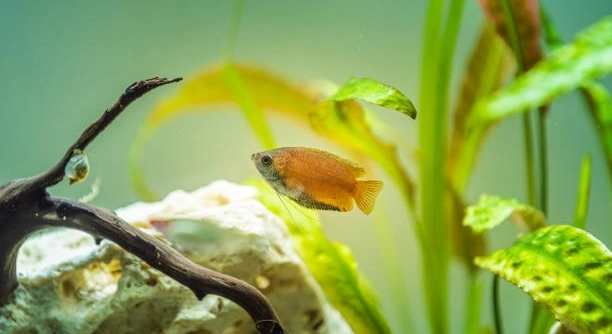
Gouramis are small freshwater fish known for their peaceful nature and striking colors. Many aquarium owners enjoy observing their daily habits, from swimming patterns to feeding routines. These fish often develop recognition of their environment and surroundings.
Gouramis are capable of associating familiar sounds with specific events or routines in their habitat. Studies indicate that these fish can exhibit changes in behavior when exposed to known auditory cues, suggesting a level of auditory recognition and memory retention.
Recognizing how gouramis respond to familiar sounds can improve their care and interaction in home aquariums. Understanding their behavior helps create a more enriching environment for these sensitive fish.
How Gouramis Recognize Sounds
Gouramis can distinguish between different sounds in their environment, such as tapping on the tank, movement near the water, or feeding cues. They often associate these sounds with specific events, like the arrival of food or the presence of a caretaker. Observing these responses helps owners understand their fish better and anticipate their behavior. Over time, gouramis may swim toward the source of familiar sounds or exhibit excitement when they hear certain noises. This shows that their auditory memory is active and can influence their daily routines. These small fish rely on a combination of sensory inputs, including sight, smell, and hearing, to navigate their surroundings and respond to external stimuli. Recognizing the sounds they respond to most frequently allows owners to create a stable and engaging environment, encouraging natural behaviors and reducing stress. Monitoring these interactions is essential for maintaining their overall well-being in captivity.
Auditory recognition in gouramis is linked to consistent exposure and routine. They learn to connect sound with outcomes.
Repeated exposure to the same sound cues strengthens memory. For example, if the tank lid is tapped before feeding, the fish begin responding promptly. Changes in their reaction can indicate stress or environmental shifts. This consistency also helps reduce anxiety, as they can predict what will happen next. Over time, they may exhibit specific behaviors, like gathering near the surface, when familiar sounds occur. Maintaining regular routines and minimizing sudden loud noises supports their comfort. Recognizing their reactions gives owners insight into the fish’s mood and adaptability, improving care quality.
Signs Gouramis Miss Familiar Sounds
Gouramis may show subtle signs when familiar sounds are absent. Reduced movement near feeding times or decreased responsiveness to typical cues can indicate they notice changes. These reactions suggest they rely on consistent auditory signals to anticipate routine events.
When familiar sounds are missing, gouramis may become less active or hesitant. This can affect feeding behavior and social interactions in the tank. They may linger near areas associated with past cues, appearing confused or restless. Prolonged absence of these sounds could lead to slight stress or decreased engagement with their surroundings. Owners who observe these changes should consider introducing consistent auditory signals to maintain a stable routine. Regular patterns help gouramis feel secure and reduce unexpected stress, allowing them to thrive in a home environment. Monitoring their reactions provides valuable feedback about their adaptation and well-being, ensuring they remain healthy and responsive over time.
Training Gouramis with Sound
Gouramis respond well to repeated auditory cues, especially when linked to feeding. Using consistent sounds at the same time each day helps them associate the noise with a specific activity, reinforcing memory and predictable behavior patterns.
Consistency is key when training gouramis with sound. Using the same cue, such as a gentle tap on the tank or a soft whistle, creates a clear association with feeding or other routines. Over time, they begin to anticipate the event, moving closer to the source of the sound. Avoid sudden changes, as unexpected noises can cause stress or confusion. Observing their responses daily allows owners to adjust techniques, ensuring the training is effective and gentle. Regular practice strengthens their recognition and builds a sense of security in their environment.
Patience is essential when training gouramis. Responses may be subtle at first, with small movements toward the sound. Gradually, they become more consistent and predictable. Using positive reinforcement, like feeding immediately after the cue, enhances learning. It’s important to repeat the sound regularly while maintaining a calm environment. Over several weeks, the fish reliably respond, demonstrating memory retention and recognition. Each individual may vary, so monitoring and adjusting training ensures success while keeping the fish comfortable and stress-free.
Benefits of Familiar Sounds
Familiar sounds can improve gouramis’ overall well-being by creating a predictable environment. They help reduce stress, encourage natural behaviors, and enhance interaction within the tank, promoting a sense of security and stability.
Introducing familiar sounds into a gourami’s habitat can positively impact daily behavior and mental stimulation. When fish recognize consistent cues, they exhibit less erratic movement and more regular activity patterns. This auditory consistency helps them anticipate feeding times, interact more confidently with tank mates, and feel secure in their surroundings. Predictable sounds also reduce sudden stress responses that may affect appetite or health. Over time, this practice supports better adaptation to changes, strengthens memory, and reinforces environmental awareness. Incorporating familiar sounds is a simple yet effective way to promote mental and physical health, making the tank a more harmonious place for gouramis.
Sounds That Calm Gouramis
Soft, consistent sounds can soothe gouramis, helping them remain calm during routine activities. Gentle taps or quiet background noises create a sense of familiarity, reducing sudden stress and promoting more relaxed swimming patterns.
Music or low-frequency vibrations are sometimes used to maintain a tranquil environment. Continuous, predictable sounds can encourage natural behaviors and prevent erratic movements. Over time, gouramis begin to associate these noises with safety and stability in their habitat.
Recognizing Stress Through Sound
Gouramis may exhibit stress through increased movement, hiding, or avoiding areas associated with certain noises. Unfamiliar or sudden sounds can trigger these behaviors, signaling the need for a calmer environment. Regular monitoring helps detect early signs of discomfort and allows corrective adjustments to their habitat.
Long-Term Sound Exposure
Repeated exposure to familiar sounds strengthens auditory memory in gouramis. Over weeks, fish reliably respond to consistent cues, linking them to feeding or interaction times. Predictable sound patterns create a structured environment, reducing stress and encouraging regular daily activity.
Tips for Maintaining Sound Consistency
Maintaining consistent auditory cues is essential. Avoid sudden changes or loud noises, and ensure daily routines are paired with familiar sounds to reinforce recognition and comfort.
Can Gouramis Really Recognize Human Sounds?
Yes, gouramis can recognize repeated human sounds, especially those associated with feeding or daily routines. They learn to connect certain noises, such as tapping the tank or footsteps, with predictable outcomes. This recognition is not conscious in the human sense but is a form of conditioned response. Over time, they show excitement or approach the source of familiar sounds, demonstrating memory and anticipation.
How Long Does It Take for Gouramis to Learn Sounds?
The time varies depending on the individual fish and the consistency of the cue. Some gouramis may begin responding after a few days of repeated exposure, while others may take several weeks. Consistent pairing of the sound with an event, such as feeding, accelerates learning. Avoid irregular timing, as inconsistent cues can confuse them and slow down recognition. Daily, calm interactions improve their ability to remember and respond reliably. Patience and observation are key, as some may be quicker learners while others need gentle repetition.
What Types of Sounds Do Gouramis Prefer?
Gouramis respond best to soft, consistent noises. Gentle taps on the tank, low-frequency vibrations, or quiet background sounds are easier for them to detect without causing stress. Loud or sudden noises can startle them and disrupt feeding or resting behavior. Familiar, predictable sounds encourage natural movement, reduce anxiety, and reinforce routines. Environmental consistency helps the fish feel secure, making them more comfortable and responsive. Regularly repeated sounds associated with positive events, like feeding, are most effective for recognition and memory.
Can Missing Familiar Sounds Affect Their Behavior?
Yes, the absence of familiar sounds can lead to subtle stress or confusion. Gouramis may show reduced activity, linger near areas where they usually hear cues, or hesitate during feeding times. Long-term absence of predictable auditory signals can disrupt their routine, affecting appetite and social interactions. Reintroducing consistent sounds helps them regain normal behavior and reduces stress, making the environment predictable and reassuring. Monitoring their reactions is important to maintain both mental and physical well-being.
Is It Safe to Use Music or Background Noise?
Soft music or low-level background sounds are generally safe if kept consistent and not too loud. These sounds can provide mental stimulation and reinforce a sense of familiarity. Sudden changes in volume or type of sound should be avoided, as they can startle the fish. Observing the gouramis’ reactions is essential; calm swimming and normal feeding behaviors indicate comfort, while erratic movements suggest stress. Predictable background noise can improve daily interaction and create a more engaging environment for the fish.
How Can I Train Gouramis with Sound Effectively?
Effective training relies on repetition and consistency. Pair a specific sound, like a gentle tap or soft whistle, with feeding or another positive event. Perform the cue at the same time each day to help them form associations. Avoid sudden loud noises or irregular patterns, as these can hinder learning. Over time, they will approach the source of the sound predictably. Positive reinforcement, such as immediate feeding after the cue, strengthens recognition and ensures the fish remain calm and engaged in their environment.
What Are the Benefits of Using Familiar Sounds?
Familiar sounds reduce stress, encourage natural behavior, and create a predictable environment. Gouramis become more confident, display regular activity, and interact better with tank mates. Consistent auditory cues support mental stimulation and memory retention, helping fish feel secure. This practice also assists in monitoring their well-being, as changes in responses can indicate health or environmental issues. Creating a stable routine with familiar sounds promotes overall comfort and a healthier aquarium habitat for the fish.
Can Gouramis Forget Familiar Sounds?
Yes, if auditory cues are not used consistently, gouramis may lose recognition over time. Memory fades without reinforcement, especially if environmental conditions change. Regular repetition of the same cues helps maintain recognition. If familiar sounds are reintroduced after a gap, they may take time to respond as they did before. Patience is necessary to rebuild recognition and ensure they feel secure and confident in their habitat. Consistency is the key to preserving auditory memory and predictable behavior.
How Do I Monitor Their Response to Sounds?
Observe swimming patterns, approach behavior, and feeding response when sounds are introduced. Calm, predictable reactions indicate comfort and recognition. Hesitation, hiding, or erratic movements suggest stress or confusion. Keeping a daily log of their responses helps track memory retention and behavior trends. Adjust cues gently if reactions indicate discomfort. Monitoring allows owners to maintain a consistent environment, reinforce positive associations, and ensure the fish remain healthy, responsive, and mentally stimulated over time.
Can Gouramis Recognize Each Other Through Sound?
Gouramis may pick up on vibrations or noises produced by other fish, though this is more limited compared to human-associated sounds. They respond to movement and water disturbances, which can indicate the presence or activity of tank mates. Recognizing these subtle cues supports social interaction and helps maintain territorial or peaceful behavior. Monitoring these responses can provide insight into their social structure and ensure a balanced, stress-free environment. Familiar sounds from humans remain more consistent and predictable for learning purposes.
Gouramis are fascinating fish that respond to more than just visual or tactile cues. Their ability to recognize familiar sounds demonstrates that they are more perceptive than many people realize. Repeated exposure to specific noises, such as tapping on the tank, feeding routines, or soft vibrations, helps them build auditory associations. Over time, these sounds become signals for certain events, guiding their behavior in predictable ways. Observing how gouramis react to familiar noises can provide insight into their mental processes, as well as their comfort and security within their environment. Unlike some other fish that may only react instinctively, gouramis show patterns of memory and anticipation, indicating a more nuanced awareness of their surroundings.
Creating a stable auditory environment is beneficial for their well-being. Consistency in sound allows gouramis to anticipate daily activities, such as feeding, and reduces stress caused by sudden, unfamiliar noises. Gentle sounds encourage natural swimming patterns, social interactions, and a calmer temperament. Missing familiar sounds or introducing abrupt auditory changes can lead to confusion or subtle stress, which may affect feeding behavior and overall health. By paying attention to their reactions, owners can tailor the environment to support mental and physical comfort. This approach not only improves their daily quality of life but also strengthens the connection between their behavior and routine cues, making it easier to care for them effectively.
Incorporating sound into gourami care is a simple yet effective strategy for enhancing their habitat. Repetition and predictability are key to helping them form strong auditory associations. Regular observation allows owners to detect changes in behavior, indicating either positive adaptation or potential stress. Gentle reinforcement through familiar sounds ensures that gouramis remain comfortable and responsive, supporting both memory and learning. Over time, a predictable and calming sound environment contributes to their overall stability and happiness. Understanding these responses emphasizes the importance of attentive care and provides a practical method to create a nurturing, engaging, and stress-free aquarium setting for gouramis.

Hello,
If you enjoy the content that we create, please consider saying a "Thank You!" by leaving a tip.
Every little bit helps us continue crafting quality advice that supports the health, happiness, and well-being of pets around the world, for pets of all shapes, sizes, and species.
We really appreciate the kindness and support that you show us!