
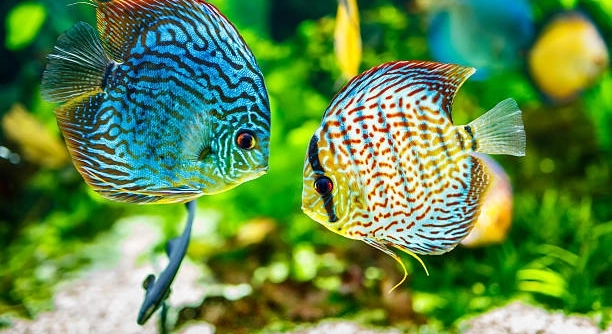
Keeping discus fish healthy requires attention to water quality and conditions. Many hobbyists wonder whether tap water is suitable for these delicate tropical fish. Proper care starts with understanding the water source and its impact on discus health.
Tap water can be used for discus fish if properly treated and conditioned. Untreated tap water often contains chlorine, chloramine, and other chemicals harmful to fish. Using water conditioners and monitoring pH, hardness, and temperature ensures a safe environment for discus.
Knowing how to prepare tap water correctly can protect your discus from stress and illness. This article explains the steps needed to make tap water safe and supportive for your fish’s well-being.
Why Tap Water Needs Treatment for Discus Fish
Tap water often contains substances that can harm discus fish if not properly treated. Chlorine and chloramine are added by water companies to kill bacteria, but these chemicals are toxic to fish. Additionally, tap water may have varying levels of hardness and pH, which can stress discus fish if not adjusted. Discus thrive best in soft, slightly acidic water. Without conditioning, tap water can cause damage to their delicate skin and gills. Using a water conditioner removes chlorine and neutralizes chloramine, making the water safe. Testing the water regularly helps maintain the ideal parameters. This is important because sudden changes in water quality can cause illness or death in discus. Taking these steps ensures your fish live in a stable and healthy environment, supporting their natural colors and behavior.
Treating tap water before adding it to the tank is essential for discus health.
Many aquarium owners rely on water conditioners and test kits to prepare tap water. Removing harmful chemicals and balancing pH are simple but crucial steps. Conditioning the water creates a stable habitat that protects discus fish from stress and disease. Consistent water quality supports their immune system and encourages natural behavior. It also reduces the risk of harmful algae growth and bacterial outbreaks. For the best results, perform partial water changes regularly with properly treated tap water. This keeps the environment fresh and supports the long-term well-being of discus fish.
Common Water Parameters for Discus Fish
Discus fish prefer water with a pH between 6.0 and 7.0 and soft water with low hardness.
Maintaining stable water parameters is key to keeping discus fish healthy. The ideal temperature range is between 82°F and 86°F, which mimics their natural habitat. Using a reliable test kit to measure pH, ammonia, nitrite, and nitrate levels helps prevent dangerous spikes. Hard water with high mineral content can be harmful, so many aquarists use reverse osmosis water or mix tap water with distilled water to soften it. Regular water changes with properly adjusted tap water keep the aquarium clean and support fish health. Stability is more important than perfect numbers, so avoid sudden changes. Proper filtration and aeration also help maintain water quality. Understanding and controlling these parameters ensure your discus thrive and display their best colors.
How to Prepare Tap Water for Discus
Using a good water conditioner removes chlorine and chloramine instantly. This step is non-negotiable to keep discus safe.
After adding conditioner, test the water for pH, hardness, and temperature. Adjust pH using aquarium-safe buffers if it is too high or low. If hardness is above ideal, consider mixing tap water with purified or distilled water to soften it. Heating the water to the proper temperature before adding it to the tank avoids shocking your fish.
Always let the treated water sit for a few hours to stabilize before use. This allows chemicals to dissipate and temperature to equalize. Avoid using untreated tap water as it can cause stress or even death. Proper preparation ensures your discus remain healthy and active, adapting easily to their environment.
Signs of Poor Water Quality in Discus
Discus fish often show early signs of stress if water quality is poor. Watch for faded colors, clamped fins, or lethargy as warning signals.
Poor water quality can cause discus to develop diseases like fin rot, bacterial infections, or parasites. They may stop eating and isolate themselves, signaling discomfort. Cloudy water or a strong odor in the tank also indicates a problem. Testing water parameters regularly can catch issues before they worsen. Maintaining clean, properly treated water reduces the risk of illness and helps discus thrive. Early attention to water quality is critical to their long-term health and vibrant appearance.
Common Mistakes When Using Tap Water
Adding untreated tap water directly to a discus tank is a frequent mistake. This can cause shock and health problems.
Overlooking water parameter testing leads to unnoticed imbalances. This harms discus over time and stresses the fish.
Importance of Regular Water Testing
Regular water testing helps track changes in pH, hardness, ammonia, nitrite, and nitrate levels. These factors affect discus health directly. Using test kits weekly can prevent dangerous spikes and maintain a stable environment. Testing water after changes or additions ensures conditions remain safe. Keeping a log of test results helps identify trends and act before problems arise. This simple routine supports the long-term well-being of discus fish and reduces the risk of sudden illness or death.
Best Practices for Tap Water Use
Always treat tap water with a quality conditioner. Avoid sudden changes in water chemistry.
Use water testing kits frequently to monitor aquarium conditions.
FAQ
Can I use tap water without a conditioner for discus fish?
Using untreated tap water for discus is risky because it often contains chlorine and chloramine, which are harmful to fish. These chemicals can damage their gills and stress their immune system. Always use a water conditioner to neutralize these substances before adding tap water to the tank. This simple step protects your discus and helps maintain a stable environment.
How often should I test my aquarium water?
Testing water at least once a week is ideal for discus tanks. Frequent testing helps catch harmful changes in pH, ammonia, nitrite, and nitrate levels early. After water changes or adding new fish, testing is even more important to ensure the conditions remain safe. Keeping track of these readings supports long-term health for your discus.
What pH level is best for discus fish?
Discus thrive best in slightly acidic to neutral water, typically with a pH between 6.0 and 7.0. Sudden shifts in pH can stress them, so maintaining stable conditions is key. Use pH buffers only when necessary and avoid frequent large changes, as discus are sensitive to their environment.
Can I use softened water or distilled water for my discus tank?
Softened or distilled water can be useful if your tap water is too hard. Mixing these with conditioned tap water helps lower hardness and create ideal water conditions. However, pure distilled water lacks minerals needed for fish health, so it should not be used alone. Balancing mineral content is important.
What temperature should tap water be before adding it to the discus tank?
Tap water should be heated to match the tank’s temperature, usually between 82°F and 86°F for discus. Adding water that is too cold or hot can shock your fish and cause stress. Use a reliable aquarium heater and a thermometer to ensure the water is safe before adding it.
How long should treated tap water sit before adding it to the tank?
After adding conditioner, let the tap water sit for at least a few hours to stabilize temperature and allow any remaining gases to dissipate. This helps avoid sudden changes in water chemistry. Using water immediately after treatment can increase the risk of stress for discus fish.
Is it necessary to do full water changes with tap water?
Full water changes are generally not recommended because they can cause large fluctuations in water parameters. Partial water changes of about 20-30% weekly are safer and help keep water clean. Always use properly treated and conditioned tap water to avoid harming your discus.
What signs show my discus fish are stressed from poor water quality?
Signs include faded color, clamped fins, reduced appetite, and hiding. You might also notice rapid breathing or unusual swimming patterns. These symptoms often indicate water quality problems. Testing and correcting water parameters quickly can help your discus recover.
Can I rely on tap water in all locations for discus fish?
Tap water quality varies by location. Some areas have harder water or higher chemical levels. It’s important to test your local tap water before use and adjust it to meet discus needs. Using water conditioners, mixing with purified water, or using reverse osmosis systems can help improve water quality.
How do I adjust the hardness of tap water for discus?
If tap water is too hard, mix it with distilled or reverse osmosis water to lower mineral content. Adding peat moss in the filter can also help soften water naturally over time. Regular testing will guide adjustments, ensuring the water stays within the ideal hardness range for discus.
Are there any risks to using bottled or spring water instead of tap water?
Bottled or spring water can vary widely in mineral content and may not have the right balance for discus. Some contain high levels of minerals or impurities. If you use bottled water, always test and condition it first. Using a consistent, well-treated water source is better for maintaining stable tank conditions.
What happens if I skip water conditioning occasionally?
Skipping water conditioning even once can expose discus to harmful chemicals like chlorine, causing stress, gill damage, and increased susceptibility to disease. Consistent conditioning is crucial for maintaining fish health and preventing avoidable problems in your aquarium.
Proper care of discus fish depends heavily on maintaining suitable water conditions. Tap water is often the main source for many aquarists, but it requires careful treatment before use. Untreated tap water can contain harmful chemicals like chlorine and chloramine, as well as varying levels of hardness and pH that are not ideal for discus fish. By using a quality water conditioner and regularly testing water parameters, you can create a stable and healthy environment for your discus. This helps prevent stress and disease, supporting their natural colors and behavior.
Stability is more important than perfection when it comes to water conditions. Sudden changes in pH, hardness, or temperature can cause significant stress to discus fish, making them vulnerable to illness. It is better to maintain consistent conditions within the recommended ranges for discus than to try to constantly adjust for perfect numbers. Partial water changes using properly treated tap water help keep the aquarium clean without causing drastic shifts. Taking these steps shows respect for the needs of discus fish and promotes their long-term health.
In the end, using tap water with discus fish is possible and common if done correctly. Proper treatment, regular testing, and careful monitoring are essential. By following these practices, you can ensure your discus thrive and display their beautiful colors. While it may take some effort to maintain the right water conditions, the reward is a healthy, vibrant aquarium that reflects your care and attention. This approach benefits both you and your discus fish.

Hello,
If you enjoy the content that we create, please consider saying a "Thank You!" by leaving a tip.
Every little bit helps us continue crafting quality advice that supports the health, happiness, and well-being of pets around the world, for pets of all shapes, sizes, and species.
We really appreciate the kindness and support that you show us!