
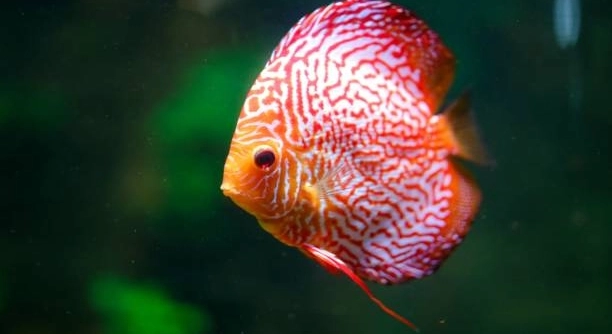
Discus fish are admired for their vibrant colors and graceful movements in home aquariums. Their delicate fins play a vital role in swimming and maintaining balance. Sometimes, these fins can get damaged due to accidents or health issues.
Discus fish can recover from fin damage if given proper care and a suitable environment. Healing depends on factors like water quality, nutrition, and minimal stress. Prompt treatment of infections and maintaining stable conditions significantly improve the chances of full fin regeneration.
Knowing how to support your discus fish during recovery is important for their well-being. This article explains the essential steps to encourage fin healing and maintain a healthy aquarium environment.
Causes of Fin Damage in Discus Fish
Fin damage in discus fish can result from several common factors. Poor water quality is a major cause, as high levels of ammonia or nitrites irritate their delicate fins, leading to tears or rot. Aggressive tank mates can also injure fins through nipping or chasing, especially if the aquarium is overcrowded. Physical damage may occur if the fish rubs against rough decorations or sharp objects in the tank. Additionally, bacterial or fungal infections often develop from minor injuries, worsening fin deterioration. Stress from sudden changes in water parameters or improper handling can weaken the fish’s immune system, making them more vulnerable to fin damage. Proper tank maintenance and careful monitoring of fish behavior are essential to prevent these issues.
Regular water testing and ensuring enough space for your discus can help reduce fin damage risks and promote a healthier environment.
Understanding these causes allows you to take targeted actions to protect your discus and support fin recovery.
How to Care for Fin Damage
Immediate action is necessary when you notice fin damage in your discus fish. First, improve water quality by performing partial water changes and testing for harmful chemicals. Adding aquarium salt in recommended doses can help reduce infection risk and promote healing. Avoid overcrowding to minimize aggression and stress. Feeding a balanced diet rich in vitamins supports tissue repair. Medications such as antibacterial or antifungal treatments may be required if infections are present, but use them carefully according to instructions. Isolating severely affected fish in a separate hospital tank can prevent spreading infections and allow closer observation. Keep the aquarium environment stable with consistent temperature and gentle filtration to avoid further stress. Regular monitoring of the fins’ progress will guide when to adjust care or seek veterinary advice. These steps together improve the chances of successful fin regeneration.
Signs of Fin Damage Recovery
Healing fins will start to look less ragged and torn over time. New fin tissue often appears as small, clear or white edges growing along damaged areas. The fish should begin swimming more smoothly without signs of discomfort.
Patience is key during fin regeneration. As the tissue grows back, avoid disturbing the fish with frequent tank changes or aggressive tank mates. Maintain excellent water conditions and good nutrition to support this natural healing. Watch closely for any signs of infection like redness, swelling, or frayed edges, which might require treatment. Gradual improvement usually takes several weeks, but full recovery depends on the damage extent and care quality.
Fin regrowth is a delicate process. If damage is severe or infections persist, consulting a specialist can provide treatment options. Always keep the environment stable to reduce stress and help your discus regain full fin function effectively.
Preventing Future Fin Damage
Preventing fin damage starts with a clean, stable aquarium environment. Regular water tests and changes reduce harmful toxins that weaken fins. Avoid overcrowding and choose compatible tank mates to minimize aggression.
Decorations should be smooth and free of sharp edges to prevent accidental tearing. Feeding high-quality, varied food supports overall health and immune strength, lowering disease risk. Consistent monitoring helps catch early signs of fin issues before they worsen. Creating a calm, stress-free tank environment reduces fin damage risk significantly and helps your discus thrive.
Common Mistakes to Avoid
Overlooking water quality is a frequent mistake that delays fin healing. Ignoring early signs of infection allows damage to worsen.
Using harsh chemicals or overdosing medications can stress discus fish, slowing recovery. Proper dosing and gentle care are essential for healing fins.
When to Seek Professional Help
If fin damage worsens despite good care, or if infections spread rapidly, consulting a veterinarian is important. Persistent fin rot or severe injuries may require prescription treatments and professional guidance. Early intervention can prevent permanent damage and improve recovery outcomes.
Role of Diet in Recovery
A nutritious diet with vitamins A and C supports tissue repair and immune function, speeding fin regeneration. Including high-quality pellets, frozen foods, and occasional live treats ensures balanced nutrition for discus fish during recovery.
Tank Environment Adjustments
Maintaining a calm and stable tank reduces stress, helping discus heal faster. Gentle filtration and low water flow prevent further fin damage.
FAQ
Can discus fish fully recover from fin damage?
Yes, discus fish can fully recover from fin damage if the injury is not too severe and proper care is given. Healing depends on maintaining clean water, good nutrition, and reducing stress. Minor tears often regenerate completely over weeks, but deep or infected wounds may leave some permanent scarring.
How long does it take for discus fins to heal?
The healing process usually takes several weeks, often between 3 to 6 weeks. The exact time depends on the severity of the damage, water conditions, and overall health of the fish. Consistent care and preventing further injury speed up recovery.
What signs indicate a fin infection?
Signs include redness around the fin edges, frayed or ragged fins that worsen over time, white spots or fuzzy patches, and sometimes swelling at the base of the fins. Infected fins may also look shorter or have blackened edges.
Should I isolate a discus with fin damage?
Isolating a discus with severe fin damage or infection is often beneficial. A hospital tank can provide a stress-free space for treatment and prevents the spread of infection. However, mild tears without infection might heal well in the main tank if conditions are stable.
What water parameters support fin healing?
Stable temperature around 82°F (28°C), pH between 6.0 and 7.0, and very low ammonia and nitrite levels are important. Frequent partial water changes and good filtration keep water clean, which is essential for fin regeneration.
Are medications necessary for fin damage?
Medications like antibacterial or antifungal treatments may be necessary if infection is present. For simple physical damage without infection, improving water quality and reducing stress usually suffice. Always follow dosing instructions carefully to avoid harming your fish.
Can stress affect fin recovery?
Yes, stress weakens the immune system and slows healing. Stressors include overcrowding, aggressive tank mates, sudden water changes, and poor diet. Keeping a calm environment supports faster fin regeneration.
Is aquarium salt helpful for fin healing?
Aquarium salt in moderate amounts can help reduce infections and improve gill function, aiding healing. Use it cautiously according to guidelines, as too much salt can stress discus fish.
How often should I change water during fin recovery?
Partial water changes of 20-30% twice a week are recommended to maintain water quality without shocking the fish. Consistency is more important than large sudden changes.
Can fin damage be prevented completely?
While not all fin damage can be prevented, risks can be minimized. Good water quality, appropriate tank mates, safe decorations, and proper nutrition significantly reduce chances of injury.
Does fin damage affect a discus fish’s behavior?
Damaged fins can cause discomfort, making discus swim less actively or awkwardly. They may hide more or show signs of stress. Healing fins usually restore normal behavior.
Are certain discus breeds more prone to fin damage?
No specific breed is significantly more prone, but some varieties with longer fins may be more susceptible to tears due to fin length. Proper care reduces risks for all discus.
What foods best support fin regeneration?
Foods rich in vitamins A, C, and essential fatty acids help tissue repair. High-quality pellets, frozen bloodworms, brine shrimp, and vitamin supplements aid recovery.
Can fin damage cause long-term health issues?
If untreated, severe fin damage can lead to infections spreading internally, which can be life-threatening. Proper care prevents complications and ensures full recovery.
How can I tell if fin regeneration is progressing?
Look for new clear or white fin edges growing over damaged areas. The fin should gradually become less ragged and regain normal shape. Consistent improvement over weeks indicates good progress.
Is it safe to use multiple medications at once?
Combining medications should be done cautiously and only when necessary. Some treatments can interact negatively. Consult aquarium professionals if unsure.
Can fin damage happen from water hardness?
Extremely hard or soft water can stress discus fish, making them more vulnerable to injury and disease. Maintaining appropriate water hardness for discus supports overall health.
Should I change feeding habits during fin recovery?
Offering smaller, more frequent meals with nutrient-rich food supports healing. Avoid overfeeding to maintain water quality.
What role does tank size play in fin damage?
Larger tanks provide more space and reduce aggression, lowering injury risk. Crowded tanks increase stress and fin damage chances.
Can fin damage be reversed with just improved water quality?
Improved water quality is crucial and often enough for minor injuries. However, infections or severe damage may require additional treatments.
Is fin damage contagious between fish?
Fin damage itself is not contagious, but infections causing fin rot can spread if untreated. Maintaining hygiene helps protect the entire tank.
Final thoughts on discus fish fin damage focus on the importance of timely care and maintaining a healthy environment. Fin damage is common but often manageable when addressed early. Ensuring good water quality, providing proper nutrition, and reducing stress create the best conditions for healing. These simple steps greatly improve a discus fish’s chances of fully recovering from fin injuries. It is important to monitor the fish regularly to catch any signs of worsening damage or infection. Acting quickly can prevent small issues from becoming serious health problems.
When caring for a discus with damaged fins, patience is essential. Fin regrowth takes time, sometimes several weeks, depending on the injury’s severity and the overall condition of the fish. Avoid rushing treatments or making sudden changes in the aquarium, as these can stress the fish and slow recovery. Keeping the environment stable and comfortable helps the discus regain strength and repair damaged tissue. In some cases, medication may be necessary if infections develop, but often improving tank conditions alone can encourage natural healing. Knowing when to seek professional advice ensures that your discus receives the appropriate care without delay.
Preventing fin damage is just as important as treatment. Creating a safe and peaceful tank environment helps minimize the risk of injury. Proper tank size, compatible tank mates, and smooth decorations reduce physical harm. Feeding a balanced diet strengthens the fish’s immune system, making them less vulnerable to disease. By maintaining these habits consistently, you help your discus stay healthy and avoid fin problems. Taking these steps shows a commitment to the well-being of your fish and supports their long-term happiness and vitality in your aquarium.

Hello,
If you enjoy the content that we create, please consider saying a "Thank You!" by leaving a tip.
Every little bit helps us continue crafting quality advice that supports the health, happiness, and well-being of pets around the world, for pets of all shapes, sizes, and species.
We really appreciate the kindness and support that you show us!