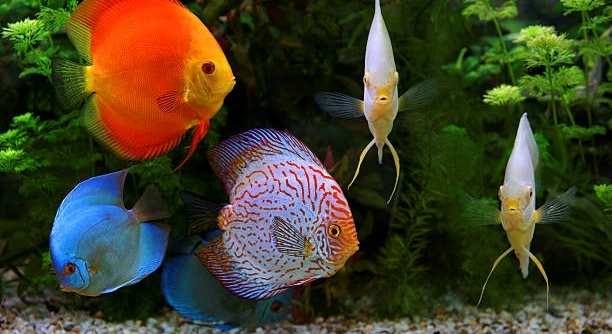
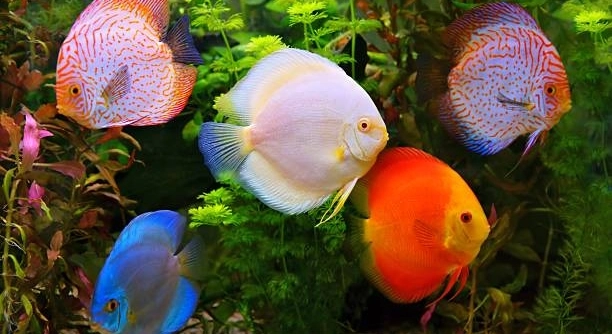
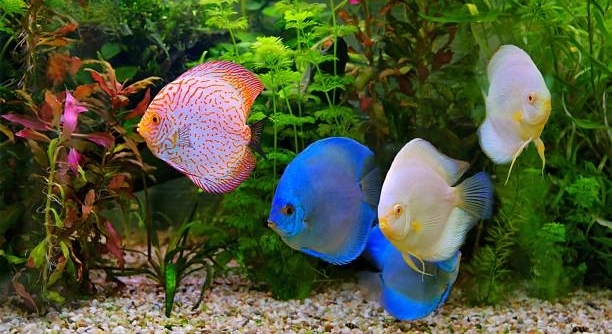
7 Surprising Things That Affect Discus Health

Discus fish are popular pets known for their bright colors and graceful movements. Keeping them healthy can sometimes be tricky because many factors influence their well-being. Understanding these factors helps owners provide the best care possible. Several surprising elements affect discus health, including water quality, diet, tank environment, stress levels, disease prevention, social interactions, and … Read more

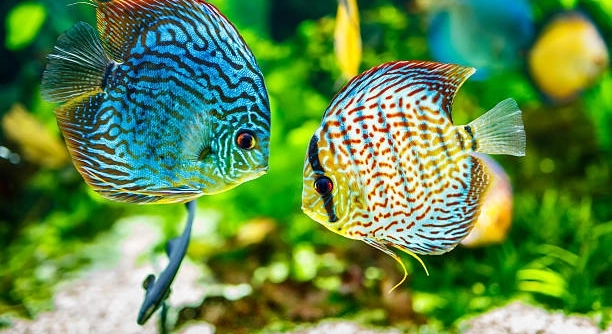
7 Breeding Triggers You Can Use for Discus

Are your discus showing signs of pairing off but never following through with breeding? You’re not alone in wanting to understand what’s missing. Knowing the right triggers can make all the difference in getting successful spawns. There are seven proven breeding triggers for discus, including water temperature changes, pH adjustments, increased feeding, and simulating rainy … Read more

Can Discus Handle a Temporary Power Outage?

Discus fish are popular for their vibrant colors and unique shapes in home aquariums. Many owners worry about how sudden changes, like power outages, might affect their delicate aquatic pets. Understanding their needs during these times is important for their care. Discus fish can generally tolerate short, temporary power outages without significant harm, provided the … Read more

7 Symptoms of Overcrowding in Discus Communities

Are your discus fish showing signs of stress or unusual behavior? Overcrowding in discus communities is a common issue that can affect their health and environment. Recognizing early symptoms can help maintain a balanced and healthy aquarium. Overcrowding in discus communities leads to increased competition for space, oxygen, and food. It can cause stress, aggression, … Read more

Do Discus Form Social Ranks in the Group?

Discus fish are popular among aquarium enthusiasts for their bright colors and calm behavior. Many keepers notice interactions within groups and wonder if these fish organize themselves in a social hierarchy. Understanding their social behavior can improve care and tank harmony. Discus fish do form social ranks within their groups. These ranks are established through … Read more

Can Discus Fish Live with Guppies? (What to Know)

Do you ever find yourself wanting to mix colorful fish in your tank but aren’t sure if they’ll get along well together? Discus fish can live with guppies, but it is not ideal due to differences in water temperature preferences, diet, and behavior. Discus thrive in warmer, more stable environments, while guppies are hardier and … Read more

Do Discus Fish Need a Night Light to Sleep?

Discus fish are popular aquarium pets known for their vibrant colors and graceful movements. Many owners focus on their tank setup and diet but often overlook the importance of lighting during their rest periods. Lighting can affect their overall health and behavior. Discus fish do not require a night light to sleep. They thrive best … Read more

7 Reasons Discus Fish Hide After Water Changes

Discus fish are known for their vibrant colors and graceful movements in aquariums. Many owners notice these fish tend to hide after water changes, which can be concerning. Understanding why this happens helps create a better environment for them. Discus fish hide after water changes primarily due to stress caused by sudden changes in water … Read more

7 Warning Signs Your Discus Are Overcrowded

Are your discus showing signs of stress or unusual behavior in their tank? Overcrowding can be a common issue that affects their health and overall wellbeing. Knowing the early signs helps maintain a balanced aquatic environment for your fish. Overcrowding in discus tanks leads to increased competition for space, oxygen, and resources. This often causes … Read more

7 Clues That Your Discus Is Ready to Spawn

Do you ever find yourself watching your discus pair closely, wondering if those subtle changes mean they’re ready to breed soon? Discus fish show several behavioral and physical changes when preparing to spawn. These include cleaning surfaces, pairing off, displaying brighter colors, and becoming territorial. Recognizing these signs helps ensure a smooth and successful breeding … Read more