
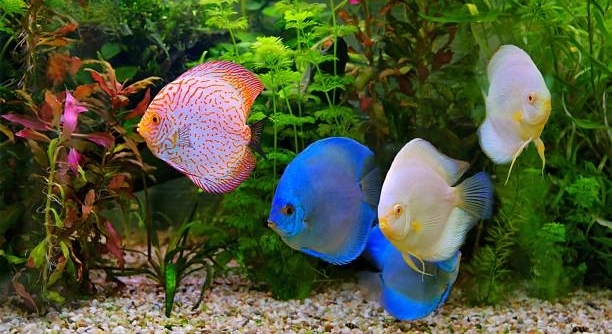
Are your discus showing signs of stress or unusual behavior in their tank? Overcrowding can be a common issue that affects their health and overall wellbeing. Knowing the early signs helps maintain a balanced aquatic environment for your fish.
Overcrowding in discus tanks leads to increased competition for space, oxygen, and resources. This often causes stress, aggression, poor water quality, and a higher risk of disease among the fish. Recognizing these warning signs early is crucial to prevent long-term damage.
Keeping a healthy discus tank means paying close attention to their behavior and environment. Identifying overcrowding signs will help you create a better habitat and promote your discus’ wellbeing.
Signs of Aggression and Stress
When discus are overcrowded, aggressive behavior tends to increase. Fish may chase or nip at one another more often, leading to visible injuries or torn fins. Stress also causes them to hide more frequently or become less active, which affects their overall health. Overcrowded tanks often make it difficult for discus to establish their own space, which is important for their comfort and normal behavior. You may notice that the fish stop eating regularly or become lethargic as well. Stress weakens their immune system, making them more vulnerable to illnesses. Monitoring these behavioral changes is an essential part of maintaining a healthy discus tank.
Stress and aggression in discus are strong indicators of overcrowding and require immediate attention to avoid worsening problems.
Addressing aggressive behavior early helps reduce injury and stress. Ensuring enough space, hiding spots, and proper filtration can improve water quality and fish health. Sometimes, reducing the number of fish or moving discus to a larger tank is necessary to restore balance. Consistent observation will allow you to catch these signs early and take action before conditions deteriorate further.
Poor Water Quality
Poor water quality is a common consequence of overcrowding. Increased waste from more fish causes ammonia and nitrate levels to rise quickly. Without adequate filtration or water changes, toxins build up and can become harmful. Overcrowded tanks also tend to have reduced oxygen levels, which stresses the discus even more. Maintaining good water conditions is vital for discus health because they are sensitive to changes. Regular testing and proper tank maintenance help prevent dangerous water conditions. Overcrowding makes it harder to keep the water clean, so the tank’s capacity should always be considered carefully.
Water quality deteriorates fast in crowded tanks, impacting discus health and increasing the chance of disease.
To manage this, frequent water changes are necessary, along with efficient filtration systems. Reducing the number of discus or upgrading to a larger tank can also improve water stability. Observing fish behavior and testing water parameters will guide when action is needed to protect your discus and keep the environment balanced.
Changes in Appetite
A sudden drop in appetite is a common sign of overcrowding in discus tanks. When stressed, discus often lose interest in food or stop eating altogether. This can lead to weight loss and weakened immune systems, making them more vulnerable to disease.
Stress from overcrowding disrupts normal feeding behavior. Discus may feel threatened or intimidated by other fish competing for food. Uneven access to food can cause weaker or smaller discus to be pushed aside. Poor water quality further discourages eating, as the fish become uncomfortable in their environment. Maintaining a balanced population helps reduce stress and encourages healthy feeding habits. Providing multiple feeding spots can also ensure all fish get adequate nutrition.
Monitoring feeding habits closely is important. Any noticeable changes in appetite should be addressed quickly to prevent long-term health problems. Adjusting stocking levels and improving tank conditions can restore normal eating behavior and support discus wellbeing.
Physical Signs of Overcrowding
Physical signs such as torn fins, pale colors, and constant scratching indicate stress caused by overcrowding. These symptoms often point to injuries or infections due to aggressive encounters or poor water quality. Discus kept in overcrowded tanks usually show these signs more frequently.
Constant fighting increases the chance of fin damage, which opens the door to bacterial or fungal infections. Stress also weakens the immune system, making it harder for discus to heal or fight illness. Pale or dull coloring can mean the fish are unhappy or unhealthy. Scratching against decorations or the tank glass often signals parasites or irritation caused by poor water conditions. Regular observation helps catch these issues early, allowing for prompt treatment.
Reducing the number of fish or improving water quality through better filtration and frequent changes is essential. Creating hiding spaces can reduce stress and prevent injuries. Acting quickly will help your discus recover and thrive despite overcrowding problems.
Reduced Growth Rates
Overcrowded discus often experience slower growth due to stress and competition for food. When too many fish share limited space, they may not receive enough nutrition to develop properly.
Stress from constant competition also diverts energy away from growth, affecting their overall size and health.
Increased Disease Risk
The risk of disease rises significantly in overcrowded tanks. Close contact between fish allows infections to spread quickly. Poor water quality further weakens their immune systems, making discus more susceptible to illness. Frequent monitoring and maintaining clean water are essential to prevent outbreaks and keep the fish healthy.
Lack of Personal Space
Discus need enough room to establish territory. Overcrowding removes this, causing stress and tension among fish. Personal space helps discus feel safe and reduces aggressive behavior.
Erratic Swimming Patterns
Erratic or frantic swimming is a sign that discus are stressed. Overcrowding causes discomfort, prompting them to dart or hide more often, which indicates they are unhappy with their environment.
How many discus can I keep in one tank?
The number of discus you can keep depends on the tank size. A general rule is one adult discus per 10 gallons of water. This allows enough space for swimming, territorial behavior, and maintaining good water quality. Overcrowding occurs when too many fish share limited space, leading to stress and health issues. It’s important to consider the adult size of discus, which can reach up to 8-10 inches. Smaller tanks with many fish increase waste and reduce oxygen, making it hard to keep the environment stable. Starting with fewer fish and gradually increasing as you monitor water quality is a safer approach.
What are the best tank conditions to prevent overcrowding problems?
Maintaining proper water parameters is essential to prevent overcrowding problems. Keep water temperature between 82-86°F, pH around 6.0-7.0, and hardness low to moderate. Regular water changes of 25-30% weekly help remove waste and toxins. A strong filtration system that handles biological, mechanical, and chemical filtration is needed to keep water clean. Providing hiding spots and plants helps reduce stress by giving discus places to retreat. Avoid adding too many fish at once; always consider the tank’s size and filtration capacity. Monitoring water quality regularly is key to catching issues early.
Can overcrowding cause permanent damage to discus?
Yes, overcrowding can cause long-term harm if not addressed. Constant stress weakens discus immune systems, increasing disease risk and reducing lifespan. Physical injuries from fights may not fully heal, leading to chronic infections or deformities. Poor water quality harms gill function and overall organ health. Discus that stop eating or show poor growth may never fully recover if overcrowding persists. Early detection and reducing stocking density are critical to prevent lasting damage. Maintaining a healthy environment supports discus recovery and promotes their natural behavior and coloration.
How can I tell if my discus are stressed from overcrowding?
Signs of stress include erratic swimming, loss of appetite, pale colors, hiding, and increased aggression. Overcrowded discus may dart around suddenly or stay motionless for long periods. Stress also makes them more prone to disease and injuries. Observing behavior daily helps catch these symptoms early. Stress is often paired with poor water quality, so testing ammonia, nitrite, and nitrate levels regularly is important. Addressing tank population and improving conditions promptly will reduce stress and help discus regain their natural health and calm behavior.
What steps can I take if I suspect overcrowding in my tank?
Start by assessing your tank size and fish count. Test water quality immediately and perform partial water changes if needed. Consider moving some discus to another tank or finding new homes to reduce numbers. Upgrade filtration or increase maintenance frequency to improve water conditions. Adding plants or decorations can create more hiding spots and reduce aggression. Feeding smaller amounts more often ensures all fish get nutrition. Monitor fish closely for improvements or worsening symptoms. Acting quickly helps prevent health decline and restores balance in the tank.
Is it possible to fix overcrowding without removing fish?
In some cases, improving tank conditions can help if overcrowding is mild. Increasing water changes and upgrading filtration can reduce toxins and improve oxygen levels. Rearranging the tank to create more hiding spots can ease tension. Feeding more frequently in smaller portions prevents competition. However, if the tank is too small for the number of discus, these steps only provide temporary relief. Removing fish or moving to a larger tank is often necessary for long-term health. Overcrowding causes stress that cannot be fully fixed by environment changes alone.
How often should I test water parameters in a discus tank?
Testing water weekly is recommended for stable conditions, but in overcrowded tanks, more frequent testing is necessary. Checking ammonia, nitrite, nitrate, pH, and temperature two to three times per week helps catch problems early. Sudden changes in water chemistry often indicate overcrowding or poor maintenance. Keeping a log of test results can identify trends or recurring issues. Consistent testing allows timely water changes or other interventions to protect discus health.
What are the signs of poor water quality caused by overcrowding?
Cloudy water, foul odors, increased algae growth, and frequent fish gasping at the surface are signs of poor water quality. Elevated ammonia or nitrite levels can cause lethargy, loss of appetite, and respiratory distress in discus. Overcrowded tanks often struggle to maintain stable parameters, leading to these visible problems. Regular testing and maintenance are essential to keep water clear and safe for your fish.
Can overcrowding affect discus breeding?
Yes, overcrowding reduces breeding success. Discus need space and calm to form pairs and care for their eggs. High fish density causes stress, interrupting mating behavior and reducing egg viability. Territorial disputes can destroy eggs or fry. Providing a separate breeding tank with fewer fish and plenty of hiding spots improves the chances of successful spawning and fry survival.
What is the impact of overcrowding on discus lifespan?
Overcrowding shortens discus lifespan by causing chronic stress and illness. Stress weakens their immune response, making them vulnerable to infections. Injuries from fights may lead to fatal complications. Poor water quality caused by overcrowding harms organs and overall health. Maintaining proper stocking density and good tank conditions supports a longer, healthier life for your discus.
Overcrowding is a common problem in discus tanks that can have serious effects on the health and wellbeing of your fish. When too many discus share a limited space, it leads to stress, aggression, and poor water quality. These factors combined can cause a range of issues including disease, injuries, and even death. Keeping the right number of fish in a tank is essential to avoid these problems. Ensuring each discus has enough room to swim and establish territory helps them stay healthy and behave naturally.
Maintaining water quality is one of the most important steps in managing overcrowding. Regular water changes and proper filtration are necessary to keep ammonia, nitrite, and nitrate levels low. Overcrowding increases waste and lowers oxygen levels, so tanks with too many discus often have unstable water conditions. Paying attention to the water parameters and adjusting your maintenance schedule based on the number of fish can make a big difference. Adding plants or decorations can also create hiding spots and reduce stress among your discus.
If you notice signs of overcrowding, such as aggression, poor appetite, or physical injuries, taking quick action is important. This may mean moving some fish to a larger tank or finding new homes for a few discus. Small changes, like feeding in multiple spots or improving filtration, can help, but they usually only work if the overcrowding is not severe. Prioritizing the health and comfort of your discus will improve their quality of life and increase the chances that they will thrive in your care. Overall, careful stocking and regular monitoring are the best ways to keep a discus tank healthy and balanced.

Hello,
If you enjoy the content that we create, please consider saying a "Thank You!" by leaving a tip.
Every little bit helps us continue crafting quality advice that supports the health, happiness, and well-being of pets around the world, for pets of all shapes, sizes, and species.
We really appreciate the kindness and support that you show us!