
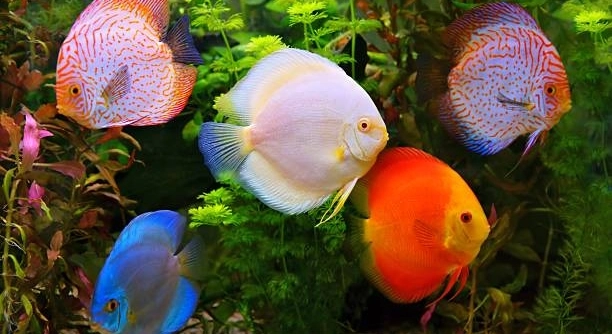
Discus fish are popular aquarium pets known for their vibrant colors and graceful movements. Many owners focus on their tank setup and diet but often overlook the importance of lighting during their rest periods. Lighting can affect their overall health and behavior.
Discus fish do not require a night light to sleep. They thrive best in dim or dark conditions during their rest time, as this mimics their natural environment and helps regulate their biological rhythms, promoting healthy sleep cycles.
Proper lighting management is essential for maintaining a balanced aquarium environment and ensuring the well-being of your discus fish. This article will explore how lighting impacts their sleep and care.
Understanding Discus Fish Sleep Patterns
Discus fish are native to the Amazon River basin, where natural light cycles vary with the dense canopy and water conditions. They tend to be most active during daylight hours and rest when it is dark. Unlike humans, discus do not have eyelids, so they rely on changes in light intensity to signal when it is time to rest. In a home aquarium, replicating these light patterns is important to support their natural behavior. Sudden or prolonged exposure to bright light during nighttime can disrupt their rest, causing stress and affecting their health. Keeping the tank environment consistent with low or no light during sleep hours helps discus fish maintain a regular day-night rhythm. Observing your discus during evening hours can show signs of slowing down or reduced activity, which is their way of preparing for sleep. Proper light management benefits their immune system and overall longevity.
Night lights are not necessary for discus fish, but gradual dimming helps ease their transition to rest.
Consistent lighting routines support discus health. Sudden changes or extended bright light exposure at night may cause stress and interrupt their natural resting cycles. Maintaining a calm, dim environment allows discus fish to rest properly, supporting their immune system and reducing illness risk.
Benefits of a Dark Aquarium at Night
Discus fish thrive in environments that mimic their natural habitats. In the wild, they experience gradual changes in light with the setting sun, eventually resting in near darkness. Providing a similar experience in an aquarium supports their natural sleep cycle. A completely dark tank during nighttime encourages proper rest, as discus rely on the absence of light to signal sleep. Introducing artificial night lights can confuse them, disrupting their internal clock and increasing stress levels. Stress weakens their immune response, which can lead to illness or behavioral changes. For aquarium owners, turning off the main lights and avoiding supplemental night lighting can promote healthier discus. Additionally, some fishkeepers use low-intensity red or blue lighting if nighttime viewing is desired, as these colors are less likely to disturb the fish. Understanding these needs helps create a stable, peaceful environment, which is crucial for discus fish well-being and longevity.
Night Lighting Effects on Discus Behavior
Night lighting can confuse discus fish because it interrupts their natural rest period. Sudden or constant light during sleep hours can increase stress and reduce their ability to recover.
Continuous or bright lighting at night may cause discus fish to become restless and agitated. This can interfere with normal behaviors such as feeding and social interaction. Over time, this stress may weaken their immune systems, making them more prone to illness. Keeping the aquarium dark during the night helps discus fish maintain their natural rhythm, which is essential for their overall health. Providing a stable environment with consistent light and dark periods reduces stress and promotes balanced behavior.
Some fishkeepers use low-intensity lighting, such as dim blue or red lights, to minimize disturbance. These lights provide enough visibility without disrupting the discus fish’s sleep cycle. However, it is important to monitor your fish’s response and adjust lighting accordingly to ensure their comfort and health.
Alternatives to Night Lights for Discus Tanks
Many discus owners prefer using timers to control aquarium lighting, creating a consistent day and night cycle. Timers automate light changes, mimicking natural conditions without human intervention. This method reduces stress and helps maintain a healthy environment.
Providing shaded areas or floating plants can also create natural dimming zones in the tank. These additions offer safe resting spots for discus fish and simulate their natural habitats. By combining timers with natural shading, owners can ensure their discus experience a comfortable, uninterrupted night cycle, which supports better rest and overall well-being.
Setting Up a Proper Light Schedule
A consistent light schedule helps discus fish adjust to their environment. Turning lights on and off at the same time daily supports their natural rhythms and reduces stress.
Using a timer ensures the lighting remains regular without manual effort. This consistency is beneficial for discus health and behavior.
Signs Your Discus Are Stressed by Light
Discus fish stressed by inappropriate lighting may show erratic swimming or hiding more than usual. They might lose appetite or display faded colors. Monitoring these signs can help determine if lighting needs adjustment to improve their comfort.
Using Red or Blue Night Lights
Red or blue LED lights provide minimal disturbance during nighttime. These colors are less visible to discus fish and allow owners to view the tank without affecting sleep. Using such lights can be a practical solution when low illumination is needed.
FAQ
Do discus fish need light during the day?
Discus fish benefit from having light during the day, as it helps regulate their natural activity and feeding patterns. Providing 10 to 12 hours of light mimics their natural environment, encouraging normal behavior. However, the light should not be too intense, as harsh lighting can stress them.
Can I leave the tank lights on all night for discus fish?
Leaving the lights on all night is not recommended. Discus fish need a period of darkness to rest properly. Continuous lighting can disrupt their sleep cycle, causing stress and health problems. It is best to turn off the lights or use very dim lighting during nighttime.
Will a night light help discus fish feel safer?
A night light is generally not necessary to make discus fish feel safe. In fact, a dark tank at night more closely resembles their natural habitat, allowing them to rest without disturbance. Providing hiding places and calm water conditions contributes more to their sense of security.
What kind of lighting is best for discus tanks?
Soft, natural light that mimics daylight is ideal for discus tanks. LED lights with adjustable intensity are often preferred because they allow control over brightness. Avoid bright, harsh lights, especially during nighttime hours, to prevent stress.
How do I know if my discus fish are stressed by lighting?
Signs of stress include faded colors, erratic swimming, hiding excessively, and reduced appetite. If you notice these behaviors, consider adjusting the lighting schedule or intensity. Consistent, gentle lighting helps discus fish stay calm and healthy.
Is it okay to use colored lights in a discus tank?
Using low-intensity colored lights such as red or blue can be acceptable during night hours if you want to observe the fish without disturbing their sleep. These colors are less disruptive than white light but should still be used sparingly.
Can lighting affect discus fish breeding?
Yes, proper lighting influences discus fish breeding by supporting natural behaviors. A consistent day-night cycle encourages spawning and reduces stress on breeding pairs. Sudden changes in lighting or continuous bright light may inhibit breeding activities.
Should I use a timer for discus tank lighting?
Using a timer is highly recommended. It ensures a stable and predictable light cycle, which reduces stress for discus fish. Timers help maintain consistent day and night periods without relying on manual switching, improving overall tank health.
How long should discus fish sleep each night?
Discus fish generally require around 8 to 10 hours of rest in darkness to maintain health. This rest period helps regulate their metabolism and immune system. Providing uninterrupted darkness during nighttime supports proper sleep.
What happens if discus fish don’t get enough darkness?
Without enough darkness, discus fish can become stressed, show weakened immune responses, and experience irregular behavior. Prolonged exposure to light at night disrupts their natural cycles, which can lead to illness or poor growth.
Are there natural ways to reduce tank light at night?
Yes, adding floating plants or creating shaded areas with decorations can naturally reduce light levels in the tank. These methods help simulate a more natural environment and provide discus fish with comfortable resting spots.
Can sudden light changes harm discus fish?
Sudden changes in lighting can startle discus fish and increase stress levels. Gradual dimming of lights in the evening or using timers helps prevent abrupt shifts, making transitions smoother and more comfortable for the fish.
Is moonlight necessary for discus fish tanks?
Moonlight or very low ambient lighting is not necessary but can be used if desired. It should be very dim to avoid disturbing the fish’s sleep. Many discus tanks do fine without any moonlight simulation.
How does lighting affect algae growth in discus tanks?
Strong or prolonged lighting can encourage algae growth, which can affect water quality and fish health. Managing light intensity and duration helps control algae while supporting discus well-being. Proper maintenance and lighting balance are key.
Can stress from improper lighting cause disease in discus fish?
Stress weakens discus fish immune systems, making them more susceptible to infections and diseases. Improper lighting is a common stress factor, so maintaining a consistent and suitable light schedule helps prevent illness.
What is the best way to transition discus fish from day to night light?
Gradually dimming the lights over 15 to 30 minutes before turning them off completely simulates natural sunset. This process helps discus fish adjust calmly and reduces stress caused by sudden darkness. Using timers with dimming functions can assist with this transition.
Discus fish have specific needs when it comes to lighting, especially regarding their sleep cycle. Maintaining a consistent light and dark schedule in the aquarium is essential to support their natural behaviors. Sudden changes or constant lighting during nighttime can cause stress, which may affect their health over time. It is important to replicate their natural environment as closely as possible. This includes providing them with a quiet, dark space at night where they can rest without interruption. Following a regular lighting schedule helps discus fish feel secure and comfortable in their habitat.
Using a timer to control the aquarium lights is a practical way to create consistency. Timers automate the on and off cycles, ensuring that discus fish experience the right amount of daylight and darkness every day. For owners who want to observe their fish at night, low-intensity red or blue lights can be used, but these should be kept dim to avoid disturbing the fish’s sleep. Additionally, incorporating natural elements like floating plants or shaded areas can help soften the light and create safe resting zones. These small adjustments contribute to a healthier environment and promote better sleep for discus fish.
Ultimately, the goal is to provide discus fish with conditions that closely mimic their natural habitat. This means respecting their need for darkness during the night and avoiding unnecessary light exposure. Stress caused by improper lighting can weaken their immune systems and lead to illness, so careful attention to lighting is an important part of discus care. By understanding and managing aquarium lighting well, owners can help their discus thrive, maintain vibrant colors, and exhibit natural, calm behavior. Creating a peaceful, stable environment benefits both the fish and the keeper.

Hello,
If you enjoy the content that we create, please consider saying a "Thank You!" by leaving a tip.
Every little bit helps us continue crafting quality advice that supports the health, happiness, and well-being of pets around the world, for pets of all shapes, sizes, and species.
We really appreciate the kindness and support that you show us!