
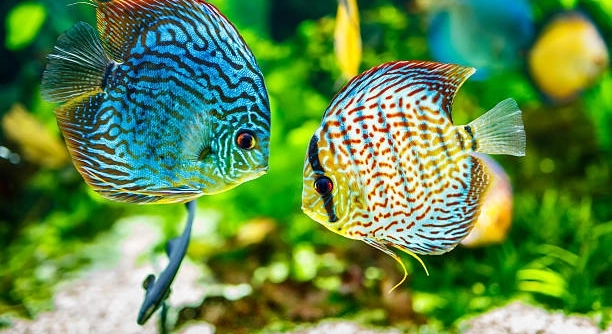
Discus fish are known for their vibrant colors and graceful movements in aquariums. Many owners notice these fish tend to hide after water changes, which can be concerning. Understanding why this happens helps create a better environment for them.
Discus fish hide after water changes primarily due to stress caused by sudden changes in water conditions, such as temperature fluctuations, shifts in water chemistry, and disturbance of their familiar surroundings. This behavior is a natural response to protect themselves in unfamiliar or uncomfortable situations.
Recognizing these causes can help improve water change routines and reduce your fish’s stress. Learning more about their behavior ensures your discus stay healthy and comfortable in their home.
Sudden Temperature Changes
When you change the water in a discus tank, the temperature might shift slightly. Even a small difference can make these sensitive fish uncomfortable. Discus fish thrive in stable, warm water, usually around 82-86°F (28-30°C). If the new water is colder or warmer than what they are used to, they feel stressed. This stress makes them want to hide until conditions feel safe again. The shock of temperature change slows their activity and weakens their immune system if it happens too often. It is important to check water temperature carefully before adding it to the tank. Using a heater or adjusting the new water helps keep the temperature steady.
Discus fish are especially vulnerable to these changes because of their natural habitat’s stable temperature. Sudden drops or rises can cause hiding and reduced feeding.
Maintaining consistent water temperature during water changes keeps discus calm. It is best to prepare the new water in advance, matching the tank’s temperature closely. This step lowers stress and encourages the fish to remain visible and active after the change.
Water Chemistry Shifts
Discus fish are sensitive to changes in water chemistry, including pH, hardness, and other minerals. If the water added during a change differs in these factors from the tank’s water, the fish notice immediately. Such changes can make them uncomfortable and lead to hiding. Even if the temperature is stable, water that is harder or has a different pH can upset their balance. It’s important to test the water before and after changes. Using water from the same source or treating new water can help maintain consistent chemistry. Over time, this practice supports the health and confidence of your discus. Avoiding sudden chemistry changes prevents stress-related hiding and promotes a peaceful tank environment. Regular monitoring and slow adjustment are key to keeping discus fish comfortable during water changes.
Stress from Disturbance
Water changes often involve moving decorations and stirring up the substrate. This sudden disturbance unsettles discus fish. They prefer calm, stable environments and react by hiding to avoid perceived threats.
When you clean the tank or rearrange decorations during a water change, it disrupts the fish’s sense of security. The cloudiness caused by stirred-up debris can also make them feel exposed. Discus rely heavily on their environment for comfort and hiding spots. When everything shifts suddenly, they retreat to places where they feel safest. Minimizing disruption by gently cleaning and avoiding drastic rearrangements helps keep discus relaxed. It’s better to clean in small sections and avoid disturbing their favorite hiding places.
Being mindful of their environment during water changes supports discus wellbeing. Keeping the tank peaceful allows them to feel secure and less likely to hide.
Chemical Residues and Contaminants
Even small amounts of chemicals or residues in new water can stress discus fish. Chlorine, chloramine, and heavy metals in tap water are harmful if not treated properly before use. These contaminants affect the fish’s health, making them retreat and hide. Using water conditioners that neutralize harmful substances before adding water is essential. This step protects the fish’s delicate skin and gills from damage. Without proper treatment, discus show signs of distress, including hiding and loss of appetite.
Filters can also temporarily release substances after cleaning, which might bother the fish. Ensuring thorough rinsing and using high-quality filtration prevents this issue. Always double-check water quality to maintain a safe and stable environment. A clean, contaminant-free tank helps discus feel secure and reduces hiding behavior.
Lighting Changes
Discus fish can be sensitive to sudden changes in lighting during water changes. Bright or flashing lights may cause them to hide. Keeping consistent lighting helps them feel secure and calm.
Avoid turning on strong lights right after a water change. Dim or natural light is better to reduce stress.
New Water Temperature Differences
Even small temperature differences in new water can affect discus behavior. They prefer stable, warm water, and any change can trigger hiding. Always match the new water temperature closely to the tank’s before adding it.
Residual Cleaning Agents
Sometimes, cleaning tools or tank surfaces carry leftover soap or chemicals. These residues are harmful to discus and cause them to hide quickly. Always rinse everything thoroughly to avoid contamination.
FAQ
Why do discus fish hide after a water change?
Discus fish hide mainly because they feel stressed by sudden changes in their environment. Water changes can cause shifts in temperature, water chemistry, and lighting, all of which make the fish uncomfortable. They instinctively seek shelter to protect themselves until conditions stabilize. This hiding is a natural response to reduce stress and avoid threats.
How can I reduce discus stress during water changes?
To reduce stress, prepare the new water carefully by matching the temperature and water chemistry to the tank’s current conditions. Use water conditioners to remove chlorine and other harmful chemicals. Perform water changes slowly and avoid disturbing decorations or the substrate too much. Keeping lighting consistent also helps your discus feel safer during and after changes.
How often should I change water in a discus tank?
Frequent small water changes, about 20-30% weekly, are best for discus tanks. This maintains water quality without causing big changes that stress the fish. Larger or less frequent changes can shock the fish because of bigger shifts in water conditions. Regular monitoring of water parameters will guide how often and how much water to change.
What is the best way to prepare water for discus fish?
The best way is to use water that matches the tank’s temperature, pH, and hardness. Treat tap water with a water conditioner to neutralize chlorine, chloramine, and heavy metals. Let the water sit for a while to reach room temperature if needed. Testing water before adding it ensures it is safe and stable for your discus.
Can hiding be a sign of illness in discus fish?
Yes, hiding can sometimes signal illness, but it is often related to stress from environmental changes. Watch for other symptoms like loss of appetite, color fading, or abnormal swimming. If hiding lasts long and other signs appear, check water quality and consider consulting a vet or experienced fish keeper.
Is it normal for discus fish to hide after every water change?
It is common but not ideal. Frequent hiding shows the fish are stressed. Improving water change methods by keeping water stable, avoiding strong lighting, and minimizing tank disturbance will reduce hiding over time. Healthy, well-adjusted discus will spend more time swimming and less time hiding.
What should I do if discus fish hide for several days after a water change?
If hiding continues for days, check water parameters for ammonia, nitrite, nitrate, and pH. Poor water quality may cause ongoing stress. Make sure the tank temperature is stable and water is clean. Avoid making sudden changes and give your fish time to adjust. If hiding persists with other health issues, seek expert advice.
Can the type of water source affect discus behavior?
Yes, using different water sources can introduce changes in chemistry that affect discus fish. Switching between well water, tap water, or filtered water can cause fluctuations in hardness, pH, or mineral content. Consistency is important, so using the same water source or properly treating new water helps keep discus comfortable.
How important is tank decoration in discus hiding behavior?
Tank decoration provides hiding spots and helps discus feel secure. If decorations are moved or removed during water changes, discus may hide more due to loss of shelter. Keeping consistent decoration placement and providing plenty of plants or structures encourages natural behavior and reduces stress-related hiding.
Can lighting changes cause discus fish to hide after water changes?
Yes, sudden increases or decreases in light can startle discus fish. Bright or flashing lights stress them out, especially when combined with other changes. Using dimmed or steady lighting during water changes helps keep the environment calm. Slowly adjusting lighting over time is better than sudden shifts.
Final thoughts on discus fish behavior after water changes focus on understanding their sensitivity to their environment. Discus are delicate fish that react strongly to even small changes in water temperature, chemistry, and surroundings. Their instinct to hide is a natural way to protect themselves when they feel unsure or stressed. As a keeper, recognizing this behavior is important. It shows how much discus rely on stable conditions to feel safe. Creating a consistent environment helps reduce their need to hide and keeps them healthy over time.
Careful preparation before each water change is key to helping discus feel more comfortable. Matching the new water’s temperature and chemistry to the tank’s current state lowers stress significantly. Using water conditioners removes harmful substances, ensuring the water is safe for the fish. Minimizing disturbance by gently cleaning the tank and avoiding moving decorations too much also supports their sense of security. Paying attention to lighting and avoiding sudden changes during water changes adds another layer of comfort. These small steps build trust between the fish and their environment, encouraging them to be more active and less shy.
Patience is also necessary when caring for discus fish, especially after water changes. They may hide for a short time as they adjust to the new conditions, but this should not last long if everything is done properly. Watching their behavior closely helps identify if hiding is just a normal response or a sign of a deeper problem. Keeping the tank clean, stable, and calm is the best way to support discus health. Over time, your fish will become more confident and show their beautiful colors, making the effort worthwhile.

Hello,
If you enjoy the content that we create, please consider saying a "Thank You!" by leaving a tip.
Every little bit helps us continue crafting quality advice that supports the health, happiness, and well-being of pets around the world, for pets of all shapes, sizes, and species.
We really appreciate the kindness and support that you show us!