What Makes Discus Fish So Expensive? (7 True Costs)

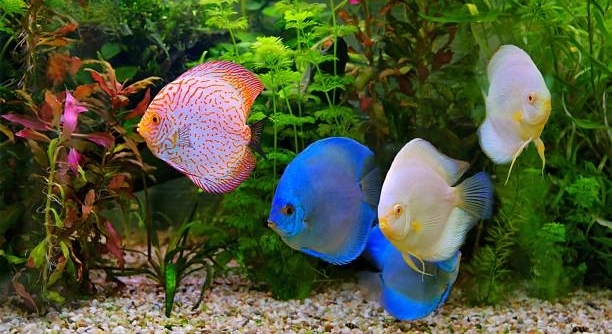
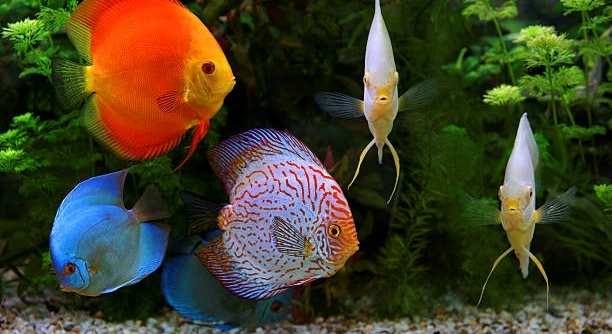
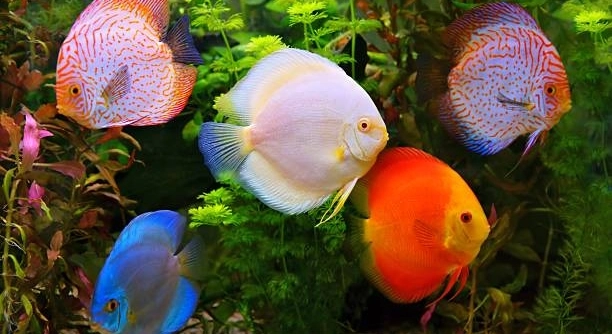
Discus fish are known for their bright colors and unique shape. Many aquarium lovers want to keep them, but their price often surprises people. These fish are not only beautiful but also require special care and conditions. The high cost of discus fish comes from their delicate breeding process, specific dietary needs, strict water requirements, … Read more
7 Breeding Triggers for Discus Fish You Can Use

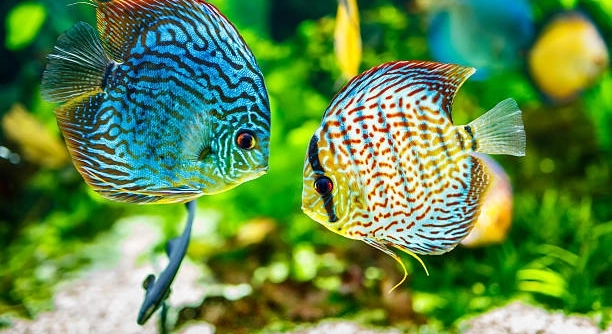
Discus fish are beautiful and popular in the aquarium hobby. Many owners want to encourage them to breed successfully. Understanding what triggers breeding can make this process easier and more rewarding. There are several key environmental and care-related triggers that influence discus fish to breed. These include water temperature, pH levels, diet, tank setup, lighting, … Read more

Why Are Discus Suddenly Hiding Behind the Filter?

Discus fish are known for their bright colors and graceful movements. Recently, many owners notice their discus hiding behind the aquarium filter more often. This change in behavior can feel worrying but has understandable reasons behind it. Discus hiding behind the filter is usually a response to stress, changes in water quality, or tank environment … Read more

7 Signs of Early Fin Curl in Young Discus

Young discus fish are popular for their vibrant colors and graceful movements. However, early fin curl can affect their appearance and health. Recognizing the signs early is important for maintaining healthy and beautiful discus. Early fin curl in young discus is characterized by curling or bending of the fin edges, often caused by genetic factors, … Read more

7 Simple Adjustments That Boost Discus Appetite

Discus fish are known for their vibrant colors and unique shapes, but sometimes they lose interest in eating. Many owners struggle to keep their discus healthy and eager during feeding time. Improving appetite can make a big difference in their care. Simple adjustments like maintaining optimal water quality, offering a varied diet, and ensuring a … Read more

Do Discus Fish Need a Consistent Light Schedule?

Do discus fish are popular for their vibrant colors and graceful swimming in home aquariums. Many hobbyists focus on water quality and diet, but lighting conditions can also play an important role in their well-being. Proper light management may influence their behavior and health over time. Discus fish benefit from a consistent light schedule to … Read more

Why Is My Discus Twitching While Swimming?

Many discus owners notice their fish twitching while swimming and wonder what it means. This behavior can be surprising and sometimes concerning when you first see it in your aquarium. Understanding why it happens is helpful for keeping your discus healthy. Discus twitching while swimming is usually caused by irritation from parasites, stress, or water … Read more

7 Tricks to Boost Breeding Interest in Discus

Breeding discus fish can be rewarding but sometimes challenging for hobbyists. Success often depends on creating the right environment and encouraging natural behaviors. Understanding simple techniques can make a significant difference in breeding outcomes. Increasing breeding interest in discus involves optimizing tank conditions, diet, and social interactions. Key factors include stable water parameters, quality nutrition, … Read more

Can You Use Driftwood in a Discus Aquarium?

Driftwood is a popular decoration in many aquariums due to its natural look and benefits for fish. For discus owners, choosing the right materials is important to maintain a healthy environment. This article explores the use of driftwood in discus tanks. Driftwood can be used safely in discus aquariums if it is properly prepared and … Read more

Why Do Discus Fish Eat Their Own Eggs?

Discus fish are popular for their bright colors and interesting behaviors. Many aquarium lovers notice they sometimes eat their own eggs, which can be surprising and confusing. This article explains why this happens in a simple way. Discus fish may eat their eggs due to stress, poor water conditions, or instinctive behavior to protect the … Read more