
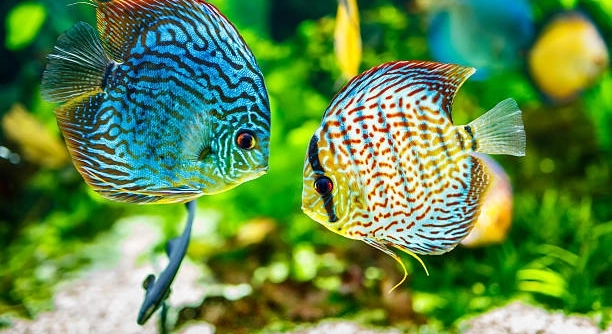
Discus fish are beautiful and popular in the aquarium hobby. Many owners want to encourage them to breed successfully. Understanding what triggers breeding can make this process easier and more rewarding.
There are several key environmental and care-related triggers that influence discus fish to breed. These include water temperature, pH levels, diet, tank setup, lighting, stress reduction, and regular water changes. Each factor plays an important role in encouraging healthy spawning behavior.
Knowing these triggers can help you create the best conditions for your discus fish to reproduce. Learning how to manage them will improve your chances of success and deepen your connection with these fascinating fish.
Water Temperature Control
Maintaining the right water temperature is one of the most important breeding triggers for discus fish. Typically, discus prefer warmer water, around 82 to 86 degrees Fahrenheit (28 to 30 degrees Celsius), which mimics their natural habitat. When the temperature is stable within this range, discus feel more comfortable and ready to spawn. Sudden changes or fluctuations in temperature can stress them, making breeding unlikely. It’s helpful to use a reliable heater and a thermometer to keep the water steady. Gradually raising the temperature by a couple of degrees over several days can signal to the fish that it’s time to breed. Alongside temperature, clean water conditions enhance the fish’s willingness to breed, so regular water changes paired with temperature control are key. Proper monitoring creates a safe environment that promotes natural behavior and successful reproduction.
Stable water temperature reduces stress and encourages discus fish to engage in breeding behavior naturally.
Consistent warmth acts as a natural cue for discus fish, encouraging them to spawn. This temperature range replicates their native tropical waters, signaling that conditions are ideal. When combined with good water quality, it sets the stage for healthy eggs and fry. Too low or fluctuating temperatures can delay or stop spawning entirely. Regular monitoring and gentle adjustments ensure the fish remain comfortable, increasing your chances of a successful breeding cycle.
Proper Diet and Nutrition
Feeding discus fish a varied and nutritious diet is essential for breeding readiness. Protein-rich foods such as bloodworms, brine shrimp, and high-quality pellets help build strength and encourage spawning. A diet lacking in nutrients can weaken discus and reduce breeding activity. It’s also beneficial to feed smaller amounts more frequently rather than one large meal. This keeps their metabolism steady and energy levels high. Some breeders introduce live or frozen foods during breeding preparation to stimulate natural behaviors. Additionally, vitamin supplements or specially formulated discus food can improve overall health. Good nutrition ensures discus are physically prepared to produce viable eggs and care for their young.
Healthy, balanced feeding supports discus fish health and stimulates breeding activity.
Proper nutrition not only boosts energy but also enhances coloration and vitality, which are attractive to potential mates. Feeding a mix of frozen, live, and prepared foods helps simulate natural conditions and encourages spawning behavior. Careful attention to diet is a simple yet powerful way to influence breeding success in your aquarium.
Tank Setup and Environment
A clean, spacious tank with minimal disturbances helps discus fish feel secure enough to breed. Hiding places like plants or driftwood encourage natural behavior and reduce stress.
The tank should be large enough to provide swimming space and separation from aggressive tank mates. Soft substrate and gentle filtration prevent injury and maintain water quality. Lighting should be moderate, avoiding harsh brightness that can scare the fish. Proper tank setup simulates their natural habitat, creating comfort that promotes breeding. Regular cleaning keeps the environment healthy, reducing stress that could otherwise prevent spawning.
Providing areas for discus to clean their eggs is important, so flat surfaces or breeding cones help. Consistent tank conditions combined with a well-planned environment improve the likelihood of successful reproduction.
Stress Reduction
Minimizing stress is crucial for discus fish to start breeding. Loud noises, sudden movements, and overcrowding should be avoided.
Stress negatively impacts hormone levels and suppresses breeding instincts in discus fish. Keeping the tank in a quiet room, limiting handling, and maintaining stable water parameters reduce stress significantly. A peaceful environment helps discus feel safe and focused on spawning. Watching their behavior closely can alert you to signs of stress, allowing quick adjustments. Stress reduction goes hand in hand with proper diet and tank setup to create ideal breeding conditions. Ensuring the fish are comfortable can make a big difference in encouraging them to reproduce.
pH Levels and Water Hardness
Discus fish prefer slightly acidic water with a pH between 6.0 and 6.5. Soft water with low hardness encourages breeding and mimics their natural environment.
Maintaining stable pH and water hardness levels reduces stress and supports healthy egg development. Sudden changes can disrupt spawning behavior and affect fry survival.
Lighting Conditions
Moderate lighting encourages discus fish to feel secure and active without causing stress. Bright or flickering lights can inhibit breeding behavior and increase anxiety.
Regular Water Changes
Frequent water changes maintain optimal water quality by removing toxins and waste. Clean water is essential for triggering spawning and keeping eggs healthy.
How do I know when my discus fish are ready to breed?
You can tell discus fish are ready to breed when they show pairing behavior, such as swimming closely together and cleaning a flat surface for egg laying. Their colors may become brighter, and they might show increased territoriality. Usually, a bonded pair will stay near each other and prepare a spot for spawning. Observing these signs can help you identify when your discus are in breeding condition.
What is the ideal water temperature for discus breeding?
The ideal water temperature for breeding discus is between 82°F and 86°F (28°C to 30°C). Keeping the temperature steady within this range encourages spawning. Gradual increases of about 2 degrees can stimulate breeding behavior, but avoid sudden changes that may stress the fish.
How often should I feed my discus during breeding?
During breeding, feed smaller amounts multiple times a day instead of one large meal. This keeps the fish energized and healthy. Provide high-protein foods like bloodworms, brine shrimp, and specialized discus pellets to support egg production and fry development.
Can I breed discus in a community tank?
Breeding discus in a community tank is possible but not ideal. Other fish may stress the pair or eat the eggs and fry. A separate breeding tank is better to provide a quiet, controlled environment with fewer threats, allowing the pair to focus on spawning and raising their young.
What water parameters are best for discus breeding?
Discus prefer slightly acidic water with a pH around 6.0 to 6.5 and soft water hardness (below 6 dGH). Stable water chemistry is essential—sudden fluctuations can prevent spawning or harm eggs. Regular testing and gentle adjustments help maintain these conditions.
How do I care for discus eggs after spawning?
After spawning, the parents usually guard and clean the eggs. Keep water clean with gentle filtration and avoid disturbing the tank. If parents eat the eggs, you might need to move them to a separate tank. Maintain stable water conditions and monitor for fungus or other issues.
What should I do if the discus pair fights?
Some aggression is normal during breeding, but if it becomes harmful, separate the fish temporarily. Ensure the tank has enough space and hiding spots to reduce stress. Sometimes, aggression lessens once spawning is complete and the pair settles down.
How long does it take for discus eggs to hatch?
Discus eggs typically hatch within 48 to 60 hours after being laid. The fry become free-swimming after about 5 to 7 days. During this time, water quality must be kept pristine, and feeding should be adjusted to meet the fry’s needs once they are active.
Can I encourage breeding by changing lighting?
Yes, moderate lighting encourages breeding, but avoid very bright or flickering lights. A stable light cycle of about 10 to 12 hours a day helps simulate natural conditions and keeps the fish comfortable.
Why are my discus not breeding even after setting up the tank properly?
Breeding discus can take time, and several factors influence success. Stress, improper diet, unstable water conditions, or unsuitable tank mates can all prevent spawning. Patience and careful adjustment of environment, diet, and care routines usually help encourage breeding over time.
Breeding discus fish can be a rewarding experience, but it takes patience and careful attention to detail. The right conditions are important to encourage discus to spawn naturally. Factors like water temperature, pH, diet, tank setup, and stress levels all play a role. Keeping these elements balanced creates an environment where discus feel comfortable and ready to reproduce. It is normal for the process to take time, and sometimes trial and error is needed to find the best setup for your specific fish.
Understanding the needs of discus fish and their natural behavior helps a lot when trying to breed them. For example, maintaining warm, slightly acidic water with low hardness mimics their native habitat. Providing a clean tank with hiding spots reduces stress and supports natural pairing and spawning behaviors. Feeding a varied and nutritious diet keeps the fish healthy and strong, increasing the chance of successful breeding. Paying attention to small details such as lighting and regular water changes also helps maintain good conditions.
While it may seem complicated at first, following these basic principles will improve your discus breeding success. Watching the fish as they prepare to spawn is rewarding and gives insight into their needs. Even if breeding does not happen immediately, each step helps create a healthier, happier environment for your discus. With patience and consistent care, you can create the best setting for your discus to thrive and reproduce naturally. This approach benefits both the fish and your experience as a keeper.

Hello,
If you enjoy the content that we create, please consider saying a "Thank You!" by leaving a tip.
Every little bit helps us continue crafting quality advice that supports the health, happiness, and well-being of pets around the world, for pets of all shapes, sizes, and species.
We really appreciate the kindness and support that you show us!