
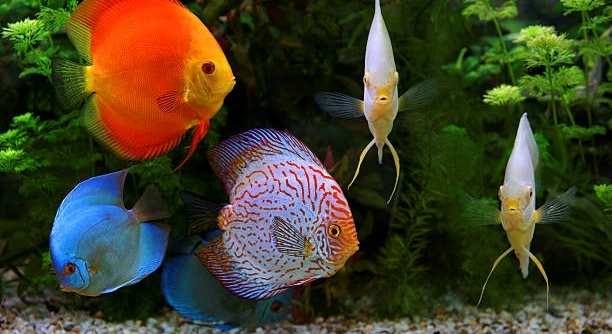
Discus fish are known for their vibrant colors and unique shapes, but sometimes they lose interest in eating. Many owners struggle to keep their discus healthy and eager during feeding time. Improving appetite can make a big difference in their care.
Simple adjustments like maintaining optimal water quality, offering a varied diet, and ensuring a stable environment have been shown to effectively boost discus appetite. Consistent feeding schedules and reducing stress also play crucial roles in promoting healthy eating behaviors.
Small changes in care routines can lead to noticeable improvements in your discus’ appetite. These tips will help you support their health and keep them thriving in your aquarium.
Keep Water Conditions Stable
Discus fish are very sensitive to changes in their environment. Even small shifts in temperature or pH can make them lose interest in food. It is important to keep water temperature steady, ideally between 82 and 86 degrees Fahrenheit. Regularly check the pH level and keep it around 6.0 to 7.0. Using a reliable water testing kit helps catch problems early. Frequent water changes are necessary to remove waste and toxins, which can stress the fish and reduce their appetite. Filters should be cleaned regularly but not all at once to avoid disturbing beneficial bacteria. Maintaining consistent water conditions gives discus fish a comfortable environment, making them more likely to eat well.
Stable water conditions reduce stress, which is key to improving feeding habits in discus fish. Keeping parameters consistent ensures they stay healthy and active.
Water quality directly impacts discus health. When the water is clean and stable, discus are less prone to illness and more willing to eat. Proper filtration and regular monitoring are essential. Avoid sudden changes by adjusting water parameters slowly when needed. This care routine supports their immune system and natural feeding behavior, resulting in a happier, more vibrant aquarium.
Provide a Balanced and Varied Diet
Feeding discus a balanced diet helps maintain their appetite. A mix of high-quality flakes, pellets, and live or frozen foods like bloodworms and brine shrimp works well. Variety prevents boredom and ensures they get essential nutrients. Avoid overfeeding, which can lead to poor water quality and health issues. Feeding small amounts multiple times a day encourages better eating.
Offering different foods keeps discus interested and nourished.
A varied diet meets the nutritional needs of discus fish and promotes steady growth. Protein-rich live or frozen foods stimulate their appetite and enhance color. Plant-based foods and high-quality flakes provide fiber and vitamins. Rotating food types prevents dietary gaps and keeps them eager during feeding time. Always remove uneaten food quickly to maintain water quality. Feeding with care supports their overall well-being and appetite consistency.
Maintain Proper Tank Size
Discus need plenty of space to feel comfortable. A small tank can stress them and reduce appetite. Ideally, provide at least 50 gallons for a group of discus. Proper tank size helps maintain stable water quality and gives fish room to swim freely.
A cramped environment increases stress, which can cause discus to stop eating. Larger tanks dilute waste better, keeping water cleaner longer. More space also reduces territorial fights, promoting peace among the fish. When discus have enough room, they are calmer and more willing to eat regularly.
A bigger tank supports better oxygen circulation, which is essential for discus health. Fish that breathe easily are more active and show better feeding behavior. Also, ample swimming space encourages natural movement, improving overall fitness. Tank size is a simple but important factor that can significantly boost discus appetite and well-being.
Keep Stress Levels Low
Stress is a major factor in poor appetite among discus fish. Loud noises, sudden movements, or frequent tank disturbances can cause stress. Keeping the tank in a quiet area with limited foot traffic helps reduce anxiety.
Stress weakens discus immune systems and lowers their interest in food. Consistent lighting schedules and stable water conditions also prevent stress. Avoid overcrowding by keeping a reasonable number of fish in the tank. When discus feel safe and calm, they eat better and grow healthier. Reducing stress improves their quality of life and encourages regular feeding.
Feed at Consistent Times
Feeding discus at the same times every day helps them develop a routine. Predictable feeding encourages regular appetite and reduces stress. Consistency signals to the fish when to expect food, making them more willing to eat.
Regular feeding times also help maintain water quality. Overfeeding or random schedules can cause leftover food, which harms the tank environment. Sticking to a set schedule benefits both discus and their habitat.
Use Live and Frozen Foods
Live and frozen foods are more appealing and nutritious for discus. Bloodworms, brine shrimp, and daphnia provide essential proteins and stimulate natural feeding behavior. Including these foods in the diet can revive appetite quickly.
These options also add variety, preventing boredom. They mimic what discus would eat in the wild, supporting their overall health. Incorporating live and frozen foods keeps discus interested and thriving.
Avoid Overfeeding
Overfeeding can lead to water quality problems and health issues in discus. It causes waste buildup, which stresses the fish and reduces appetite. Feeding small portions multiple times a day is better for their digestion and environment.
FAQ
Why is my discus fish not eating even though everything seems fine?
Discus fish can stop eating due to hidden stress or illness. Even if the water looks clean and the temperature is right, subtle changes like new tank mates or sudden noises can unsettle them. Also, internal health issues or parasites might be the cause. It’s important to observe for other symptoms like lethargy or unusual swimming. Regular water testing and keeping a stable environment can help, but if appetite loss continues, consider consulting a vet or specialist to rule out disease.
How often should I feed my discus fish?
Feeding small amounts two to three times daily works best. Frequent small meals are easier for discus to digest and prevent uneaten food from polluting the tank. Overfeeding once or twice a day can cause water quality to drop quickly, stressing the fish. Stick to a consistent schedule to help discus develop a healthy appetite and routine. Always remove any leftover food after feeding to keep the tank clean and safe.
What types of food are best for improving discus appetite?
A varied diet is key. High-quality flakes or pellets made for discus provide balanced nutrition. Adding live or frozen foods like bloodworms, brine shrimp, and daphnia stimulates natural hunting instincts and interest in eating. Vegetables such as spinach or peas can be included for fiber. Rotating food types prevents boredom and nutritional gaps. Avoid feeding cheap or low-quality food, as it may cause digestive issues and lower appetite.
Can water temperature affect discus feeding habits?
Yes, water temperature directly influences discus metabolism and appetite. They prefer warmer water, around 82 to 86°F (28 to 30°C). If the water is too cold, their digestion slows, and they eat less. Sudden temperature changes can stress them, causing appetite loss. Use a reliable heater and thermometer to maintain stable temperature. Avoid placing the tank near drafts or heaters that cause fluctuations.
How important is tank cleanliness for discus appetite?
Tank cleanliness is very important. Dirty water leads to stress and illness, which reduce appetite. Uneaten food, fish waste, and toxins build up quickly in discus tanks. Regular water changes, proper filtration, and removing leftover food help maintain a healthy environment. Clean tanks promote better oxygen levels and lower stress, making discus more likely to eat well. Monitoring water parameters like ammonia, nitrites, and nitrates is essential to prevent harmful spikes.
Does tank size really impact discus feeding?
Tank size affects discus comfort and health. Small, overcrowded tanks increase stress, which lowers appetite. Larger tanks provide more swimming space and better water stability, encouraging natural behavior and feeding. For a group of discus, 50 gallons or more is recommended. Bigger tanks also dilute waste better, helping maintain water quality. Proper space reduces aggression and competition over food, letting each fish eat peacefully.
Can stress cause discus to refuse food?
Stress is a common reason discus stop eating. Factors like loud noises, sudden movements, aggressive tank mates, or frequent tank changes can cause stress. Stress weakens their immune system and reduces interest in food. Keeping the tank in a quiet place, limiting handling, and ensuring compatible tank mates helps reduce stress. A calm, stable environment encourages discus to eat regularly and stay healthy.
How can I tell if my discus fish is sick and losing appetite?
Signs of illness include faded colors, clamped fins, lethargy, rapid breathing, or unusual swimming patterns. Loss of appetite is often an early symptom. If your discus stops eating and shows any of these signs, it may be sick. Prompt action like testing water, isolating the fish, or consulting a vet is important. Early treatment improves chances of recovery and helps restore appetite faster.
Is it okay to feed discus only flakes or pellets?
Feeding only flakes or pellets can lead to nutritional gaps and boredom. While these foods provide essential nutrients, discus benefit from variety. Adding live or frozen foods boosts protein intake and stimulates natural feeding. Occasional plant-based foods help digestion. A balanced diet supports growth, color, and appetite. Relying solely on one food type may reduce interest in eating over time.
What should I do if my discus refuses to eat for several days?
If discus refuse food for more than two days, check water quality and temperature first. Look for signs of illness or stress. Try offering live or frozen foods, which may be more appealing. Avoid overhandling or sudden changes to the tank. If appetite does not return, isolate the fish for observation or seek professional advice. Prolonged fasting weakens discus and can lead to serious health problems, so timely intervention is important.
Discus fish can be a bit challenging when it comes to their appetite, but with patience and the right care, you can help them eat well and stay healthy. The key is creating a stable environment where they feel comfortable. This means keeping the water clean, the temperature steady, and making sure the tank is large enough for them to swim freely. When their surroundings are stable, discus are less stressed and more willing to eat regularly. Stress and sudden changes often cause them to lose interest in food, so paying attention to these details makes a big difference.
Feeding discus a balanced and varied diet is also very important. They enjoy live and frozen foods like bloodworms and brine shrimp, which are closer to what they eat in the wild. Mixing in high-quality flakes or pellets ensures they get all the nutrients they need. Avoid overfeeding, as leftover food can pollute the tank and make the fish sick. Instead, feed small amounts multiple times a day to keep their digestive system working well and the water quality high. Consistent feeding times also help discus get into a healthy routine, which supports their appetite.
Lastly, keep an eye on their behavior and health. If discus suddenly stop eating or seem sluggish, it may be a sign of stress or illness. Check the water quality, temperature, and tank conditions first, and try offering more appealing foods. If the problem continues, it is best to seek advice from a professional. Taking small steps to maintain good tank conditions and proper feeding will help your discus thrive. With time and care, you can enjoy healthy discus fish that have strong appetites and vibrant colors.

Hello,
If you enjoy the content that we create, please consider saying a "Thank You!" by leaving a tip.
Every little bit helps us continue crafting quality advice that supports the health, happiness, and well-being of pets around the world, for pets of all shapes, sizes, and species.
We really appreciate the kindness and support that you show us!