
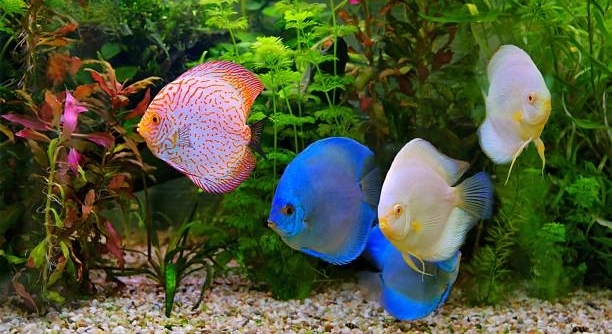
Young discus fish are popular for their vibrant colors and graceful movements. However, early fin curl can affect their appearance and health. Recognizing the signs early is important for maintaining healthy and beautiful discus.
Early fin curl in young discus is characterized by curling or bending of the fin edges, often caused by genetic factors, water quality issues, or nutritional deficiencies. Identifying these symptoms promptly can prevent further damage and support proper care.
Knowing the early signs of fin curl helps you take quick action to protect your discus and promote their well-being in your aquarium.
What Causes Early Fin Curl in Young Discus
Fin curl in young discus can result from several factors, with genetics playing a significant role. Some discus strains are more prone to this condition due to inherited traits. Besides genetics, poor water quality is a common trigger. Elevated ammonia, nitrite, or nitrate levels stress the fish, weakening their fins and causing curling. Inadequate water parameters such as improper pH or temperature fluctuations also contribute. Nutrition is another critical factor. Diets lacking essential vitamins and minerals can lead to fin deformities. Overcrowding or aggressive tank mates may cause physical damage to fins, leading to abnormal growth. Monitoring these elements closely is essential to prevent fin curl. Maintaining stable, clean water, balanced nutrition, and a calm environment helps reduce the risk. Early intervention when signs appear can stop fin curl from worsening, keeping young discus healthy and attractive.
Poor water quality and genetics are the primary reasons discus develop fin curl early on.
Keeping water clean and feeding properly can prevent or reduce early fin curl in your discus.
Recognizing the Early Signs of Fin Curl
Fin curl often starts subtly, with fins appearing slightly bent or folded at the edges. These changes might go unnoticed at first but become clearer over time. Young discus with fin curl may also show frayed or uneven fin tips. Sometimes the fins look stiff or less flexible. Watching your discus during feeding or resting can help spot these signs early. If fins curl inward or upward, this indicates the issue. Also, observe if fins fail to spread normally while swimming. These early signs mean you should check water quality and diet immediately. Quick response is necessary to prevent permanent damage. Addressing the problem early makes recovery more likely and supports healthy fin growth.
Regularly inspect your discus for slight changes in fin shape or texture to catch early fin curl symptoms.
Consistent observation paired with prompt adjustments to care routines can protect young discus from serious fin issues.
How Water Quality Affects Fin Curl
Poor water quality causes stress in young discus, which directly impacts fin health. High levels of ammonia, nitrites, and nitrates damage delicate fin tissue.
Keeping water parameters stable is crucial. Regular testing for ammonia, nitrites, and nitrates helps catch problems early. Frequent water changes reduce toxins and maintain a healthy environment. Filtration systems must be efficient and well-maintained to support water quality. Sudden changes in temperature or pH also stress fish and encourage fin curling. Monitoring and adjusting these factors consistently helps prevent fin deformities.
Neglecting water quality leads to weakened fins prone to curling and tearing. Even slight imbalances can trigger fin curl in sensitive young discus. Maintaining ideal water conditions supports healthy fin growth and overall fish vitality.
Nutritional Deficiencies Linked to Fin Curl
Young discus require a balanced diet rich in vitamins and minerals for proper fin development. Deficiencies, especially in vitamins A and C, often result in poor fin health.
Lack of essential nutrients weakens the fin tissue, making fins more likely to curl or fray. Feeding a varied diet that includes high-quality pellets, frozen foods, and occasional live foods helps meet nutritional needs. Supplementing with vitamin-enriched foods supports tissue repair and growth. Avoiding overfeeding reduces waste buildup, which can degrade water quality and further affect fin condition.
Proper nutrition strengthens fins and promotes faster recovery if fin curl starts to develop. Regularly evaluating your discus diet ensures they receive the vitamins and minerals necessary to maintain healthy fins.
Tank Overcrowding and Fin Curl
Overcrowding increases stress and competition among discus, which can lead to fin damage and curling. More fish mean more waste, affecting water quality negatively.
Stress from constant competition weakens the immune system. This makes young discus more vulnerable to fin curl and other health issues.
Physical Injury from Tank Mates
Aggressive or overly active tank mates can cause nicks and tears in young discus fins. These injuries often lead to curling as fins heal improperly.
Keeping compatible species together reduces the risk of physical harm. Monitoring interactions helps catch problems early before fin damage becomes severe.
Genetics and Inherited Traits
Some discus strains carry genes that predispose them to fin curl. This genetic factor makes fin curling more common regardless of care quality.
Breeders should select healthy fish with no signs of fin curl to reduce this risk in future generations. Recognizing genetics as a factor helps set realistic expectations for young discus care.
FAQ
What is fin curl in discus fish?
Fin curl is when the edges of a discus fish’s fins start to bend or curl instead of lying flat. It can affect one or several fins and may be an early sign of stress, poor water conditions, or genetic issues.
Can fin curl be reversed in young discus?
Yes, fin curl can often be improved if caught early. Correcting water quality, improving diet, and reducing stress can help fins return to normal. However, severe or long-term fin curl may cause permanent damage.
How does water quality impact fin curl?
Poor water quality causes stress and damages fin tissues. High ammonia, nitrites, or nitrates irritate the fins, causing them to curl or fray. Maintaining stable and clean water reduces the chance of fin curl developing.
What are the best water parameters for discus?
Discus thrive in soft, slightly acidic water with a pH between 6.0 and 7.0. Temperature should be stable around 82–86°F (28–30°C). Regular testing and water changes keep these conditions stable and healthy for discus.
How often should I change water to prevent fin curl?
Weekly water changes of 25–50% help maintain water quality and reduce toxins. More frequent changes might be needed if the tank is crowded or the fish are stressed.
Can diet cause fin curl?
Yes, poor nutrition can weaken fins and lead to curling. A diet rich in vitamins, especially A and C, supports fin health. Feeding varied, high-quality foods reduces the risk of deficiencies.
What foods are best for young discus?
High-quality pellets formulated for discus, frozen bloodworms, brine shrimp, and occasional live foods provide balanced nutrition. Supplementing with vitamin-enriched foods supports fin and overall health.
Are tank mates important in preventing fin curl?
Yes, aggressive or overly active tank mates can injure fins, causing damage that leads to curling. Choose peaceful, compatible fish and avoid overcrowding to reduce fin injuries.
Is fin curl always caused by disease?
No, fin curl is not always due to disease. It often results from environmental stress, poor water conditions, or genetics. However, infections can worsen the condition if fins get damaged.
How can I treat fin curl caused by infection?
If infection is suspected, treating the tank with appropriate antibacterial or antifungal medications may be needed. Always isolate affected fish if possible and improve water quality simultaneously.
Can genetics be changed to prevent fin curl?
Genetics cannot be changed, but selective breeding helps reduce fin curl in future generations. Choosing discus with healthy fins for breeding lowers the chance of inherited fin curl.
What signs indicate fin curl is getting worse?
Worsening fin curl includes more pronounced curling, tearing, discoloration, or fraying of fins. The fish may also show stress behaviors like hiding or reduced activity. Prompt action is important if these signs appear.
Does fin curl affect discus swimming ability?
Severe fin curl can reduce swimming efficiency, making it harder for discus to move gracefully. This may affect feeding and increase stress, leading to other health problems.
How long does it take for fins to heal after treatment?
Healing time varies, but fins often show improvement within 2 to 4 weeks if conditions improve and the fish is healthy. Consistent care speeds up recovery.
What daily care helps prevent fin curl?
Daily care includes monitoring water quality, feeding balanced diets, observing fish behavior, and keeping the tank clean. Early detection of any fin changes allows quick intervention to prevent worsening.
Can fin curl return after treatment?
Fin curl can return if underlying problems like poor water quality or stress are not fully resolved. Maintaining stable conditions and proper care is key to preventing recurrence.
Is fin curl painful for discus?
Fin curl itself may not be painful, but it indicates stress or damage that can cause discomfort. Keeping fish healthy and comfortable reduces risks of pain and secondary infections.
Should I quarantine new discus to prevent fin curl?
Quarantining new fish for at least two weeks helps prevent introducing diseases or stress that could lead to fin curl. It also gives time to monitor fin health before adding them to the main tank.
What equipment helps maintain good water quality?
A reliable filtration system, heater for stable temperature, and test kits for water parameters are essential. Using gentle filters suitable for discus helps maintain ideal conditions without stressing the fish.
How does stress contribute to fin curl?
Stress weakens immune response and slows tissue repair. Overcrowding, aggressive tank mates, poor water, or sudden changes increase stress, making fins more vulnerable to curling and damage.
Are there any natural remedies for fin curl?
Improving water quality and diet are the most effective natural methods. Adding aquarium salt in small amounts can reduce stress and support healing. Avoid overuse of medications unless necessary.
Can lighting affect fin health?
Proper lighting supports overall fish health, but too much light or constant exposure can cause stress. A balanced day-night cycle helps maintain discus well-being and reduces fin problems.
Is it safe to trim curled fins?
Trimming fins is generally not recommended, as it can cause additional stress and injury. Focus on improving conditions to allow natural healing instead.
When should I consult a vet or specialist?
If fin curl worsens despite care, or if other symptoms like lethargy, loss of appetite, or sores appear, seek advice from a fish health specialist or vet experienced with discus.
What long-term care prevents fin curl?
Consistent maintenance of water quality, balanced nutrition, appropriate stocking levels, and stress reduction provide the best defense against fin curl over time. Regular observation helps catch early signs.
Fin curl in young discus is a common issue that many fishkeepers face. It usually starts subtly but can affect the overall health and appearance of the fish if not addressed. Understanding the causes, such as water quality, nutrition, genetics, and stress, is important for preventing and managing this condition. Keeping the tank environment stable and clean is one of the best ways to protect young discus from developing fin curl. Regular water testing, proper filtration, and timely water changes all contribute to maintaining healthy water conditions. A well-balanced diet rich in essential vitamins also supports strong fin growth and recovery if any curling occurs.
Paying close attention to your discus’s fins during daily observation helps catch early signs of fin curl. Early detection allows for quicker intervention, which improves the chances of reversing the condition. Avoid overcrowding the tank and choose peaceful tank mates to reduce stress and physical injury. If fin curl is caused by genetics, it may be more challenging to prevent completely, but good care can reduce its severity. Some degree of fin curling may still appear despite your best efforts, so managing expectations is part of responsible fishkeeping. When fin curl worsens or other health issues arise, consulting with a specialist can provide guidance on treatment options and proper care adjustments.
Overall, fin curl is a manageable condition with proper attention and care. By focusing on water quality, nutrition, and tank environment, you can help your young discus thrive with healthy fins. Preventing stress and injury plays a big role in keeping fins intact and looking their best. Consistency in care routines is key to maintaining discus health over time. While fin curl might seem concerning at first, understanding the causes and following good practices will support your fish’s long-term well-being and beauty. Taking these steps makes a noticeable difference in the vitality of your discus and the enjoyment of your aquarium.

Hello,
If you enjoy the content that we create, please consider saying a "Thank You!" by leaving a tip.
Every little bit helps us continue crafting quality advice that supports the health, happiness, and well-being of pets around the world, for pets of all shapes, sizes, and species.
We really appreciate the kindness and support that you show us!