7 Tricks to Balance pH for African Cichlids
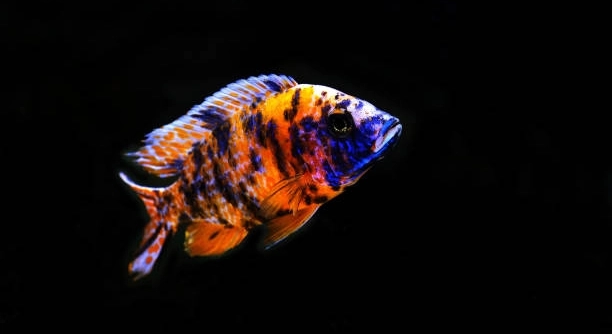
African cichlids need a stable environment to thrive, and balancing the pH in their tank is key. Maintaining proper water conditions helps keep these vibrant fish healthy and active in their aquatic home. Balancing pH for African cichlids involves regular testing, adjusting water chemistry through natural or chemical means, and monitoring tank conditions to ensure … Read more

Why Is One African Cichlid Chasing Everyone?

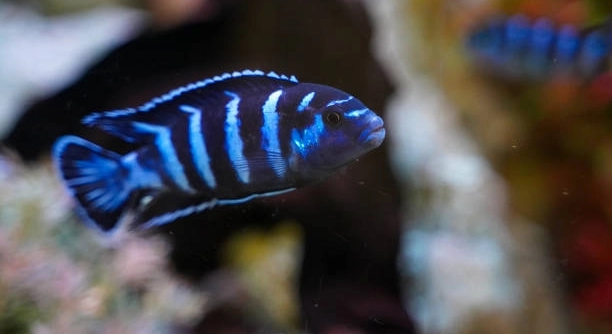
Have you ever noticed one African cichlid in your tank chasing the others nonstop, turning your peaceful aquarium into chaos? The most common reason one African cichlid chases others is due to territorial behavior. Dominant cichlids often claim a space and aggressively defend it, especially when the tank setup lacks adequate hiding spots or defined … Read more

What Color Changes Mean in African Cichlids

Do you ever find yourself watching your African cichlids change color and wonder what it could possibly mean for their health or behavior? Color changes in African cichlids are often a response to environmental conditions, social interactions, stress, breeding readiness, or health status. These shifts serve as visual indicators of mood, dominance, or physical condition. … Read more

7 Reasons Your Cichlids Won’t Leave Their Fry

Are your cichlids refusing to leave their fry even after they have grown? Many aquarists face this behavior, which can be puzzling and concerning. Understanding why this happens can help create a better environment for both parents and fry. Cichlids often stay close to their fry due to instinctual protection, environmental stress, or lack of … Read more

What Happens If You Mix Cichlid Species?

Mixing different cichlid species in an aquarium can be an interesting way to diversify your tank. Many fishkeepers consider it to create a lively and colorful environment. However, understanding what happens when species share space is important. Mixing cichlid species often leads to territorial disputes and aggression due to their natural behaviors. Some species may … Read more

Can African Cichlids Communicate With Fins?

African cichlids are colorful fish popular in many home aquariums. They are known for their vibrant fins and active behavior. Many people watch them closely and wonder about how they interact with each other in the water. African cichlids communicate with their fins by using specific movements and color displays to send signals to other … Read more

Are African Cichlids Nocturnal or Diurnal?

African cichlids are popular freshwater fish known for their vibrant colors and active behavior. Many aquarium enthusiasts want to understand their daily activity patterns to better care for them. Knowing when these fish are most active can improve their habitat and feeding routines. African cichlids are primarily diurnal, meaning they are most active during the … Read more

Can African Cichlids Survive a Power Outage?

Are your vibrant African cichlids part of a carefully maintained aquarium you’ve worked hard to keep stable and healthy? Sudden power outages can make any fish keeper worry about the well-being of their aquatic pets. African cichlids can survive short power outages, but their survival depends on factors like water temperature, oxygen levels, and the … Read more

Can Cichlids Recognize Their Reflection?

Cichlids are popular freshwater fish often kept in home aquariums. Many fish enthusiasts observe their behavior closely and wonder about their cognitive abilities, especially regarding their interaction with reflections in a mirror or glass. Understanding this behavior can reveal much about their awareness and instincts. Research shows that cichlids generally do not recognize themselves in … Read more

Can African Cichlids Get Parasites From Food?

African cichlids are popular aquarium fish known for their vibrant colors and active behavior. Many fishkeepers enjoy feeding them a variety of foods to keep them healthy and happy. Understanding the risks related to their diet is important for maintaining their well-being. African cichlids can get parasites from contaminated food sources. Parasites may be introduced … Read more