
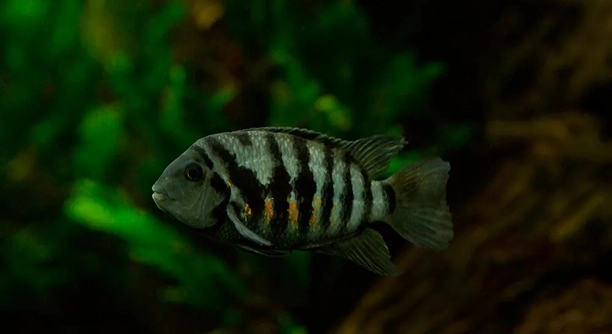
African cichlids are popular freshwater fish known for their vibrant colors and active behavior. Many aquarium enthusiasts want to understand their daily activity patterns to better care for them. Knowing when these fish are most active can improve their habitat and feeding routines.
African cichlids are primarily diurnal, meaning they are most active during the day. They rely on daylight for feeding, social interaction, and territory defense. At night, their activity decreases as they rest and conserve energy for the next day.
Understanding the daily rhythms of African cichlids can help create a suitable environment that matches their natural behavior. This knowledge supports healthier and more balanced fish care practices.
Activity Patterns of African Cichlids
African cichlids are most active during daylight hours, which aligns with their natural environment in African lakes. Their daily routine involves searching for food, defending territory, and interacting with other fish. In the wild, they rely on daylight for visual cues to navigate their surroundings and find food. When the sun sets, their activity slows down significantly. At night, these fish tend to hide in rocks or plants, resting quietly until the next morning. This diurnal behavior is important to consider when setting up an aquarium, as providing consistent light and dark periods helps maintain their natural rhythm. Keeping lights on for too long or too short can cause stress or disrupt their usual activity.
Light plays a crucial role in regulating their behavior. A regular day-night cycle supports their well-being and natural habits.
Providing a stable lighting schedule with 10 to 12 hours of light per day mimics their natural habitat. This allows African cichlids to feed and explore comfortably while resting during the night. Sudden changes in lighting or irregular schedules can confuse them and lead to stress or reduced activity. Including hiding spots and shaded areas also gives them a secure place to rest when lights go off. This balance promotes healthier fish and a more vibrant aquarium environment.
Feeding Habits and Behavior
African cichlids feed mainly during the day. Their diet consists of algae, small invertebrates, and sometimes other fish.
Feeding routines should match their diurnal pattern to encourage natural foraging behavior. Offering food in the morning and early afternoon supports their energy needs when they are most active. Avoid feeding at night, as it can disturb their rest period. In the tank, watch how they behave during feeding to ensure all fish receive enough food. Overfeeding can cause water quality issues and affect their health. A balanced diet combined with appropriate feeding times keeps African cichlids healthy and active. This approach respects their natural rhythm and supports overall tank harmony.
Nighttime Behavior of African Cichlids
At night, African cichlids significantly reduce their activity. They often find sheltered spots within rocks or plants to rest safely.
This resting period helps them conserve energy after a full day of feeding and social interaction. Nighttime inactivity is essential for their health, as it supports proper digestion and recovery. Without adequate rest, these fish may become stressed or vulnerable to illness. In captivity, mimicking their natural dark periods by turning off aquarium lights encourages this healthy resting behavior. Observing their nighttime calm can reveal their natural patterns and reassure that their environment supports their needs.
During the night, African cichlids remain alert but avoid unnecessary movement. This balance between rest and awareness helps them stay safe in the wild. Providing an environment with ample hiding spots reduces stress during these hours. It’s important to avoid disturbing them when lights are off, as interruptions can lead to restless behavior and impact their overall well-being.
Impact of Aquarium Lighting on Activity
Proper lighting directly affects the daily activity cycle of African cichlids. Too much light can overstimulate them, while too little light may reduce their activity.
Consistent lighting schedules help maintain their natural rhythm, promoting healthy behavior and growth. Ideally, aquarium lights should be set for about 10 to 12 hours daily, replicating their natural daylight. Gradual transitions between light and dark periods, using timers if possible, reduce stress and simulate sunrise and sunset. Sudden changes or irregular lighting can confuse fish, causing erratic behavior and impacting feeding and resting cycles. Matching lighting to their diurnal nature improves overall tank health and fish vitality.
Signs of Stress in African Cichlids
Stress in African cichlids often shows through changes in behavior and appearance. These signs include hiding more than usual and loss of color.
Other indicators are reduced activity during the day and decreased appetite. Stress affects their immune system and overall health, so it’s important to recognize these signs early.
How to Create a Natural Environment
Replicating natural habitat conditions supports African cichlids’ well-being. Use rocks, caves, and plants to provide hiding spots and territory boundaries.
Maintain clean water with stable temperature and pH levels. These factors help reduce stress and encourage natural behaviors, keeping the fish active and healthy.
Common Mistakes in Lighting Setup
Incorrect lighting, such as leaving lights on too long or too bright, can cause stress and disrupt activity cycles.
Using a timer ensures consistent light and dark periods, promoting a stable environment.
Importance of Consistency in Care
Consistent care routines, including lighting, feeding, and tank maintenance, support healthy fish behavior.
FAQ
Are African cichlids strictly diurnal?
African cichlids are primarily diurnal, meaning they are most active during daylight hours. Their natural behavior involves feeding, exploring, and defending territory when there is light. At night, they reduce their activity and rest in sheltered areas. This pattern helps them conserve energy and stay safe.
Can African cichlids adapt to different lighting schedules?
While African cichlids prefer a regular day-night cycle, they can adjust somewhat to changes in lighting. However, sudden or frequent disruptions to their light schedule can cause stress and affect their health. Using timers for consistent light periods is the best way to maintain their natural rhythm.
Do African cichlids sleep at night?
Yes, African cichlids do rest or “sleep” at night. They enter a state of low activity and hide in safe spots like caves or plants. This rest period is important for their digestion, energy recovery, and overall health. Disturbing them during this time can cause stress.
How does lighting affect African cichlids’ color?
Proper lighting can enhance the vibrant colors of African cichlids. Too much light or irregular lighting may cause their colors to fade or appear dull. Consistent lighting that mimics natural daylight encourages their best coloration and overall well-being.
Is it okay to feed African cichlids at night?
Feeding African cichlids at night is not recommended because they are less active and may not eat properly. Feeding should be done during the day when they are alert and foraging. Feeding at night can disturb their resting period and lead to uneaten food, which harms water quality.
How long should aquarium lights be on for African cichlids?
Lights should be on for about 10 to 12 hours a day, similar to natural daylight length. This schedule supports their active and resting phases. Using a timer helps maintain consistency and reduces stress on the fish.
What happens if African cichlids don’t get enough darkness?
Lack of darkness can disrupt their natural cycle, causing stress and affecting their health. Without proper rest, they may become lethargic, lose color, or be more prone to illness. It is important to provide a dark period for them to recover each day.
How can I tell if my African cichlid is stressed?
Signs of stress include hiding more than usual, loss of color, decreased appetite, and reduced activity during the day. Stress may also cause erratic swimming or aggression. Observing these behaviors early allows you to adjust care and environment to improve their condition.
Do African cichlids need hiding places for nighttime?
Yes, hiding places like caves, rocks, or plants are essential. They provide shelter and security during rest periods, reducing stress and encouraging natural behavior. Without adequate hiding spots, African cichlids may feel exposed and become restless at night.
Can lighting affect breeding behavior?
Lighting influences breeding behavior because it regulates their daily rhythms. Proper light cycles encourage natural mating and territorial displays during the day. Inconsistent or inappropriate lighting can disrupt these behaviors, reducing the chances of successful breeding.
Should aquarium lights mimic sunrise and sunset?
Gradual changes in lighting that mimic sunrise and sunset are ideal. This helps African cichlids adjust slowly to light changes, reducing stress. Sudden switching of lights on or off can startle the fish and disturb their natural routine.
Is blue or white light better for African cichlids?
Both blue and white lights can work well, but white light more closely resembles natural daylight and supports active behavior and feeding. Blue light is often used at night to create a dim environment without disturbing the fish’s rest. Combining both can create a balanced lighting setup.
How important is water quality compared to lighting for activity?
Water quality is equally important as lighting for healthy activity levels. Clean, well-maintained water with stable temperature and pH supports normal behavior. Poor water quality can cause stress and illness, no matter how well lighting is managed.
Can African cichlids be active at night in some cases?
Although mostly diurnal, some species or individuals may show low-level activity at night if disturbed or stressed. However, this is not typical behavior and often indicates an issue with their environment, such as improper lighting or lack of hiding places.
What role does temperature play in their daily activity?
Temperature affects metabolism and activity. African cichlids are more active in stable, warm water typical of their natural habitats. Fluctuations or extremes can cause lethargy or overactivity, disrupting their normal day-night patterns.
How to create the best light schedule for African cichlids?
Set aquarium lights to 10-12 hours on during the day, followed by 12-14 hours of darkness. Use timers to ensure consistency and consider gradual light transitions. This replicates natural conditions and supports healthy behavior and coloration.
Does lighting influence aggression in African cichlids?
Yes, lighting affects aggression. Bright, prolonged light may increase territorial behavior, while dim or irregular light can cause confusion and stress, sometimes leading to excessive aggression. Balanced lighting helps maintain calm social interactions.
Can African cichlids live in low-light conditions?
They can survive in lower light but will be less active and their colors may fade. Low-light conditions do not support their natural behaviors well. Providing adequate light is essential for their health and happiness.
Is it harmful to keep aquarium lights on 24/7?
Keeping lights on all the time is harmful. It prevents the fish from resting, leading to stress, weakened immunity, and behavioral issues. A clear day-night cycle is necessary for their well-being.
How to know if aquarium lighting is correct?
Correct lighting encourages normal activity during the day and restful behavior at night. Fish display vibrant colors and healthy feeding habits. If fish seem stressed, inactive during the day, or restless at night, lighting may need adjustment.
Can too much light cause algae problems?
Yes, excessive light promotes algae growth, which can reduce water quality and harm fish health. Controlling light duration and intensity helps prevent algae overgrowth and keeps the tank balanced.
Are African cichlids sensitive to sudden light changes?
They can be startled by sudden light changes, which may cause stress or erratic swimming. Gradual lighting transitions reduce this risk and create a more stable environment.
How often should lighting be adjusted for seasonal changes?
Adjust lighting gradually to reflect seasonal daylight changes if desired, but maintain consistent daily schedules to avoid stressing the fish. Small changes over weeks are better than sudden shifts.
Do African cichlids prefer natural sunlight or artificial light?
Artificial light is preferred for indoor tanks because it can be controlled and timed precisely. Natural sunlight may cause temperature fluctuations and excessive algae growth.
Can improper lighting lead to health issues?
Yes, improper lighting can cause stress, weaken immune responses, and contribute to diseases. Keeping a proper light cycle is a simple but important part of good fish care.
Is it normal for African cichlids to hide during the day sometimes?
Occasionally hiding is normal, especially if they are shy or stressed. Frequent hiding or inactivity during the day signals a problem with lighting, tank setup, or health that needs attention.
How important is lighting compared to other tank equipment?
Lighting is just one part of a healthy tank setup. Filtration, temperature control, and water quality are equally important. All factors work together to support fish well-being.
Can lighting influence growth rates in African cichlids?
Proper lighting supports feeding and activity, indirectly aiding growth. Poor lighting can reduce appetite and energy, slowing growth and development.
Are African cichlids more active during certain seasons?
In the wild, their activity may vary with seasonal changes in daylight and temperature. In captivity, stable conditions reduce these variations.
What type of lighting setup is best for a planted African cichlid tank?
A full-spectrum light that supports both fish and plants is ideal. This encourages plant growth while maintaining fish health and behavior.
How to balance lighting for multiple fish species in one tank?
Adjust lighting to meet the needs of the most sensitive species while keeping a natural cycle. Using dimmable or adjustable lights can help balance different preferences.
Can lighting affect the lifespan of African cichlids?
Consistent, proper lighting contributes to overall health and longevity. Poor lighting can stress fish, shortening their lifespan.
What’s the best way to simulate natural lighting changes?
Using a timer with gradual dimming functions simulates sunrise and sunset. This reduces stress and supports natural behavior rhythms.
Final Thoughts
African cichlids are mostly active during the day and rest at night. This natural cycle of activity and rest is important for their health. By understanding their diurnal habits, you can provide better care and create a tank environment that supports their natural behaviors. Proper lighting, hiding spots, and a stable routine all contribute to their well-being. Keeping these factors in mind helps your fish stay healthy and show their best colors.
Lighting plays a key role in maintaining the daily rhythm of African cichlids. A consistent light schedule that mimics natural day and night cycles encourages normal feeding, social interaction, and rest. Sudden or extended lighting periods can stress the fish, leading to health problems and behavior changes. Using timers and gradual light changes helps reduce stress and supports a balanced environment. Good water quality and stable temperature are also important alongside proper lighting.
Creating a suitable home for African cichlids means more than just providing food and water. It involves understanding their natural habits and needs. Watching how they behave during the day and night can give clues about their comfort level. Adjusting lighting, tank decorations, and care routines based on these observations helps create a healthier and more natural habitat. This thoughtful approach ensures African cichlids can thrive and live comfortably in your aquarium.

Hello,
If you enjoy the content that we create, please consider saying a "Thank You!" by leaving a tip.
Every little bit helps us continue crafting quality advice that supports the health, happiness, and well-being of pets around the world, for pets of all shapes, sizes, and species.
We really appreciate the kindness and support that you show us!