
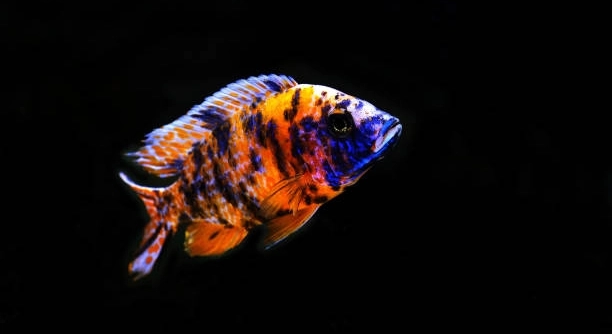
African cichlids need a stable environment to thrive, and balancing the pH in their tank is key. Maintaining proper water conditions helps keep these vibrant fish healthy and active in their aquatic home.
Balancing pH for African cichlids involves regular testing, adjusting water chemistry through natural or chemical means, and monitoring tank conditions to ensure a stable environment that supports their health and well-being.
Proper pH balance is essential for cichlids’ overall health and can prevent many common problems. This article explains effective ways to maintain the right pH level.
Test Water Regularly
Testing your aquarium water regularly is essential for keeping African cichlids healthy. Use a reliable pH test kit to check the water at least once a week. Consistent testing helps detect any sudden changes early, which can be harmful to your fish. pH levels should ideally stay between 7.8 and 8.6 for most African cichlid species. If the pH drops too low or rises too high, it can cause stress and illness. Keep a log of your test results to track trends over time. This record makes it easier to spot patterns and know when to take action. Regular testing also helps you maintain a stable environment, which is important because pH can fluctuate due to many factors, such as new water, decorations, or fish waste. Staying on top of these changes protects your fish and ensures a peaceful tank environment.
Consistent water testing provides an early warning system for pH imbalances, preventing potential harm to your cichlids.
Maintaining a log of your test results is a helpful practice. It lets you review changes over time and respond appropriately. Use this information when making adjustments to the tank to keep conditions ideal. In addition, be careful when adding new water—make sure it matches the tank’s pH to avoid sudden swings. Testing water after any change ensures you catch any shifts immediately. This simple routine supports your fish’s health and keeps your aquarium thriving.
Use Natural Materials to Adjust pH
Natural materials can help balance the pH of your cichlid tank without harsh chemicals. Crushed coral is one popular option because it slowly releases minerals that raise pH and hardness, mimicking the cichlids’ natural environment. Adding a small amount to your filter or substrate can create a gradual and stable increase in pH. Driftwood, on the other hand, tends to lower pH by releasing tannins, so avoid it unless you want to decrease pH. Using natural elements reduces the risk of sudden chemical changes that can stress fish. It is also more sustainable and easier to maintain in the long run. When introducing any natural material, clean it thoroughly to avoid introducing unwanted bacteria or debris. Monitor the water closely to see how these materials affect pH over time and adjust as needed for balance.
Perform Partial Water Changes
Partial water changes help keep the pH stable by removing waste and diluted minerals that can cause fluctuations. Regularly replacing 10-20% of the water helps maintain a balanced environment.
Water changes dilute accumulated acids and toxins that can lower pH. Using dechlorinated water with a matching pH prevents sudden shifts. It is important to replace water slowly to avoid stressing the fish. Testing new water before adding it ensures consistency. Establish a routine schedule to maintain stable water chemistry.
Over time, water changes also remove nitrates and other byproducts that can affect overall water quality. Combining water changes with regular testing helps you track improvements and maintain the ideal pH range. Consistency is key for the health and longevity of your cichlids.
Avoid Overfeeding
Overfeeding leads to excess waste, which can lower pH by increasing acids in the water. Feed your cichlids only what they can consume in a few minutes to avoid buildup.
Excess food decomposes and creates ammonia and other chemicals that affect water chemistry. This decomposition lowers pH and stresses the fish. Carefully measured feeding reduces organic waste and keeps water cleaner. Monitor your fish’s appetite and adjust feeding amounts accordingly to prevent leftovers. Keeping the tank clean and free from uneaten food supports stable pH levels and overall fish health.
Use pH Buffers Carefully
pH buffers can quickly adjust water pH but must be used with caution. Overuse can cause sudden changes harmful to cichlids.
Always follow the product instructions precisely. Test water frequently when using buffers to avoid extremes.
Maintain Proper Filtration
A good filtration system removes waste and toxins that affect pH balance. Filters also help circulate water, preventing stagnant areas where pH could vary.
Regular cleaning and maintenance of the filter media ensure it works effectively. Replace parts as needed to keep water conditions stable and healthy for your fish.
Monitor Tank Decorations
Some tank decorations can influence pH by releasing minerals or chemicals into the water. Choose materials like rocks or substrates that are safe and stable for cichlid tanks.
Avoid decorations that may alter water chemistry unexpectedly, which can cause stress to your fish.
FAQ
How often should I test the pH in my African cichlid tank?
Testing the pH once a week is usually enough to keep track of water conditions. If you notice sudden changes or your fish seem stressed, test more often. Regular checks help catch issues early and prevent harmful fluctuations.
What is the ideal pH range for African cichlids?
Most African cichlids thrive in a pH range between 7.8 and 8.6. This slightly alkaline environment matches their natural habitat in the African Rift Lakes. Staying within this range supports their health and behavior.
Can I use tap water for water changes?
Yes, but it’s important to treat tap water before adding it to your tank. Use a water conditioner to remove chlorine and chloramine. Also, test the tap water’s pH to ensure it won’t cause sudden changes.
What happens if the pH is too low or too high?
If pH is too low (acidic), cichlids may become stressed, lose appetite, or get sick. Too high (alkaline) pH can also harm them, causing irritation and affecting their metabolism. Keeping pH stable is key to avoiding these problems.
Are there natural ways to raise pH without chemicals?
Yes, crushed coral or limestone can slowly raise pH by releasing minerals into the water. These materials provide a gentle and consistent way to keep pH in the desired range.
Is it safe to use pH buffers regularly?
Using pH buffers occasionally can help correct imbalances, but relying on them too much can cause stress. It’s better to maintain stable conditions through water changes and natural materials.
How does overfeeding affect pH?
Overfeeding increases waste and organic matter, which break down and produce acids. This process lowers pH and can create unhealthy water conditions. Feeding only what your fish can eat quickly helps prevent this.
Can decorations affect pH levels?
Yes, some rocks or driftwood can change pH by releasing chemicals or minerals. Choose decorations that are known to be safe and stable for African cichlid tanks to avoid unexpected pH shifts.
What should I do if pH swings suddenly?
Perform a partial water change with water that matches the correct pH. Check filtration and test for any new items added to the tank. Avoid sudden chemical treatments, and adjust conditions slowly.
Why is stability more important than exact pH value?
Cichlids can tolerate slight variations but react badly to rapid or large swings. Stable pH reduces stress and supports overall health better than aiming for a perfect number that changes often.
How do I safely introduce new water to my tank?
Test the new water’s pH and temperature before adding it. Add the water slowly, mixing it gently with the tank water to avoid sudden changes. This helps your fish adjust without stress.
Can plants affect pH in a cichlid tank?
Some plants release acids that can lower pH. African cichlid tanks usually have limited plants because these fish prefer rocky environments. Choose hardy species carefully if you want live plants.
Is it okay to use reverse osmosis (RO) water?
RO water is very pure and often too soft for African cichlids. It can be mixed with regular water or have minerals added back in to achieve the right hardness and pH.
How do I know if my fish are stressed from pH problems?
Signs include hiding, loss of appetite, rapid breathing, or unusual swimming patterns. If you see these, test the water immediately and take steps to stabilize the pH.
What tools do I need to maintain proper pH?
A reliable pH test kit, water conditioner, natural materials like crushed coral, and a good filtration system are essential. Keeping these tools on hand makes maintenance easier.
Can temperature affect pH levels?
Yes, warmer water can cause pH to rise slightly, while cooler water may lower it. Keep the tank temperature stable to help maintain consistent pH.
How long does it take for pH to stabilize after changes?
It can take several hours to days, depending on the size of the change and the tank conditions. Making adjustments slowly helps reduce stress on the fish.
Are chemical pH adjusters harmful long term?
Frequent use of strong chemicals can disrupt tank balance and harm beneficial bacteria. Use them sparingly and focus on natural, stable methods for long-term health.
What is the role of hardness in pH balance?
Water hardness, caused by minerals like calcium and magnesium, helps buffer pH changes. Proper hardness makes it easier to maintain stable pH in your cichlid tank.
Can regular cleaning help maintain pH?
Yes, cleaning the tank and removing excess waste reduces substances that cause pH fluctuations. Keeping the environment clean supports overall water quality and stability.
Maintaining the right pH balance is a crucial part of caring for African cichlids. These fish need a stable and slightly alkaline environment to stay healthy and active. Sudden changes or extremes in pH can cause stress and illness, which makes regular monitoring important. Testing the water weekly and keeping track of results can help you notice any problems early. This way, you can take action before your fish are affected. Consistency is key when managing the water conditions, so following a routine with water changes and cleaning supports a steady environment.
Using natural materials like crushed coral can be an effective and gentle way to adjust the pH. These materials slowly release minerals that help keep the water in the right range without sudden swings. While chemical pH buffers may seem like a quick fix, they should be used carefully and sparingly. Overreliance on chemicals can create instability and stress for your fish. Feeding your cichlids the right amount and maintaining proper filtration also play important roles in keeping the water clean and balanced. Removing waste and uneaten food prevents acids from building up and affecting the pH.
Ultimately, keeping African cichlids healthy is about creating a stable and comfortable home for them. This involves paying attention to water quality and making gradual adjustments when needed. Avoid rushing to change the pH quickly, as fish respond better to slow and steady improvements. Monitoring, proper feeding, regular cleaning, and choosing the right decorations all contribute to a balanced tank. With patience and care, you can provide an environment where your cichlids thrive and show their best colors and behaviors.

Hello,
If you enjoy the content that we create, please consider saying a "Thank You!" by leaving a tip.
Every little bit helps us continue crafting quality advice that supports the health, happiness, and well-being of pets around the world, for pets of all shapes, sizes, and species.
We really appreciate the kindness and support that you show us!