
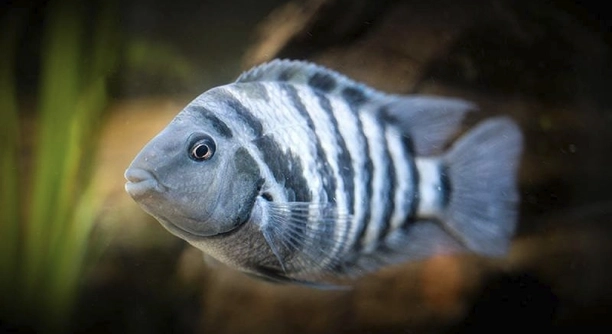
African cichlids are colorful fish popular in many home aquariums. They are known for their vibrant fins and active behavior. Many people watch them closely and wonder about how they interact with each other in the water.
African cichlids communicate with their fins by using specific movements and color displays to send signals to other fish. These fin gestures can indicate territory, mating readiness, or warnings, making fin communication a vital part of their social behavior.
Understanding the way these fish use their fins to talk can help hobbyists better care for them and create a peaceful environment in the aquarium.
How African Cichlids Use Their Fins for Communication
African cichlids rely heavily on their fins to communicate important messages. Their fins are not just for swimming but also serve as visual signals. By spreading or folding their fins, they can show dominance or submission. Bright colors on the fins often get more attention and are used during mating displays to attract partners. When feeling threatened, a cichlid might flare its fins to look bigger and warn others to stay away. These signals help reduce fights and establish social order in their groups. Watching these fin movements closely reveals how much these fish depend on visual cues instead of sounds or chemicals.
Fin communication in African cichlids is subtle yet powerful. Small changes in fin position or color can change how other fish react. These gestures form a complex language that helps keep peace and supports breeding.
Noticing these fin signals can make keeping African cichlids more rewarding. It helps you understand their moods and interactions better, creating a calm tank environment.
The Role of Color and Movement in Fin Signals
Color plays a major role in fin communication among African cichlids. Bright colors can indicate health and strength, which helps during mating seasons. Movement adds another layer, showing intent or emotion. Slow fin waves might signal calmness, while fast flares warn of aggression.
African cichlids’ fins work like flags in their aquatic space. The brighter and more active their fins are, the clearer their message to others. When a male wants to impress a female, he often displays his fins fully, flashing vivid colors and moving them slowly to catch her eye. On the other hand, when a fish wants to mark its territory, it may rapidly flare its fins, showing sharp angles and bright contrasts to warn intruders. Females can also use fin movements to reject unwanted attention, sometimes folding fins close to the body to appear smaller and less inviting. These color and motion signals create a language all their own, guiding how these fish live together. Watching these signs closely helps aquarists better manage tank dynamics and avoid conflicts, improving the fish’s well-being and comfort.
Fin Displays and Social Hierarchy
Fin displays help African cichlids establish social rank quickly. Dominant fish often show larger, more colorful fins. Submissive ones keep fins close to their bodies to avoid conflict. These visual cues reduce fights and keep peace in the tank.
When a dominant cichlid displays its fins fully, it signals control over a territory or group. This show of strength usually prevents other fish from challenging it. The dominant fish might flare fins widely and hold them steady, making itself look larger and more impressive. Submissive fish recognize these signs and back away, lowering their fins or hiding. This nonverbal communication keeps tension low and stops unnecessary fights that could injure the fish. In crowded tanks, these fin signals become crucial for maintaining order and helping each fish know its place in the social hierarchy.
The fin displays are also important during feeding time. Dominant fish may block access to food using their fins to assert control. Submissive fish accept this and wait their turn, relying on these signals to avoid aggression. Recognizing these behaviors helps in managing feeding routines to reduce stress.
Mating and Fin Communication
During mating, male African cichlids use fin displays to attract females and show readiness. Bright colors and wide fin spreads signal good health. Females respond by showing interest or rejection through fin movement.
Males often swim slowly with fins fully extended to catch the female’s attention. This display is both a sign of fitness and an invitation. Females watch closely and may respond by mimicking fin movements or changing their own fin colors slightly. If interested, they approach and stay near the displaying male. If not, they fold their fins tightly and swim away. This fin communication helps both sexes avoid wasted effort on unsuitable mates. It also strengthens bonds once pairs form, using subtle fin gestures to maintain connection during courtship. Understanding these mating signals improves tank management by allowing observation of natural breeding behavior.
Fin Communication and Stress
Fin movements can also reveal when African cichlids feel stressed. Clamped fins, held close to the body, often show discomfort or fear. Watching these signals helps identify problems early.
Stress in cichlids may come from overcrowding, poor water quality, or bullying. Recognizing fin signs allows quick action to improve their environment and reduce tension.
How to Encourage Healthy Fin Communication
Providing enough space and hiding spots supports natural fin displays. A well-structured tank lets cichlids express themselves without feeling threatened. This balance encourages healthy social behavior.
A crowded or bare tank can limit fin communication and increase stress. Proper lighting helps show off colors clearly, making signals easier to read. Clean water and a calm environment support fin use and overall well-being.
Fin Damage and Communication
Damaged fins can interfere with communication, causing misunderstandings among fish. Keeping fins healthy is key to clear social signals.
Watching Fins to Understand Behavior
Observing fin movements regularly gives insight into the moods and needs of African cichlids.
How do African cichlids use their fins to communicate?
African cichlids use their fins by spreading, folding, or moving them in ways that send clear signals to other fish. These movements can show dominance, submission, or readiness to mate. Bright colors on their fins help make these signals more noticeable. For example, a fish might flare its fins to look larger and warn others to keep away or spread them slowly to attract a mate. These visual cues help cichlids avoid fights and find partners.
Can damaged fins affect communication between cichlids?
Yes, damaged fins can cause problems. If a cichlid’s fins are torn or unhealthy, the signals it tries to send might be unclear or misunderstood by other fish. This can lead to more conflicts or stress because other fish won’t get the right message. Keeping fins healthy with good water quality and avoiding overcrowding is important. When fins heal, communication improves, and the social order becomes more stable.
Do all African cichlids use fins the same way?
Not all species use their fins exactly the same, but many share similar patterns. Some cichlids rely more on fin colors, while others use specific fin movements. The intensity and style of these displays can vary by species and environment. It’s helpful to learn about the specific cichlid type in your tank because their fin communication might have unique traits.
How can I tell if my cichlid is stressed by watching its fins?
Clamped fins, where the fins are held close to the body, often signal stress or fear. A stressed cichlid might also hide more or stop showing its usual bright colors. Changes in fin movement, like less frequent flaring or slow, weak motions, also suggest discomfort. If you see these signs, check water quality, tank mates, and space to reduce stress.
Why do male African cichlids flare their fins during breeding?
Males flare their fins during breeding to show strength, health, and readiness to mate. Bright, fully extended fins attract females and warn rival males. These displays make the male look larger and more impressive, increasing his chances of finding a mate and protecting territory. It’s a natural behavior tied to reproduction.
Can female cichlids communicate with fins too?
Yes, females use fin movements to respond to males and signal their own mood. For example, a female might fold her fins tightly to show rejection or swim close with gentle fin movements to show interest. These subtle signals help both sexes avoid wasted energy on unwanted interactions and support successful mating.
What role does tank setup play in fin communication?
Tank setup matters a lot. A crowded or poorly arranged tank limits space for fin displays and increases stress. Providing enough room, hiding spots, and proper lighting allows cichlids to show their fins clearly and interact naturally. Good water quality keeps fins healthy, which supports clear communication. Paying attention to these details helps fish live peacefully.
How often should I watch my cichlids’ fin behavior?
Regular observation is best. Watching your fish daily helps you notice changes in fin color, position, or movement. These changes can signal health or social problems early. Being familiar with their normal fin behavior makes it easier to spot when something’s off and take action quickly.
Are there signs that fin communication is not working well in my tank?
Frequent fights, injuries, or constant hiding suggest fin communication isn’t effective. If fish can’t send or understand signals clearly, tensions rise. Poor fin condition also causes confusion. Improving tank conditions and reducing stress can help restore clear fin communication and calm the community.
What should I do if my cichlid’s fins look damaged?
Check water quality and tank mates first. Sometimes fin damage comes from sharp decorations or aggressive fish. Isolate injured fish if needed and maintain clean water to support healing. Avoid harsh chemicals and offer a nutritious diet to help fins grow back strong. Healing fins restore communication abilities over time.
Can lighting affect how fins communicate?
Yes, lighting makes fin colors more visible. Bright or natural light highlights fin patterns, making signals clearer. Dim or poor lighting can hide these details, causing misunderstandings. Use appropriate aquarium lights to show off your cichlids’ colors and improve their communication.
Do young cichlids use fin communication differently than adults?
Young cichlids tend to use fin signals less aggressively. They may keep fins smaller and avoid flaring to stay safe around adults. As they grow, their fin displays become stronger and more defined to establish territory and attract mates. Watching juveniles can help you see their social growth.
Can fin communication prevent fights in a tank?
Yes, clear fin signals often prevent fights by establishing who is dominant or submissive. When fish understand each other’s signals, they avoid unnecessary conflicts. This saves energy and reduces injury. Ensuring healthy fins and space for displays supports peaceful tank life.
What if my cichlids don’t seem to use their fins much?
If fin displays are rare, it could mean the fish are stressed, sick, or crowded. It might also mean poor lighting or lack of space. Improving tank conditions and monitoring fish health often brings back normal fin behavior. Patience helps fish feel comfortable enough to communicate.
Is fin communication unique to African cichlids?
While many fish use fins for communication, African cichlids are especially known for their colorful and expressive fin displays. Their social nature and bright colors make fin signals more visible and important. Other species might rely more on sounds or chemical signals instead.
African cichlids use their fins in many ways to communicate with each other. These fins are important tools for sending messages about territory, mating, and social status. The way a cichlid moves or shows its fins can tell other fish a lot without any noise. This silent form of communication helps them live together with fewer fights and misunderstandings. Watching their fin movements closely can give you useful clues about how they feel and interact with others in the tank.
Keeping African cichlids healthy and happy means paying attention to their fins. Damage or poor fin condition can make it hard for them to send the right signals, which can lead to stress and more conflicts. Proper tank conditions like clean water, enough space, and good lighting help fins stay bright and strong. It’s also important to avoid overcrowding and aggressive tank mates that might harm fins. When cichlids have healthy fins, their communication is clear, and the social order stays balanced, making your aquarium a peaceful place.
Overall, fin communication is a key part of African cichlid behavior. Understanding how they use fins to show dominance, court mates, or signal stress can improve how you care for them. Paying attention to these small details helps create a better environment for the fish and makes it easier to notice problems early. By observing and supporting their natural fin displays, you can enjoy watching their unique interactions and keep them thriving in your tank.

Hello,
If you enjoy the content that we create, please consider saying a "Thank You!" by leaving a tip.
Every little bit helps us continue crafting quality advice that supports the health, happiness, and well-being of pets around the world, for pets of all shapes, sizes, and species.
We really appreciate the kindness and support that you show us!