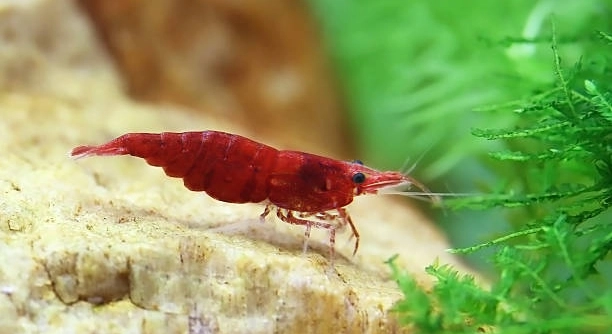
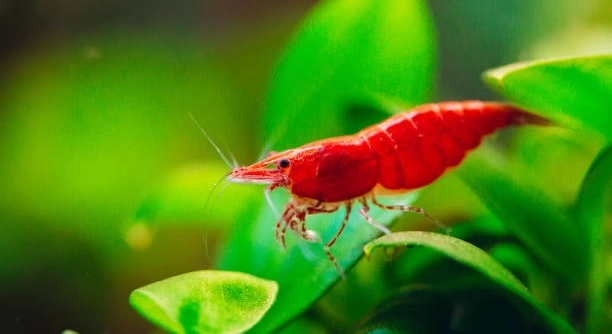
7 Strange Things Cherry Shrimp Do After Molting
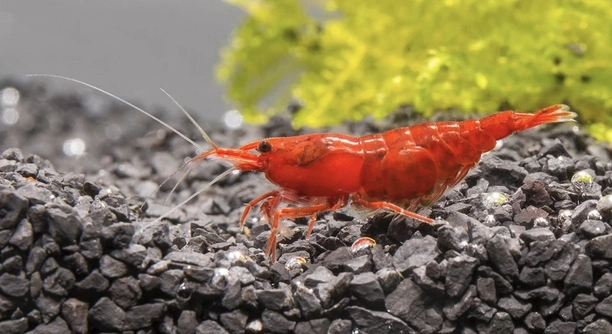
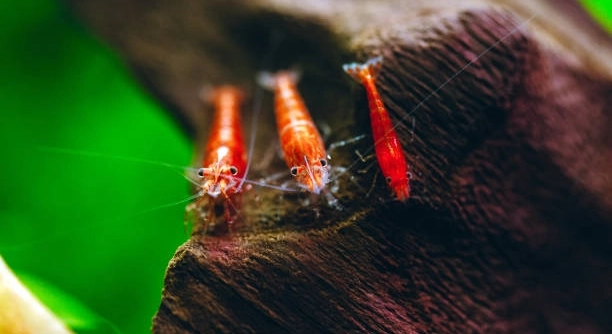
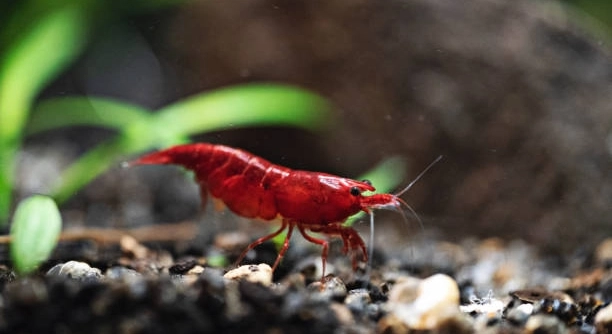
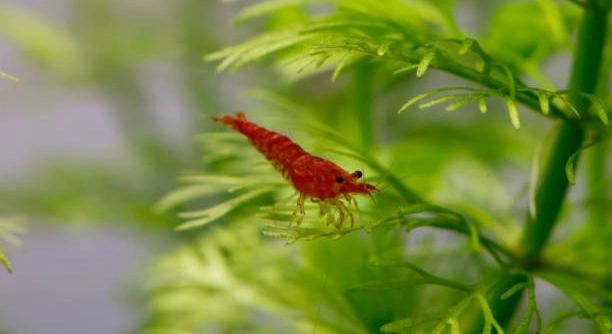
Cherry shrimp are fascinating little creatures, especially after they molt. Their behavior can seem unusual or even strange at times. Observing these small freshwater shrimp reveals actions that are both protective and instinctive, reflecting their delicate life cycle and needs. After molting, cherry shrimp often hide, eat their exoskeleton, stay very still, change colors, groom … Read more
Can Cherry Shrimp Eat Moldy Food?

Cherry shrimp are delicate freshwater creatures that thrive on a clean and balanced diet. Their food choices directly impact their health, growth, and vibrant coloration. Feeding them correctly is essential for maintaining a thriving aquarium environment. Cherry shrimp should not be fed moldy food. Mold introduces harmful bacteria and toxins that can compromise their digestive … Read more

Are Cherry Shrimp Attracted to Reflections?

Do you ever notice your cherry shrimp hovering near the glass, seemingly interested in their own reflections? Watching them can be surprisingly calming, and many hobbyists wonder about the reason behind this behavior in aquariums. Cherry shrimp are not significantly attracted to reflections. While they may approach glass surfaces, their behavior is usually driven by … Read more

7 Foods That Make Cherry Shrimp Lose Color

Do you ever notice your cherry shrimp losing their bright red color even when their tank seems perfect? Many shrimp keepers face this issue without realizing it can be linked to their diet and specific foods they are fed. Cherry shrimp can lose color due to consuming foods that lack carotenoids or contain excessive fillers. … Read more

7 Signs Your Cherry Shrimp Is Molting

Are your cherry shrimp showing subtle changes in behavior or appearance? Observing these tiny creatures can be both fascinating and confusing, especially when they begin preparing for a molt. Noticing the early signs helps keep them healthy. Cherry shrimp exhibit molting through distinct physical and behavioral changes. Indicators include reduced appetite, increased hiding, color fading, … Read more

Why Cherry Shrimp Sometimes Cluster in Corners

Cherry shrimp are small, colorful, and lively creatures that brighten up any aquarium. Sometimes, however, you may notice them gathering in the corners of the tank. This behavior can catch even experienced keepers by surprise. Cherry shrimp often cluster in corners due to environmental stressors, water quality fluctuations, or hiding instincts. Limited space, poor filtration, … Read more

Can Cherry Shrimp Regrow Lost Legs?

Cherry shrimp are small, colorful additions to freshwater aquariums, admired for their delicate appearance and lively behavior. Their tiny legs and antennae are essential for movement, feeding, and exploring, making any injury noticeable to attentive owners. Cherry shrimp possess the ability to regenerate lost legs through successive molting cycles. Leg regrowth occurs gradually, with each … Read more

Can Cherry Shrimp Thrive in Tall, Narrow Tanks?

Cherry shrimp are popular freshwater pets, admired for their bright colors and peaceful nature. Many aquarists enjoy keeping them in small tanks, but tank shape can influence their behavior and overall health. Tank dimensions play an important role. Cherry shrimp can thrive in tall, narrow tanks if proper water parameters, adequate hiding spots, and sufficient … Read more

7 Signs You’ve Added Too Many Shrimp

Are your shrimp dishes starting to look more crowded than planned, spilling over the edges of your pan or plate? Cooking shrimp can be satisfying, but adding too many at once can make even simple recipes tricky. Adding an excessive number of shrimp to a recipe can interfere with proper cooking, causing uneven heat distribution, … Read more

Why Are Cherry Shrimp Always on the Sponge?

Cherry shrimp are tiny, colorful creatures that often brighten up home aquariums. Many shrimp owners notice a recurring behavior where these small crustaceans frequently cling to the sponge filter in their tanks. Cherry shrimp are consistently found on the sponge due to its role as a food source and shelter. Biofilm and algae grow on … Read more