
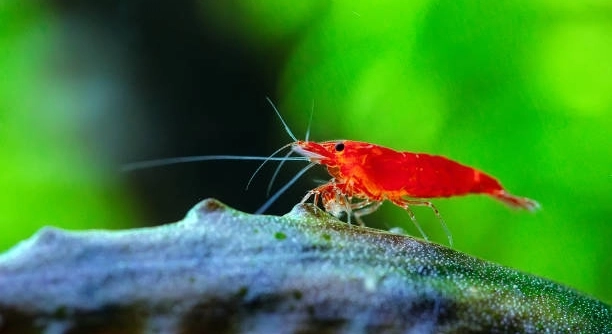
Cherry shrimp are small, colorful additions to freshwater aquariums, admired for their delicate appearance and lively behavior. Their tiny legs and antennae are essential for movement, feeding, and exploring, making any injury noticeable to attentive owners.
Cherry shrimp possess the ability to regenerate lost legs through successive molting cycles. Leg regrowth occurs gradually, with each molt contributing to partial or complete restoration. Environmental conditions, nutrition, and overall health significantly influence the speed and success of regeneration.
Observing the regrowth process can be fascinating, revealing both the resilience of these creatures and the importance of proper care in their habitat.
Why Cherry Shrimp Lose Legs
Cherry shrimp can lose legs for several reasons. Molting is the most common, especially if the water conditions are not ideal. Stress from overcrowding, sudden temperature changes, or aggressive tank mates can also result in lost limbs. Poor nutrition can weaken the exoskeleton, making legs more susceptible to damage. Accidental injury while navigating decorations or substrate is another factor. While losing a leg may look alarming, it is a natural occurrence, and shrimp often recover fully if conditions are stable. Ensuring clean water, balanced feeding, and a calm environment reduces the risk of repeated injuries. Observing their behavior after a leg loss helps identify if the shrimp is coping well. Sometimes a missing leg is not noticeable until several molting cycles later, as new growth may be slow. Consistent care is key to their overall resilience and comfort in the aquarium.
Molting plays a central role in both growth and leg regeneration, making stable conditions essential.
When a leg is lost, it will not regenerate immediately. Cherry shrimp replace lost limbs gradually during molting. Each molt contributes to small improvements, and the new leg may initially appear smaller or lighter in color. Over successive molts, it reaches full size and strength. Providing high-quality food rich in calcium and protein supports exoskeleton rebuilding. Avoid handling shrimp during this time to prevent further stress. A peaceful tank environment with hiding places encourages natural recovery. Regular observation ensures that shrimp are eating and moving normally, which is a good sign of healthy regrowth. Maintaining consistent water parameters, including temperature, pH, and cleanliness, promotes regular molting cycles. Patience is important, as complete regrowth can take weeks or months. Understanding this process helps prevent unnecessary worry and allows owners to support shrimp effectively.
Supporting Leg Regrowth
Proper nutrition is critical for successful regrowth in cherry shrimp.
High-quality foods rich in minerals and protein accelerate recovery. Foods like algae wafers, blanched vegetables, and specialized shrimp pellets provide essential nutrients for rebuilding lost limbs. Avoid overfeeding to maintain water quality, which directly affects health. Supplements such as calcium can be beneficial when included in moderation. Providing a variety of food ensures shrimp receive all nutrients necessary for strong exoskeleton development. Healthy shrimp are more resilient, and their legs regenerate more efficiently under optimal conditions. Observing feeding habits helps detect any issues early, allowing adjustments before problems worsen. A consistent diet and clean environment together create the best conditions for regrowth.
Beyond nutrition, water quality, tank setup, and reducing stress are equally important. Regular monitoring of parameters such as ammonia, nitrite, and nitrate levels keeps shrimp safe. Including plants and hiding spots reduces aggression and stress, allowing shrimp to molt comfortably. Avoid sudden changes in temperature or lighting, as these can disrupt molting cycles. When shrimp feel secure, they molt properly, supporting both general growth and leg regrowth. Tracking molting patterns and ensuring balanced feeding strengthens the exoskeleton over time. Observation is essential, as it indicates whether the shrimp are thriving. Environmental stability, proper diet, and patience collectively ensure legs regenerate successfully, keeping shrimp active and healthy in the tank.
Tank Conditions for Recovery
Stable water parameters are essential for shrimp to regrow legs. Temperature, pH, and cleanliness must be consistent. Sudden changes can stress shrimp and slow regeneration. A calm environment with minimal disturbances supports regular molting and overall health, which directly impacts recovery speed.
Providing clean water with proper filtration ensures shrimp remain healthy while regenerating lost limbs. Regular water changes remove toxins and maintain a balanced environment. Keeping ammonia and nitrite levels at zero, and nitrate low, reduces stress on delicate shrimp. A well-maintained tank encourages consistent molting, which is necessary for leg regrowth. Decorations and plants should be arranged to allow easy movement without sharp edges that could cause injury. Monitoring water parameters and observing shrimp behavior helps detect early signs of stress or health issues. Consistent care supports stronger exoskeletons and faster regeneration.
Soft substrate and plenty of hiding spots reduce accidents and aggression, further supporting regrowth. Shrimp feel secure when they have places to retreat, encouraging normal activity and feeding. Providing gentle water flow prevents unnecessary strain on delicate limbs while still circulating oxygen.
Signs of Successful Regrowth
Shrimp begin to show signs of new leg growth during successive molts. New limbs may appear smaller and lighter in color initially, gradually strengthening with each molt. Observing shrimp movement and feeding indicates progress and overall health.
Successful regeneration can be monitored by tracking the size and functionality of the new leg. Initially, it may be thin or slightly translucent, but repeated molting thickens and darkens it, matching the original limb. Shrimp that eat well and move freely are usually regenerating properly. Lack of progress can indicate stress, poor water quality, or inadequate nutrition. Patience is essential, as full regrowth can take multiple weeks or months. Recording observations of each molt helps identify any issues early. By maintaining stable tank conditions and proper diet, shrimp can regain full functionality of lost legs naturally.
Encouraging natural behavior supports faster recovery. Shrimp that explore, graze, and interact with their environment tend to molt more consistently, which is crucial for limb regeneration. Stress-free surroundings, proper diet, and gentle handling together create ideal conditions for shrimp to rebuild lost legs successfully.
Common Mistakes to Avoid
Overhandling shrimp can cause stress and slow leg regeneration. Frequent tank changes or sudden water parameter shifts also interfere with molting. Keeping conditions stable reduces complications and encourages natural recovery.
Ignoring nutrition is another common mistake. Feeding low-quality food or inconsistent amounts weakens exoskeletons and delays regrowth. Balanced, nutrient-rich food supports healthy molting cycles and proper limb development.
Monitoring Molting Cycles
Tracking each molt is important to assess leg regrowth. Shrimp molt more successfully when water conditions are stable and food is sufficient. Observing frequency and noting any irregularities helps identify stress or health issues. Consistency in care ensures shrimp continue growing and regenerating lost limbs efficiently, avoiding setbacks that could hinder recovery.
Stress Reduction Techniques
Providing hiding spots and gentle water flow reduces shrimp stress. Less stress improves molting success and supports overall health and regeneration.
FAQ
Can cherry shrimp regrow more than one leg at a time?
Yes, cherry shrimp can regenerate multiple legs simultaneously, but the process is gradual. Each lost limb regrows over several molting cycles. Having multiple limbs missing may slow overall recovery because the shrimp’s energy is divided between regrowing each leg. Stable water conditions and proper nutrition are key to supporting simultaneous regeneration. Providing a peaceful environment with hiding spots reduces stress, allowing shrimp to focus energy on both movement and regrowth. Monitoring food intake and molting progress ensures that all regenerating limbs develop properly. Patience is important, as full restoration can take several weeks or months depending on the number of lost legs.
How long does it take for a lost leg to fully regrow?
Leg regeneration in cherry shrimp depends on molting frequency, overall health, and tank conditions. Typically, it takes multiple molts for a leg to reach full size. Some shrimp may show small regrowth within one or two molts, while complete regeneration can take several months. Consistent water quality, proper nutrition, and minimal stress accelerate the process. A shrimp with access to high-quality food rich in calcium and protein will rebuild exoskeleton tissue faster. Stress from aggressive tank mates or sudden environmental changes can delay regrowth. Observing molting patterns over time gives a clear idea of how recovery is progressing.
Will the new leg look different from the original?
Initially, regenerated legs may appear smaller, thinner, or slightly translucent compared to the original. With each successive molt, the leg gains strength, thickness, and pigmentation, eventually resembling the lost limb. Proper diet and care speed this process. Minor differences in size or shape are normal but do not affect mobility. Ensuring a calm tank environment helps the shrimp molt regularly, promoting uniform growth.
Do older shrimp regrow legs as easily as younger shrimp?
Younger cherry shrimp tend to regenerate legs faster because their metabolism and molting cycles are more active. Older shrimp can still regrow lost limbs, but the process may be slower and require more careful attention to nutrition and water quality. Maintaining ideal conditions becomes increasingly important for older shrimp to ensure successful regeneration.
Can poor water quality prevent leg regrowth?
Yes, poor water quality is a major factor that can hinder regeneration. High ammonia, nitrite, or nitrate levels, along with fluctuating pH and temperature, stress shrimp and interfere with molting. Consistent water changes, proper filtration, and careful monitoring are necessary to support healthy regrowth. Stress-free environments allow shrimp to focus energy on regenerating limbs effectively.
Should I isolate a shrimp that lost a leg?
Isolation is not always necessary unless aggression from tank mates is present. If the tank is peaceful, shrimp can recover safely among others. Providing plenty of hiding spots reduces the chance of further injury. Isolation may be useful temporarily if aggressive shrimp are causing stress or preventing access to food.
Does diet affect how quickly legs regrow?
Absolutely. A diet rich in calcium, protein, and vitamins strengthens the exoskeleton and supports molting. Algae, blanched vegetables, and specialized shrimp pellets provide essential nutrients. Consistent feeding and variety ensure all nutritional needs are met, helping shrimp regenerate limbs faster. Avoid overfeeding to maintain water quality.
Can shrimp survive with a missing leg?
Yes, cherry shrimp can live and function normally with a missing leg. They adjust their movement and continue feeding. Regrowth is natural but patience is required. Proper care and environment ensure the shrimp remains active and healthy even while regeneration occurs.
What signs indicate leg regrowth is happening?
New leg growth may appear as a small protrusion or thin translucent structure at the site of the lost limb. Each successive molt increases size and strength. Active behavior, regular feeding, and normal movement indicate regrowth is proceeding successfully. Monitoring molting cycles is the best way to track progress.
Can stress slow or stop leg regeneration?
Yes, stress from poor water quality, aggressive tank mates, or frequent handling can delay or halt regeneration. Reducing stress through hiding spots, gentle water flow, and stable conditions supports consistent molting and efficient limb regrowth. Observing behavior helps identify and correct stress factors early.
Is it normal for the regrown leg to be smaller at first?
Yes, regenerated legs are typically smaller and thinner initially. They gain size, strength, and pigmentation over successive molts. Proper nutrition and calm tank conditions ensure that the leg eventually matches the original in form and function.
Can molting issues prevent leg regrowth?
Yes, irregular or incomplete molting can interfere with regeneration. Ensuring water parameters, diet, and stress levels support proper molting is essential. Shrimp that molt consistently have a much higher chance of fully regenerating lost legs over time.
How often should I check on a shrimp regrowing a leg?
Observation should be frequent but gentle. Watch for feeding habits, movement, and molting signs. Avoid handling, as stress can slow regrowth. Regular but minimal checks allow you to ensure progress without interfering with natural recovery.
Does temperature affect regeneration speed?
Yes, stable temperatures within the species’ ideal range support normal metabolism and molting cycles. Sudden changes or extremes slow regeneration. Maintaining consistent warmth appropriate for cherry shrimp promotes faster and healthier leg regrowth.
Can multiple injuries affect regeneration?
Yes, shrimp recovering from several lost legs may take longer to regain full function. Energy is divided among regenerating limbs, and stress can compound delays. Providing optimal care, nutrition, and a safe environment minimizes complications and supports recovery.
Final Thoughts
Cherry shrimp are small but surprisingly resilient creatures. Losing a leg may seem alarming at first, but it is a natural part of their biology. Their ability to regenerate lost limbs allows them to recover from minor injuries and continue moving, feeding, and interacting with their environment. Proper care is essential for successful regeneration. Stable water conditions, consistent feeding, and a calm tank environment all contribute to faster and healthier recovery. Observing shrimp behavior after an injury helps identify whether they are coping well. Shrimp that eat normally, move actively, and molt regularly are generally regrowing limbs as expected. Understanding this natural process makes it easier to provide the support they need without unnecessary worry or intervention.
Leg regrowth in cherry shrimp occurs gradually over several molting cycles. New limbs may appear smaller or translucent at first, but with time, they gain strength, color, and full functionality. Nutrition plays a critical role in this process. A balanced diet rich in protein, calcium, and vitamins helps strengthen the exoskeleton and supports proper molting. Blanched vegetables, algae wafers, and high-quality shrimp pellets are all beneficial. Avoiding overfeeding is also important to maintain water quality, as clean water directly affects shrimp health. Stress reduction is equally crucial. Aggressive tank mates, sudden environmental changes, or frequent handling can slow regeneration. Providing hiding spots and gentle water flow helps shrimp feel secure, encouraging consistent molting and limb development. Patience is necessary, as complete regeneration can take weeks or even months, depending on the number of legs lost and the individual shrimp’s condition.
Observing and supporting your shrimp during the regrowth process can be rewarding. Each shrimp reacts differently, and careful attention allows you to notice subtle signs of progress. Consistency in care, from diet to water quality, ensures shrimp have the energy and resources needed to rebuild lost limbs. Even older shrimp can successfully regenerate legs with proper attention, though it may take longer. Avoiding common mistakes, such as sudden water changes or neglecting nutrition, helps create an environment that supports natural recovery. Over time, the regrown leg will match the original in size and function, allowing the shrimp to continue thriving in the tank. By maintaining stable conditions, providing proper nutrition, and observing shrimp behavior, you ensure that these delicate creatures remain healthy, active, and capable of regrowth whenever minor injuries occur.

Hello,
If you enjoy the content that we create, please consider saying a "Thank You!" by leaving a tip.
Every little bit helps us continue crafting quality advice that supports the health, happiness, and well-being of pets around the world, for pets of all shapes, sizes, and species.
We really appreciate the kindness and support that you show us!