
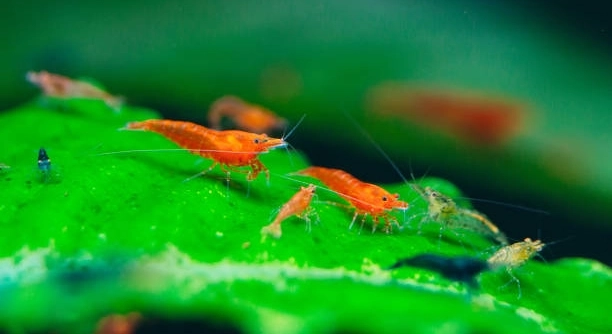
Do you ever notice your cherry shrimp hovering near the glass, seemingly interested in their own reflections? Watching them can be surprisingly calming, and many hobbyists wonder about the reason behind this behavior in aquariums.
Cherry shrimp are not significantly attracted to reflections. While they may approach glass surfaces, their behavior is usually driven by exploration, food detection, or environmental curiosity rather than recognition of their own reflection. This response is consistent across observed freshwater shrimp species.
Understanding why cherry shrimp interact with tank surfaces can help improve their care and environment. Observing these behaviors gives insight into their daily activities and overall well-being.
Why Cherry Shrimp Approach Glass
Cherry shrimp often explore the edges of their aquarium, and the glass is an obvious surface to inspect. Their movement along the tank walls is usually a form of environmental interaction rather than a social behavior. Shrimp are naturally curious about their surroundings, using their tiny legs and antennae to sense textures, surfaces, and possible food sources. The reflections they encounter are incidental—they see movement and shapes, not themselves as we might. Observing this behavior can feel calming, but it’s important to remember it does not indicate self-recognition. Many shrimp will repeat this behavior regularly, especially in tanks with clear glass and good lighting. Over time, shrimp become familiar with their environment, but the attraction to glass remains. The activity helps them exercise and maintain their sensory functions. Providing natural hiding spaces can balance exploration with safety, ensuring shrimp feel comfortable without constant exposure to reflections or open surfaces.
Glass interaction supports their natural exploration and environmental scanning. They are drawn to textures and movement, not reflections themselves.
Keeping shrimp active and engaged requires thoughtful tank design. Plants, moss, and small decorations encourage natural exploration while reducing stress from constant exposure to reflective surfaces. Observing shrimp as they move around gives a sense of their daily patterns. This also helps identify signs of stress or illness early. Shrimp prefer areas where they can hide but also have open space to forage. Their antennae constantly probe the environment, detecting chemical and physical cues. Reflections may cause brief hesitation or inspection, but this is short-lived. Clear, stable water and gentle lighting improve overall comfort. Tankmates and water flow influence shrimp movement and engagement. By balancing open spaces with shelters, hobbyists can create an environment that feels natural. Shrimp tend to return repeatedly to areas with food particles or moss. Their movement along the glass often coincides with feeding times or active periods. Understanding these subtle behaviors makes caring for cherry shrimp more rewarding and ensures they thrive in captivity.
Reflections and Stress
Reflections rarely cause long-term stress in cherry shrimp. Temporary curiosity is normal and usually harmless.
Stress in shrimp usually comes from water quality, temperature changes, or aggressive tankmates rather than visual reflections. Maintaining clean water, consistent temperatures, and a peaceful environment prevents unnecessary stress. Providing plants or hiding spots reduces repeated glass interaction. Overly bright lighting can exaggerate reflections, but adjusting light intensity helps. Monitoring shrimp behavior over time allows observation of healthy activity versus stress-induced reactions. Shrimp that appear skittish or constantly cling to glass may need more shelter or reduced tank disturbances. Feeding routines influence where shrimp spend time, often bringing them near surfaces temporarily. Understanding these needs supports shrimp welfare and ensures they display natural behaviors without prolonged stress. It’s also helpful to rotate decorations or add moss periodically, giving shrimp fresh areas to explore. Behavioral cues, such as color intensity, activity level, and antennae movement, indicate comfort. By considering these factors, hobbyists can create a supportive habitat that balances curiosity, exploration, and safety, keeping shrimp healthy and active for the long term.
Feeding Behavior and Glass Interaction
Cherry shrimp often approach the glass when food particles settle nearby. Their movement is directed by scent and tiny vibrations, not by reflections or awareness of themselves. This behavior is common during feeding times and usually lasts only a few minutes.
Shrimp use their sensitive antennae to detect food, gliding along surfaces to locate tiny particles. The glass provides a firm surface where they can move easily and reach areas with leftover food. Even without reflection, shrimp may appear focused on the glass because food tends to stick to the tank walls. Their small size allows them to access narrow spaces, so corners and edges become prime foraging spots. Over time, shrimp learn which surfaces often have edible particles. This consistent behavior is part of their natural foraging instincts. Observing shrimp feeding along the glass highlights their efficiency and how their environment influences daily activity.
Glass interaction can be reinforced if feeding occurs in the same location repeatedly. Shrimp quickly associate areas of the tank with food availability. This habit may lead to repeated inspection of glass walls, especially near feeding zones. Providing a varied feeding routine and distributing food across different areas of the tank encourages more natural foraging behavior. Moss, plants, and small hiding spots can retain tiny food particles, drawing shrimp away from plain glass surfaces while supporting their exploration instincts. Consistency in feeding timing also reduces stress, as shrimp anticipate access to food and move calmly. Monitoring their movements helps adjust feeding practices, ensuring shrimp remain active, healthy, and engaged without overemphasizing glass surfaces. Proper tank setup enhances both feeding efficiency and overall well-being, reducing repetitive, aimless glass inspection.
Lighting and Visibility
Bright lighting can make reflections more noticeable, influencing shrimp behavior near glass. Moderate light reduces glare while still supporting plant growth.
Shrimp respond to light intensity, which affects movement and interaction with their environment. Strong lighting can create exaggerated reflections, prompting brief inspection or hesitation. Adjusting the light to a softer, consistent level helps shrimp feel secure while allowing them to display natural behavior. Shadows from decorations or plants provide additional shelter, balancing visibility and comfort. Observing shrimp under varied lighting reveals patterns in activity, feeding, and resting spots. By managing light carefully, shrimp can explore freely without undue stress from visual stimuli, ensuring a stable and healthy environment that supports their curiosity and daily routines.
Tank Decorations and Reflections
Adding plants and ornaments reduces the amount of plain glass shrimp encounter. These items provide hiding spaces and surfaces for exploration.
Decorations break up reflections, giving shrimp natural areas to explore and forage. Moss, rocks, and driftwood encourage activity while reducing time spent inspecting glass.
Water Flow Effects
Water movement influences where shrimp spend their time. Strong currents may push them toward calmer areas, often near tank edges or surfaces. Properly adjusted flow ensures shrimp can navigate easily without being forced into constant interaction with reflective surfaces, supporting natural behavior and comfort.
Social Behavior and Glass
Cherry shrimp are more focused on tankmates than reflections. They communicate through movement and chemical cues rather than visual recognition, making reflections a minor part of their social interactions.
FAQ
Do cherry shrimp recognize themselves in a reflection?
Cherry shrimp do not recognize themselves in reflections. Their behavior near glass is driven by curiosity, food exploration, and sensing movement. They react to shapes and vibrations rather than understanding that they are looking at their own image. This is typical of most small freshwater shrimp species.
Can reflections stress cherry shrimp?
Reflections rarely cause long-term stress. Temporary inspection is normal, but stress usually comes from water quality, sudden temperature changes, or aggressive tankmates. Adjusting light intensity and providing hiding spots reduces unnecessary interactions with reflective surfaces, helping shrimp feel safe and secure.
Why do cherry shrimp cling to the glass?
Shrimp cling to glass mainly to explore surfaces or reach food particles that have settled there. Their antennae sense textures and movement, allowing them to find small particles efficiently. Clinging is a natural foraging behavior and not a sign of aggression or self-recognition.
Does lighting affect how shrimp interact with glass?
Yes, light intensity can make reflections more noticeable. Bright lighting exaggerates reflections, causing shrimp to pause or inspect surfaces briefly. Moderate lighting reduces glare while supporting plant growth. Shadows from decorations provide shelter and balance visibility, letting shrimp behave naturally without stress from reflections.
Do tank decorations reduce glass interaction?
Adding plants, moss, and ornaments gives shrimp alternative surfaces to explore. These items break up reflective areas, encourage natural foraging, and provide hiding spots. Shrimp often spend more time on moss or rocks than inspecting glass when the tank has sufficient decoration, which improves overall activity and well-being.
Can feeding habits influence glass behavior?
Feeding habits strongly influence glass interaction. Shrimp often explore edges where food particles settle. Distributing food across different areas and using moss or plants to retain particles encourages natural foraging. Consistent feeding routines reduce aimless glass inspection while ensuring shrimp access food without stress.
Do water flow patterns affect shrimp near glass?
Yes, water movement shapes shrimp activity. Strong currents push shrimp to calmer areas near edges or surfaces, which may coincide with glass. Properly adjusted flow ensures shrimp can navigate easily, reduces stress, and prevents them from lingering excessively on reflective surfaces while maintaining normal activity.
Are certain shrimp more prone to inspecting reflections?
Younger or more curious shrimp may spend slightly more time near glass, but this is related to exploration rather than self-recognition. Individual personality and activity levels influence the duration and frequency of glass interaction, but all shrimp generally behave similarly in their response to reflections.
Can reflections indicate illness or stress?
Not directly. Excessive clinging or repeated frantic movement may indicate stress, but reflections themselves are rarely the cause. Monitoring shrimp for color changes, inactivity, or erratic swimming is a more reliable indicator of health issues than observing interactions with reflective surfaces.
How can I reduce unwanted glass interaction?
To minimize glass inspection, provide sufficient decorations, moderate lighting, and varied feeding locations. Ensure water quality and temperature are stable, and adjust water flow to encourage natural movement. These measures allow shrimp to explore safely and remain active without focusing on reflections unnecessarily.
Is it normal for shrimp to pause at reflections?
Yes, occasional pauses are normal. Shrimp are naturally cautious and will stop to sense changes in their environment, including shapes or movement on glass. These pauses are part of their instinctive behavior and are not linked to self-awareness or recognition of their own reflection.
Do reflections impact breeding behavior?
Reflections do not influence breeding. Shrimp rely on chemical cues and proximity to mates rather than visual self-recognition. Ensuring a comfortable, well-decorated tank with clean water and stable conditions promotes natural breeding behavior without reflections interfering.
Should I cover my tank to prevent reflections?
Covering a tank is usually unnecessary. Proper lighting, decorations, and hiding spots reduce excessive glass interaction. Shrimp typically adjust to normal reflections, and removing them entirely does not significantly improve welfare or behavior if other tank conditions are well maintained.
Can multiple shrimp cause more glass interaction?
Group dynamics can slightly increase exploration near glass if competition for food or space arises, but this is temporary. Shrimp focus on food, territory, and shelter rather than reflections, so the presence of multiple shrimp does not make self-recognition more likely.
Are there signs that a shrimp is overstressed by reflections?
Overstressed shrimp may appear constantly skittish, cling repeatedly to surfaces, or hide excessively. True stress is more often caused by poor water quality, abrupt environmental changes, or aggressive tankmates rather than reflections themselves. Observing overall behavior and health is key to identifying stress.
Do different tank sizes affect reflection behavior?
In smaller tanks, reflections may appear more frequently due to proximity of glass surfaces. However, shrimp behavior is still guided by exploration and foraging. Providing hiding spots, plants, and scattered food mitigates over-attention to reflections, regardless of tank size.
Can shrimp learn to ignore reflections?
Yes, over time, shrimp typically stop paying attention to reflections. As they become familiar with their environment, they focus more on food, plants, and other shrimp. Repeated exposure with minimal disturbance allows them to explore naturally without reacting to reflections excessively.
Do glass thickness or clarity matter?
Thicker or clearer glass can create stronger reflections, but shrimp respond similarly to all transparent surfaces. Their behavior is influenced more by movement, light, and available exploration surfaces than by the clarity or thickness of the glass.
Is reflection behavior different in planted tanks?
Planted tanks reduce plain reflective surfaces and provide natural areas for shrimp to explore. This minimizes incidental pauses near glass, encourages natural foraging, and supports comfort. Moss, driftwood, and rocks distract from reflections while promoting healthy activity.
How can I safely observe shrimp behavior?
Observing shrimp calmly from outside the tank without tapping or shaking the glass prevents stress. Watching during feeding or exploration provides insight into activity patterns. Noticing normal pauses, clinging, or interactions with surfaces helps distinguish natural behavior from signs of stress or illness.
Do reflections have any positive impact on shrimp?
Reflections provide brief environmental stimulation, encouraging exploration and movement. While not linked to self-awareness, these visual changes can enrich the environment slightly, promoting activity and preventing prolonged inactivity, especially when combined with plants, moss, and varied surfaces.
Can reflections affect molting?
Reflections do not influence molting. Shrimp require stable water parameters, proper nutrition, and safe spaces to molt. Observing shrimp near glass during molting periods is coincidental, as they often choose secure areas such as plants or moss for protection.
Should I worry about glass cleaning creating reflections?
Cleaning glass may temporarily increase visible reflections. This is not harmful, as shrimp respond briefly to movement or shapes but do not fixate on their reflection. Ensuring gentle cleaning without drastic water disturbances maintains their comfort and daily routine.
Can shrimp differentiate between reflections and other shrimp?
Shrimp rely on chemical and movement cues to detect others. They cannot distinguish themselves from a reflection visually. Interaction with reflections is incidental, whereas interaction with actual shrimp involves antennae contact, body movements, and foraging coordination.
Do reflections change shrimp feeding efficiency?
Reflections have minimal impact on feeding. Shrimp continue foraging based on scent and tactile cues. Slight pauses may occur when encountering a reflection, but overall feeding behavior and efficiency remain unaffected if food is accessible and evenly distributed.
How often should I monitor glass behavior?
Monitoring occasionally during feeding or active periods is sufficient. Continuous observation is unnecessary unless there are signs of stress or illness. Tracking normal interaction patterns helps ensure shrimp remain healthy and active without over-focusing on reflective surfaces.
Can reflections replace enrichment?
Reflections are not a substitute for proper enrichment. Plants, moss, rocks, and decorations provide tactile and visual stimulation essential for shrimp well-being. Reflections may momentarily attract attention but do not meet their exploratory and comfort needs.
Does tank location influence reflection behavior?
Location matters if external light or movement creates additional reflections. Positioning the tank away from direct sunlight or reflective surfaces reduces brief inspection but does not eliminate normal glass interaction, which is primarily driven by food and exploration instincts.
Are there long-term effects of reflections on shrimp?
No significant long-term effects have been observed. Brief pauses or inspection are normal, and shrimp adapt to their environment. Consistent care, proper water parameters, and adequate hiding spaces ensure health and activity, making reflections a minor, temporary stimulus rather than a risk factor.
Do certain colors affect reflection interaction?
Shrimp are more responsive to movement than color in reflections. While bright tank backgrounds or decorations may influence where they explore, color itself does not make reflections more appealing or stressful. Visual contrast can guide shrimp toward food or shelters.
Can reflections influence shrimp hierarchy?
Reflections do not affect social hierarchy. Shrimp establish interactions through chemical and tactile signals rather than visual recognition. Territorial or dominance behaviors are directed at actual tankmates, and reflections have no meaningful role in these social structures.
Is it normal for shrimp to tap on glass?
Tapping on glass is rare and usually exploratory. Shrimp may touch surfaces while searching for food or moving across the tank. This behavior is unrelated to self-recognition and is part of normal interaction with their environment.
How should I respond if shrimp repeatedly approach glass?
Recurrent glass interaction is usually harmless. Ensure water quality, stable temperature, adequate hiding spaces, and distributed feeding. Observe shrimp for normal behavior, feeding efficiency, and active movement. Adjusting the tank environment slightly often reduces unnecessary pauses without interfering with natural instincts.
Can reflections affect shrimp molting cycles?
Reflections do not influence molting cycles. Molting is driven by growth, nutrition, and water conditions. Shrimp may occasionally explore surfaces while molting, but this is incidental and not connected to visual stimuli. Safe hiding spaces remain essential.
Do reflections matter more for juvenile shrimp?
Juveniles are slightly more exploratory, which can make them pause at reflections more often. However, this is part of learning their environment. They do not recognize themselves, and over time they focus on foraging, shelter, and social cues rather than reflective surfaces.
Are reflections ever used in shrimp research?
Reflections are rarely used intentionally in research. Most studies focus on feeding, molting, reproduction, or behavior under environmental variables. Observed interaction with reflections is incidental and does not contribute significantly to scientific findings about shrimp behavior.
Do reflections impact shrimp lifespan?
There is no evidence that reflections affect lifespan. Proper water parameters, nutrition, and habitat design are the key factors for longevity. Reflections are minor visual stimuli and do not create measurable changes in health or survival rates.
Can reflections interfere with shrimp breeding success?
Reflections do not interfere with breeding. Successful reproduction depends on stable water, proper nutrition, and suitable hiding spaces. Shrimp rely on chemical and tactile cues for mating, making visual reflections irrelevant.
Do reflections influence shrimp color intensity?
Reflections do not affect color. Shrimp coloration is influenced by genetics, diet, and overall health. Visual stimuli like reflections do not cause shrimp to darken, brighten, or otherwise change appearance.
Should I use a background to reduce reflections?
A background can help minimize noticeable reflections and give shrimp more natural visual stimulation. It is not necessary for health but can reduce brief pauses near glass caused by visual stimuli, especially in tanks with strong external lighting.
Can reflections cause aggressive behavior?
Shrimp do not display aggression toward reflections. Aggression is limited to interactions with actual tankmates over food or space. Brief inspection of reflective surfaces is exploratory, not competitive or territorial.
Do reflections affect shrimp activity during the day?
Reflections may cause minor pauses during active periods but do not significantly alter overall activity. Shrimp remain active according to feeding schedules, light cycles, and environmental comfort rather than the presence of reflections.
Can reflections replace environmental enrichment?
No, reflections cannot replace enrichment. Plants, moss, rocks, and decorations are essential for natural exploration, foraging, and hiding. Reflections only provide momentary visual changes and do not meet shrimp’s physical or behavioral needs.
Is reflection behavior consistent across shrimp species?
Most freshwater shrimp exhibit similar responses. Pauses or brief inspections near reflective surfaces are common across species but are driven by curiosity, food exploration, and environmental scanning, not self-recognition.
Do reflections cause abnormal behaviors?
Reflections alone do not cause abnormal behavior. Observing shrimp for repeated stress signs or inactivity is more important. Normal interaction with glass is a typical part of exploration and foraging.
How can I differentiate curiosity from stress?
Curiosity involves brief pauses and normal exploration, while stress shows repeated frantic movement, hiding, or inactivity. Observing overall behavior, color, feeding patterns, and molting helps distinguish these responses.
Are reflections more noticeable in small tanks?
Yes, smaller tanks may make reflections more apparent due to proximity of glass surfaces. Despite this, shrimp behavior remains guided by exploration and foraging instincts rather than self-recognition.
Can reflections affect shrimp molting success?
Reflections do not impact molting. Shrimp require stable water conditions and safe spaces to molt successfully. Glass interaction is incidental and does not interfere with the process.
Do reflections influence shrimp growth?
Reflections do not influence growth. Proper nutrition, water quality, and habitat conditions determine development. Brief interaction with reflective surfaces has no measurable effect on size or maturation rate.
Are reflections more common under certain lighting?
Bright or direct lighting can make reflections more visible, leading to short inspection pauses. Soft, consistent lighting reduces this effect while maintaining visibility for plants and shrimp activity.
Do reflections affect shrimp sleep patterns?
Reflections have minimal impact on sleep or rest. Shrimp have quiet periods where they remain still or hidden, and brief visual stimuli do not disrupt normal rest cycles.
Can reflections interfere with shrimp molting cycles?
Reflections do not interfere with molting. Shrimp need stable water, nutrition, and hiding spaces. Observed interaction with glass during molting is coincidental.
Do shrimp ever ignore reflections completely?
Yes, over time, shrimp often ignore reflections as they become familiar with their environment. They focus on foraging, exploring, and interacting with tankmates instead of reflective surfaces.
Are reflections ever used to stimulate shrimp activity?
Reflections are not an effective or necessary method to stimulate activity. Plants, moss, decorations, and varied feeding locations are far more reliable for promoting natural shrimp behavior.
Can reflections cause shrimp to overcrowd a tank area?
Reflections do not cause overcrowding. Shrimp may gather near food, moss, or hiding spots, but visual stimuli from reflections do not significantly influence group positioning.
Do reflections affect shrimp color patterns?
Reflections do not influence color patterns. Genetics, diet, and water quality are the primary factors determining appearance, not visual stimuli.
How long do shrimp typically interact with reflections?
Interactions are brief and occasional. Shrimp may pause for a few seconds when encountering shapes or movement on glass, then continue foraging, exploring, or resting elsewhere in the tank.
Can reflections make shrimp skittish?
Brief inspection may cause a pause, but true skittish behavior is linked to environmental stressors, not reflections. Consistent tank conditions and adequate hiding spaces prevent unnecessary stress.
Do reflections matter in breeding tanks?
Reflections have no impact on breeding. Chemical cues, space, nutrition, and water stability are the factors that influence mating and egg-laying behaviors.
Can reflections influence shrimp activity during feeding?
Reflections may cause short pauses, but feeding behavior is driven by scent and tactile cues. Shrimp efficiently locate food regardless of reflections.
Do reflections affect molting frequency?
Reflections do not change molting frequency. Molting is controlled by growth, water quality, and diet, not visual stimuli from reflective surfaces.
Are reflections more noticeable to juvenile shrimp?
Juveniles may pause slightly more often while exploring, but they do not recognize themselves. Over time, focus shifts to food and shelter rather than reflective surfaces.
Can reflections cause injury to shrimp?
Reflections do not cause injury. Normal interaction with glass is safe. Injury risk is more related to sharp decorations, aggressive tankmates, or poor water quality than visual stimuli.
Do reflections interfere with shrimp social hierarchy?
Reflections do not influence social hierarchy. Shrimp establish interactions through chemical and tactile signals, and reflective surfaces play no meaningful role in dominance or group dynamics.
Can reflections replace environmental enrichment?
No. Reflections are only temporary visual changes. True enrichment comes from plants, moss, hiding spots, and varied surfaces that allow for natural foraging and exploration.
Are reflections more common in small tanks?
Yes, reflections appear more in small tanks due to closer glass surfaces. Behavior remains exploratory rather than self-recognition.
Can reflections affect shrimp lifespan?
No evidence shows reflections impact lifespan. Proper care, water parameters, and nutrition are the primary factors for long-term health.
Do reflections influence shrimp color intensity?
Reflections do not affect color. Diet, genetics, and health determine coloration, not visual stimuli.
Are reflections stressful during molting?
Reflections do not cause molting stress. Shrimp require safe hiding areas and stable water conditions for successful molts.
Do reflections influence shrimp feeding efficiency?
Reflections have minimal impact. Shrimp continue foraging using scent and touch, and small pauses do not reduce feeding success.
How often should shrimp be observed for reflection interaction?
Occasional monitoring during feeding or active periods is sufficient. Continuous observation is unnecessary unless stress or illness is suspected.
Can reflections interfere with shrimp breeding success?
Reflections do not interfere. Breeding depends on water stability, nutrition, and hiding spaces.
Do reflections affect shrimp activity cycles?
No, shrimp remain active according to light, feeding, and environmental comfort rather than reflections.
Can reflections ever be beneficial?
Brief reflection interaction provides minor stimulation, encouraging exploration and movement. It is not essential but may enrich the environment slightly.
Do shrimp ever learn to ignore reflections?
Yes, over time they focus on food, shelter, and social interactions, ignoring reflective surfaces almost entirely.
Should I worry about reflections?
Reflections are harmless for healthy shrimp. Focus on water quality, hiding spots, and nutrition rather than eliminating reflections completely.
Do reflections affect shrimp growth or molting?
Reflections have no measurable effect on growth or molting. Proper care remains the determining factor.
Can reflections cause aggressive behavior?
Shrimp do not show aggression toward reflections. Aggression is reserved for actual tankmates during competition for food or territory.
Do reflections affect shrimp color patterns?
No, reflections do not change shrimp coloration. Diet, genetics, and water quality are the determining factors.
Are reflections more noticeable in heavily planted tanks?
Plants reduce visible reflections, encouraging exploration and hiding while minimizing incidental pauses near glass.
Do reflections influence shrimp social behavior?
No, shrimp rely on chemical and tactile cues for interaction. Reflections are not part of social behavior.
Can reflections cause abnormal behavior?
Normal exploratory pauses
Cherry shrimp are fascinating little creatures that bring life to any freshwater tank. Their behavior is often subtle, yet observing them can be surprisingly rewarding. One common question among shrimp keepers is about reflections and whether shrimp are attracted to them. While cherry shrimp may pause briefly when they encounter a reflection, this behavior is driven by curiosity and environmental exploration rather than self-recognition. They rely heavily on their antennae to sense textures, movements, and chemical cues in the water. The pauses at reflective surfaces are short and incidental, usually occurring near tank walls, decorations, or feeding areas. Shrimp are naturally inquisitive, and this exploration is part of how they interact with their environment. Understanding this helps hobbyists set up tanks in ways that encourage natural behaviors without unnecessary worry over reflections.
Proper tank setup plays a significant role in how often shrimp interact with reflective surfaces. A well-decorated tank with plants, moss, driftwood, and rocks provides plenty of areas for exploration and hiding, reducing the likelihood that shrimp will spend extended time near plain glass. Lighting also matters. Bright lighting can create stronger reflections, causing brief pauses, but moderate, consistent lighting allows shrimp to feel secure while still supporting plant growth and visibility. Water flow influences their behavior as well. Calm areas give shrimp safe spaces to move and forage, while stronger currents encourage activity in other parts of the tank. Observing shrimp in this environment highlights the importance of balance between open spaces and hiding spots. When these elements are managed carefully, shrimp engage in natural behaviors like foraging, exploring, and interacting with tankmates without being fixated on reflections.
Reflections themselves are not harmful and have no long-term effects on shrimp health or activity. They may provide a small amount of environmental stimulation, but they cannot replace the enrichment provided by plants, hiding places, and varied surfaces. Feeding routines, water quality, and stable environmental conditions are far more important for shrimp well-being than the presence or absence of reflections. Juvenile shrimp may pause slightly more often while exploring, but this is a natural part of learning their surroundings. Over time, shrimp focus more on finding food, interacting with other shrimp, and navigating their habitat. By providing a stable, enriched environment, hobbyists can ensure cherry shrimp thrive, remain active, and display healthy, natural behavior. Reflections are simply a minor element in their daily life, and paying attention to core tank conditions is the key to keeping shrimp happy and healthy.

Hello,
If you enjoy the content that we create, please consider saying a "Thank You!" by leaving a tip.
Every little bit helps us continue crafting quality advice that supports the health, happiness, and well-being of pets around the world, for pets of all shapes, sizes, and species.
We really appreciate the kindness and support that you show us!