7 Reasons Plecos Act Different in a Group
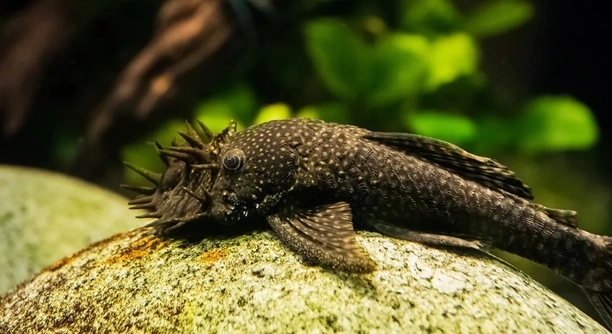
Do you ever notice your plecos behaving strangely when they are in a group compared to when they are alone? Many fish owners are surprised by the shifts in activity and social behavior among these fascinating creatures. Plecos exhibit different behaviors in a group due to social hierarchy, competition for food, territorial instincts, and environmental … Read more
Why Is My Pleco Refusing Its Favorite Snack?

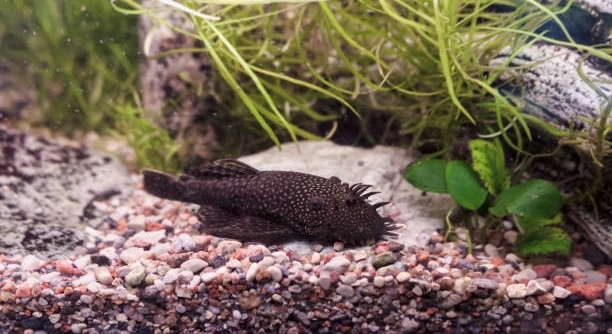
Is your pleco ignoring the treat it usually loves, leaving you puzzled during feeding time? This sudden change can be surprising, especially when you have always enjoyed watching it happily nibble its favorite snacks. A pleco may refuse its favorite snack due to changes in water quality, stress, illness, or dietary imbalances. Monitoring its environment … Read more

Can Bristlenose Plecos Get Too Much Fiber?

Do you enjoy caring for your Bristlenose Pleco but sometimes wonder if their diet is truly balanced? These fish rely heavily on fiber-rich foods, making proper nutrition an important aspect of their overall well-being. Bristlenose Plecos can consume too much fiber, which may lead to digestive issues and nutrient absorption problems. A balanced diet should … Read more

Why Is My Pleco Avoiding the Gravel Area?

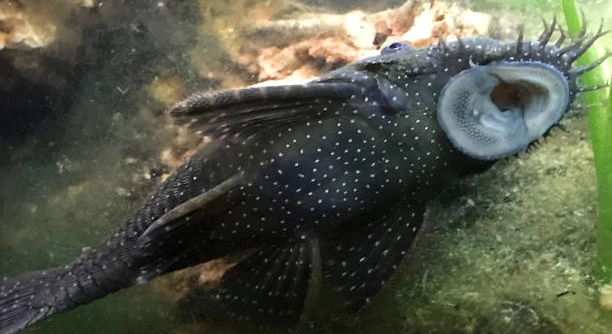
Is your pleco spending most of its time away from the gravel area in your aquarium? Observing its behavior can help you understand what may be causing this unusual preference in its environment. Plecos often avoid gravel areas due to stress, improper substrate, or inadequate hiding spaces. Rough textures can irritate their sensitive undersides, and … Read more

7 Factors That Affect Pleco Bristle Growth

Have you ever noticed your pleco’s bristles growing unevenly or looking dull compared to healthy specimens? Many fish owners may not realize that a variety of environmental and dietary factors can influence bristle development over time. Pleco bristle growth is primarily affected by diet, water quality, lighting, tank size, genetics, age, and stress levels. Each … Read more

7 Tips for Better Pleco Tank Organization

Are your pleco tanks feeling cluttered or hard to manage, leaving you unsure where to place decorations or supplies for your aquatic pets? Keeping a tank organized can make maintenance simpler and your fish more comfortable. Proper pleco tank organization requires deliberate placement of decor, hiding spots, and filtration equipment. Ensuring clear swim space, easy … Read more

7 Times You Should Feed More Than Algae

Algae often makes up the majority of a tank’s natural diet, but it does not always provide all the nutrients your aquatic pets need. Many species require additional food to stay healthy, vibrant, and active throughout the year. There are several situations where feeding more than algae is essential. Supplemental feeding supports growth, reproduction, and … Read more

7 Uncommon Signs of Pleco Illness

Are your plecos showing subtle changes that are easy to miss? Observing their behavior and appearance closely can help identify early signs of illness before they become serious issues. Small shifts often indicate underlying health problems. Uncommon signs of pleco illness include unusual swimming patterns, discoloration, frayed fins, loss of appetite, irregular breathing, excessive mucus, … Read more

Why Your Pleco Might Be Acting Shy Lately

Your pleco may seem unusually reserved lately, hiding in corners or staying still for long periods. Observing your fish closely can reveal subtle shifts in behavior, which often reflect changes in their environment or daily routine. A pleco’s shy behavior is commonly linked to stress, water quality fluctuations, or insufficient hiding spaces. Ensuring stable water … Read more

Do Plecos Need Tank Mates to Be Happy?

Do plecos thrive better in solitary tanks or among other fish? Many aquarium enthusiasts wonder about their social needs and how tank mates might influence their behavior. These fish are often seen quietly gliding along the tank walls and surfaces. Plecos do not require tank mates to be happy, as they are naturally solitary creatures. … Read more