
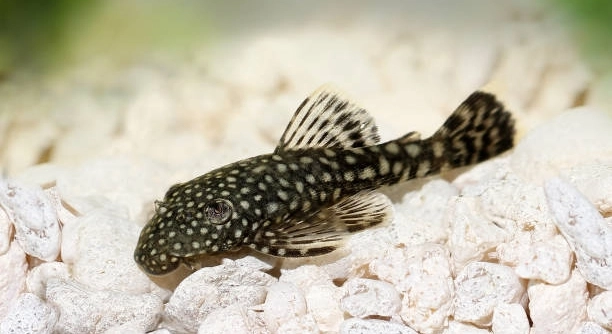
Are your pleco tanks feeling cluttered or hard to manage, leaving you unsure where to place decorations or supplies for your aquatic pets? Keeping a tank organized can make maintenance simpler and your fish more comfortable.
Proper pleco tank organization requires deliberate placement of decor, hiding spots, and filtration equipment. Ensuring clear swim space, easy access for cleaning, and designated zones for feeding and supplies enhances both fish welfare and the efficiency of routine maintenance.
Improving your tank setup can make daily care easier and create a more enjoyable environment for your plecos to thrive. A few small adjustments can make a big difference.
Declutter the Tank Regularly
Over time, pleco tanks can accumulate uneaten food, algae, and debris. Regularly removing these items prevents water quality issues and keeps the tank looking tidy. Focus on cleaning areas where plecos tend to gather, such as corners, caves, and driftwood surfaces. Removing clutter also allows the fish to move freely and reduces stress. Avoid overcrowding the tank with decorations that block swimming space. Each item should have a purpose, whether it provides hiding spots or enhances water flow. Checking filters and substrate frequently ensures they are not clogged with waste. Keeping maintenance simple helps prevent larger problems from developing. When adding new decor, consider whether it will create obstacles or make cleaning harder. The goal is a balanced, manageable environment that is visually appealing and safe for the plecos. Even small changes, like rearranging driftwood or removing excess plants, can make a noticeable difference in the tank’s overall organization and fish health.
A well-kept tank makes feeding and cleaning routines much easier, saving time and reducing stress for both you and your fish.
Regular maintenance habits, such as weekly partial water changes and spot-cleaning debris, create a healthy environment for plecos. Choosing multi-purpose items like caves that double as hiding spots and surfaces for algae grazing helps keep the tank organized. Proper placement of plants and ornaments can enhance aesthetics while providing functional areas for fish activity. Avoid piling too many decorations in one section; instead, distribute items evenly to allow clear swim lanes. Labeling tools and keeping supplies nearby streamlines cleaning and feeding. By maintaining a clutter-free setup, plecos have defined spaces for resting, feeding, and exploring, reducing aggression and promoting natural behaviors. Over time, you’ll notice less algae buildup, more visible fish, and an overall more efficient routine. Even subtle improvements, like moving a filter or repositioning driftwood, can make tank maintenance feel effortless and enjoyable while ensuring plecos remain comfortable and healthy.
Designate Zones in the Tank
Separating areas for feeding, resting, and swimming helps plecos feel secure and encourages natural behavior.
Having clear zones reduces territorial disputes among plecos. Feeding areas should be distinct from resting spots. Resting areas, such as caves or broad leaves, provide shelter and comfort, while open swimming zones allow free movement. Arranging these zones thoughtfully ensures each pleco has access to resources without constant competition. Plants and decorations can act as natural boundaries, guiding fish to their designated areas while maintaining a visually appealing setup. Even subtle separation, like a small rock barrier or driftwood arrangement, can help define zones effectively. When establishing these areas, consider the species’ behavior and size, making adjustments as they grow. Organized zones support healthier habits, reduce stress, and simplify monitoring fish activity. Over time, a tank with well-defined areas becomes easier to maintain, as waste and uneaten food are contained to specific sections. Observing the plecos interact with these zones allows further refinement, creating a harmonious, structured environment that meets both aesthetic and functional needs.
Use Stackable Storage for Supplies
Keeping nets, food, and water testing kits in stackable containers saves space and prevents clutter. Labeling each container ensures quick access during maintenance and feeding, reducing stress and wasted time when searching for items.
Organizing supplies outside the tank is just as important as inside. Use small bins or drawers to separate types of items, such as medications, water conditioners, and feeding tools. Stackable containers make use of vertical space, which is often overlooked. Keeping items off countertops or near the tank prevents accidental spills and keeps your area tidy. Labeling each container clearly allows you to find what you need immediately, which is especially helpful during emergency situations or routine maintenance. A consistent storage system makes managing multiple tanks simpler, as each container can hold a set of essentials, reducing confusion and overlap.
Stackable storage also allows easy rotation of supplies. Placing frequently used items on top ensures accessibility, while less common tools remain organized below. This method keeps the area neat and encourages efficient cleaning and feeding routines. In addition, it prevents supplies from being misplaced or damaged. By keeping a dedicated, organized system, you maintain control over your pleco tank setup and reduce stress for both you and the fish. Clear labeling combined with stackable storage provides a visual system that is easy to maintain and adapt as your needs change.
Arrange Decorations Strategically
Positioning driftwood, rocks, and plants thoughtfully prevents overcrowding and improves swimming space. Avoid blocking filters or hiding spots to ensure proper water flow and fish comfort.
Arranging decorations requires balancing aesthetics and functionality. Place larger items first to define the layout, then add smaller decorations around them. Leave open areas for plecos to swim freely and navigate the tank without obstacles. Consider how decorations interact with lighting, filtration, and feeding areas to avoid interference with daily care routines. Each piece should serve a purpose, whether providing a resting spot, grazing surface, or natural barrier. Avoid piling too many items in one section, as this can create stress and territorial disputes among plecos.
Proper placement also improves cleaning efficiency and monitoring. By keeping hiding spots and decorations in consistent locations, debris and uneaten food can be spotted and removed easily. Positioning plants and rocks to complement swimming zones ensures plecos have both shelter and freedom of movement. A thoughtful arrangement reduces maintenance challenges while encouraging natural behavior. Over time, this organized approach makes the tank visually appealing and functional, benefiting both the fish and your daily routines. Adjustments can be made gradually as plecos grow, ensuring the environment remains suitable for long-term health.
Label Everything
Labeling supplies, containers, and even tank sections reduces confusion and saves time during maintenance. Clear labels ensure you always know where each item belongs and makes routine care more efficient.
Labels also help track water treatments, feeding schedules, and medication usage. Consistency prevents mistakes and keeps the tank environment safe for plecos.
Group Similar Items Together
Keeping nets, food, medications, and cleaning tools in grouped areas simplifies tank maintenance. Grouping ensures quick access during feeding or emergencies and reduces the chance of misplacing items. A dedicated spot for each category keeps everything organized and makes your workspace tidy.
Use Vertical Space
Shelving or racks near the tank can hold extra supplies, decor, or water treatments. Utilizing vertical space prevents clutter around the tank and keeps frequently used items within reach. Organized vertical storage keeps your area clean and functional.
FAQ
How often should I reorganize my pleco tank?
It depends on how quickly your tank becomes cluttered. For most setups, a light reorganization every few weeks is enough. Focus on cleaning decorations, adjusting hiding spots, and ensuring open swimming areas remain accessible. Major rearrangements are rarely necessary unless adding new fish or decor.
Can too many decorations harm plecos?
Yes. Overcrowding decorations can restrict swimming space, create stress, and lead to territorial disputes. Each pleco needs room to move freely. Decorations should provide hiding places and grazing surfaces but not block pathways or interfere with filtration. Balance aesthetics with functionality for the fish’s well-being.
What is the best way to clean driftwood and rocks?
Rinse them with warm water and scrub gently to remove algae and debris. Avoid soaps or chemicals, which can harm plecos. For stubborn algae, soaking in a mild vinegar solution for a short period can help, followed by thorough rinsing. Regular cleaning keeps surfaces safe and visually appealing.
How do I keep supplies organized outside the tank?
Use stackable bins or shelving to separate food, tools, and medications. Label each container for quick access. Keeping a consistent place for each item prevents confusion, makes feeding and maintenance faster, and ensures you never misplace important supplies.
Should plants be arranged in a specific way?
Yes. Place taller plants at the back or sides and shorter ones in front. This creates open swimming space while providing hiding spots. Ensure plants do not block filters or lights. Grouping similar plants together can also simplify maintenance and trimming routines.
How can I prevent algae buildup while keeping the tank organized?
Regular water changes and removing uneaten food are essential. Position decorations to allow water circulation and avoid stagnant corners. Introducing algae-eating plecos or snails can help control growth naturally. A clean, organized tank reduces the areas where algae can accumulate.
Is it better to have multiple small hiding spots or a few large ones?
Both have benefits. Multiple small hiding spots reduce territorial conflicts, giving plecos options for privacy. Large hiding spots provide secure resting areas. A combination ensures plecos feel safe and have room to move freely, which improves their overall comfort and behavior.
How do I maintain open swimming areas without compromising decoration placement?
Strategically place larger decorations along tank edges and corners, leaving central lanes clear. Avoid stacking items in the middle, and keep pathways consistent. Open swimming space encourages natural behavior and reduces stress while maintaining aesthetic appeal.
How can I track feeding schedules efficiently?
Label feeding tools or create a simple chart near the tank. Group feeding items together for easy access. Tracking schedules prevents overfeeding, maintains water quality, and helps plecos stay healthy while keeping the tank organized.
What is the easiest way to rotate or adjust decorations?
Move items gradually, one or two at a time, to avoid shocking plecos. Rearranging slowly allows fish to adapt while you maintain the tank’s functional zones. Observe their behavior after changes and make adjustments if any hiding spots are too exposed or swimming lanes are blocked.
How can I store extra water treatments and medications?
Use labeled containers on shelves or in stackable bins. Keep them dry and away from direct sunlight. Organized storage ensures treatments are accessible when needed and prevents accidental spills, making emergency care faster and more efficient.
Are there tools that help keep pleco tanks organized?
Yes. Nets, siphons, algae scrapers, and tweezers can all be stored in labeled bins or hooks near the tank. Magnetic scrubbers or brushes that attach to the tank walls reduce clutter while cleaning. Proper tool storage simplifies maintenance routines.
How do I monitor if the tank layout is working for plecos?
Observe behavior regularly. If plecos are hiding too much, showing aggression, or avoiding certain areas, the layout may need adjustment. Organized zones, sufficient hiding spots, and clear swimming lanes indicate a healthy, functional setup.
Final Thoughts
Maintaining a well-organized pleco tank takes some planning, but it pays off in the long run. A clutter-free tank makes daily care easier, from feeding to cleaning. Clear swimming areas, designated hiding spots, and properly arranged decorations help plecos feel safe and reduce stress. Organization also allows you to notice any changes in your fish’s behavior or health more quickly, which is important for timely intervention. Even small adjustments, like moving driftwood or repositioning plants, can make a noticeable difference in how the tank functions. Over time, keeping the tank organized becomes a routine, and it no longer feels like a chore. A tidy tank also encourages regular maintenance, which directly supports water quality and the overall health of your fish. When everything has a specific place, you can spend more time enjoying your plecos rather than constantly rearranging or searching for tools and supplies.
Investing effort into external organization is just as important as arranging the inside of the tank. Using stackable bins, shelving, and labeled containers for food, water treatments, and cleaning tools keeps your workspace orderly and reduces stress. Quick access to supplies helps you respond efficiently to emergencies or routine care, while preventing accidental spills or misplaced items. Grouping similar tools and supplies together further simplifies your maintenance routine. Even the way you store nets, scrapers, and siphons can make daily upkeep smoother. A structured system outside the tank supports what you’ve already done inside, creating a more harmonious setup overall. Consistency is key; regularly returning items to their designated spots ensures the tank area remains functional and tidy over time. This organized approach is not just about aesthetics—it directly contributes to a safer and healthier environment for your plecos, making your care routine more manageable and effective.
Organization also supports a long-term perspective on pleco care. A thoughtfully arranged tank encourages natural behavior, reduces stress, and makes monitoring your fish easier. Clear zones for feeding, swimming, and resting, combined with functional decoration placement, allow plecos to thrive. A balanced setup reduces conflicts between fish and ensures everyone has access to resources. Over time, as you observe your plecos, you may identify small adjustments that improve their comfort and the tank’s efficiency. Keeping both the tank and supplies organized allows you to maintain a cleaner, healthier environment with less effort. This structured approach makes caring for plecos more enjoyable and sustainable, letting you focus on the satisfaction of watching your fish thrive rather than struggling with disorganization. By dedicating a little time to planning and maintaining order, your pleco tank can remain a safe, visually appealing, and functional habitat for years to come.

Hello,
If you enjoy the content that we create, please consider saying a "Thank You!" by leaving a tip.
Every little bit helps us continue crafting quality advice that supports the health, happiness, and well-being of pets around the world, for pets of all shapes, sizes, and species.
We really appreciate the kindness and support that you show us!