
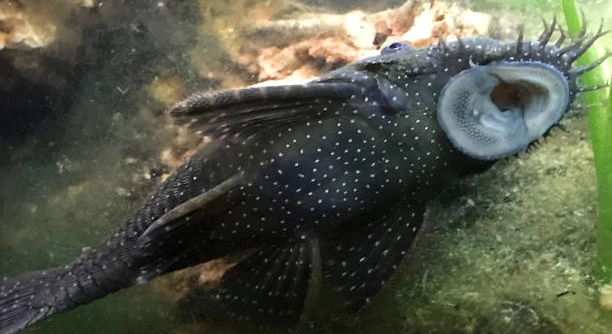
Do you ever notice your plecos behaving strangely when they are in a group compared to when they are alone? Many fish owners are surprised by the shifts in activity and social behavior among these fascinating creatures.
Plecos exhibit different behaviors in a group due to social hierarchy, competition for food, territorial instincts, and environmental stressors. These factors influence their movement patterns, feeding habits, and interactions, resulting in observable changes compared to solitary conditions.
Understanding why plecos act this way can help you create a more harmonious and healthy aquarium environment for them.
Social Hierarchy Among Plecos
In a group setting, plecos naturally form a social hierarchy. Some fish become more dominant while others take on submissive roles. Dominant plecos often claim the best hiding spots, feeding areas, and territory along the tank walls. Submissive plecos may avoid confrontation and stick to less desirable areas, leading to noticeable differences in activity. These dynamics can cause changes in behavior, such as increased movement in some fish and more hiding in others. Watching how plecos interact can reveal the pecking order, especially when introducing new fish to the tank. Dominant plecos can sometimes chase or nudge others to assert control, which may be mistaken for aggression but is often normal social interaction. Feeding times highlight these roles most clearly, as dominant plecos often get first access to food, while others wait patiently. Over time, these patterns stabilize, and the group reaches a balance that supports coexistence.
Hierarchy affects how plecos feed and move within the tank, creating noticeable differences between dominant and submissive fish.
Recognizing social hierarchy is essential for maintaining peace in the aquarium. Ensuring there are enough hiding spots, multiple feeding areas, and consistent observation helps reduce stress. Dominant plecos will establish their territory, but providing ample space allows submissive fish to avoid confrontation. Overcrowding can worsen tension, so tank size is important. Monitoring interactions helps determine if intervention is needed, such as rearranging decorations or adding extra shelters. Observing these social behaviors also allows you to understand each pleco’s personality. Some plecos may remain shy even in larger tanks, while others assert control over multiple areas. By addressing environmental factors and respecting natural hierarchy, all plecos can coexist without excessive stress or injury. Maintaining water quality and regular feeding further supports harmony. With attention to these details, a group of plecos can thrive while displaying their natural social behavior, giving you a healthy, active tank to observe.
Competition for Food
Plecos in groups often compete for food, even if there is enough for everyone.
Competition can lead to faster eating, pushing others away, and more aggressive feeding behaviors.
Feeding multiple areas or offering food at different times can reduce stress and ensure all plecos get enough to eat. Observing their feeding habits helps manage competition effectively.
If you want, I can continue with the next sections following the same format: Territorial Behavior, Stress and Environment, Breeding Behavior, and Group Dynamics. Do you want me to continue?
Territorial Behavior
Plecos are naturally territorial, especially in groups. They claim certain spots in the tank as their own, often around caves, driftwood, or preferred hiding places. Conflicts can arise if spaces are limited.
Territorial disputes are common when multiple plecos want the same area. Dominant fish patrol their spots and may chase others away. Submissive plecos usually retreat, which can make them appear less active. Rearranging decorations or adding extra hiding spaces can reduce tension. Observing their movements helps identify which fish are dominant and which are avoiding confrontation. Territory size and availability directly impact how peaceful the group remains over time.
Managing territories involves providing enough space, hiding spots, and visual barriers. Driftwood, rocks, and PVC pipes give plecos places to retreat, which reduces stress and aggression. Grouping plecos in larger tanks can minimize disputes, while smaller tanks require careful monitoring to prevent bullying. Feeding in multiple locations also helps, as it prevents dominant fish from controlling food sources. A balanced environment lets all plecos coexist comfortably while displaying natural territorial behavior without constant conflict.
Stress and Environment
Plecos are sensitive to their environment, and stress can alter behavior. Poor water quality or overcrowding heightens tension in a group.
Environmental stress affects activity levels, appetite, and interactions. Plecos may hide more, fight, or act unusually if water parameters are off. Maintaining proper temperature, pH, and filtration is crucial to reduce stress.
Stress management includes regular water changes, maintaining consistent conditions, and providing sufficient space and enrichment. Overcrowding amplifies aggression, while hiding spots and natural decorations give fish security. Observing plecos regularly helps detect early signs of stress, like erratic swimming or refusal to eat. Stress can also affect immunity, making plecos more prone to illness. Adjusting lighting, introducing gradual changes, and keeping tankmates compatible further supports a stable environment. By minimizing stress, plecos show more natural behaviors, interact peacefully, and thrive in group settings.
Breeding Behavior
Breeding instincts can change pleco behavior in a group. Males may become more aggressive or territorial when preparing to spawn.
Females may hide more often or focus on specific areas of the tank. These behaviors are natural and usually temporary, linked to reproduction cycles.
Nocturnal Activity
Plecos are more active at night, and this can affect how they behave in groups. Observing them during the day may not show their full activity.
Group Dynamics
In groups, plecos develop patterns of interaction. Some become leaders, others follow, and a few stay on the sidelines. Understanding these patterns helps manage the tank environment, reduce stress, and ensure all fish get enough food and space to thrive.
Individual Personalities
Each pleco has its own personality. Some are bold and active, while others are shy or reserved. These traits influence how they interact in a group and affect feeding, movement, and social behavior.
FAQ
Why do plecos chase each other in a group?
Plecos chase each other to establish dominance or defend territory. This behavior is normal in group settings and usually does not lead to serious harm. Chasing helps determine which fish claim prime spots for hiding, feeding, and resting. Submissive fish typically retreat and avoid conflict.
Do plecos eat less when in a group?
Some plecos may eat less due to competition or stress from dominant tankmates. Others might eat faster to secure food before others can reach it. Offering food in multiple locations and using feeding sinks can ensure all plecos get enough nutrition without constant competition.
How can I reduce aggression among plecos?
Adding extra hiding spots, visual barriers, and sufficient territory reduces conflict. Rearranging decorations periodically prevents dominant plecos from claiming permanent control. Maintaining proper water quality and avoiding overcrowding also lowers stress, which in turn minimizes aggressive behaviors.
Why does my pleco hide more in a group?
Hiding is a natural response to stress, competition, or intimidation by more dominant plecos. Providing caves, driftwood, and other shelters allows shy fish to feel safe and encourages balanced activity without forcing constant confrontation.
Can plecos live peacefully together long-term?
Yes, with proper tank size, decorations, and feeding strategies, plecos can coexist peacefully. Monitoring interactions, providing enough resources, and maintaining water quality support long-term harmony, even in groups with mixed personalities and hierarchies.
Do plecos act differently during breeding season?
Breeding behavior can make males more territorial and females more reclusive. Changes in movement patterns, hiding, and aggression are temporary and linked to reproductive cycles. Providing separate spaces or extra shelters during breeding periods can help reduce stress.
How does tank size affect pleco behavior?
Smaller tanks increase territorial disputes, stress, and competition for resources. Larger tanks allow plecos to establish territories, hide when needed, and interact without constant confrontation. Ensuring adequate space is critical for group dynamics and overall health.
Why do some plecos dominate the food supply?
Dominant fish often assert control over preferred feeding spots. Submissive fish may wait or retreat, leading to uneven feeding. Offering multiple feeding points and spreading food throughout the tank ensures all fish get adequate nutrition.
Are plecos more active at night?
Yes, plecos are primarily nocturnal. Daytime behavior may appear calm or hidden, but activity increases at night. Observing them during different times helps understand their natural patterns and ensures feeding schedules match their activity levels.
Can adding new plecos disrupt group behavior?
Introducing new plecos can temporarily upset the established hierarchy. Dominant fish may chase newcomers until roles are reestablished. Providing extra hiding spots and monitoring interactions during the adjustment period helps reduce stress and conflict.
Why do plecos sometimes ignore each other?
Ignoring behavior can indicate that fish have settled into their roles within the hierarchy. Some plecos are naturally less social and focus on feeding or exploring rather than interacting. Respecting individual personalities prevents unnecessary stress.
How do I know if aggression is harmful?
Occasional chasing is normal, but constant attacks, injuries, or bleeding indicate serious aggression. Immediate action, such as rearranging the tank, adding shelters, or separating fish, is necessary to prevent injury and stress.
Can stress affect pleco health?
Yes, prolonged stress weakens immunity, reduces appetite, and may lead to disease. Proper water quality, space, hiding areas, and predictable feeding routines help minimize stress and keep plecos healthy in a group.
How do I encourage shy plecos to be more active?
Providing ample hiding spots, consistent feeding, and calm conditions allows shy plecos to explore safely. Over time, they may become more confident, but respecting their natural personality is important for their well-being.
What signs show that plecos are comfortable in a group?
Balanced activity, regular feeding, minimal chasing, and use of multiple hiding spots indicate comfort. Plecos that interact without constant conflict and display normal nocturnal behavior are generally well-adjusted in their group environment.
This FAQ covers the most common concerns about plecos in groups, helping manage behavior, feeding, and stress effectively. Proper observation and environmental adjustments ensure a peaceful, thriving tank for all members.
Plecos are fascinating fish, and their behavior in a group can be very different from when they are alone. Observing them carefully reveals patterns in movement, feeding, and social interaction. Dominant fish often claim the best spots in the tank, while more submissive plecos adjust their behavior to avoid conflict. Hiding, chasing, and shifting activity levels are all part of natural social dynamics, and understanding these behaviors helps create a balanced aquarium. Providing enough space and resources ensures that each fish can maintain its own routine without unnecessary stress.
Environmental factors play a significant role in how plecos behave. Water quality, temperature, and tank size all influence activity, feeding habits, and stress levels. Overcrowding can increase aggression, while a properly set-up tank allows each fish to establish its territory comfortably. Decorations such as caves, driftwood, and rocks provide security and reduce tension, giving shy plecos a chance to retreat when needed. Feeding strategies also impact group behavior; offering food in multiple locations reduces competition and ensures every fish receives adequate nutrition. Observing plecos regularly allows owners to identify changes in behavior that may indicate stress, illness, or the need for tank adjustments.
Understanding the personalities and social hierarchy of plecos is essential for long-term success in group keeping. Some fish are naturally bold, while others are reserved, and respecting these differences helps maintain peace in the tank. Changes in behavior, such as increased aggression during breeding or hiding due to stress, are often temporary and can be managed with proper care. By focusing on space, hiding spots, water quality, and feeding, you can encourage natural behaviors and a harmonious environment. A well-maintained tank supports healthy plecos, reduces conflict, and allows all members of the group to thrive, making the aquarium more enjoyable to observe over time.

Hello,
If you enjoy the content that we create, please consider saying a "Thank You!" by leaving a tip.
Every little bit helps us continue crafting quality advice that supports the health, happiness, and well-being of pets around the world, for pets of all shapes, sizes, and species.
We really appreciate the kindness and support that you show us!