
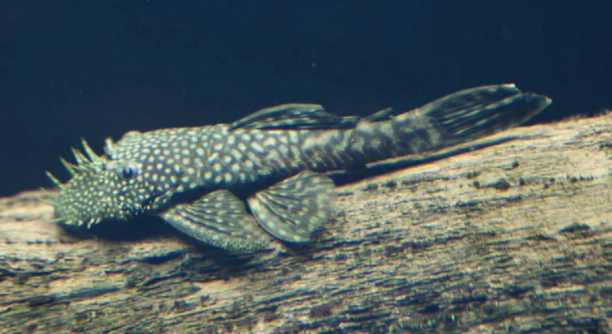
Do plecos thrive better in solitary tanks or among other fish? Many aquarium enthusiasts wonder about their social needs and how tank mates might influence their behavior. These fish are often seen quietly gliding along the tank walls and surfaces.
Plecos do not require tank mates to be happy, as they are naturally solitary creatures. While they can coexist with other peaceful fish, their well-being is primarily maintained through proper tank conditions, nutrition, and hiding spaces rather than companionship.
Understanding how plecos interact with their environment and other species can help ensure a healthy and balanced aquarium setup for these unique fish.
Understanding Pleco Behavior
Plecos are naturally solitary fish, spending much of their time exploring tank surfaces and hiding in caves or under driftwood. Their activity is mostly nocturnal, so during the day, they often remain hidden. Observing their behavior over time helps you understand their comfort levels and needs. Plecos are not aggressive by nature but can be territorial if space is limited. Providing sufficient hiding spots reduces stress and prevents conflicts with other fish. They also prefer calm environments with stable water conditions, as sudden changes can cause anxiety. Feeding is another key aspect of their behavior. Plecos are primarily herbivorous but may occasionally consume small amounts of protein. Offering a balanced diet of algae wafers, fresh vegetables, and occasional protein sources ensures they stay healthy. Monitoring their eating habits helps detect health issues early. Proper tank maintenance, like regular water changes and substrate cleaning, supports their well-being.
Plecos do not need social interaction to thrive. Their primary focus is safety and food availability.
Creating a suitable tank for a pleco involves selecting the right size, providing hiding spaces, maintaining water quality, and choosing compatible tank mates if desired. Observing behavior daily ensures they remain healthy and content.
Tank Mates and Compatibility
Peaceful fish are generally the only species that coexist comfortably with plecos. Aggressive or fast-moving fish can stress plecos and limit their access to food.
When choosing tank mates, focus on species that occupy different areas of the tank. Plecos prefer the bottom, while mid- and top-dwelling fish will not compete directly for space. Avoid overcrowding, as plecos need room to graze and explore. Providing plenty of hiding spots and visual barriers can reduce stress and territorial behavior. Some common compatible species include tetras, gouramis, and certain rasboras. Feeding routines should account for plecos’ diet, ensuring they receive sufficient nutrition without competition. Observation is crucial during the first few weeks to ensure the pleco adjusts well. If conflicts arise, rearranging decorations or separating aggressive fish may be necessary. Overall, understanding the specific habits and needs of plecos helps maintain harmony in a shared tank environment while keeping each species healthy and comfortable.
Feeding and Nutrition
Plecos need a diet rich in vegetables and algae. Algae wafers, zucchini, cucumber, and spinach are staples. Occasional protein supplements like shrimp pellets can be offered. Feeding small amounts daily prevents overfeeding and keeps water quality stable.
A varied diet is essential for plecos to thrive. While they primarily feed on algae and plant matter, adding fresh vegetables ensures proper nutrition and prevents deficiencies. Protein sources, such as bloodworms or shrimp pellets, can be given once or twice a week to support growth and overall health. Observing how much they consume helps avoid leftover food that could spoil and affect water quality. Feeding at consistent times helps maintain their routine and reduces stress, particularly in tanks with other fish competing for food.
Water quality is closely tied to nutrition. Uneaten food can quickly pollute the tank, leading to harmful ammonia and nitrate buildup. Regularly remove leftovers and monitor water parameters to keep plecos healthy. Adjust feeding amounts based on their size and activity level, ensuring they receive enough nutrients without compromising the tank environment.
Tank Environment
Plecos need hiding spots and smooth surfaces to graze on. Driftwood, rocks, and caves create a natural setting that reduces stress and encourages exploration.
Temperature and water parameters are critical. Most plecos thrive in slightly warm water, with stable pH and minimal fluctuations. A large tank reduces territorial behavior and supports multiple species if desired. Substrate choice matters; sand or smooth gravel is best to avoid injury. Lighting should mimic a natural day-night cycle, supporting nocturnal behavior. Flowing water can replicate rivers, which many pleco species prefer. Regular filtration ensures clean water, removing debris and maintaining oxygen levels. Decorations and hiding spots should be arranged to give the pleco control over its territory while preventing overcrowding. Frequent observation helps detect stress, illness, or aggression early, allowing for quick adjustments to the tank environment.
Monitoring water parameters and adjusting conditions as needed supports a stable, healthy habitat. Clean the tank regularly, remove waste, and ensure filtration is adequate. Adding new plants or hiding places can refresh the tank and maintain interest. Consistency in temperature, pH, and flow mimics their natural habitat and reduces stress. Avoid sudden changes or overcrowding, which can trigger territorial disputes or health problems. A well-maintained environment ensures plecos remain active, feed properly, and display natural behaviors. Combining proper water care with nutrition and hiding spots creates a comfortable space where plecos can thrive long-term.
Common Health Issues
Plecos can develop health problems if tank conditions are poor. Common issues include fin rot, ich, and skin infections. Maintaining clean water and proper nutrition reduces the risk of disease.
Stress from overcrowding or incompatible tank mates can weaken immunity. Regular observation helps catch problems early. Adjusting water parameters and providing hiding spots supports recovery and prevents recurring health issues.
Signs of Stress
A stressed pleco may hide excessively, refuse food, or scrape against tank surfaces. Changes in behavior often indicate environmental problems or illness.
Monitoring activity and feeding habits daily is important. Stress can be triggered by poor water quality, aggressive tank mates, or sudden changes in temperature. Addressing these factors promptly keeps plecos healthy and comfortable.
Breeding Considerations
Breeding plecos requires separate tanks, proper hiding spots, and suitable water conditions. Many species deposit eggs in caves or under driftwood. Carefully monitoring the breeding environment ensures eggs are protected and the fry have the best chance of survival.
Longevity and Care Tips
Plecos can live for over a decade with consistent care. Proper diet, water maintenance, and tank setup directly impact their lifespan. Regular observation allows for early detection of illness or stress, keeping your pleco healthy and active.
FAQ
Do plecos need tank mates to be happy?
Plecos do not require tank mates to thrive. They are naturally solitary fish, and their happiness comes from having adequate space, clean water, and proper nutrition. While they can coexist with peaceful, bottom-dwelling or mid-level fish, companionship is not essential. Focus on creating a safe and stable environment for your pleco rather than relying on other fish to provide social interaction. Providing hiding spots and enough room for them to explore is far more important than adding other fish for company.
Can plecos live with other fish?
Yes, plecos can live with other fish if the species are peaceful and occupy different areas of the tank. Aggressive or fast-moving fish can stress plecos, making them hide excessively or refuse food. Bottom-dwelling fish that compete for space or food should be avoided. Ideal tank mates are mid- or top-level fish such as tetras, rasboras, or gouramis. Always monitor interactions in the first few weeks to ensure harmony, and rearranging decorations may help reduce territorial disputes if necessary.
How large should a pleco tank be?
Tank size depends on the species of pleco. Common plecos can grow over a foot long, requiring at least 75 gallons. Smaller species, like bristlenose plecos, do well in 30–40 gallon tanks. Providing sufficient space reduces territorial behavior and ensures proper growth. A larger tank also allows for adequate hiding spots, grazing areas, and stable water parameters. Overcrowding can cause stress, illness, and aggression, so careful planning of tank size and the number of inhabitants is critical for the pleco’s well-being.
What do plecos eat?
Plecos are primarily herbivorous, feeding on algae, plant matter, and prepared foods like algae wafers. Fresh vegetables such as zucchini, cucumber, and spinach supplement their diet. Occasional protein sources, like shrimp pellets or bloodworms, can be offered once or twice a week. A varied diet ensures proper growth, health, and longevity. Feeding small amounts daily prevents leftover food from polluting the tank. Consistent feeding routines also help the pleco feel secure and maintain normal behavior.
How do I know if my pleco is stressed?
Stress in plecos can show in hiding behavior, refusal to eat, scraping against surfaces, or reduced activity. Stress is often caused by poor water quality, aggressive tank mates, sudden changes in temperature, or lack of hiding spots. Monitoring behavior and water parameters is crucial. Quick adjustments, like improving water quality, rearranging the tank, or separating aggressive fish, can help reduce stress and prevent illness. Stress management is key to maintaining a healthy, active pleco.
Do plecos need special lighting?
Plecos are nocturnal, so they do not require intense lighting. Soft, natural lighting mimics their preferred environment. A standard day-night light cycle of 10–12 hours supports healthy behavior. Bright lights can cause stress, making them hide more often and reduce feeding. Adding shaded areas or floating plants allows them to retreat comfortably, creating a calm environment while maintaining natural activity cycles. Proper lighting combined with hiding spots ensures plecos feel secure and reduces stress.
How often should I clean a pleco tank?
Regular cleaning is essential to prevent disease and maintain water quality. Partial water changes of 20–30% weekly are recommended. Remove uneaten food, algae buildup, and debris from substrate. Filtration should be maintained and cleaned as needed. Clean decorations and hiding spots periodically, ensuring the tank remains a safe and healthy environment. Consistency in cleaning supports stable water parameters and reduces stress for plecos, allowing them to thrive.
Can plecos live in a community tank?
Yes, plecos can live in a community tank with compatible species. Ensure that other fish are peaceful, occupy different levels, and do not compete for bottom territory. Provide plenty of hiding spots and grazing surfaces. Observation is key to maintaining harmony, and adjustments may be needed if stress or aggression occurs. A well-planned community tank can keep plecos healthy while allowing them to coexist safely with other fish.
How long do plecos live?
Plecos can live 10–15 years, sometimes longer, with proper care. Lifespan depends on diet, water quality, tank size, and stress management. Consistent feeding routines, regular water changes, and a suitable environment contribute to longevity. Observing behavior and maintaining a stable habitat ensures they remain active and healthy for many years.
Do plecos require caves or hiding spots?
Yes, hiding spots are essential for plecos to feel secure. Caves, driftwood, rocks, or dense plants allow them to rest, reduce stress, and establish territory. Without these areas, plecos may become anxious, hide excessively, or show signs of stress. Providing multiple hiding spots also prevents competition in tanks with other fish.
How do I breed plecos?
Breeding plecos requires a separate breeding tank, caves for egg-laying, and stable water conditions. Males typically guard eggs, and proper monitoring ensures fry survival. Feeding a nutritious diet before and during breeding improves egg quality and hatch rates. Regular observation helps detect issues early, supporting a successful breeding environment.
This FAQ section provides answers to common concerns about plecos, ensuring proper care, health, and a balanced tank environment for these solitary yet fascinating fish.
Final Thoughts
Plecos are unique fish that do not rely on social interaction to thrive. Their happiness is closely tied to the quality of their environment, including tank size, water conditions, and available hiding spots. While it can be tempting to add other fish for companionship, plecos are naturally solitary and will often do best when given space to explore and establish their own territory. Providing a stable and calm environment allows them to display natural behaviors such as grazing, resting, and exploring without unnecessary stress. Paying attention to these details ensures that plecos remain healthy and active throughout their life. Observing a pleco over time helps you understand its preferences and behavior, which in turn allows you to adjust the tank environment to meet its needs. From hiding spots to substrate choices and water quality, each element contributes to their overall well-being, making thoughtful planning a key part of pleco care.
Proper nutrition is another essential factor in maintaining pleco health. They are primarily herbivorous, feeding on algae and plant matter, but a balanced diet that includes fresh vegetables and occasional protein supplements ensures they get the nutrients needed for growth and vitality. Feeding routines should be consistent, and care should be taken not to overfeed, as leftover food can quickly pollute the tank. Monitoring their eating habits allows you to detect early signs of health issues or stress. Clean water, stable temperatures, and suitable hiding spots combined with a varied diet create an environment where plecos can thrive naturally. Even though they do not need tank mates to be happy, a well-planned community tank can work if care is taken to avoid overcrowding and aggression. The key is always to prioritize the pleco’s comfort, health, and natural behavior patterns.
Long-term care of plecos requires patience and attention to detail. They can live for more than a decade with proper care, making commitment and consistency vital. Regular tank maintenance, including partial water changes, substrate cleaning, and monitoring water parameters, prevents disease and keeps the pleco’s environment stable. Observing your pleco’s behavior provides insight into its comfort level and helps you respond to potential problems quickly. Providing appropriate tank mates, hiding spaces, proper lighting, and nutrition all play roles in supporting their well-being. Plecos may be solitary, but they are also fascinating and rewarding to care for when their needs are fully met. A thoughtful, consistent approach ensures these fish remain healthy, active, and content, making them a long-lasting and enjoyable addition to any aquarium.

Hello,
If you enjoy the content that we create, please consider saying a "Thank You!" by leaving a tip.
Every little bit helps us continue crafting quality advice that supports the health, happiness, and well-being of pets around the world, for pets of all shapes, sizes, and species.
We really appreciate the kindness and support that you show us!