7 Signs Your Black Molly Are Competing for Space
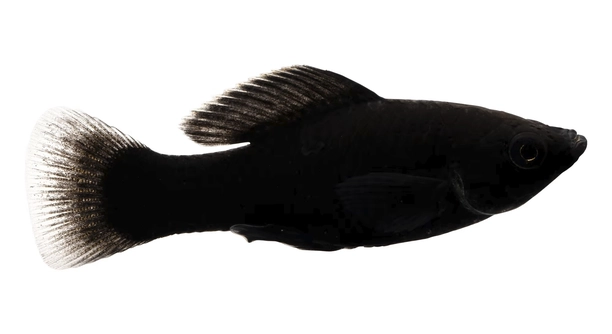
Are your black mollies acting restless or swimming in tight circles more often than usual? Many fish owners notice small changes in behavior when tank space becomes limited. These changes can affect the harmony of your aquarium. Black mollies may compete for space when their environment lacks sufficient hiding spots or swimming room. Overcrowding, limited … Read more
7 Problems That Arise from Poor Tank Cycling

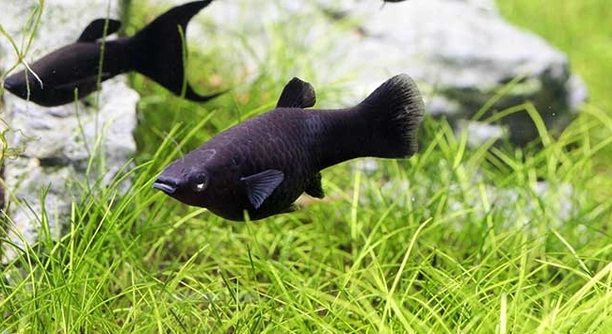
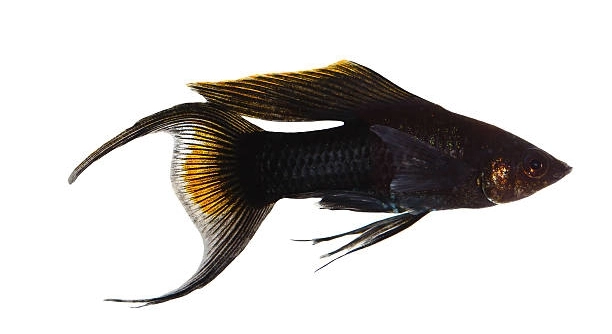
Are your aquarium fish struggling or showing signs of stress? Poor tank cycling can silently affect the water quality, creating a challenging environment for your aquatic pets. These early mistakes often go unnoticed until serious problems arise. Improper tank cycling leads to dangerous fluctuations in ammonia, nitrite, and nitrate levels, which can cause illness or … Read more

Do Black Molly Choose a Favorite Tank Mate?

Do you enjoy watching Black Molly fish swim gracefully in your aquarium but find yourself noticing how they interact with other fish around them? Their social behavior can be subtle and interesting to observe. Black Molly fish do not typically choose a single favorite tank mate. They are generally peaceful and interact with multiple compatible … Read more

7 Ways to Spot a Sick Black Molly Early

Keeping black mollies healthy is important for any aquarium enthusiast. These small, active fish can hide early signs of illness, making it essential to know how to recognize changes before they worsen. Observation is key. Early detection of sickness in black mollies involves monitoring behavior, physical appearance, and appetite. Signs such as clamped fins, lethargy, … Read more

Can Black Molly Swim in Brackish Water?

Many fish owners enjoy keeping Black Molly in their home aquariums. These small, dark-colored fish are lively and social, often bringing life to a tank. Learning about their water needs helps keep them healthy and happy. Black Molly can tolerate brackish water conditions, but it is essential to maintain moderate salinity levels. Gradually acclimating them … Read more

Can You Keep Black Molly with Betta Fish?

Keeping a variety of fish in a single aquarium can be both rewarding and challenging. Many hobbyists enjoy mixing species for color and activity, yet each fish has unique behaviors that affect compatibility. Proper planning ensures a balanced environment. Black Mollies and Betta fish can sometimes coexist under careful conditions, but success depends on tank … Read more

Why Is My Black Molly Swimming Head Down?

Are your black mollies acting strangely, swimming at odd angles in your aquarium? Many owners notice their fish sometimes hover head down, which can be alarming and confusing when you are trying to maintain a healthy tank environment. The primary cause of a black molly swimming head down is swim bladder disorder. This condition affects … Read more

7 Things That Make Black Molly More Social

Black mollies are gentle fish that can brighten any aquarium with their presence. Many owners enjoy watching them interact, yet some mollies stay shy and distant, leaving you unsure how to encourage them to be more social. Black mollies become more social through consistent environmental enrichment, proper tank mates, balanced nutrition, and stable water conditions. … Read more

7 Signs Black Molly Are Not Comfortable in the Tank

Are your Black Molly fish showing unusual behavior or avoiding certain areas of the tank? These vibrant freshwater fish usually swim confidently, but changes in their habits can indicate discomfort or stress in their environment. Black Molly may exhibit signs of discomfort due to poor water quality, insufficient space, aggressive tank mates, improper diet, or … Read more

7 Hidden Issues with Overstocked Black Molly Tanks

Many fishkeepers enjoy keeping Black Mollies because of their lively personalities and striking appearance. However, overstocking a tank can quietly create challenges that are not always obvious to even experienced aquarists. Overstocking Black Molly tanks can lead to water quality deterioration, increased aggression, stress among fish, stunted growth, and a higher susceptibility to diseases. These … Read more